


133 items
Filter
Filter
Bulk Buy
Certifire Approved
FD30
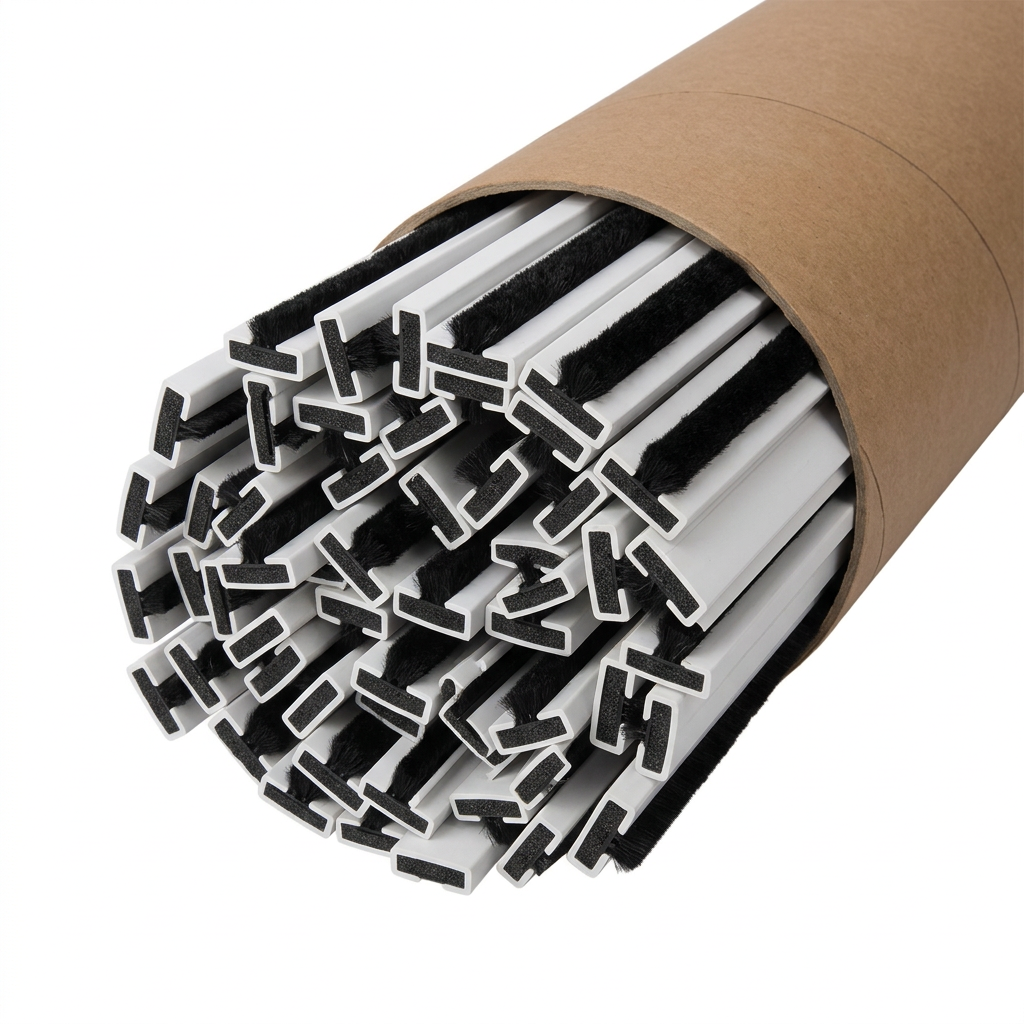
FS1504/WH - Bulk Pack 50
Pyroplex Fire & Smoke Seal Intumescent Strip, Brush, 15mm x 4mm x 2.1m, White (Pack of 50)
£115.20 Inc. VAT£96.00 Exc. VAT
 152 in stock
 Bulk Buy
Certifire Approved
FD30
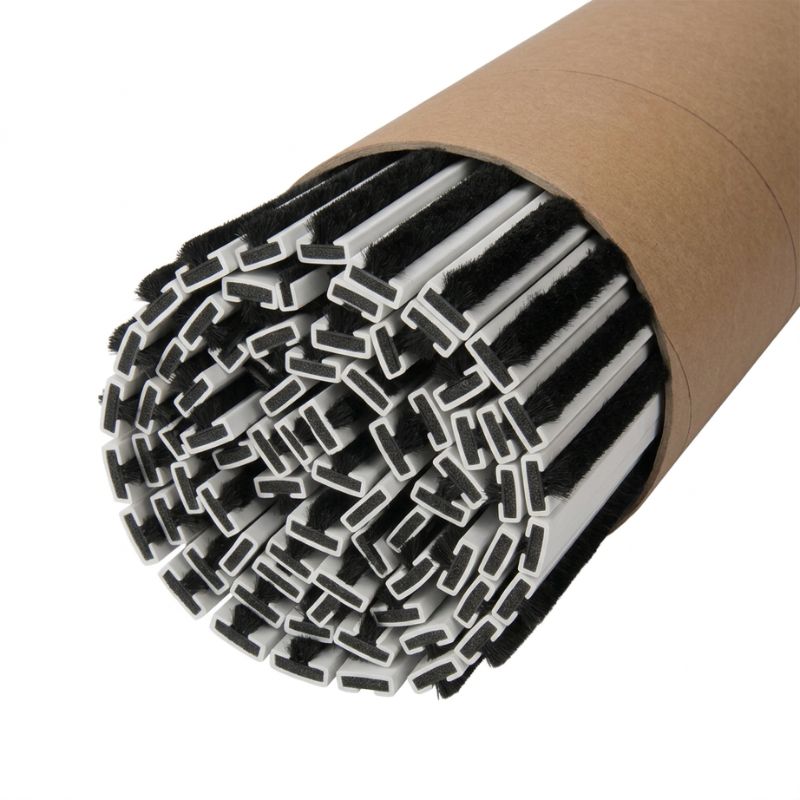
FS1004/WH - Bulk Pack 75
Pyroplex Fire & Smoke Seal Intumescent Strip, Brush, 10mm x 4mm x 2.1m, White (Pack of 75)
£112.01 Inc. VAT£93.34 Exc. VAT
359 in stock Certifire Approved
FD30
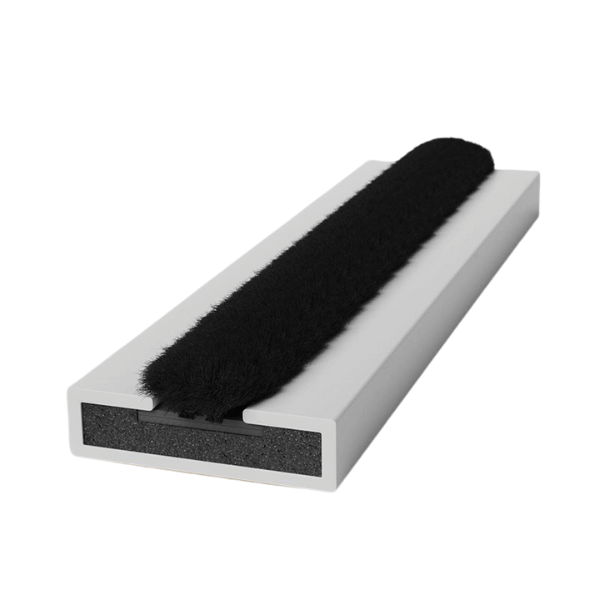
FS1504/WH
Pyroplex Fire & Smoke Seal Intumescent Strip, Brush, 15mm x 4mm x 2.1m, White
£2.59 Inc. VAT£2.16 Exc. VAT
7614 in stock Certifire Approved
FD30
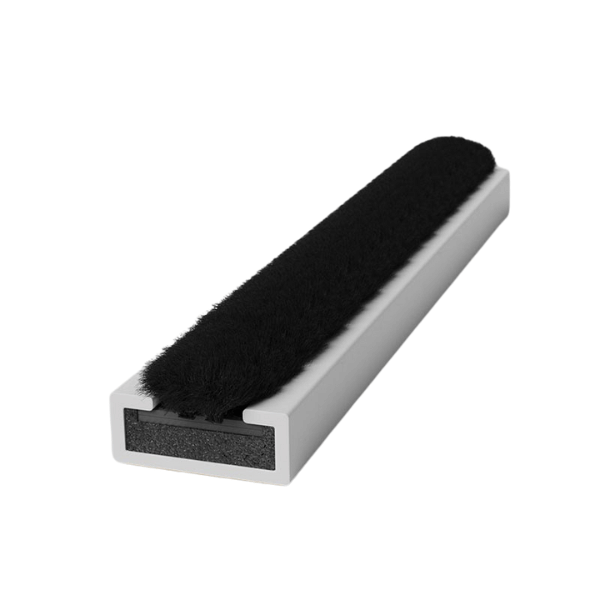
FS1004/WH
Pyroplex Fire & Smoke Seal Intumescent Strip, Brush, 10mm x 4mm x 2.1m, White
£1.91 Inc. VAT£1.59 Exc. VAT
26991 in stock Certifire Approved
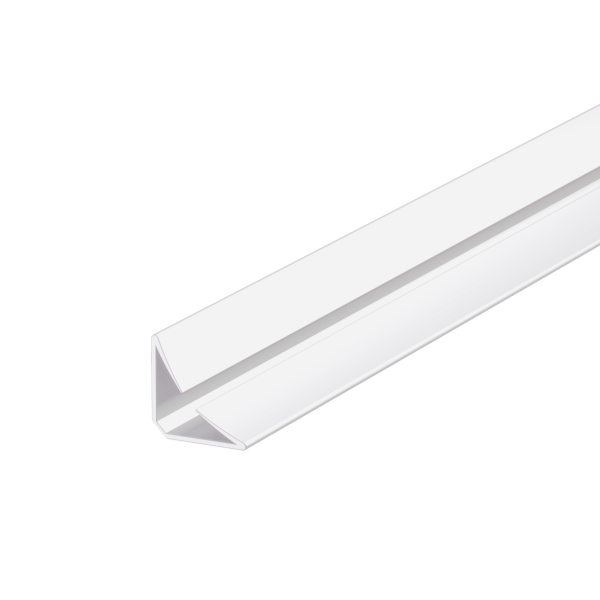
IS1010/WH
Lorient LAS1010 Batwing Acoustic & Smoke Seal – 10mm x 10mm – White
£6.44 Inc. VAT£5.37 Exc. VAT
2008 in stock Certifire Approved
FD30
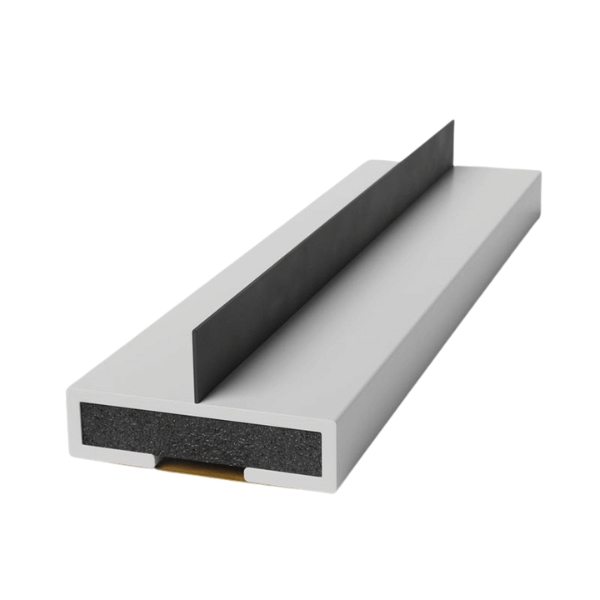
FS1504/F/WH
Pyroplex Fire & Smoke Seal Intumescent Strip, Single Fin, 15mm x 4mm x 2.1m, White
£2.69 Inc. VAT£2.24 Exc. VAT
10440 in stock Certifire Approved
FD30
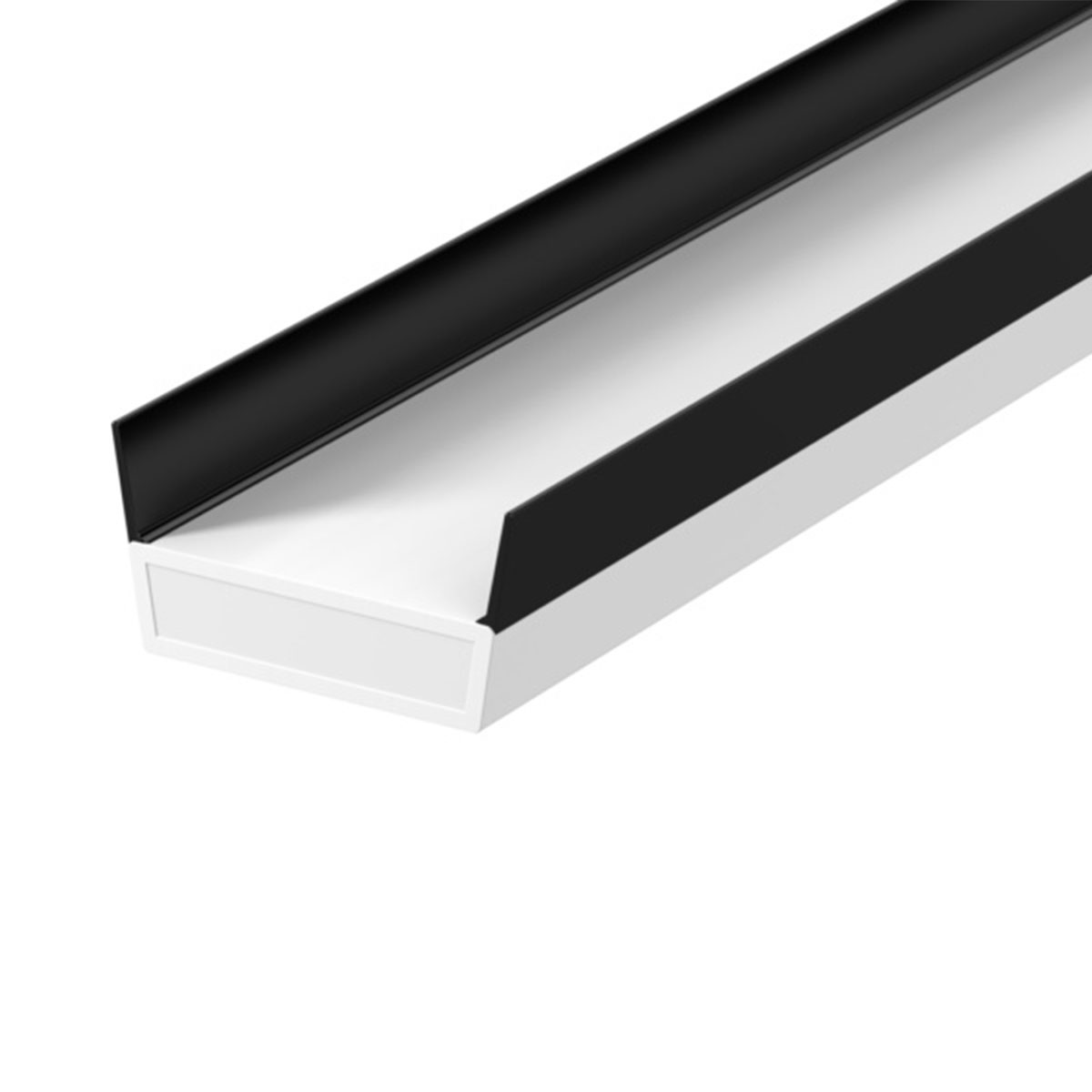
LP1504DS/WH
Lorient DS (Side Twin Fin) Acoustic Fire & Smoke Intumescent Strip 15x4mm White
£4.78 Inc. VAT£3.98 Exc. VAT
3236 in stock Bulk Buy
Certifire Approved
FD30
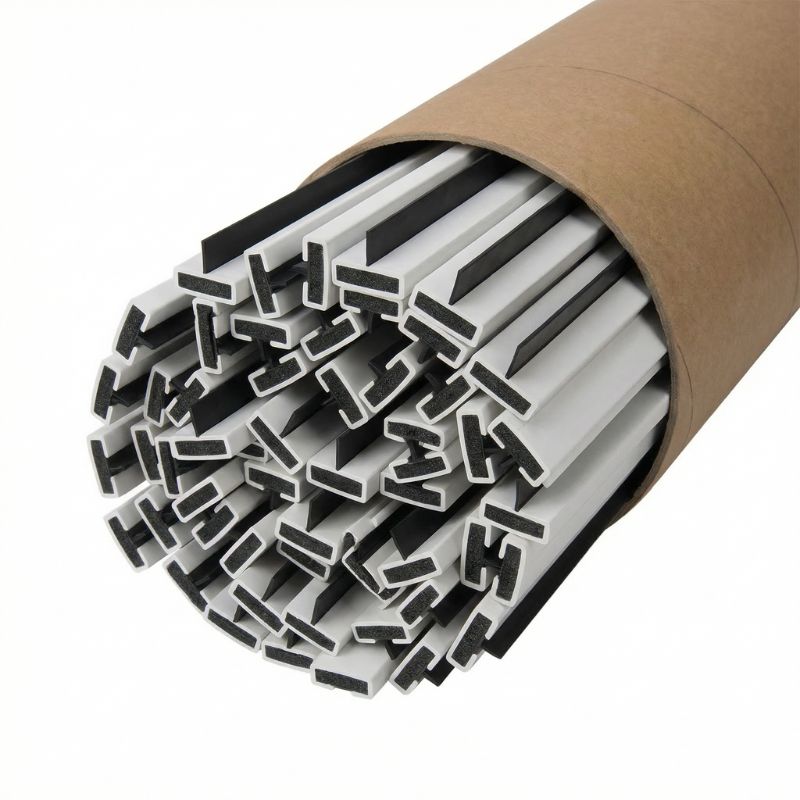
FS1504/F/WH - Bulk Pack 50
Pyroplex Fire & Smoke Seal Intumescent Strip, Single Fin, 15mm x 4mm x 2.1m, White (Pack of 50)
£120.78 Inc. VAT£100.65 Exc. VAT
208 in stock Certifire Approved
FD60
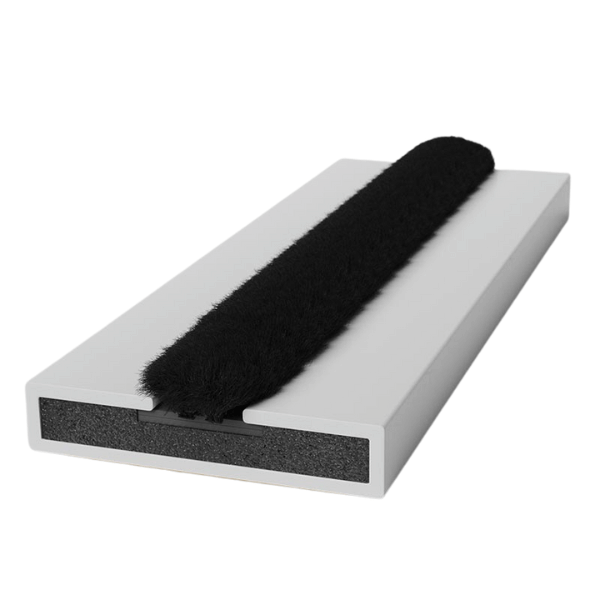
FS2004/WH
Pyroplex Fire & Smoke Seal Intumescent Strip, Brush, 20mm x 4mm x 2.1m, White
£3.59 Inc. VAT£2.99 Exc. VAT
1452 in stock Bulk Buy
Certifire Approved
FD30
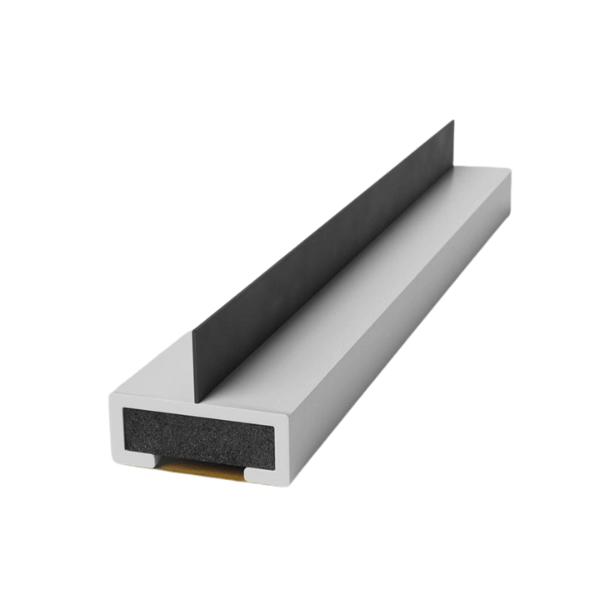
FS1004/F/WH - Bulk Pack 50
Pyroplex Fire & Smoke Seal Intumescent Strip, Single Fin, 10mm x 4mm x 2.1m, White (Pack of 50)
£93.00 Inc. VAT£77.50 Exc. VAT
116 in stock Certifire Approved
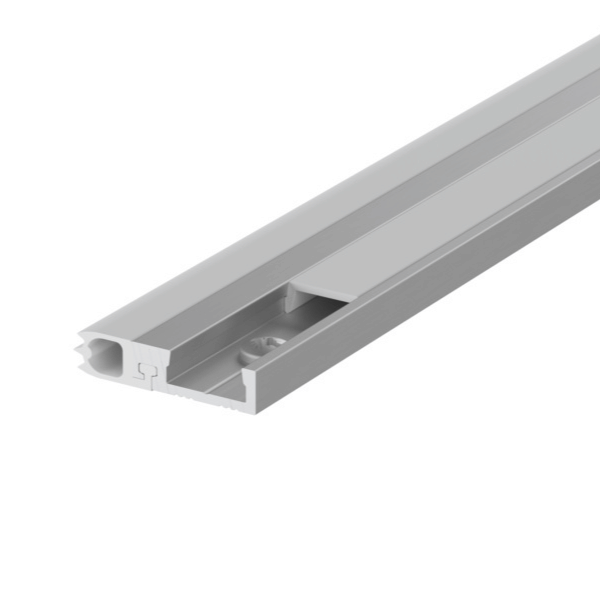
LAS7001
Lorient LAS7001si Perimeter Smoke Seal 2.1m
£31.27 Inc. VAT£26.06 Exc. VAT
782 in stock Certifire Approved
FD30
FS1004/F/WH
Pyroplex Fire & Smoke Seal Intumescent Strip, Single Fin, 10mm x 4mm x 2.1m, White
£1.96 Inc. VAT£1.63 Exc. VAT
5815 in stock Certifire Approved
IS1212/WH
Lorient LAS1212 Batwing Acoustic and Smoke Seal - 12mm x 12mm - White
£5.70 Inc. VAT£4.75 Exc. VAT
2145 in stock Certifire Approved
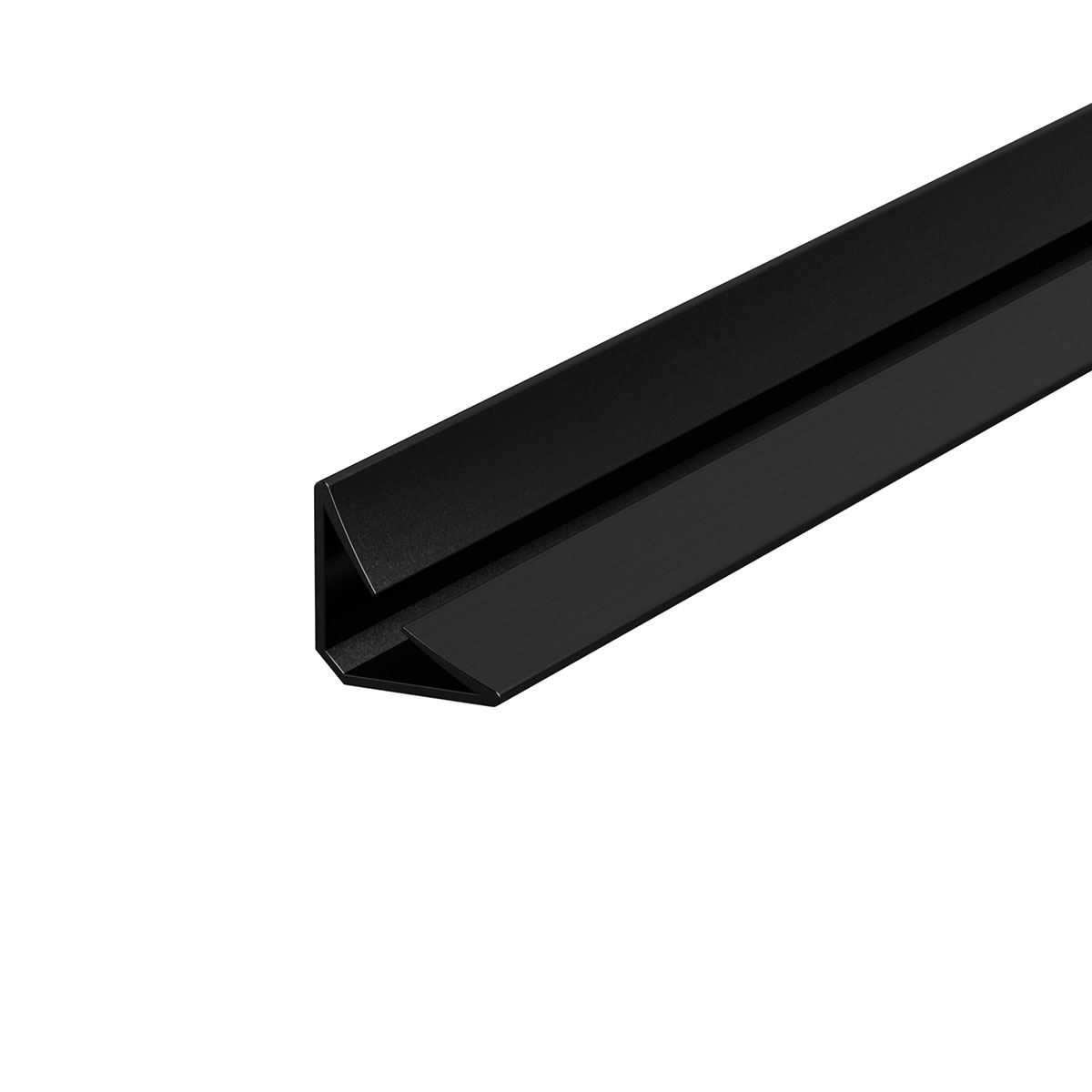
IS1010/BLK
Lorient LAS1010 Batwing Acoustic & Smoke Seal - 10mm x 10mm - Black
£6.44 Inc. VAT£5.37 Exc. VAT
1229 in stock Certifire Approved
FD30

FS1504/BK
Pyroplex Fire & Smoke Seal Intumescent Strip, Brush, 15mm x 4mm x 2.1m, Black
£2.59 Inc. VAT£2.16 Exc. VAT
1644 in stock Our Brands
























Why should I have smoke seals in doors?
If there is a fire, smoke travels much quicker than the flames themselves. Without smoke seals, smoke can spread rapidly from room to room, undermining fire compartmentation. Most fire-related deaths are caused by smoke inhalation, as smoke can cause people to lose consciousness and be unable to escape a building — making smoke seals a critical element of any fire safety strategy.
What is the difference between a smoke seal and an intumescent seal?
An intumescent strip expands when exposed to heat, blocking the gap between the door and its frame to stop fire spreading. A smoke seal blocks that same gap to prevent cold smoke escaping — it does not protect against fire itself.
Intumescent strips and smoke seals can be used together or separately. Combined seals are used where both fire and smoke containment are required. Fire-only intumescent strips are used where smoke containment is not needed, and a smoke seal can be used on its own for draught and noise exclusion.
Types of smoke seals
- Brush seals — flexible bristle strips ideal for uneven gaps and sliding doors.
- Fin seals — rubber or silicone blades that flex against the door face for a tight seal.
- Acoustic smoke seals — designed to reduce sound transmission as well as block smoke.
- Rebated smoke seals — fitted into a routed groove in the door or frame edge, giving a concealed finish.
- Surface-mounted smoke seals — applied directly to the door edge or frame face without routing, making them ideal for retrofit projects.
How to install smoke seals
Smoke seals are typically fitted to the door edge, frame rebate or threshold, depending on the product type. Most door assemblies are designed around a 3–4mm perimeter gap between door and frame, and the seal is selected to suit this tolerance. Rebated seals sit flush inside a machined groove — usually installed at manufacture or by a joiner — while surface-mounted seals can be fitted on site with pins or adhesive backing, making them well suited to refurbishment work. Correct installation is essential to maintain the certified performance of the door assembly.
Compliance and standards
Smoke seals help buildings meet the requirements of Approved Document B of the Building Regulations, which governs fire safety in England and Wales, including provisions for smoke control at door openings. Performance is typically verified to BS EN 1634-3, the smoke and leakage test standard for door assemblies, which measures resistance to ambient and medium-temperature smoke. Specifying seals tested to this standard ensures door assemblies perform as intended in a fire scenario.
How we can help
At FireSealsDirect, we have a range of high-quality smoke seals available in several sizes and colours from Lorient and Pyroplex. Our team has extensive experience in fire stopping and smoke control specification across the construction industry, and we work closely with contractors, specifiers and facilities managers to select the right products for new build and refurbishment projects.
Take a look at our blog to find out how to soundproof a door or learn more about what a smoke seal is. Visit our Advice Centre for the latest updates on regulations, specifications and fire-stopping news, or call our Technical Helpline for free, impartial advice on selecting seals for your project.
Read MoreRead Less
Subscribe to our newsletter
Subscribe now to receive the latest fire safety news, promotions & product releases straight to your inbox.