
72 items
Filter
Filter
Certifire Approved
FD30
FD60

EE19V2
Eclipse 73 Series Door Closer
£16.87 Inc. VAT£14.06 Exc. VAT
 366 in stock
Certifire Approved
FD120

FDH28839
Eclipse 83 Series Overhead Door Closer - EN 2-4, Rack & Pinion, Satin Nickel Plate
£34.91 Inc. VAT£29.09 Exc. VAT
157 in stock Bestseller
FD30
FD60

EE37SE
Rutland TS3204 Door Closer with Cover - Silver
£45.61 Inc. VAT£38.01 Exc. VAT
242 in stock Certifire Approved
FD30
FD60

FDHGTS4000SE
GEZE TS4000 E Electromagnetic Door Closer EN 1-6 - Silver
£218.62 Inc. VAT£182.18 Exc. VAT
69 in stock Certifire Approved
FD30
FD60

FDHGTS4000S
GEZE TS4000S Door Closer EN 2-6 - Silver
£128.09 Inc. VAT£106.74 Exc. VAT
4 in stock Certifire Approved
FD30
FD60

FDHGTS2000NV
GEZE TS2000 NV Door Closer EN 2-4 - Silver
£65.76 Inc. VAT£54.80 Exc. VAT
78 in stock Certifire Approved
FD30
FD60
Sale

EE52SE
Rutland ITS11204.2.5 Concealed Cam Action Door Closer - Silver
£149.82 Inc. VAT£124.85 Exc. VAT£131.26 Inc. VAT£109.38 Exc. VAT
11 in stock 
AE16FP
Dorgard Auto Release Fire Door Retainer Floor Plate
£5.95 Inc. VAT£4.96 Exc. VAT
55 in stock Certifire Approved
FD120

EE19A
Eclipse 73 Series Door Closer with Cover - Size 3, Silver
£20.81 Inc. VAT£17.34 Exc. VAT
350 in stock Bestseller
FD30
FD60

EE37PVD
Rutland TS3204 Door Closer with Cover - Polished Brass
£51.37 Inc. VAT£42.81 Exc. VAT
92 in stock Bestseller
FD30
FD60

EE21
Rutland TS5204 Door Closer with Cover - Silver
£59.72 Inc. VAT£49.77 Exc. VAT
202 in stock Certifire Approved
FD120
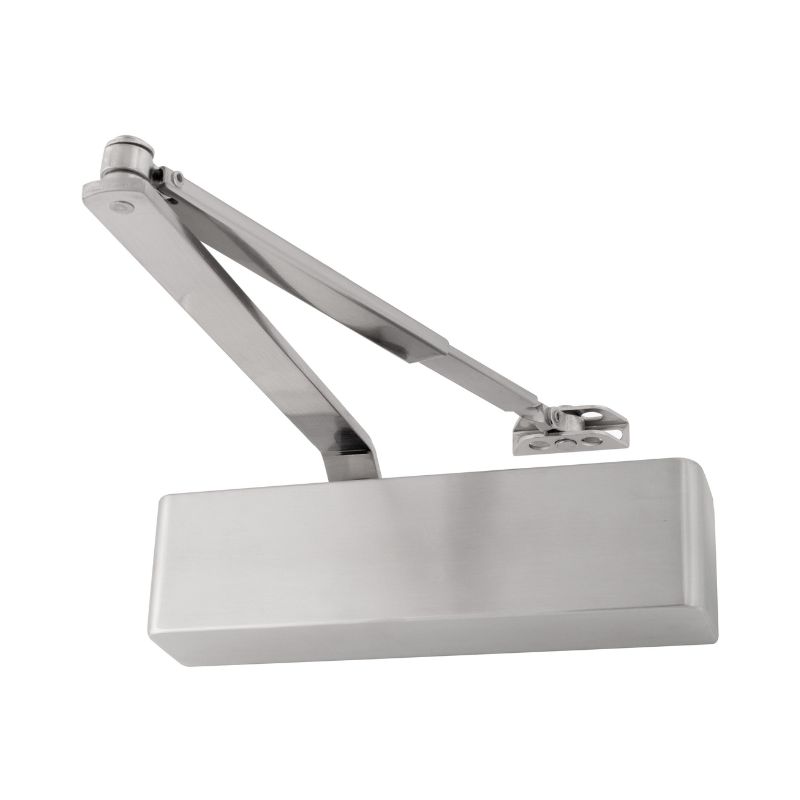
ECDC002
Eclipse 93 Series Overhead Door Closer with Delayed Action & Backcheck - Size 2-4, Satin Nickel
£40.57 Inc. VAT£33.81 Exc. VAT
3 in stock Certifire Approved
FD30
FD60

EEX9870
Exidor 9870 Electromagnetic Door Closer - Silver
£192.94 Inc. VAT£160.78 Exc. VAT
122 in stock Certifire Approved
FD120
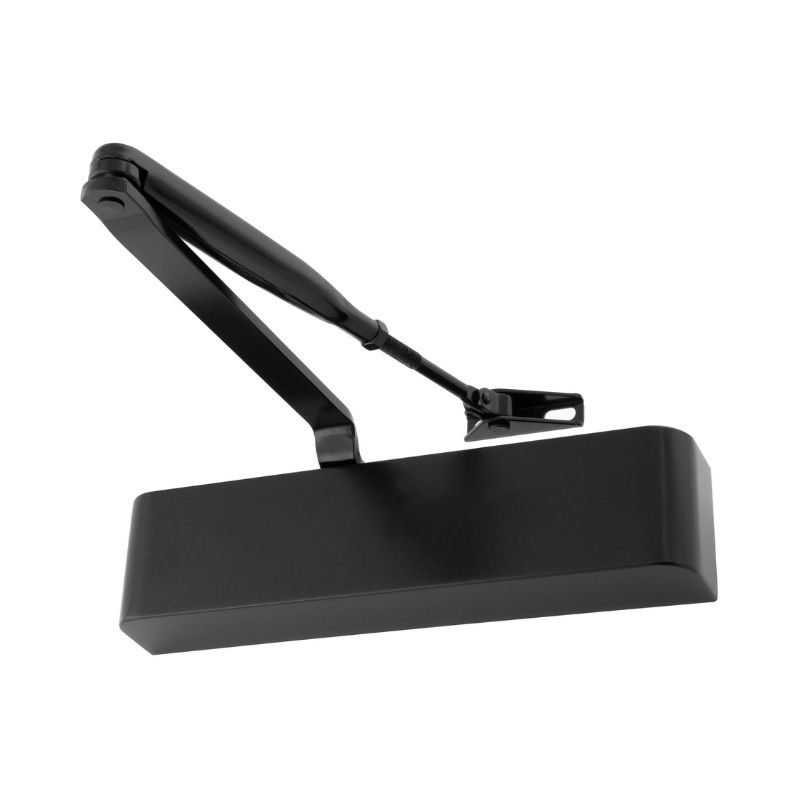
FDH28837
Eclipse 83 Series Overhead Door Closer - EN 2-4, Rack & Pinion, Matt Black
£31.02 Inc. VAT£25.85 Exc. VAT
146 in stock Certifire Approved
FD30
FD60
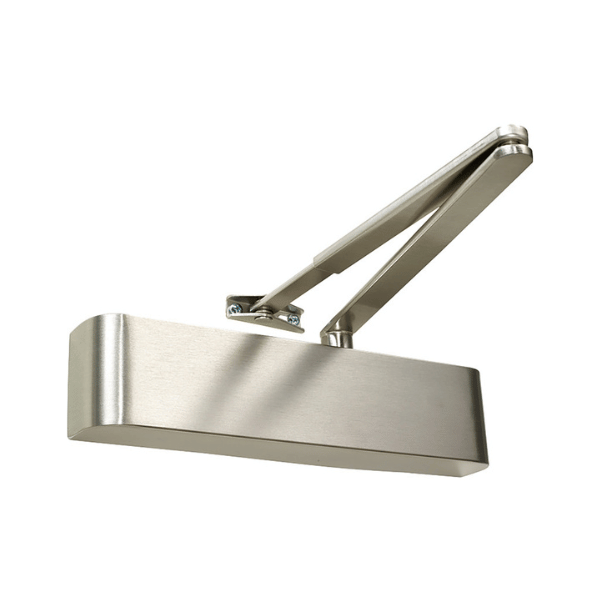
EE21SNP
Rutland TS5204 Door Closer with Cover - Satin Nickel
£62.89 Inc. VAT£52.41 Exc. VAT
86 in stock Our Brands

























What Are Fire Door Closers?
Fire door closers are self-closing devices fitted to fire doors to control how the door closes after use. Available in a range of styles and specifications, they should be selected to suit the door's fire rating, frequency of use and opening/closing force requirements. As part of a complete fire door assembly, these door closers work alongside compatible hardware such as hinges, intumescent strips, drop down door seals, smoke seals and latches.
Why Are Door Closers Important for Fire Doors?
A fire door can only help restrict the spread of fire and smoke when it is fully closed. Fire door closers reduce the risk of fire doors being left open, helping to maintain compartmentation throughout a building. This is particularly important in high-traffic areas such as corridors and stairwells in schools, healthcare settings, high-rise buildings and workplaces. Like all fire door hardware, self-closing devices should be regularly inspected and maintained to ensure they continue to operate correctly.
Types of Fire Door Closers
Fire door closers are available in a range of models to suit different door types, building uses and aesthetic requirements. The right option will depend on factors such as the door specification, frequency of use, accessibility needs and installation requirements.
Overhead Door Closers
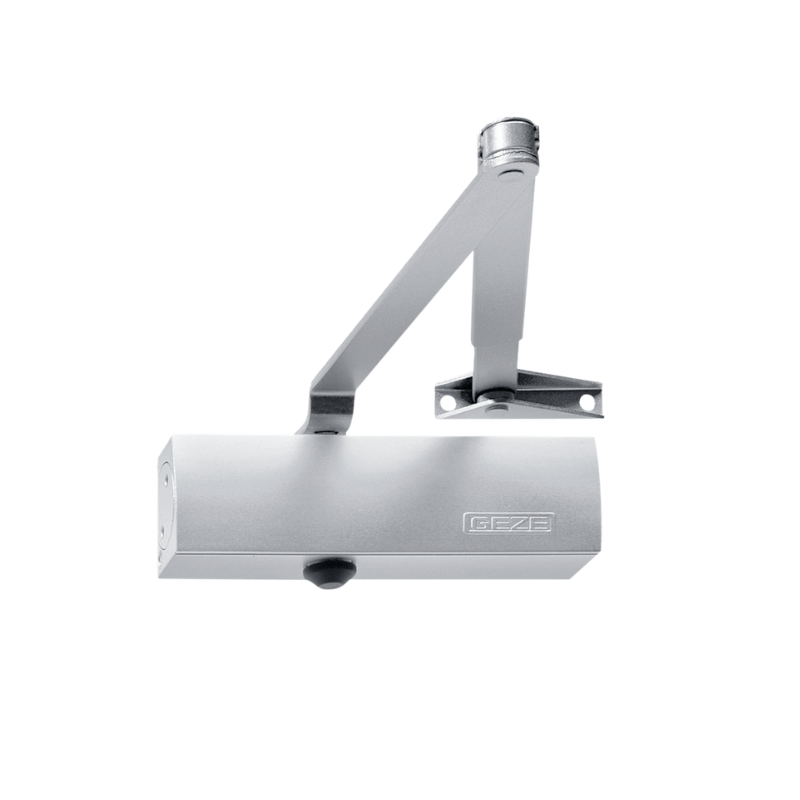
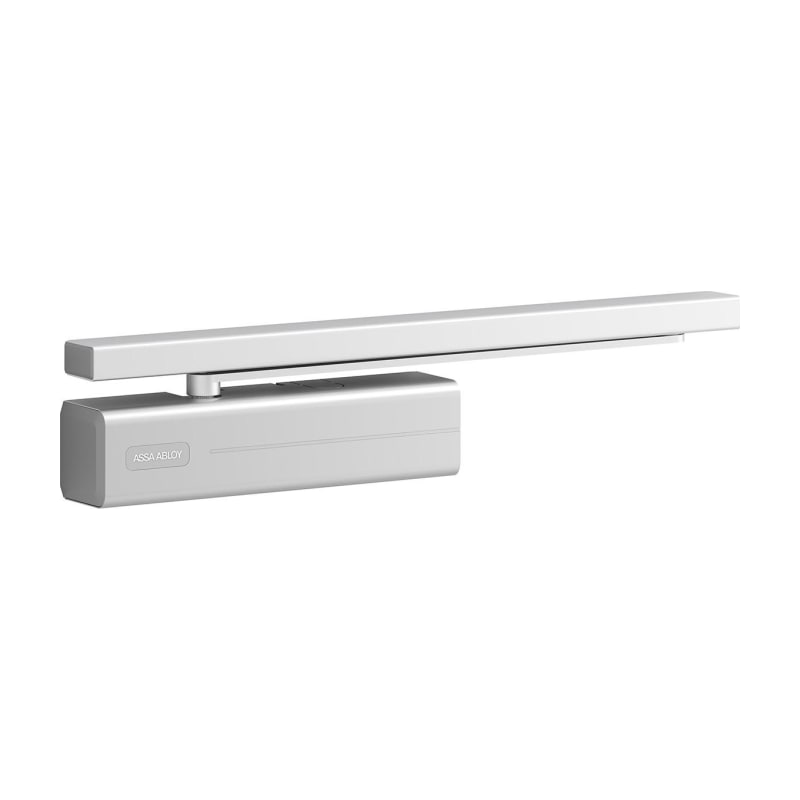
Overhead door closers are the most common type used on fire doors. They are widely used in commercial buildings, schools, offices and public spaces. Rack and pinion models offer a robust and reliable solution, while cam action closers provide smoother operation with reduced opening force, making those a popular choice where accessibility is a priority.
Concealed Door Closers
Concealed door closers are installed within the door leaf to provide a more discreet finish while still providing controlled closing performance. They are often selected for applications where aesthetics are important.
Electromagnetic and Free-Swing Door Closers
Electromagnetic and free-swing door closers allow fire doors to remain open during normal use and automatically release when activated by a fire alarm system. This makes them suitable for busy environments, such as hospitals and public buildings, where accessibility is important, while still supporting fire safety requirements.
Floor Springs
Floor springs are concealed closing devices fitted into the floor and are typically used for heavier, wider or double-action doors. They provide controlled closing while maintaining a clean, minimal appearance.
How to Choose the Right Fire Door Closer
Choosing the correct fire door closer depends on the door size, weight, fire rating, location and how frequently the door is used. For most internal fire doors, power size, certification, and compatibility with the door assembly are key considerations.
Door Closer Power Size Explained
All door closers have a power size, which refers to the closing force applied by the closer during operation.
Fixed power closers are set to power size 3, which is the minimum power size required for fire doors. A fire door closer size 3 is suitable for many standard internal fire door applications.
Adjustable door closers can be set to different power sizes, with some models offering adjustment up to power size 6. This allows the closer to be configured to suit a wider range of door weights and widths while maintaining controlled closing performance.
Fire Ratings: FD30, FD60 and FD120 Door Closers
Fire ratings such as FD30, FD60 and FD120 indicate the period of fire resistance associated with a fire door specification. When choosing a closer, it is important to select a product that is suitable for the fire-rated door assembly.
Fire Door Closer Features to Consider
Adjustable Closing Speed
Closing speed controls how quickly the door moves from the open position towards the closed position. Adjustable fire door closers allow installers to alter the closing force to suit different door sizes and weights.
Latching Action
Latching action controls the final stage of closing, helping the door close firmly into the latch position.
Backcheck
Backcheck helps control the door when it is opened forcefully, reducing the risk of damage to the door, closer or surrounding areas.
Delayed Action
Delayed action keeps the fire door open for longer before closing begins, allowing additional time for users using wheelchairs, pushchairs or carrying heavy items to pass through the doorway.
Hold-Open and Electromagnetic Release
Hold-open features allow fire doors to remain open during normal use. When used on fire doors, these systems should be suitable for fire safety applications and, where required, connected to a fire alarm system to allow automatic release.
Fire Door Closers for Commercial and Residential Buildings
Fire door closers are used across commercial, public and residential buildings where fire doors need to close reliably after use. In high-traffic areas, the correct closer can help balance fire safety, accessibility and everyday usability.
Fire Door Closers and Fire Compartmentation
Fire compartmentation is designed to divide a building into areas that help restrict the spread of fire and smoke. Fire doors form an important part of these compartments, but they can only perform effectively when they are closed correctly.
Door closers help ensure fire doors return to the closed position after use, supporting fire and smoke control and helping maintain protected escape routes, corridors and communal areas.
Related Fire Door Hardware and Seals
Fire door closers form part of a wider passive fire protection system, working alongside fire door hardware, seals and door frames to support compliance with building regulations and fire safety requirements.
Fire Door Closer Advice and Guides
For further advice on selecting, installing and maintaining door closers, explore our range of helpful fire door closer guides.
Learn more about the different types of door closers, discover how to adjust a door closer for smooth and controlled operation, and understand the 4 door closer control zones and how they affect closer performance.
Browse Fire Door Closers
Whether you are upgrading existing fire door hardware or specifying products for a new installation, our range of fire door closers for all types of environments. Choose from overhead, concealed and electromagnetic options from leading manufacturers.
FAQs
What is a fire door closer?
A fire door closer is a device that controls the closing of a fire door, helping it return to the closed position after use.
What power size door closer do I need?
Power size depends on the door width and weight. Larger, heavier doors generally require a higher power size closer.
What do FD30, FD60 and FD120 mean?
FD30, FD60 and FD120 refer to the fire resistance rating of a fire door specification, indicating the level of protection provided in minutes.
Can fire door closers be held open?
Yes, some fire door closers can hold doors open using suitable hold-open systems, such as electromagnetic release devices linked to a fire alarm system.
What is an electromagnetic fire door closer?
An electromagnetic fire door closer allows a fire door to remain open during normal use and releases it to close when triggered by a fire alarm system.
How do I adjust a fire door closer?
Fire door closers can usually be adjusted for settings such as closing speed and latching action. Always follow the manufacturer’s instructions.
How often should fire door closers be checked?
Fire door closers should be checked regularly as part of fire door inspections and routine maintenance to ensure they operate correctly.
Read MoreRead Less
Subscribe to our newsletter
Subscribe now to receive the latest fire safety news, promotions & product releases straight to your inbox.