



How Long Does A Fire Door Last?
Understanding how long fire doors last in these two areas—durability and protection—is key to ensuring optimal fire safety. Find out more.

Written by Rebecca
10th September 2024
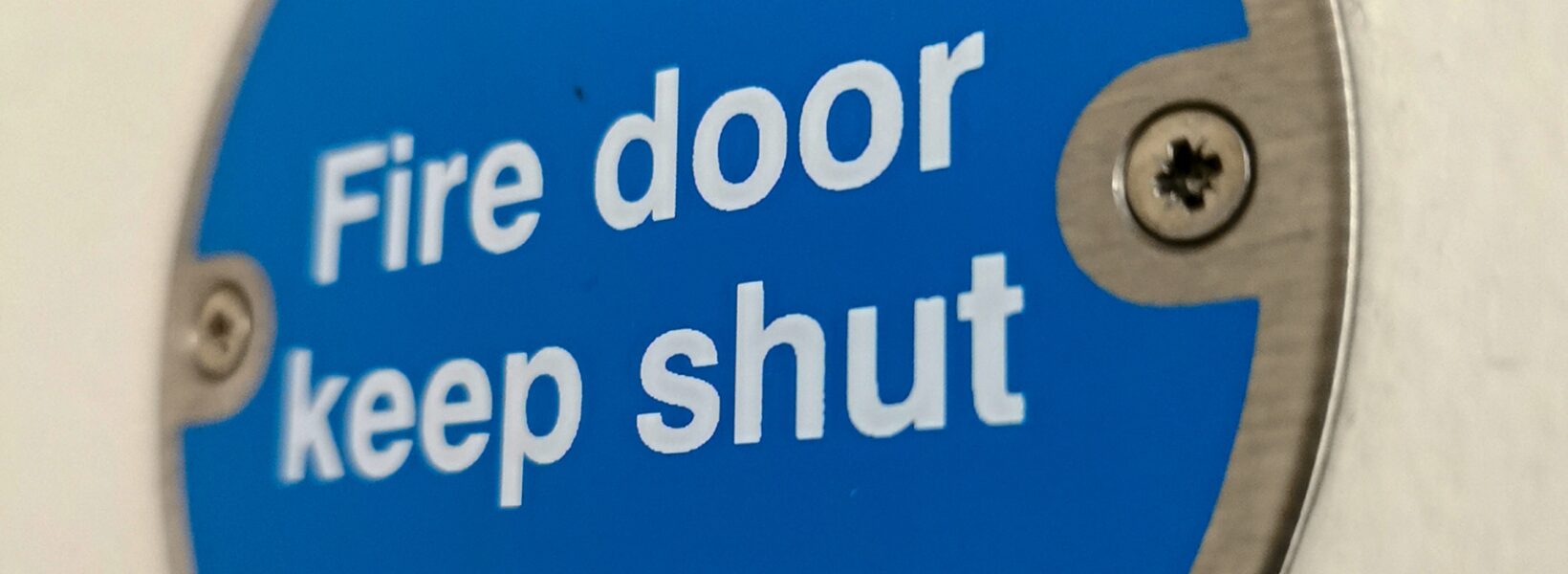
Fire doors are an essential element of fire safety in any building. They are designed to stop the spread of fire and smoke, giving occupants more time to evacuate and reduce the risk of extensive property damage.
However, fire doors have limits in terms of both their physical durability and their ability to resist fire and smoke. Understanding how long fire doors last in these two areas—durability and protection—is key to ensuring optimal fire safety.
How often do fire doors last?
Fire protection doors are built to last, and with proper care and maintenance they can remain effective for decades. Most fire doors come with a warranty that ranges from 10 to 25 years, depending on the manufacturer, materials and the conditions in which the door is installed.
Internal and external fire doors, however, may have different durability expectations and warranty terms due to the environment in which they are used.
Internal fire doors
Internal fire doors are generally exposed to stable indoor conditions, such as controlled temperatures and humidity, which often results in longer-lasting performance. As a result, warranties for internal fire doors can sometimes cover a longer period, given the less harsh conditions they face.
External fire exit doors
External fire exit doors, on the other hand, are installed in locations that separate the interior of a building from the outdoors, such as fire exits or entrances. These doors are subject to more extreme environmental factors and may come with shorter warranty periods than their internal doors, due to the more challenging conditions they are exposed to, which can accelerate wear and tear.
Read our blog post to understand more about the differences between fire doors and external fire exit doors.
What factors affect the lifespan of fire doors?
The lifespan of a fire door is influenced by factors such as high-traffic wear, environmental conditions like moisture, and regular maintenance to address damage and ensure compliance with fire door regulations.
Fire door maintenance and inspection
Fire doors installed in high-traffic areas will endure more wear and tear, possibly shortening their lifespan. However, with regular inspection and maintenance, their longevity can be extended.
It is crucial that regular checks are carried out on the door for physical damages such as dents or impacts, as such issues can compromise the door’s functionality, potentially allowing fire and smoke to penetrate.
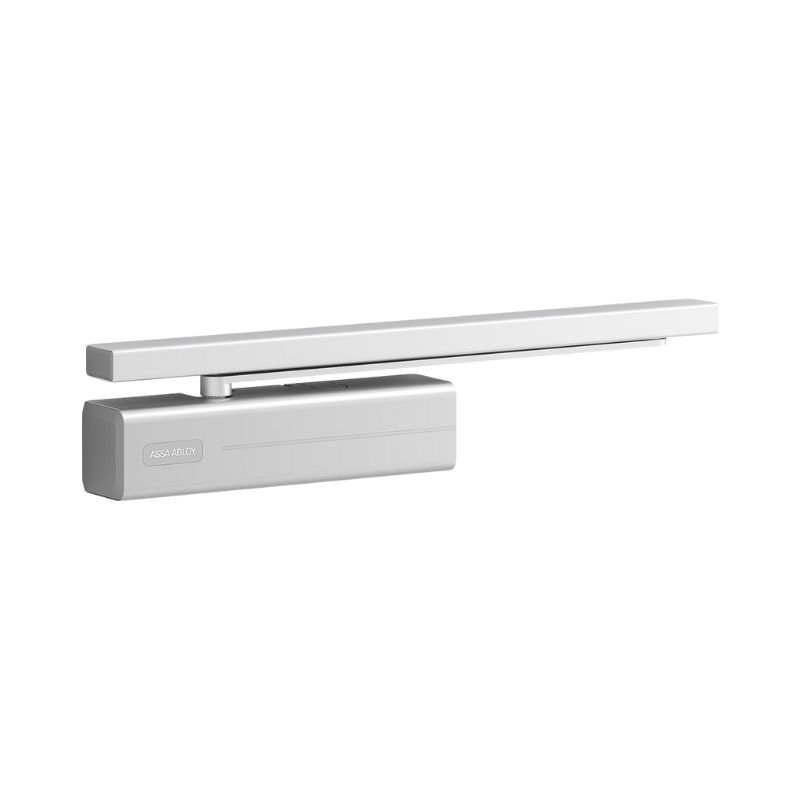
In addition to checking the door itself, it's important to inspect hardware such as hinges and seals for defects. Promptly repairing or replacing any worn components will help ensure the door functions properly.
We recommend inspecting your fire doors at least every six months as it ensures a consistent, thorough approach. To support you in this process, we offer a free, comprehensive fire door inspection checklist. This tool covers all key areas that need attention, helping you stay organised and ensuring that no aspect of your fire door maintenance is missed. Download our free fire door checklist today.
Environmental conditions
Exposure to moisture, whether from humidity, leaks, or spills, can cause wooden fire doors to swell, warp, or rot, compromising their structural integrity and fire resistance.
Given all of the above factors, a high-quality fire door can last 20 to 30 years if maintained properly. However, it's crucial to remember that they require regular checks to stay compliant with fire safety regulations.
How long will a fire door protect you?
While the physical structure of a fire door can last for decades, their ability to resist fire is limited to specific timeframes, as specified by its fire rating.
The most common ratings for internal timber fire doors in the UK are FD30 and FD60, which indicates how long the door can withstand fire.
FD30
A fire door with an FD30 rating can resist fire for 30 minutes. These doors are commonly installed in residential settings or lower-risk areas of commercial buildings, such as small offices or houses of multiple occupancy. Their role is to provide a short window of protection, allowing occupants time to evacuate safely.
FD60
Fire doors with an FD60 rating offer up to 60 minutes of protection and are more frequently installed in larger, higher-risk environments, such as hospitals, schools, or high-rise buildings. The extended resistance time is critical in these settings, where the potential for fire spread is higher and evacuation may take longer.
It’s essential to note that these fire ratings are contingent on proper installation and maintenance. A damaged seal or improper fitting can drastically reduce the door’s effectiveness, undermining the protective measures they are designed to provide.
Fire door regulations
In the UK, fire doors are regulated by the Building Regulations and the Regulatory Reform (Fire Safety) Order 2005, which outline the required level of protection for flats and houses of multiple occupancy (HMOs).
For buildings exceeding 4.5 metres in height, fire doors are required to offer a minimum of 30 minutes of fire protection between individual flats and communal areas. However, to enhance safety, it is recommended that these doors ideally provide 60 minutes of protection.
In buildings that are taller than 18 metres, the regulations stipulate that fire doors must ensure at least 60 minutes of fire resistance.
Looking for more information on fire door protection? FireSealsDirect can help
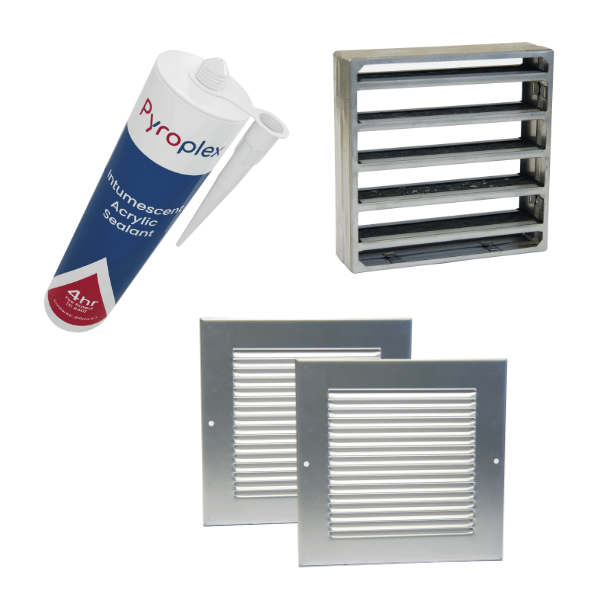
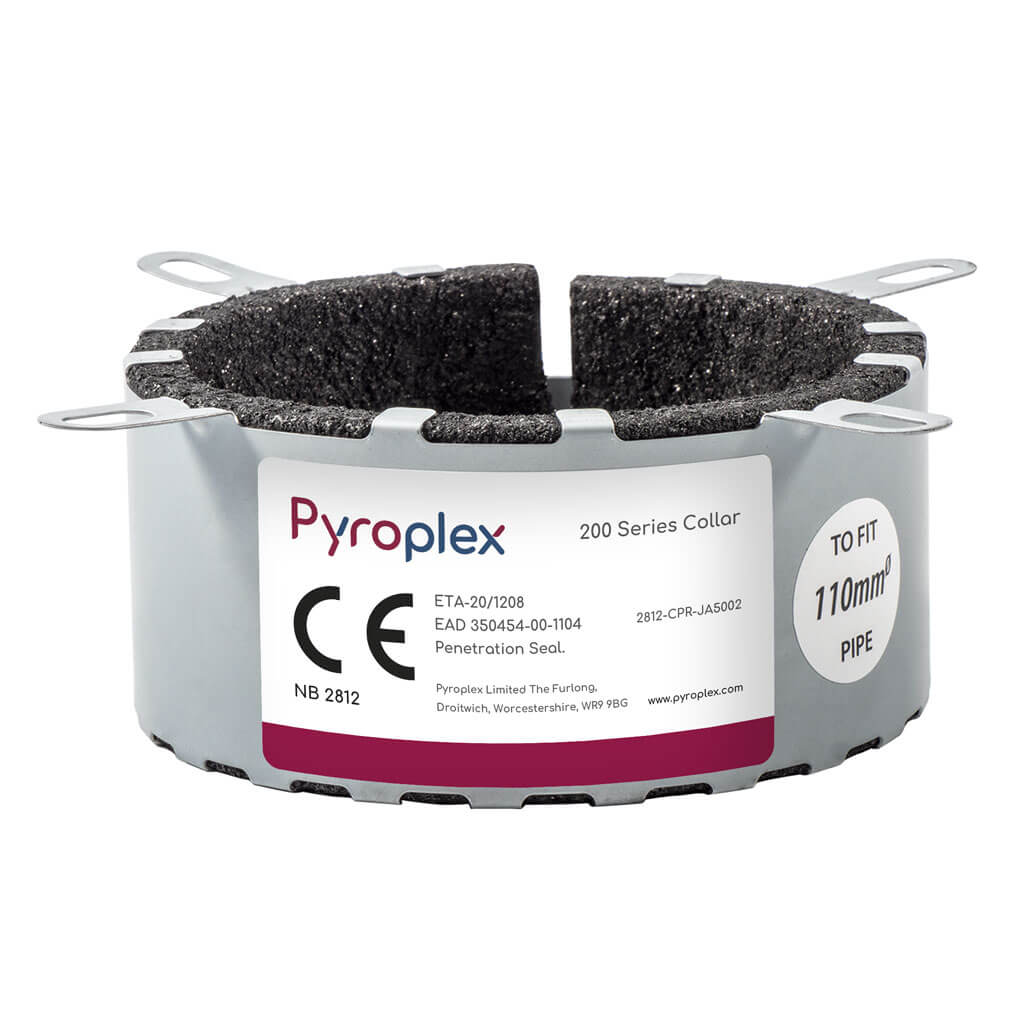
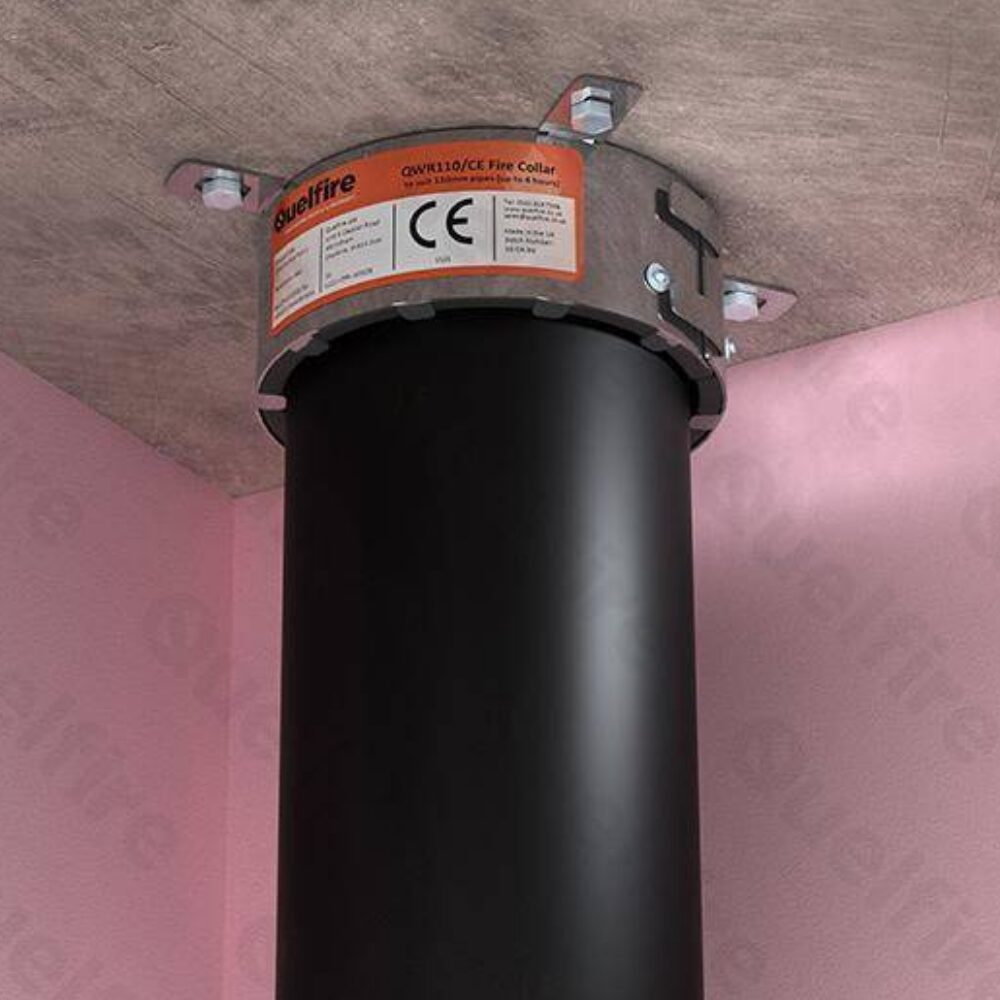
We are a fire safety business with family beginnings and 50 years of fire safety experience, selling a vast portfolio of passive fire protection products including fire-rated ironmongery from well-known and trusted brands to the trade.
Our expert customer care team are on hand to help with any queries you may have about fire doors or our range of products. You can reach out via our live chat feature or email us at [email protected].
Related Articles

Introducing the new FireSealsDirect website: Designed with the Trade in Mind
Explore the features of our new website, created with an intuitive interface...
Read more

Top Summer Fire Culprits: BBQs & Cooking Appliances
In the warmer months, dwelling fires reach a natural peak. Discover the...
Read more
Find The Best Rebated Drop Down Seal For Your Needs
Learn more about rebated drop down seals, their key features and benefits,...
Read more