Fire doors play a pivotal role in containing fire and smoke, while fire exit doors are vital for providing a safe and efficient evacuation. Despite their critical roles, these terms are often used interchangeably, yet they serve distinct functions.
In this blog, we will explore the key differences between internal fire doors and fire exit doors, offering a comprehensive understanding of their purpose and features.
What is Fire Door?
Purpose and Function
Fire doors are installed inside buildings and are designed to contain fire and smoke within a designated area for a specified duration.
Their primary purpose is to prevent the spread of fire and smoke from one section of a building to another, ensuring safe evacuation for occupants and protecting the building structure until firefighters can manage the blaze.
Construction and Materials
Fire doors are constructed from materials that can withstand high temperatures, most commonly timber.
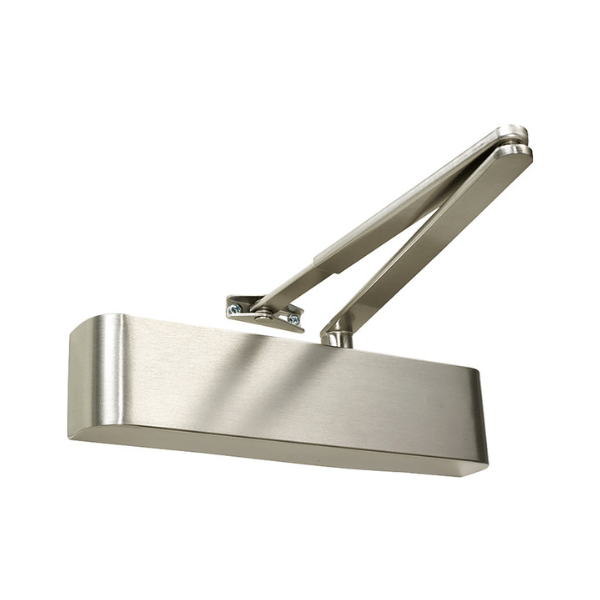
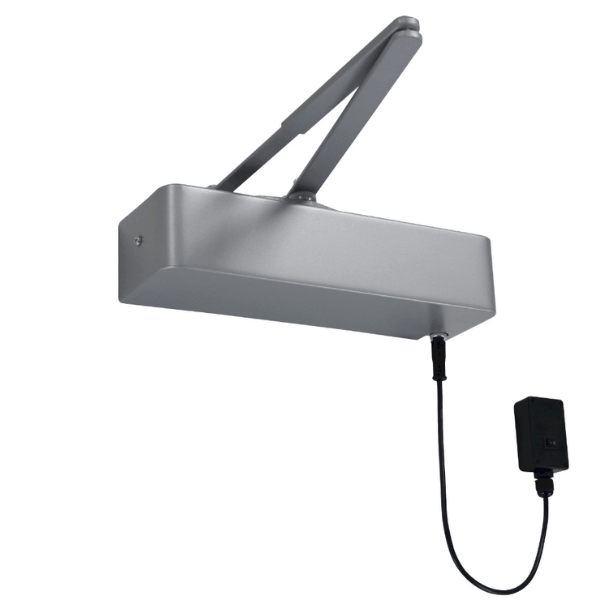
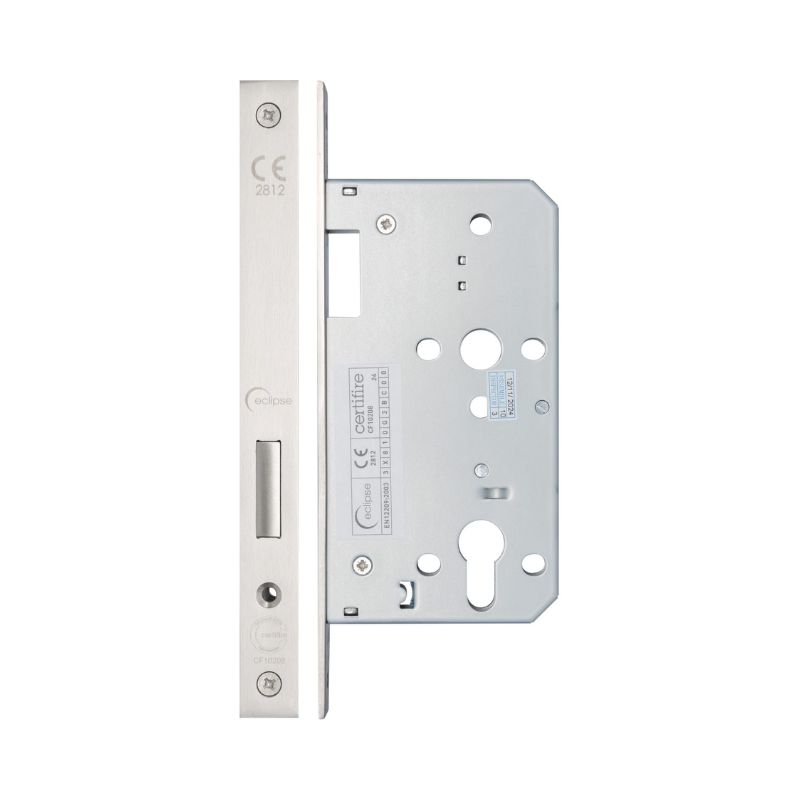
They must be equipped with fire-rated hardware, including door closers and appropriate ironmongery, to comply with fire safety regulations.
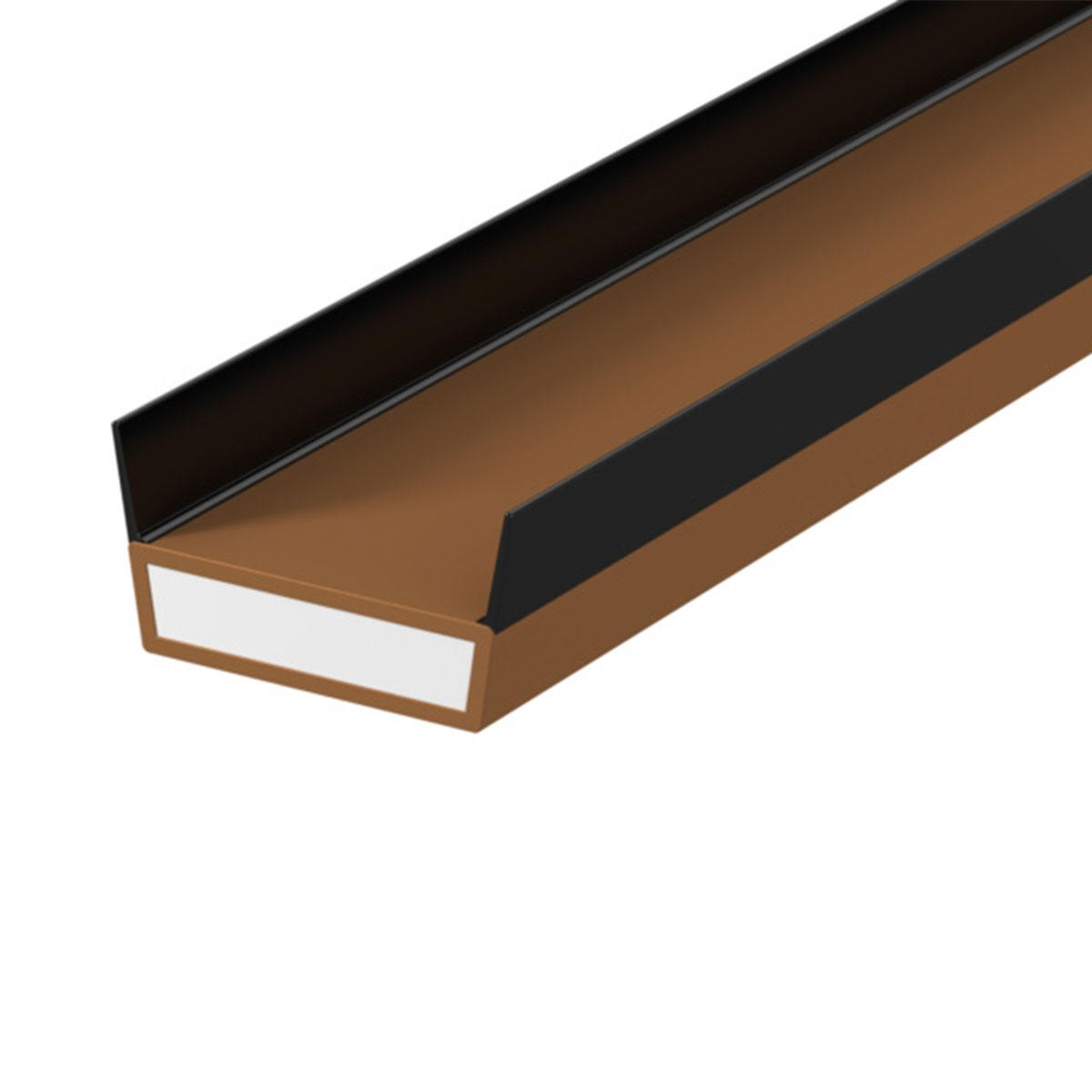
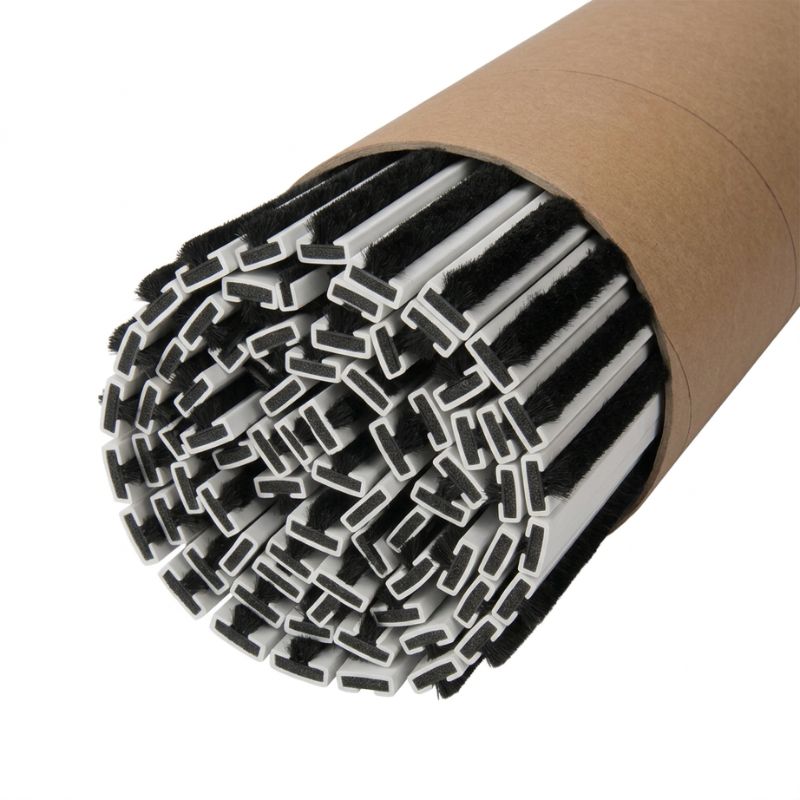
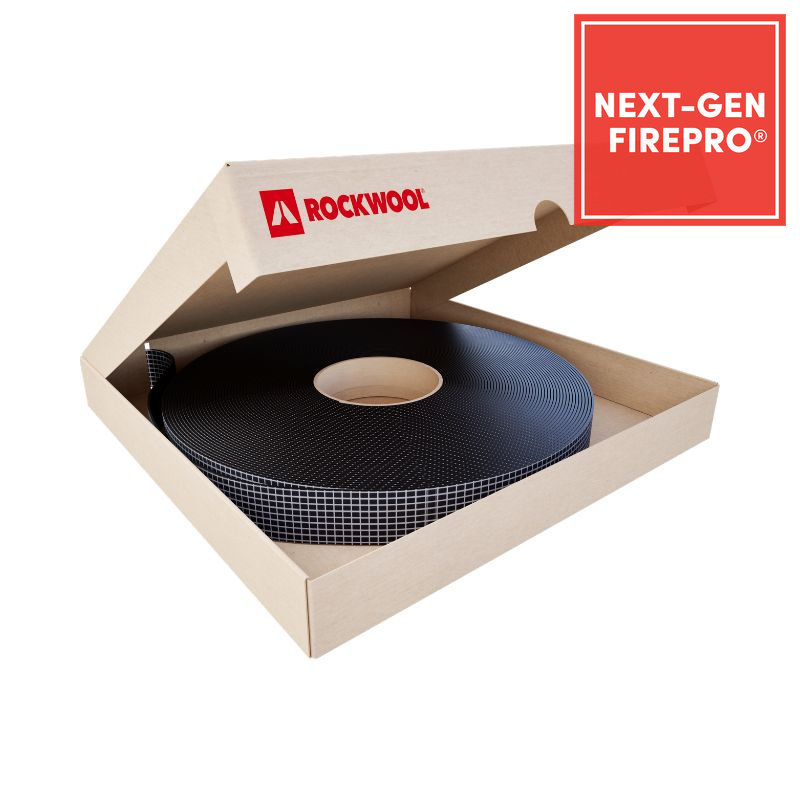
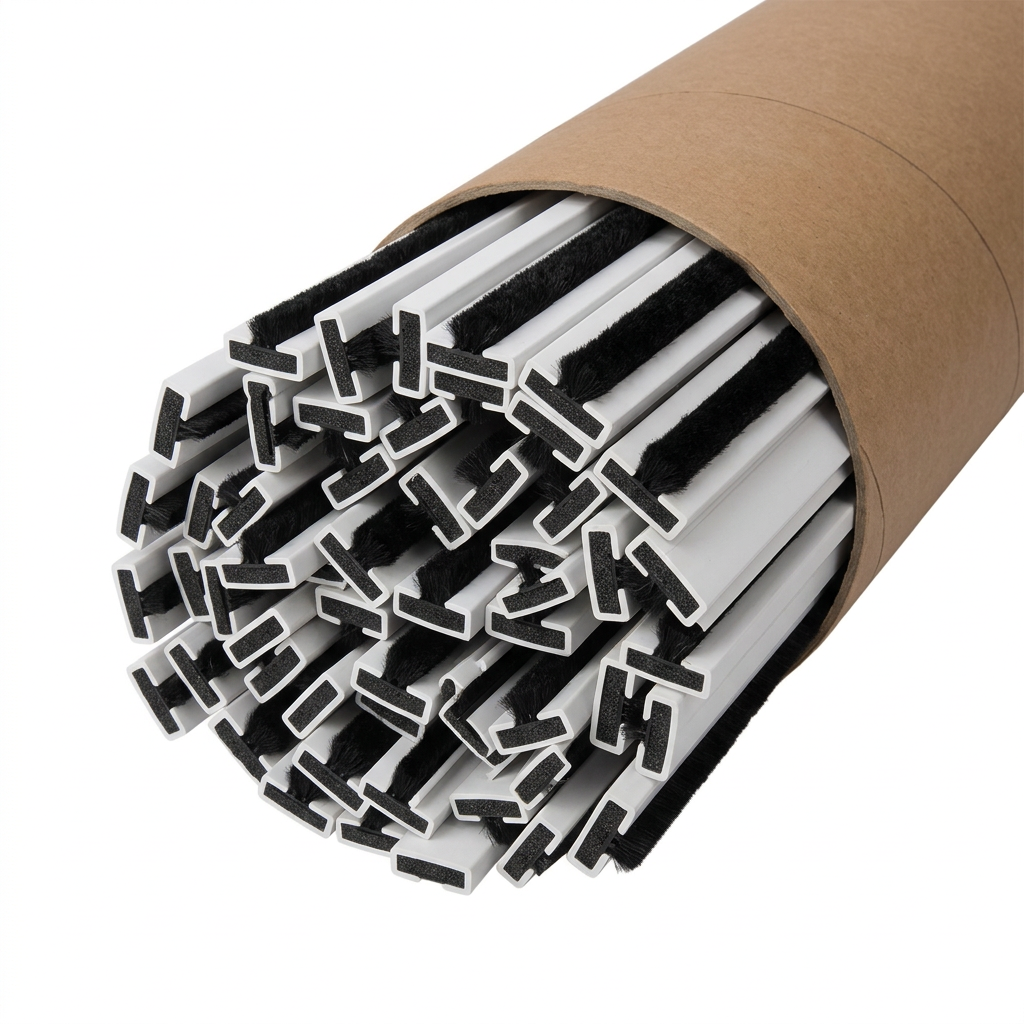
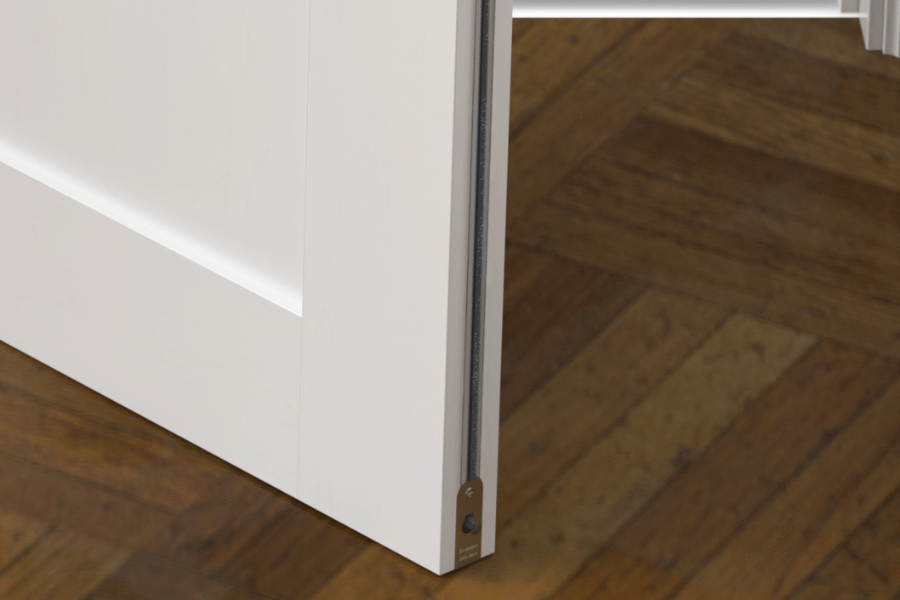
Intumescent strips are also required. These strips expand when exposed to high temperatures, sealing any gaps to prevent the spread of smoke and flames, thereby enhancing the door's ability to contain a fire.
Rating and Certification
Fire doors come with a specific fire-rating, usually ranging from 30 to 120 minutes, indicating how long they can withstand fire conditions. These ratings are certified by relevant authorities and must comply with fire safety regulations and building codes.
Find out more information on fire door regulations in the UK.
Installation and Maintenance
Proper installation and regular maintenance of fire doors is essential to ensure their effectiveness. This includes checking for any damage, ensuring seals and hardware are intact, and making sure the door closes fully without any obstructions.
What is a Fire Exit Door?
Purpose and Function
Fire exit doors, also known as emergency exit doors, are designed to provide a safe and quick exit for occupants during an emergency.
Unlike fire doors, their primary role is not to contain fire but to facilitate swift evacuation from the building.
Design and Features
Fire exit doors are typically designed to open outward to provide easy and unobstructed egress and must never be locked from the inside. Instead, they are fitted with panic hardware that enables occupants to open the door effortlessly during an emergency, even if they are in a state of panic.
Regulations and Compliance
Fire exit doors must comply with stringent regulations to ensure they function correctly during an emergency.
These regulations often dictate the door's location, size, hardware, and clear signage to guide occupants to the nearest exit.
Accessibility and Visibility
Fire exit doors should be easily accessible, clearly marked with exit signs, and must be kept clear of obstructions at all times.
Key Differences Between Fire Doors & Fire Exit Doors
Primary Function
- Fire Doors: Contain fire and smoke to specific areas to protect occupants and property.
- Fire Exit Doors: Provide a safe and quick escape for occupants during an emergency.
Construction and Materials
Regulatory Compliance
- Fire Doors: Must meet fire-resistance ratings and building codes for containment.
- Fire Exit Doors: Must adhere to regulations ensuring quick and safe evacuation.
Location and Usage
- Fire Doors: Installed within a building to compartmentalise rooms such as offices, riser cupboards and flat entrance doors in houses of multiple occupancy.
- Fire Exit Doors: Positioned at strategic points to facilitate quick exit from the building.
How we can help
At FireSealsDirect we pride ourselves in being passive fire protection experts, and supply a wide range of fire door products to help increase fire protection in buildings across the UK.
Need some help or advice? Contact our technical team at [email protected] or call us on 02920 857 959 for more information.
Alternatively you can visit our Advice Centre which contains helpful guides and information.