



133 items
Filter
Filter
Certifire Approved
FD30
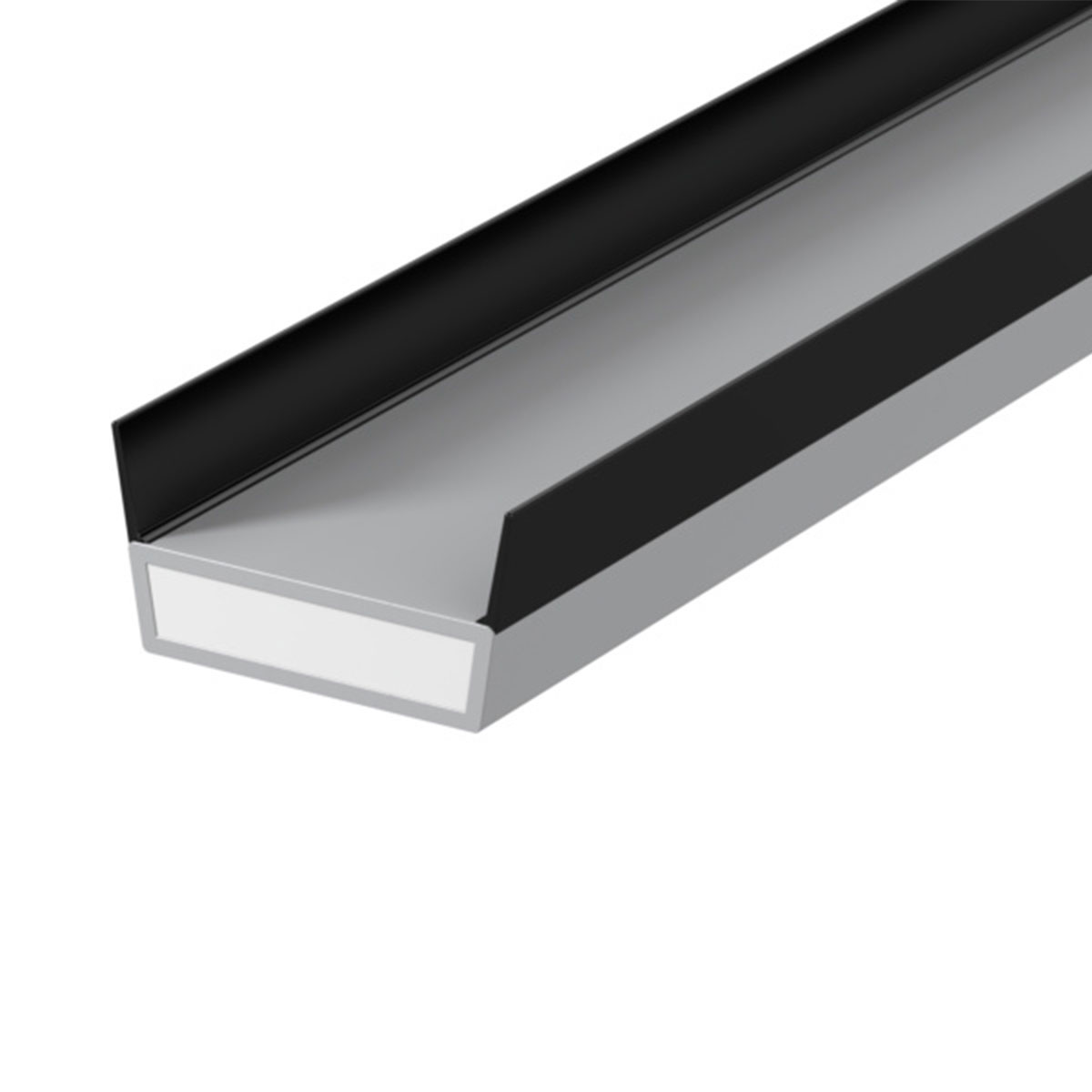
LP1504DS/GY
Lorient DS (Side Twin Fin) Acoustic Fire & Smoke Intumescent Strip 15x4mm Grey
£5.36 Inc. VAT£4.47 Exc. VAT
 178 in stock
 Certifire Approved
FD30
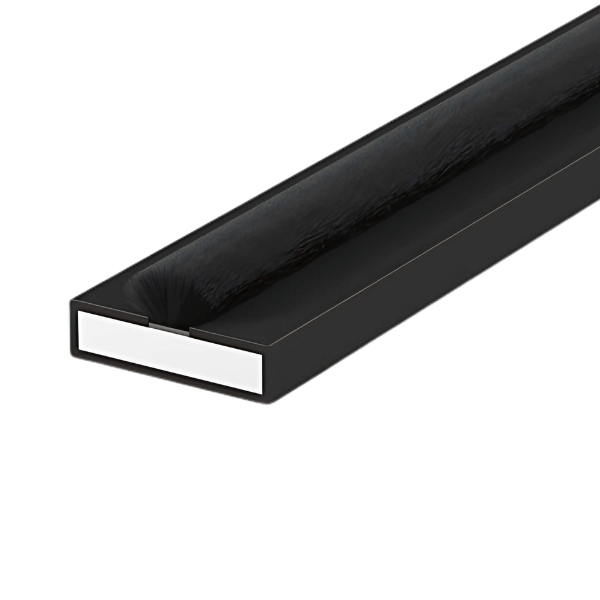
LP1504SS/BK
Lorient Fire & Smoke Seal 15x4mm Black
£3.66 Inc. VAT£3.05 Exc. VAT
20 in stock Certifire Approved
FD60
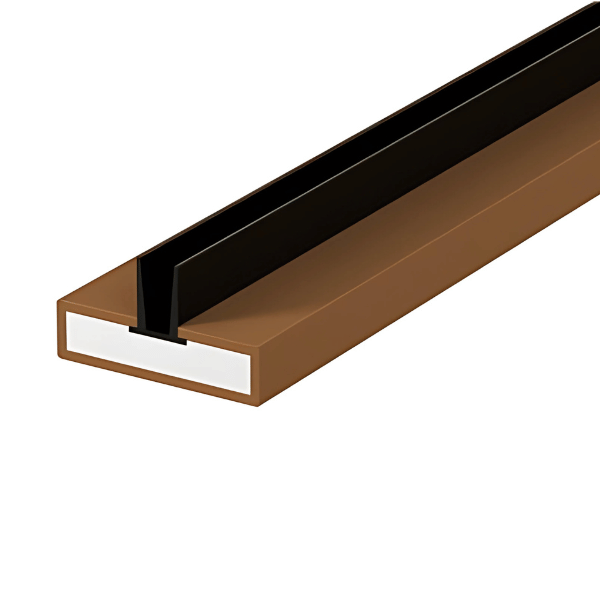
LP2004TS/BR/LIGHT
Lorient TS (Centre Twin Fin) Acoustic Fire & Smoke 20x4mm Light Brown
£9.62 Inc. VAT£8.02 Exc. VAT
215 in stock Certifire Approved
FD30
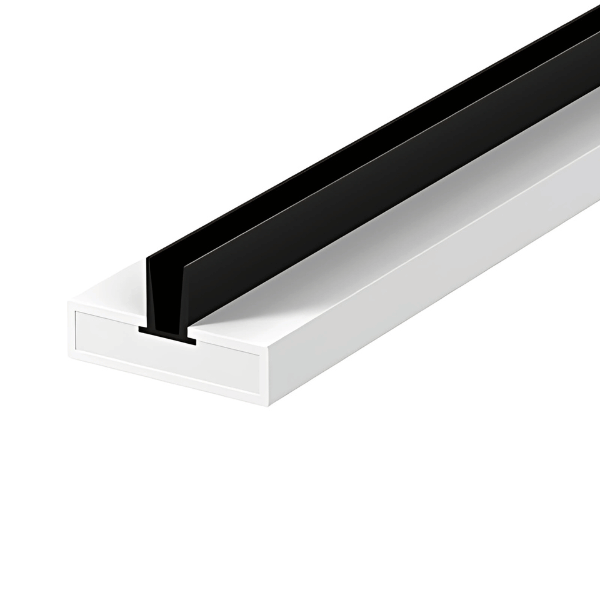
LP1004TS/WH
Lorient TS (Centre Twin Fin) Acoustic Fire & Smoke 10x4mm White
£5.33 Inc. VAT£4.44 Exc. VAT
635 in stock Certifire Approved
FD30
LP1004TS/BR/LIGHT
Lorient TS (Centre Twin Fin) Acoustic Fire & Smoke 10x4mm Light brown
£5.33 Inc. VAT£4.44 Exc. VAT
240 in stock Certifire Approved
FD60
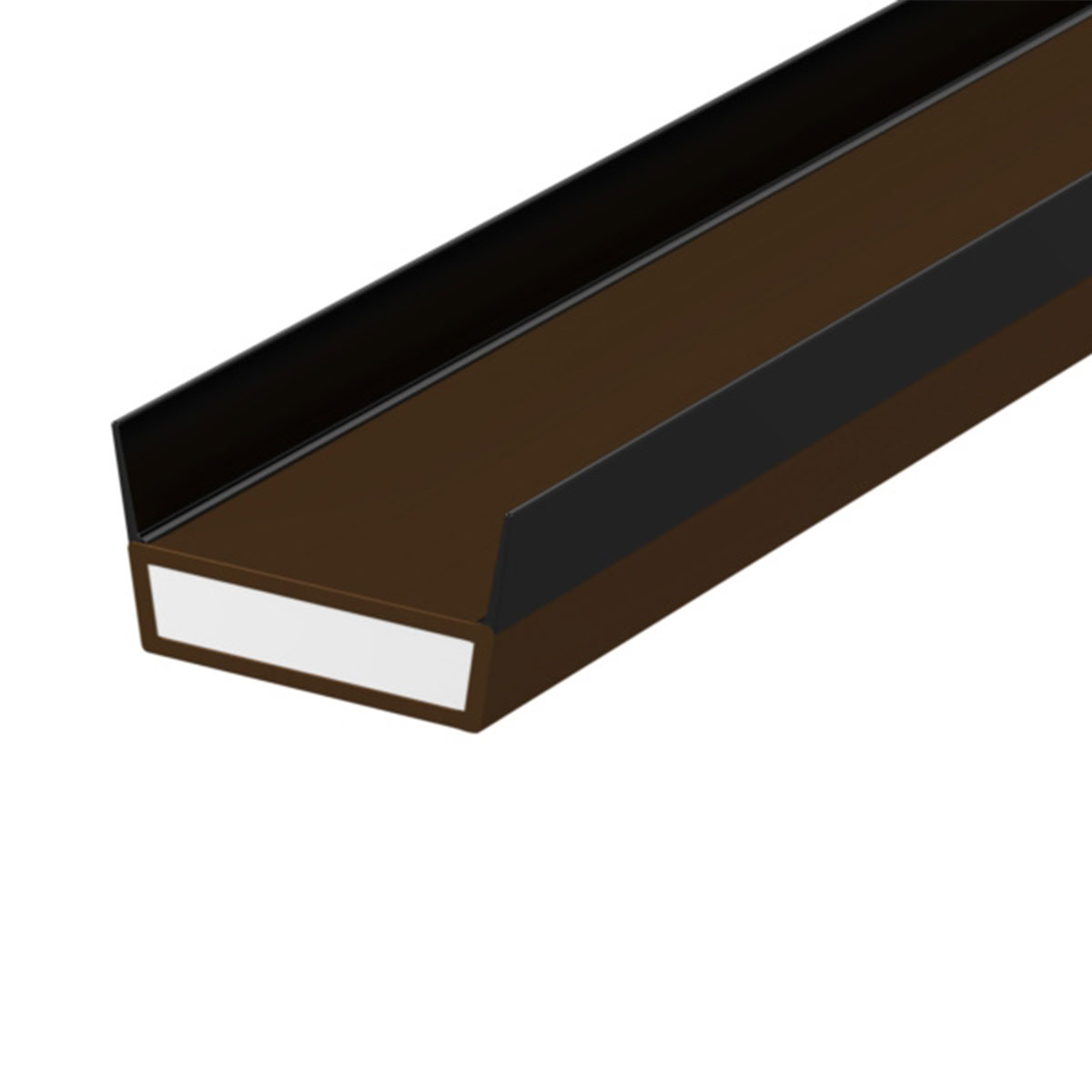
LP2004DS/BR/DARK
Lorient DS (Side Twin Fin) Acoustic Fire & Smoke Intumescent Strip 20x4mm Dark Brown
£6.46 Inc. VAT£5.38 Exc. VAT
130 in stock Certifire Approved
FD60
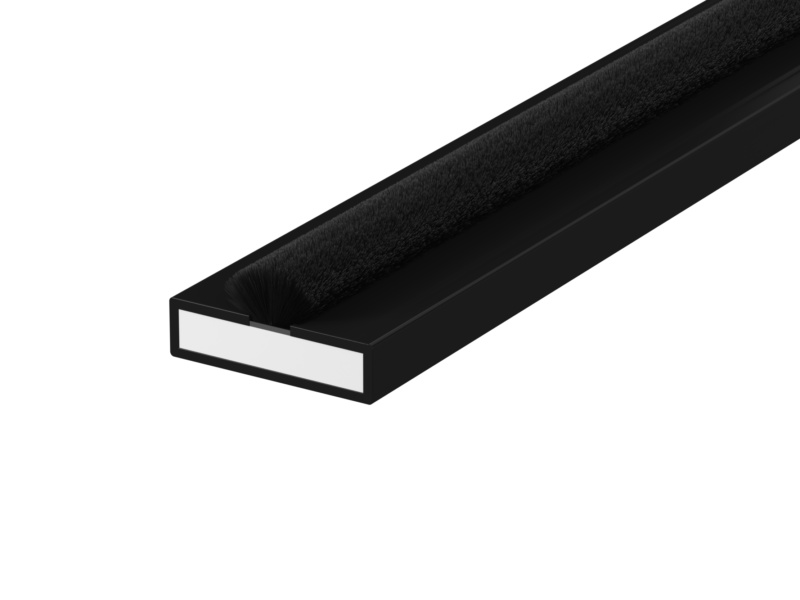
LP2004SS/BK
Lorient SS Fire & Smoke Seal 20x4mm Black
£4.90 Inc. VAT£4.08 Exc. VAT
102 in stock Certifire Approved
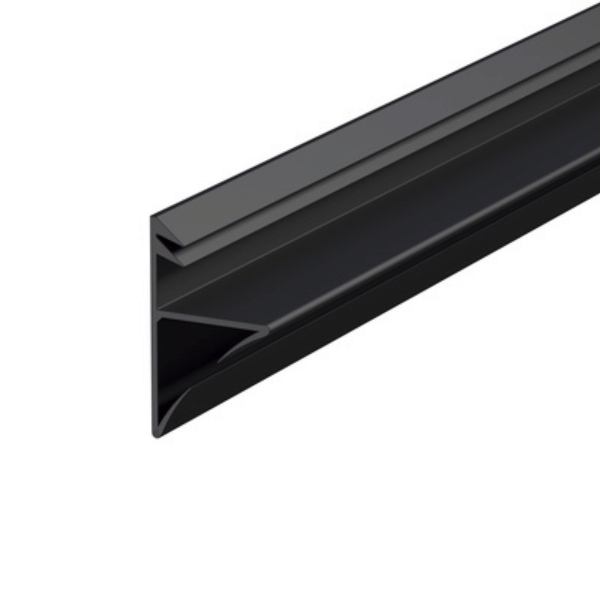
IS1212K/BK
Lorient LAS1212K Batwing-On-A-Stick - Black
£6.08 Inc. VAT£5.07 Exc. VAT
515 in stock Bulk Buy
Certifire Approved
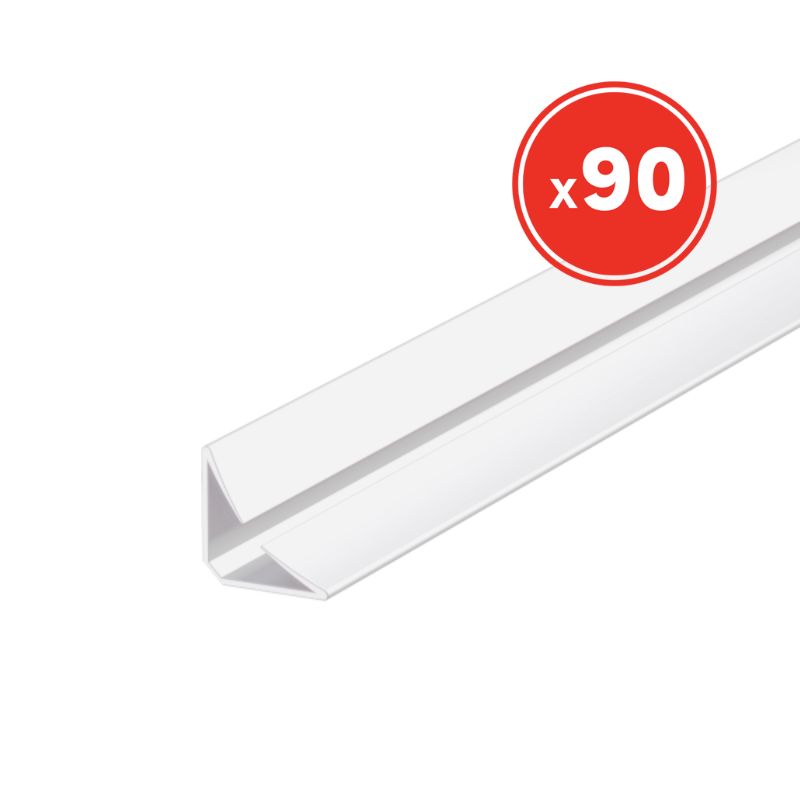
IS1515/WH-90
Lorient LAS1015 Batwing Acoustic & Smoke Seal - 15mm x 15mm - White (Pack of 90)
£578.66 Inc. VAT£482.22 Exc. VAT
2 in stock Certifire Approved
FD30
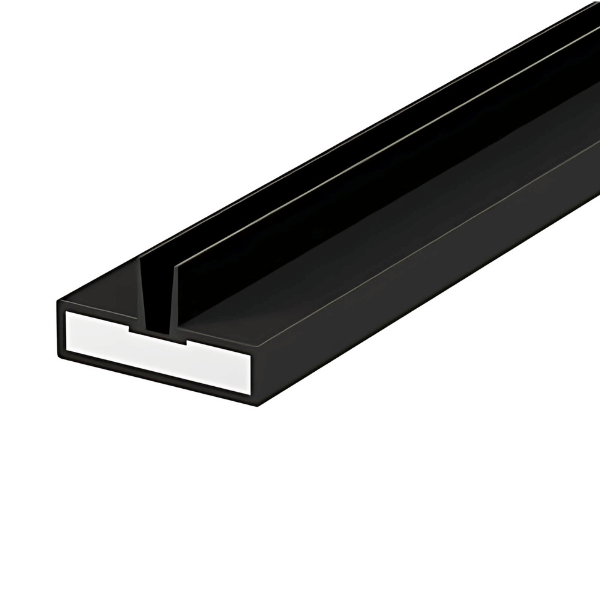
LP1004TS/BLK
Lorient TS (Centre Twin Fin) Acoustic Fire & Smoke 10x4mm Black
£5.33 Inc. VAT£4.44 Exc. VAT
205 in stock Bulk Buy
Certifire Approved
FD30
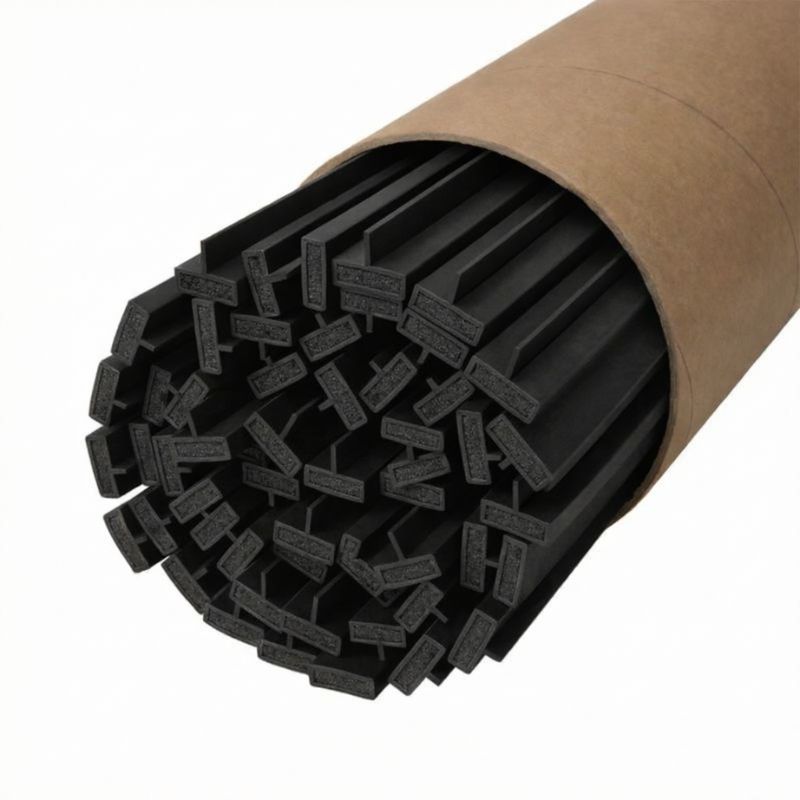
FS1504/F/BLK - Bulk Pack 50
Pyroplex Fire & Smoke Seal Intumescent Strip, Single Fin, 15mm x 4mm x 2.1m, Black (Pack of 50)
£116.69 Inc. VAT£97.24 Exc. VAT
17 in stock Bulk Buy
Certifire Approved
FD30
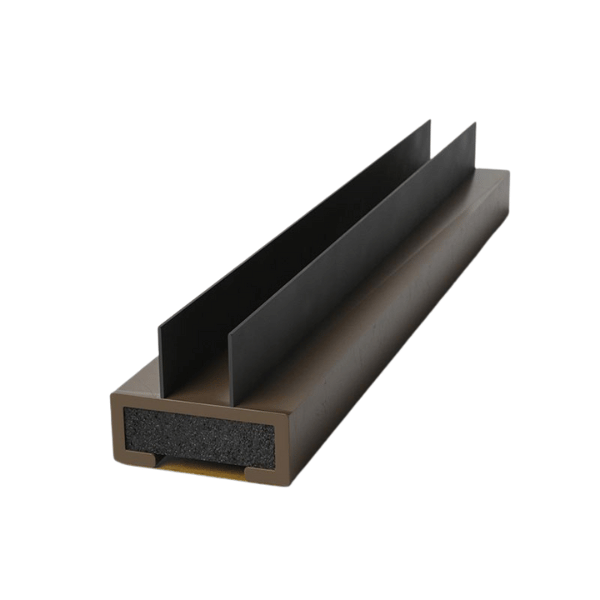
FS1004/TF/BR - Bulk pack 50
Pyroplex Fire & Smoke Seal Intumescent Strip, Twin Fin, 10mm x 4mm x 2.1m, Brown (Pack of 50)
£99.40 Inc. VAT£82.83 Exc. VAT
6 in stock Bulk Buy
Certifire Approved
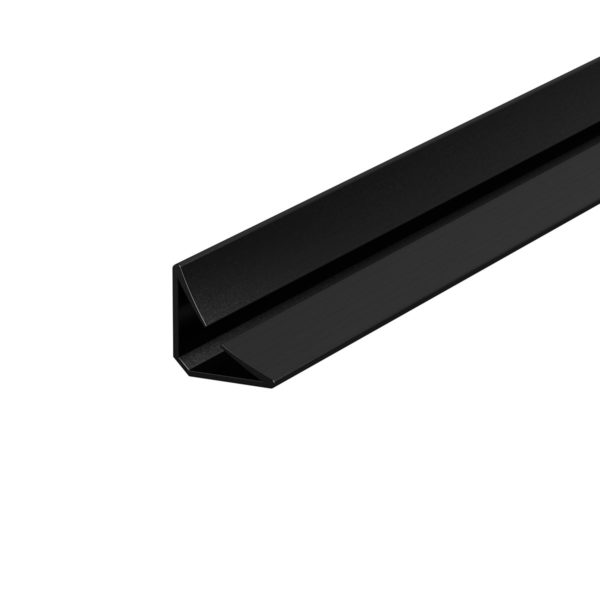
IS1212/BLK-150
Lorient LAS1212 Batwing Acoustic and Smoke Seal - 12mm x 12mm - Black (Pack of 150)
£743.20 Inc. VAT£619.33 Exc. VAT
1 in stock Certifire Approved
FD60
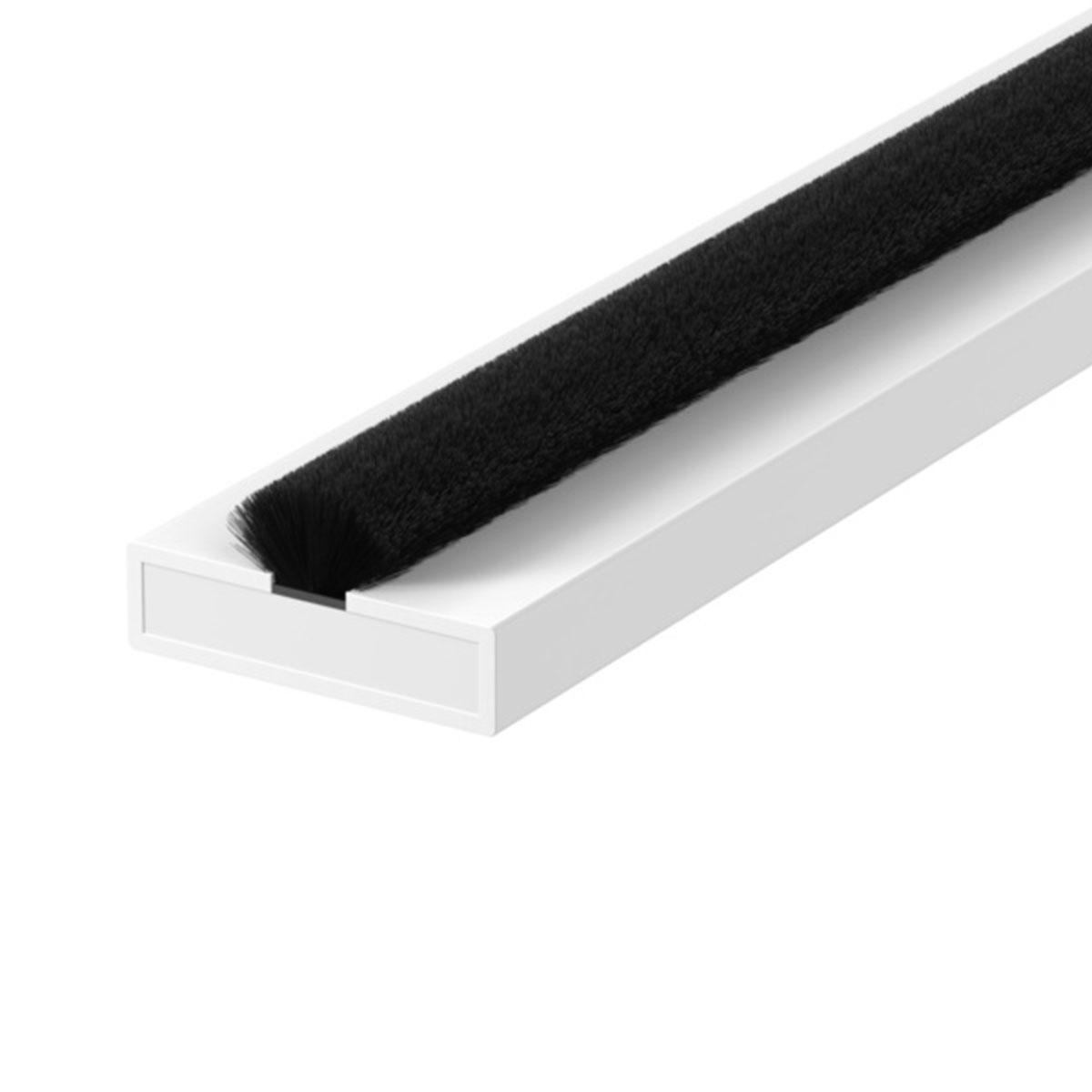
LP2004SS/WH
Lorient SS Fire & Smoke Seal 20x4mm White
£4.90 Inc. VAT£4.08 Exc. VAT
310 in stock Certifire Approved
FD30
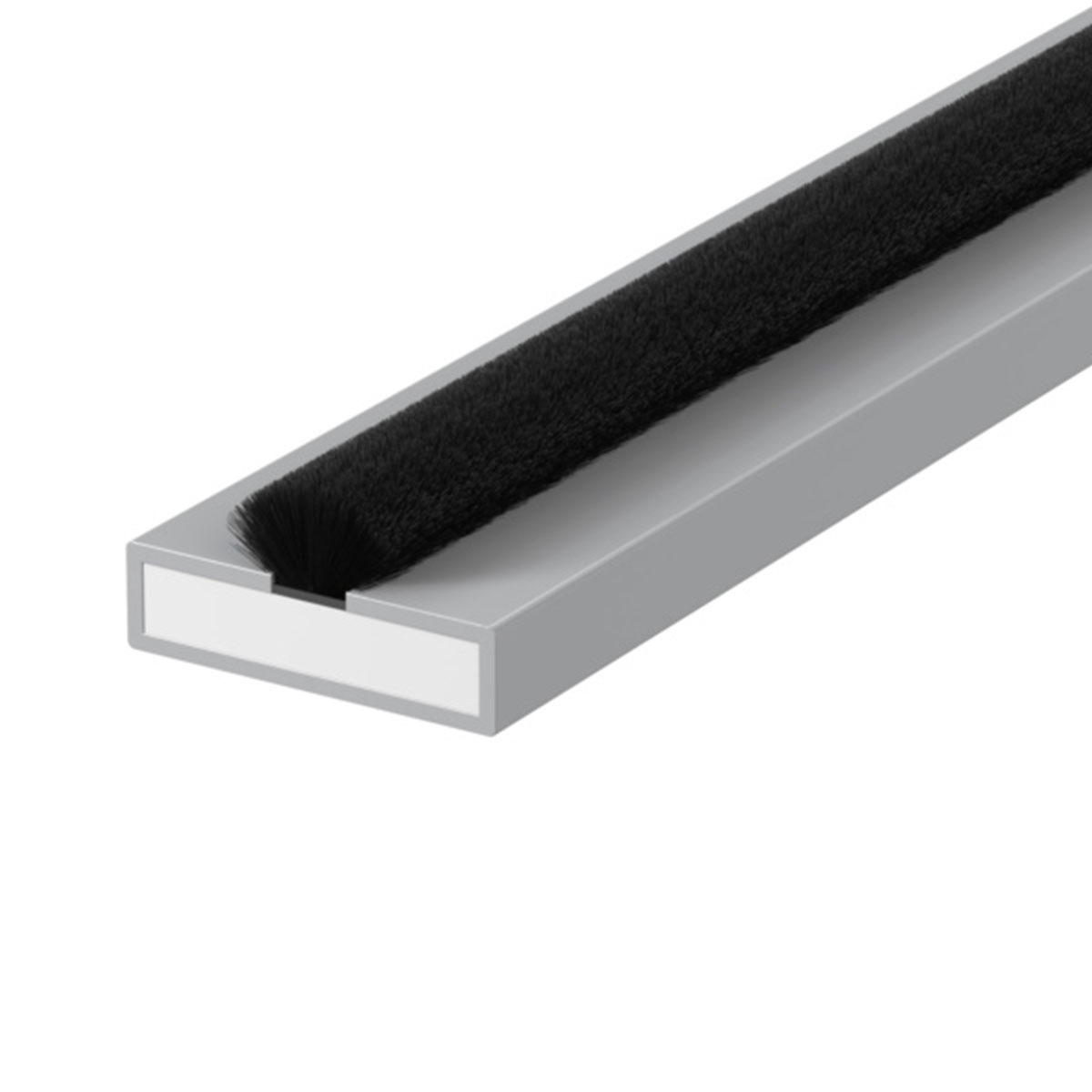
LP1504SS/GY
Lorient SS Fire & Smoke seal 15x4mm Grey
£3.66 Inc. VAT£3.05 Exc. VAT
45 in stock Our Brands





















What Are Smoke Seals?
Smoke seals are specialised components installed around the door perimeter—such as the door edge, frame rebate, or threshold—to help reduce the passage of cold smoke through the gaps surrounding a door. Because smoke can travel rapidly through a building during an incident, it often impacts escape routes long before flames reach the area.
These seals are commonly utilised on fire doors, dedicated smoke protection doors, and other specified door assemblies to support compartmentation. Selecting the correct product requires careful consideration of the door type, the size of the gaps, the preferred fitting method, third-party certification, and overall project specifications.
Why Are Smoke Seals Important?
Smoke can move through very small gaps around doors, presenting a significant threat before thermal expansion seals the frame. Smoke inhalation is one of the most critical hazards in any fire incident, making robust smoke control a vital aspect of building safety.
Smoke seals help limit the movement of smoke through the perimeter gap around a door. This can support protected escape routes and reduce smoke spread between rooms, corridors and compartments during a fire. Consequently, they are frequently specified as critical components of fire door and smoke door assemblies to maintain the integrity of a passive fire protection strategy. Correct selection and installation are essential to ensure the door performs as intended during an emergency.
Smoke Seals vs Intumescent Strips
Smoke seals and intumescent strips perform different but related functions. A smoke seal helps block smoke movement around a door perimeter, while an intumescent strip expands when exposed to heat to help seal the gap between the door and frame. Combined fire and smoke seals provide both functions in one product where required by the door specification.
Depending on the building design and local requirements, some assemblies require fire-only protection, while others mandate combined fire and smoke resistance. Contractors and specifiers must review the door’s test evidence to determine whether to install individual intumescent strips or combined fire and smoke seals.
Types of Smoke Seals
Brush Smoke Seals
Brush seals use flexible bristles to help close the perimeter gap around a door. They are commonly used where a flexible seal is needed around uneven gaps or frequently used doors.
Fin Smoke Seals
Fin seals use a flexible rubber or silicone blade to press against the door or frame. They can provide a neat, close-fitting seal and are often used where a tighter contact seal is required.
Acoustic Smoke Seals
Acoustic smoke seals are designed to help reduce sound transmission as well as restrict smoke movement. They can be useful for offices, schools, healthcare settings, apartments and other buildings where both smoke control and sound reduction are important. For further technical guidance, read our article on how to soundproof a door.
Rebated Smoke Seals
Rebated smoke seals are fitted into a routed groove in the door or frame. This creates a cleaner finish and is often used on new fire door installations or door sets prepared for this type of seal.
Surface-Mounted Smoke Seals
Surface-mounted smoke seals are fixed directly to the door or frame face. They can be useful for retrofit projects, refurbishments or situations where routing a groove is not practical.
How to Choose the Right Smoke Seal
Choosing the right smoke seal depends on the door specification, gap size, fitting method and required performance. For fire doors and smoke protection doors, check whether the project calls for a smoke-only seal, a fire-only intumescent strip, or a combined fire and smoke seal.
Key selection factors to consider include:
- Door type and material: Timber, steel, or composite structures.
- Perimeter gap size: Matching seal depth to the physical clearances.
- Protection requirements: Determining if fire-only, smoke-only, or combined fire and smoke protection is needed.
- Installation style: Choosing between rebated or surface-mounted profiles.
- Seal profile: Evaluating brush, fin, or acoustic variants.
- Dimensions: Specifying appropriate product width, height, and length.
- Aesthetics: Matching colour and finish to the building’s interior design.
- Ratings and approvals: Selecting compatible FD30 smoke seals or FD60 smoke seals and verifying Certifire approval where relevant.
- Project type: Whether the seal is for a new installation, replacement, or retrofit project.
Where Are Smoke Seals Fitted?
Smoke seals are usually fitted around the perimeter of the door, either in the door edge, frame rebate or threshold area. Rebated smoke seals sit within a routed groove, while surface-mounted seals are fixed to the face of the door or frame, making them useful for many refurbishment projects.
Depending on the product, seals may feature self-adhesive backings for fast positioning, though some designs may require mechanical pins or specialist adhesives. Correct fitting is critical to maintaining the assembly's target leakage rate. For a deeper breakdown of physical placement, consult our informational guide on what is a smoke seal.
Smoke Seals, Fire Doors and Compliance
Smoke seals are commonly specified as part of fire door and smoke control strategies. When selecting products, check the door specification, certification and project requirements. Relevant references may include Approved Document B for fire safety guidance and BS EN 1634-3 for smoke leakage testing of door and shutter assemblies.
Ensuring your installations adhere to these guidelines helps maintain safety and supports compliance with UK building regulations. When selecting materials, always consult the individual door test evidence or seek competent fire safety advice.
Certifire-Approved Smoke Seals
Where shown, Certifire approval provides third-party assurance that a product has been independently assessed for its stated fire performance. This scheme is recognised globally by regulatory authorities, manufacturers, and installers as a mark of safety and quality consistency.
Using Certifire-approved items helps risk assessors, building managers, and specifiers document compliance. Please review individual product datasheets to confirm specific certification details and suitability for your designated door set.
Related Passive Fire Protection Products
Smoke seals are often specified alongside other passive fire protection and fire door products. Depending on the door assembly, users may also need:
- intumescent strips to prevent flame spread under high temperatures.
- All-in-one smoke seal fire door kits for straightforward installations.
- acoustic smoke seals and specialised drop-down door seals to treat threshold gaps.
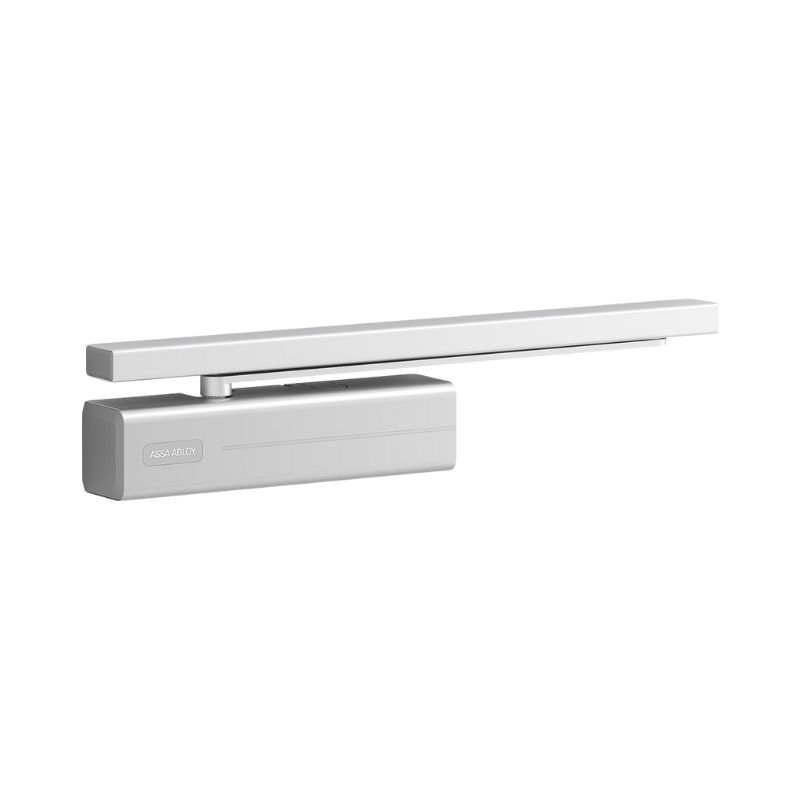
- Overhead fire door closers to ensure doors return securely to their frames.
- Certified fire door hardware including hinges, locks, and latches.
For more detailed guides and advice, you can visit our fire safety advice centre.
Frequently Asked Questions
Why should I have smoke seals on doors?
Standard doors have gaps around their perimeter that allow toxic cold smoke to pass through during a fire, often well before flames reach the room. Smoke seals act as a physical barrier to restrict this movement, helping to protect escape routes, preserve visibility, and prevent smoke inhalation.
What is the difference between a smoke seal and an intumescent strip?
A smoke seal is designed to block cold smoke from moving through the gap around a closed door under normal temperatures. An intumescent strip contains material that expands significantly when exposed to extreme heat, sealing the gap between the door and frame to help block the passage of fire.
Do fire doors need smoke seals?
Not all fire doors require smoke seals, but doors designated for smoke control (typically marked with an "S" suffix, such as FD30S or FD60S) must have them. Refer to the door manufacturer's test certification and the building's fire strategy to confirm requirements.
Where are smoke seals fitted on a door?
They are fitted along the perimeter gaps. This includes the top and side door edges, the frame rebate, or at the threshold along the bottom of the door.
What type of smoke seal do I need?
The correct seal depends on your door's test evidence, gap dimensions, whether you require acoustic performance, and whether the installation is a new build or a retrofitted project. Always verify your choice against the door set's fire certificate.
What is the difference between brush seals and fin seals?
Brush seals utilise fine, flexible bristles that seal across gaps without hindering door movement, making them ideal for frequently used doors. Fin seals use a solid, flexible rubber or silicone blade that creates a direct contact seal, which can be useful for high-performance smoke and acoustic applications.
What are acoustic smoke seals?
These are dual-purpose seals designed to limit both sound transmission and smoke movement. They are commonly specified in multi-occupancy buildings, hotels, schools, and offices to improve privacy while maintaining smoke safety.
What does Certifire Approved mean?
Certifire is an independent, third-party certification scheme. It validates that a passive fire protection product has undergone rigorous testing and manufacturing audits to ensure it will perform reliably to its stated fire safety standards.
How do smoke seals relate to Approved Document B and BS EN 1634-3?
Approved Document B provides guidance on complying with building regulations for fire safety in England, which includes specifying when smoke-restricting doors are required. BS EN 1634-3 is the European testing standard used to measure the smoke leakage rate of door and shutter assemblies.
Read MoreRead Less
Subscribe to our newsletter
Subscribe now to receive the latest fire safety news, promotions & product releases straight to your inbox.