
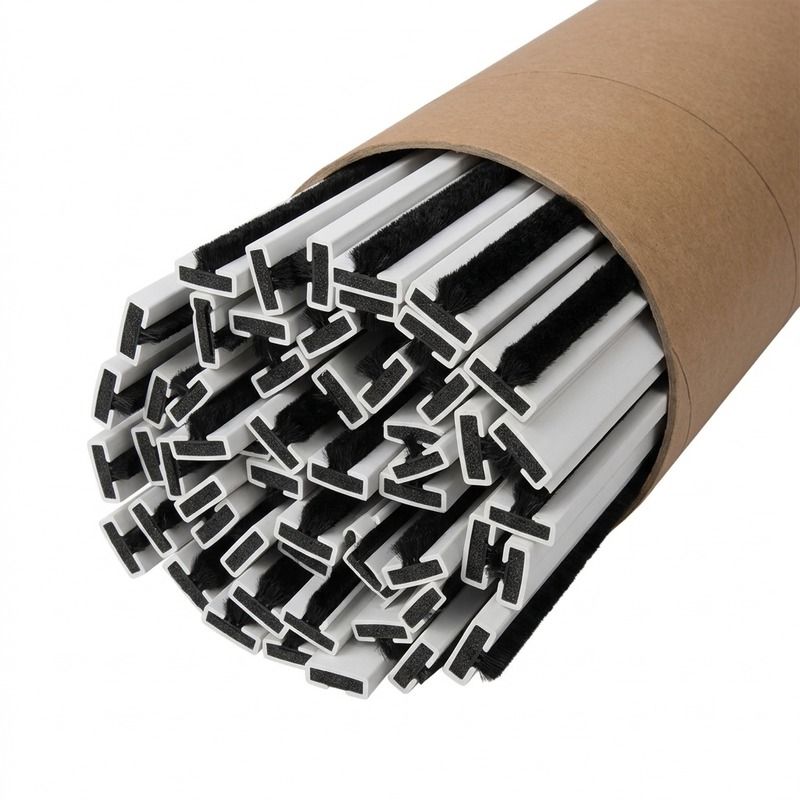
144 items
Filter
Filter
Certifire Approved
FD30
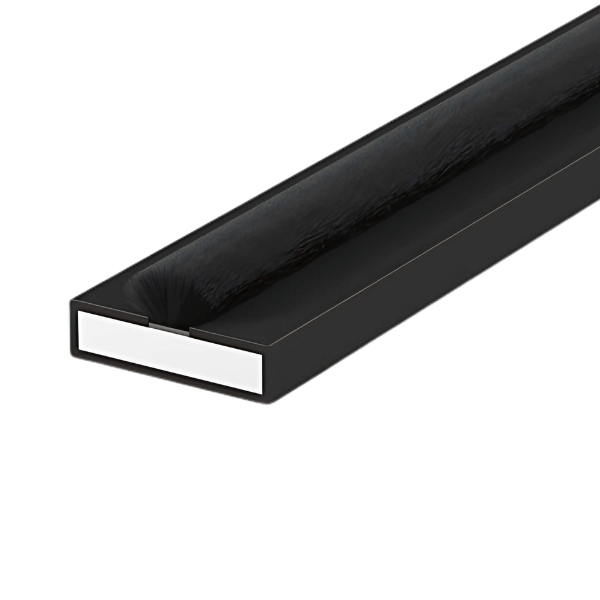
LP1504SS/BK
Lorient Fire & Smoke Seal 15x4mm Black
£3.66 Inc. VAT£3.05 Exc. VAT
 47 in stock
 Certifire Approved
FD30

LP1504/FIN/BLK
Lorient Finesse Fire & Smoke Intumescent Strip 15x4mm Black
£7.79 Inc. VAT£6.49 Exc. VAT
382 in stock Certifire Approved
FD30
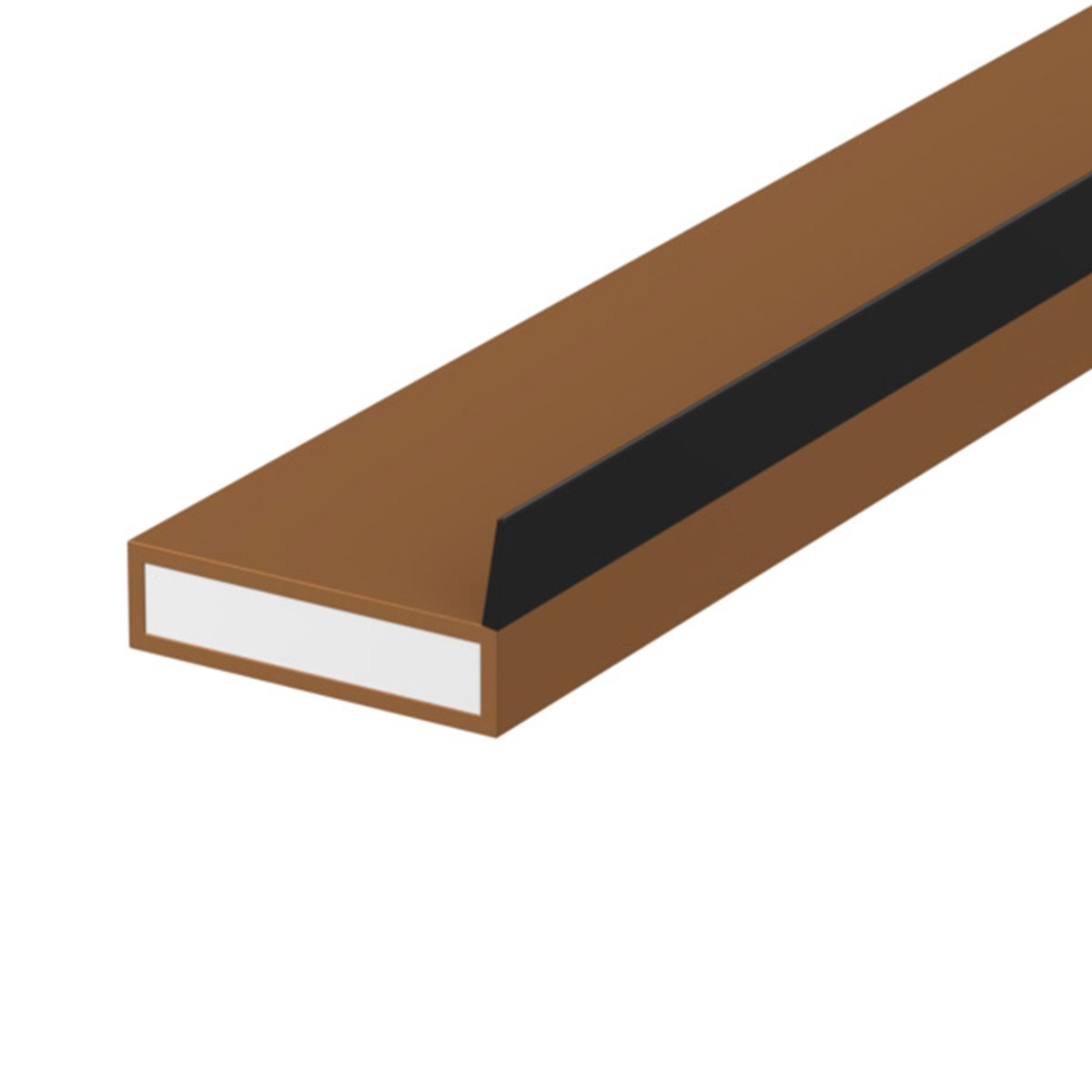
LP1004AS/BR/LIGHT
Lorient AS (Side Fin) Acoustic Fire & Smoke Seal 10x4mm Light Brown
£6.14 Inc. VAT£5.12 Exc. VAT
353 in stock Certifire Approved
FD30
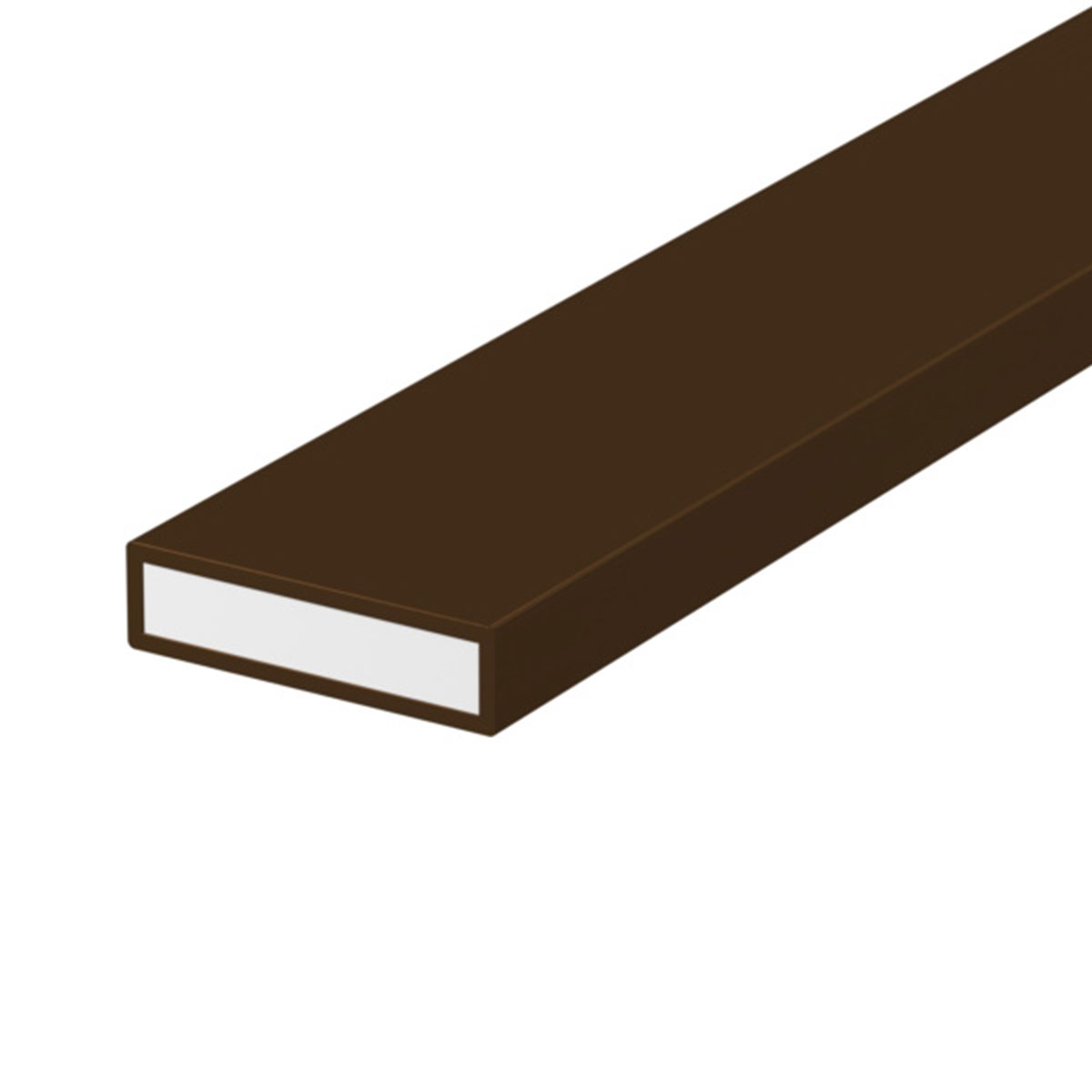
LP1504FO/BR/DARK
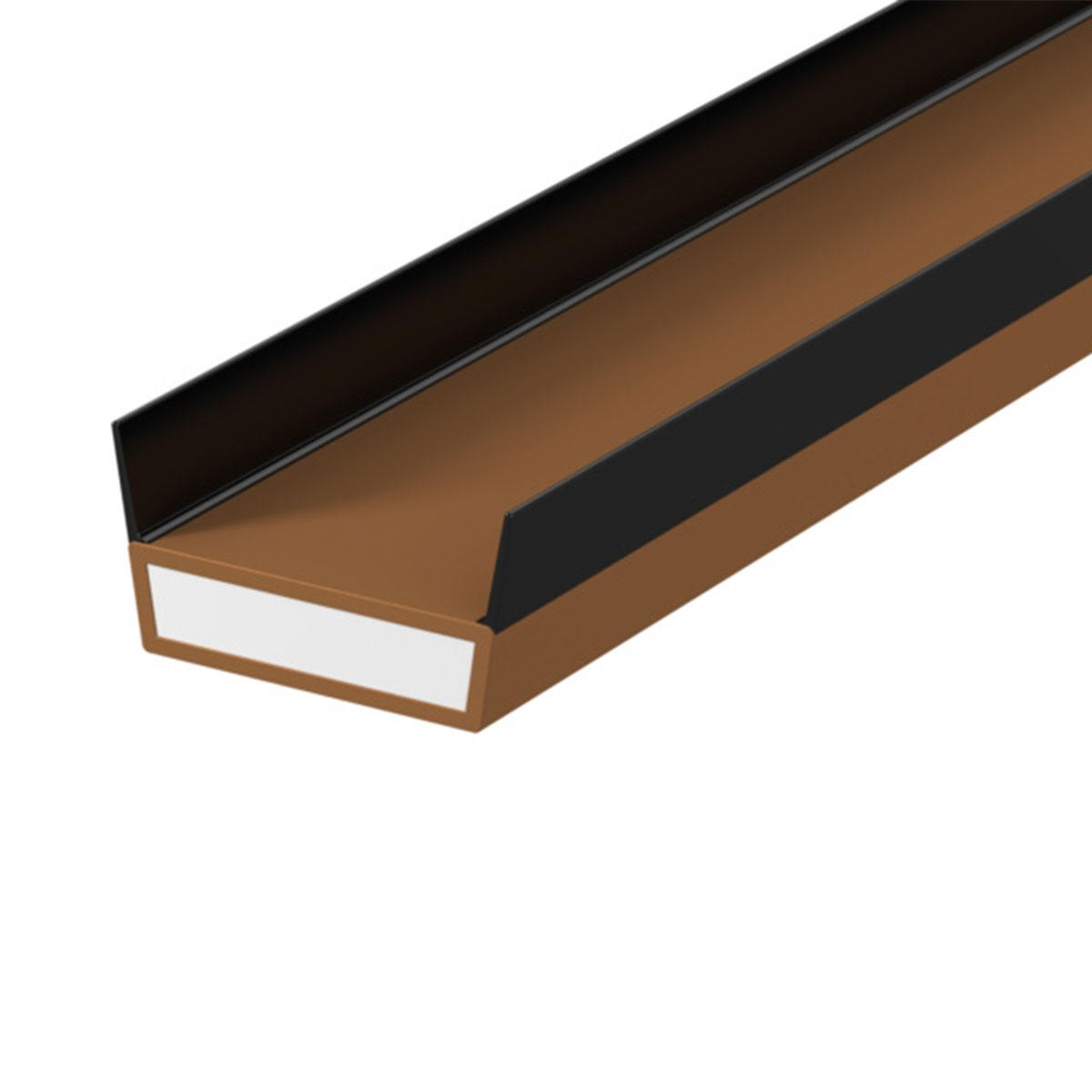
Lorient Fire Only Seal 15x4mm Dark Brown
£3.34 Inc. VAT£2.78 Exc. VAT
221 in stock Bulk Buy
Certifire Approved
FD30
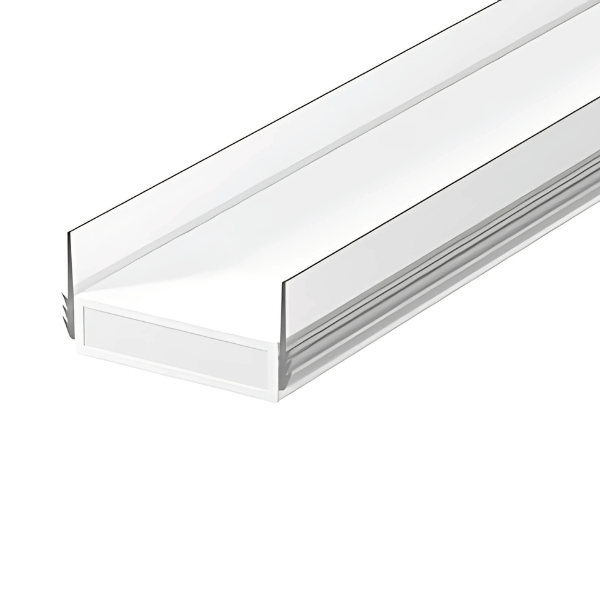
LP1504/FIN/WH-50
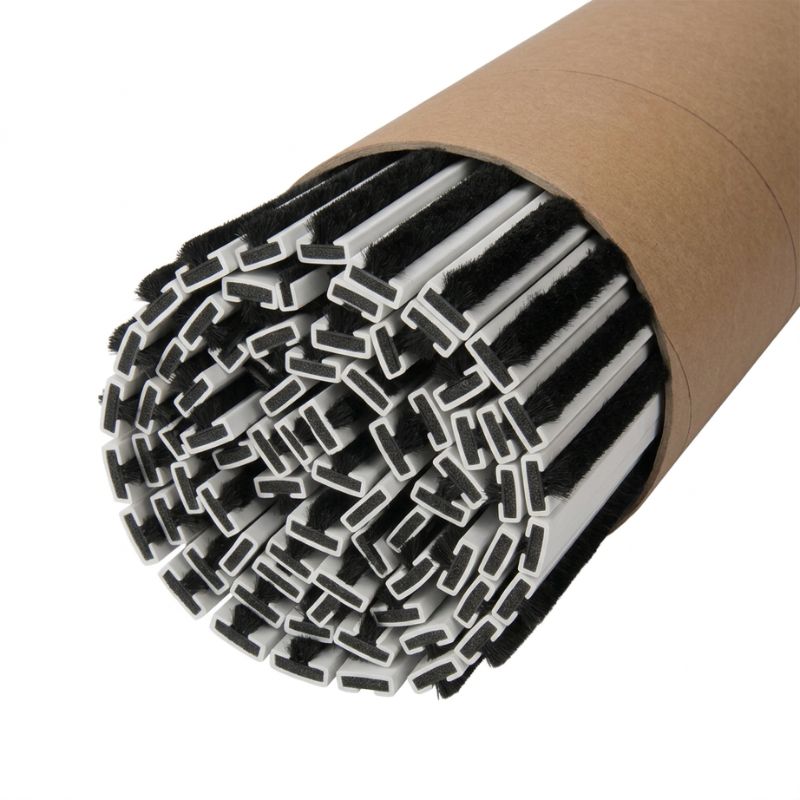
Lorient Finesse Fire & Smoke Intumescent Strip 15x4mm White (Pack of 50)
£379.67 Inc. VAT£316.39 Exc. VAT
24 in stock Certifire Approved
FD30
LP1004SS/BK
Lorient SS Fire & Smoke Seal 10x4mm Black
£3.17 Inc. VAT£2.64 Exc. VAT
200 in stock Bulk Buy
Certifire Approved
FD30
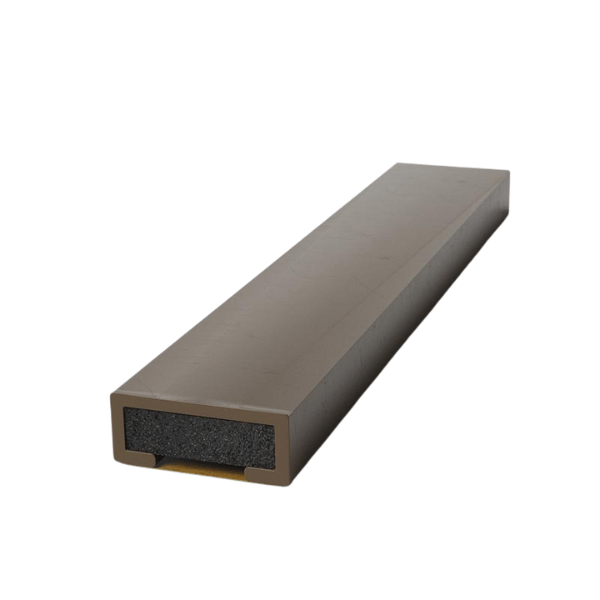
FO1004/BR - Bulk Pack 125
Pyroplex Fire Only Intumescent Strip, 10mm x 4mm x 2.1m, Brown (Pack of 125)
£175.50 Inc. VAT£146.25 Exc. VAT
9 in stock Certifire Approved
FD30
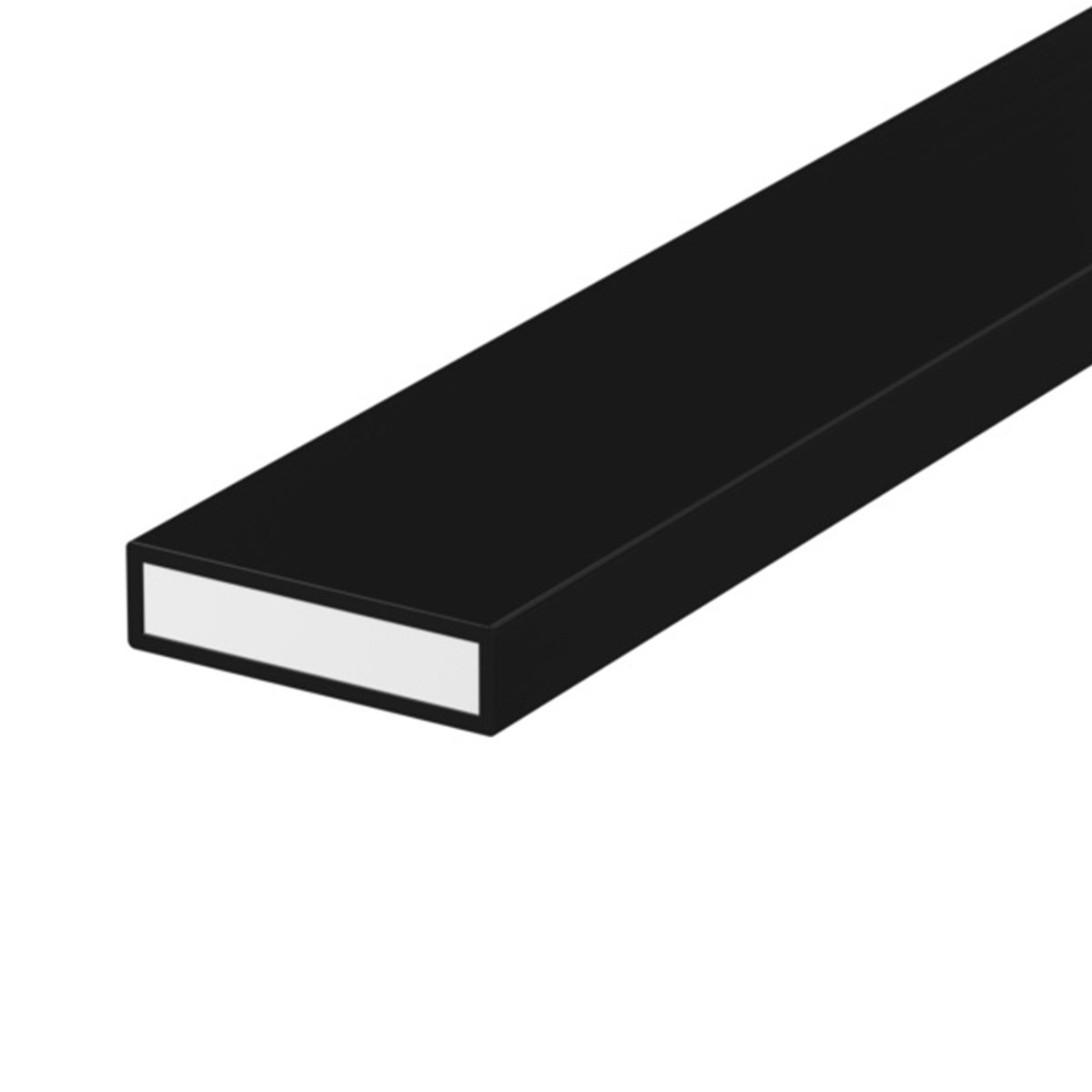
LP1004FO/BLK
Lorient Fire Only Seal 10x4mm Black
£2.78 Inc. VAT£2.32 Exc. VAT
371 in stock Certifire Approved
FD60
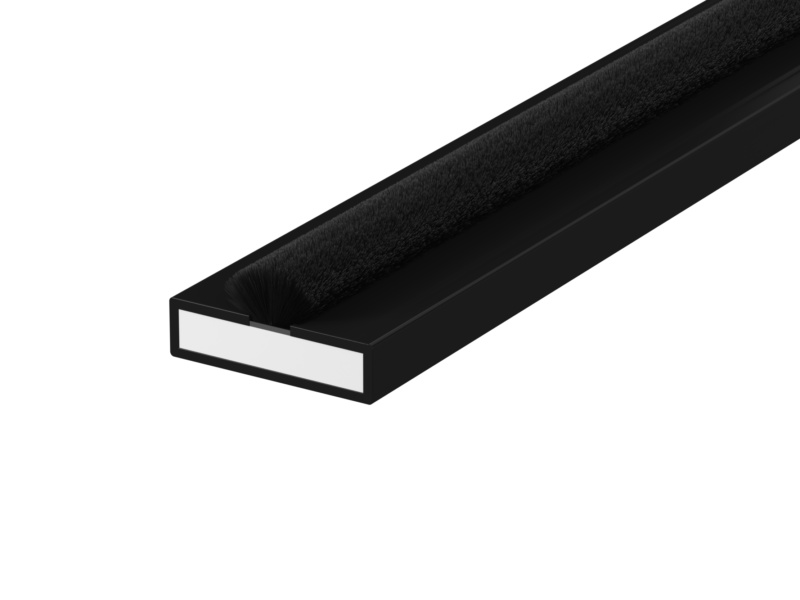
LP2004SS/BK
Lorient SS Fire & Smoke Seal 20x4mm Black
£4.90 Inc. VAT£4.08 Exc. VAT
80 in stock Bulk Buy
Certifire Approved
FD60
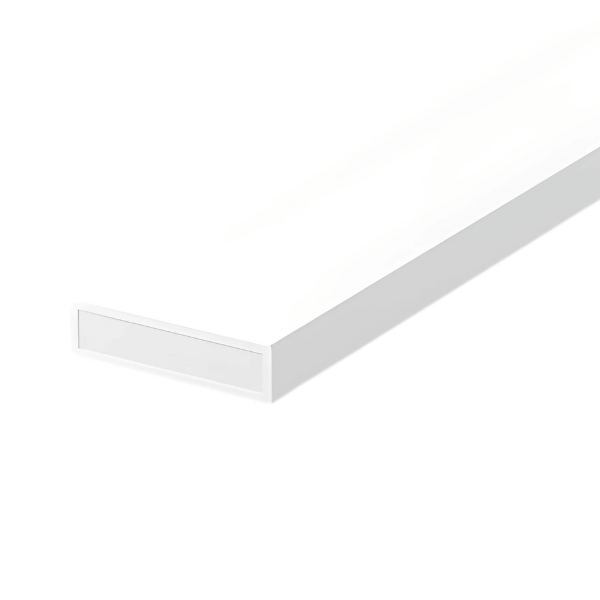
LP2004FO/WHITE-50
Lorient Fire Only seal 20x4mm White (Pack of 50)
£213.53 Inc. VAT£177.94 Exc. VAT
3 in stock Bulk Buy
Certifire Approved
FD30
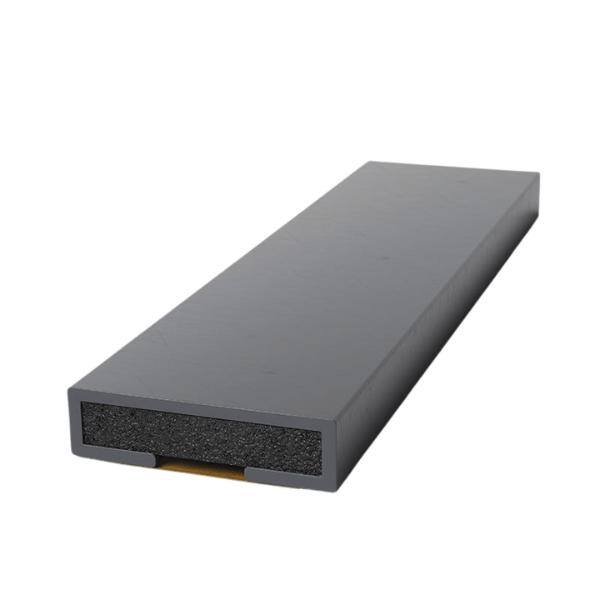
FO1504/GY - Bulk Pack 75
Pyroplex Fire Only Intumescent Strip, 15mm x 4mm x 2.1m, Grey (Pack of 75)
£132.94 Inc. VAT£110.78 Exc. VAT
10 in stock Certifire Approved
FD60
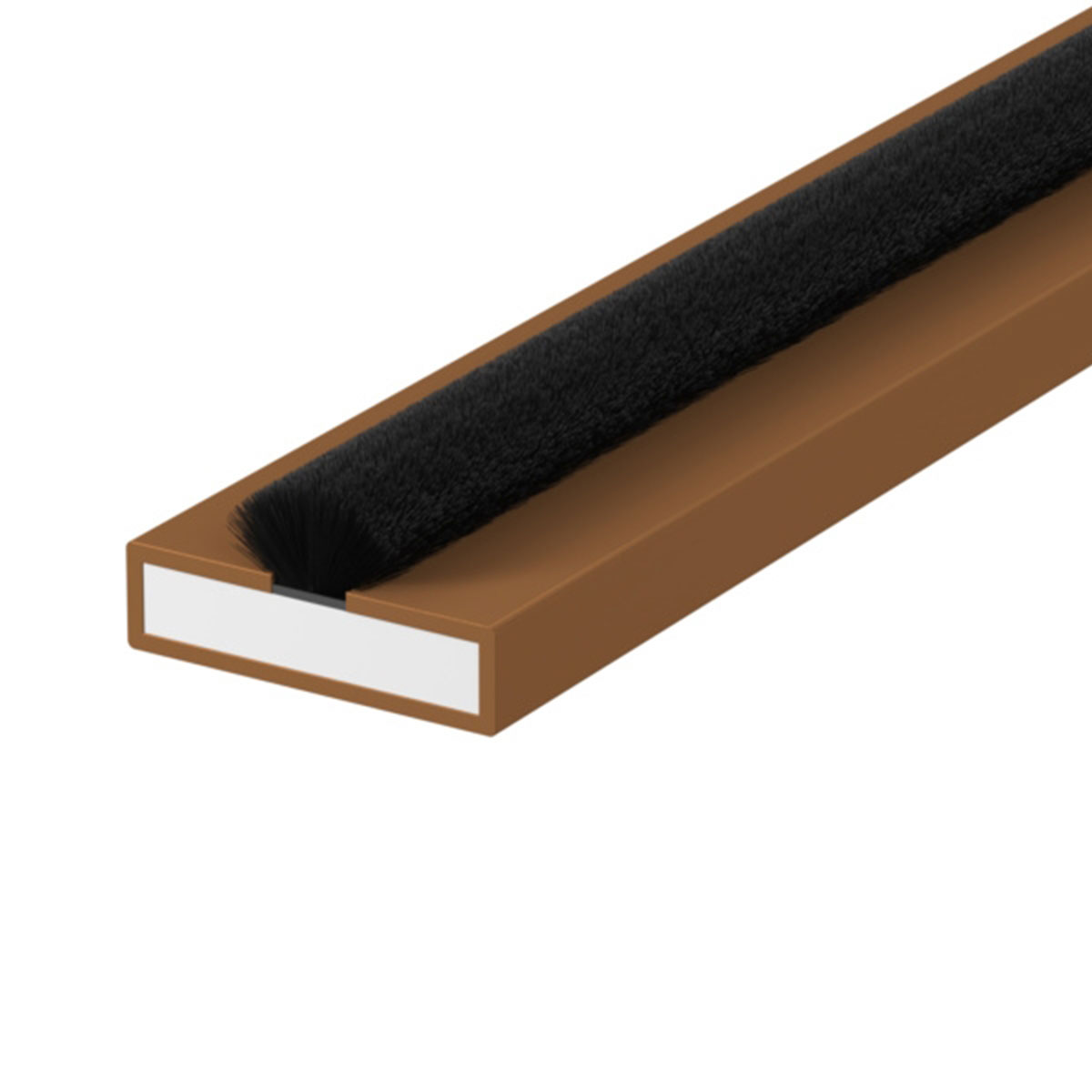
LP2004SS/BR
Lorient SS Fire & Smoke Seal 20x4mm Light Brown
Back in stock soonBulk Buy
Certifire Approved
FD30
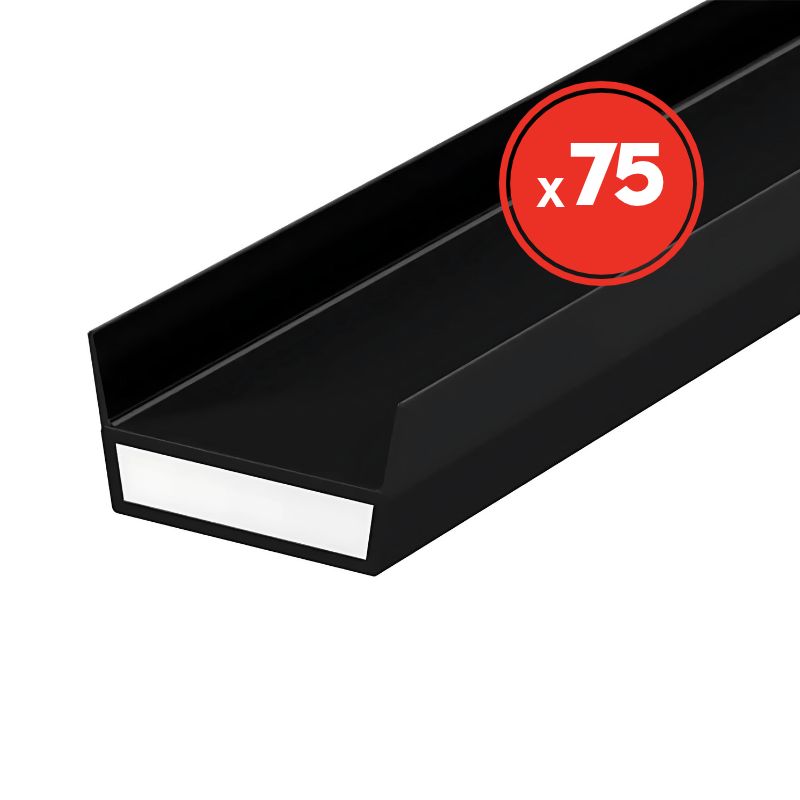
LP1504DS/BLK-75
Lorient DS (Side Twin Fin) Acoustic Fire & Smoke - 15x4mm, Black - Pack of 75
£392.24 Inc. VAT£326.87 Exc. VAT
6 in stock Certifire Approved
FD30
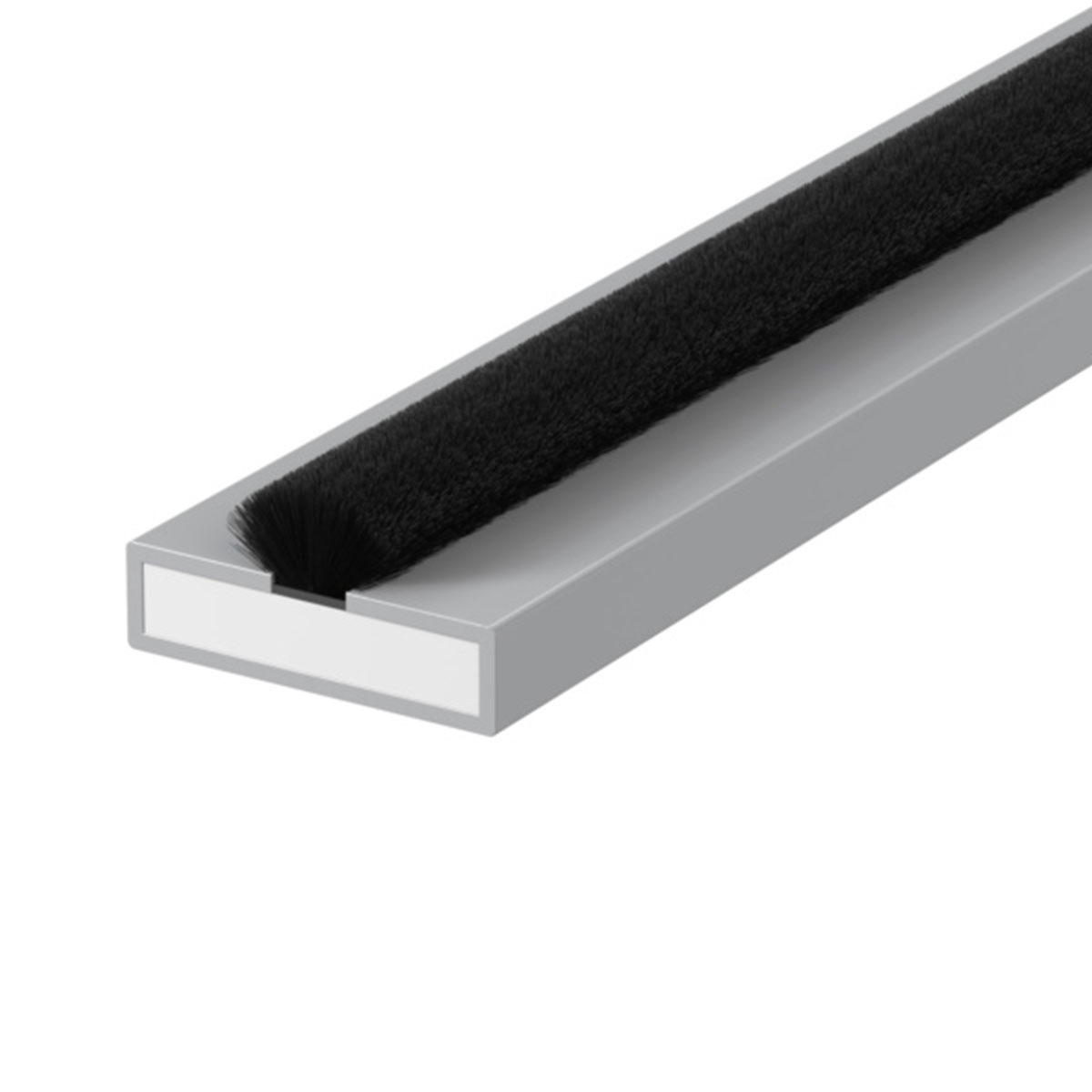
LP1504SS/GY
Lorient SS Fire & Smoke seal 15x4mm Grey
£3.66 Inc. VAT£3.05 Exc. VAT
95 in stock Bulk Buy
Certifire Approved
FD30
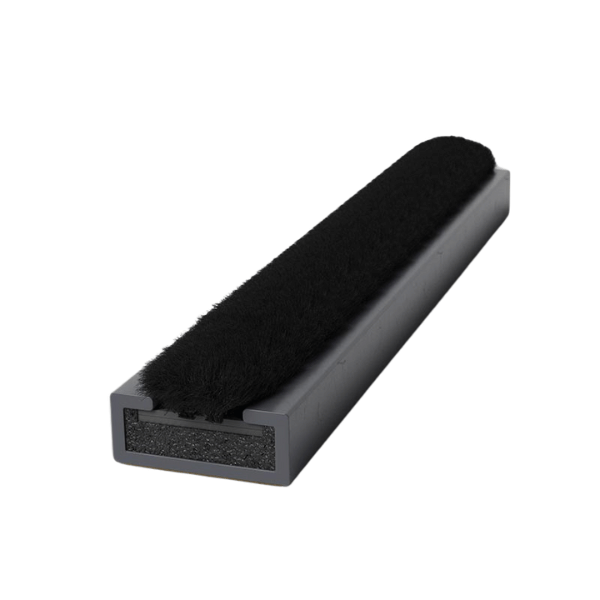
FS1004/GY - Bulk pack 75
Pyroplex Fire & Smoke Seal Intumescent Strip, Brush, 10mm x 4mm x 2.1m, Grey (Pack of 75)
£130.19 Inc. VAT£108.49 Exc. VAT
7 in stock Our Brands
























Why intumescent strips are essential for fire doors
Intumescent strips are a critical component in maintaining the integrity of FD30 (30-minute) and FD60 (60-minute) rated fire doors. Without them, a certified fire door cannot perform as tested — the gaps around the door edge would allow fire and hot gases to pass through long before the door itself failed, buying vital time for escape and emergency response.
Fire-only vs fire and smoke strips
Choosing the right type depends on your door's classification and where it's installed:
- Fire-only strips are designed to expand under heat and seal the gap between the door and frame, protecting against flame spread.
- Fire and smoke seals do the same job but also feature an integrated brush or flipper (fin) that blocks "cold smoke" at ambient temperatures — before the intumescent has had a chance to activate. These are typically required for doors designated FD30s or FD60s (the "s" denotes smoke).
For the best protection on fire-only doors where smoke control is also needed, you can either choose a combined fire and smoke strip or pair a fire-only strip with a separate smoke seal.
Our most popular ranges
Our collection of Lorient intumescent strips is one of our best-selling ranges, offering fire-only, fire and smoke, and acoustic options. The Pyroplex range is also a firm customer favourite and carries full third-party certification.
Frequently Asked Questions
What width intumescent strip do I need?
The width required depends on the door's fire rating, the door leaf thickness, and the size of the gap between the door and frame. As a general guide, FD30 doors typically use a 15mm or 20mm strip, while FD60 doors usually require a 20mm or larger strip — sometimes two strips per edge. Always refer to the door manufacturer's certification, as fitting the wrong size can invalidate the door's fire rating. If you're unsure, our Technical Helpline can advise.
Do I need a fire-only or a fire and smoke seal?
If your door is designated FD30s or FD60s (the "s" indicates smoke control), you must use a fire and smoke seal. Standard FD30 and FD60 doors without the "s" only require a fire-only strip, though adding smoke protection is considered best practice in settings such as residential corridors, hotels and care homes.
How do I install intumescent fire seals?
Intumescent strips are fitted into a pre-routed groove in either the door edge or the frame (check the manufacturer's instructions for which is correct for your product). The strip is pushed firmly into the groove with the self-adhesive backing holding it in place — no mechanical fixings are usually required. The strip must run the full height of the door on both long edges, and across the top. It's important that the strip sits flush and is not painted over, as paint can restrict expansion.
For more information, visit our Advice Centre for the latest updates on regulations and specifications, or call our Technical Helpline for free, impartial advice.
Read MoreRead Less
Subscribe to our newsletter
Subscribe now to receive the latest fire safety news, promotions & product releases straight to your inbox.