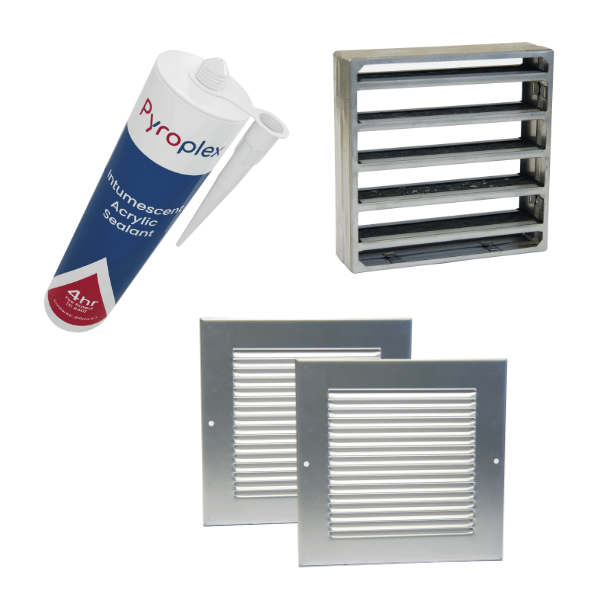
Passive fire protection (PFP) is designed to offer integrity, stability and assurance that a building has the best possible chance of containing fire and smoke. We’re often asked about exactly how it works and how buildings can comply with fire safety legislation.
Here, we’ve answered some of FireSealsDirect’s most frequently asked questions to help your project’s decision-making process.
How Does Passive Fire Protection Work?
Passive fire protection is built into the structure of a building and works to slow or prevent the spread of fire. It’s a vital element of any property’s fire safety strategy and is designed to safeguard lives and protect property. It does this by providing stability in walls, floors and doors, compartmentalising so fire, heat and smoke are contained in one area. Discover more about the importance of passive fire protection.
How Much Can Be Cut Off A Drop Down Seal?
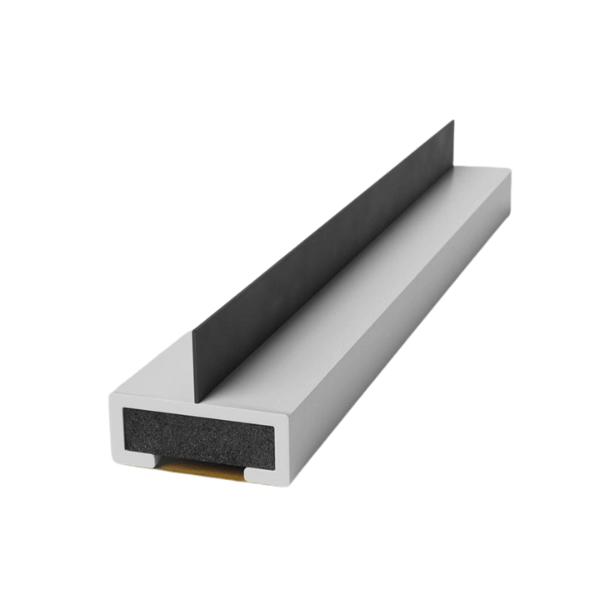
We stock a wide range of drop-down seals from multiple manufacturers, each with their own maximum cut-back length — typically between 100–150 mm.
What is the Maximum Gap Allowed at the Bottom of a Fire Door?
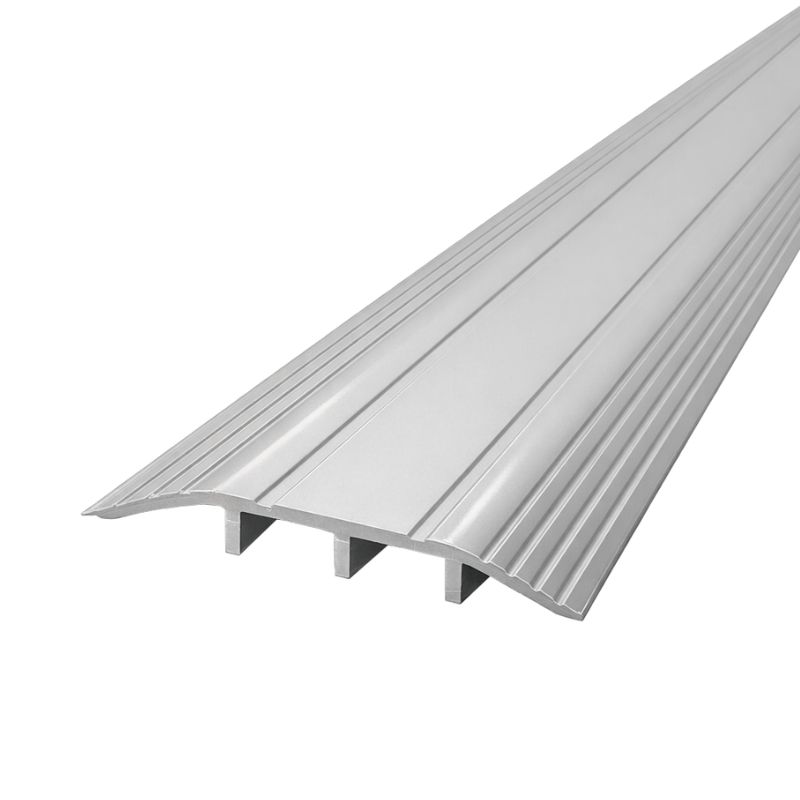
The maximum threshold gap at the bottom of a fire‑only door is generally 8–10 mm, although this can vary depending on the manufacturer’s specification.
For a fire door with smoke protection, the maximum permitted gap is 3 mm. If achieving a 3 mm gap isn’t possible on site, you can use a drop‑down seal to close the gap and maintain performance.
What is the Maximum Gap Allowed Around the Sides of a Fire Door?
British Standards state that the gap around the sides and top of a fire door should typically be between 2–4 mm, ideally 3mm. This tolerance is important because it ensures the door can close correctly while still allowing the intumescent seals to expand effectively in the event of a fire.
What is the Best Retrofit Smoke Seal for Fire Doors?
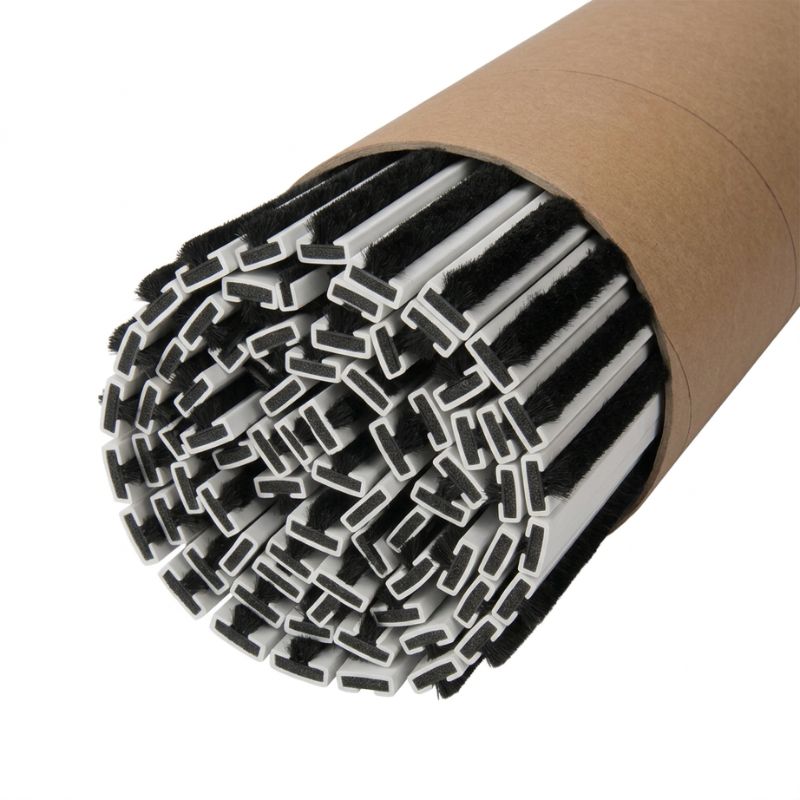
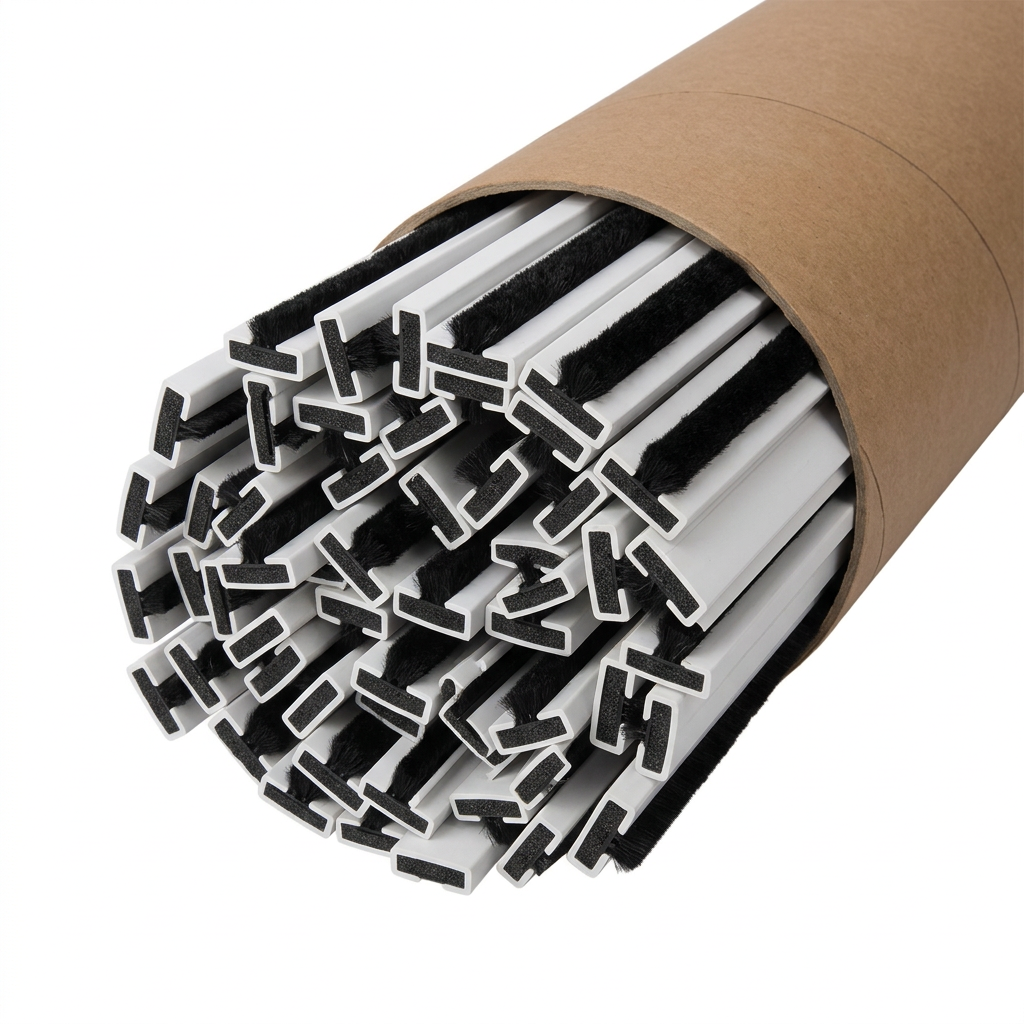
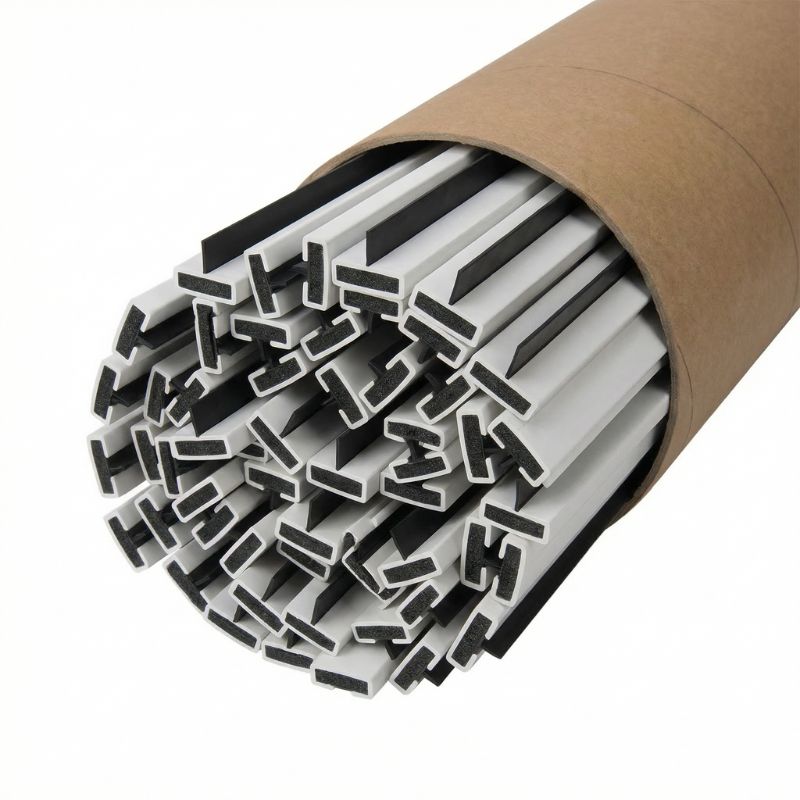
Batwing seals offer an efficient retrofit solution for smoke sealing fire doors. They are designed with a self-adhesive backing, allowing easy installation onto existing fire door frames without the need for extensive modifications.
Can I use Fire-Rated Foam Around Pipes to Seal them?
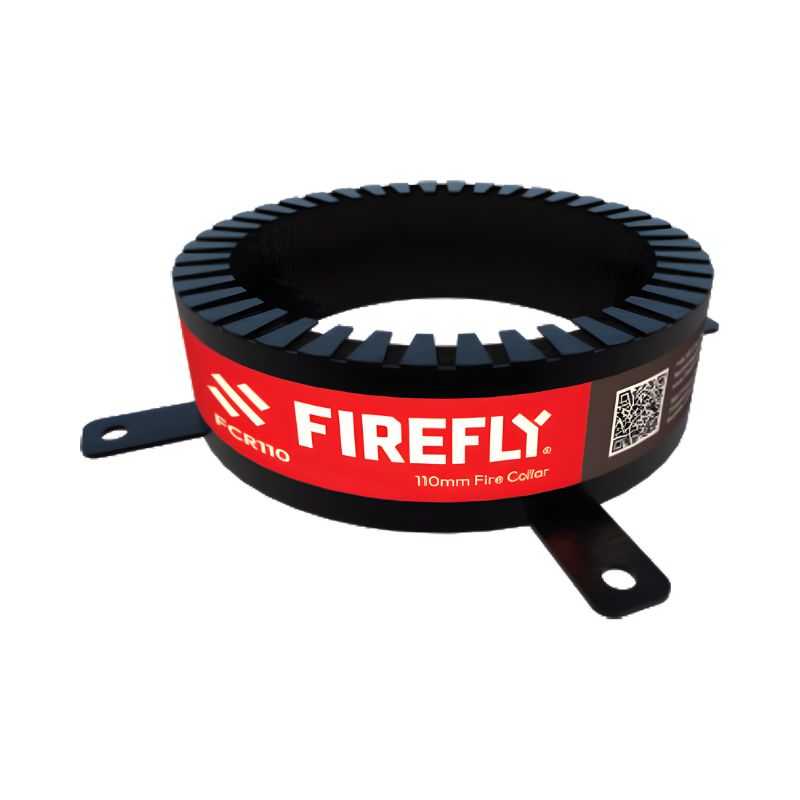
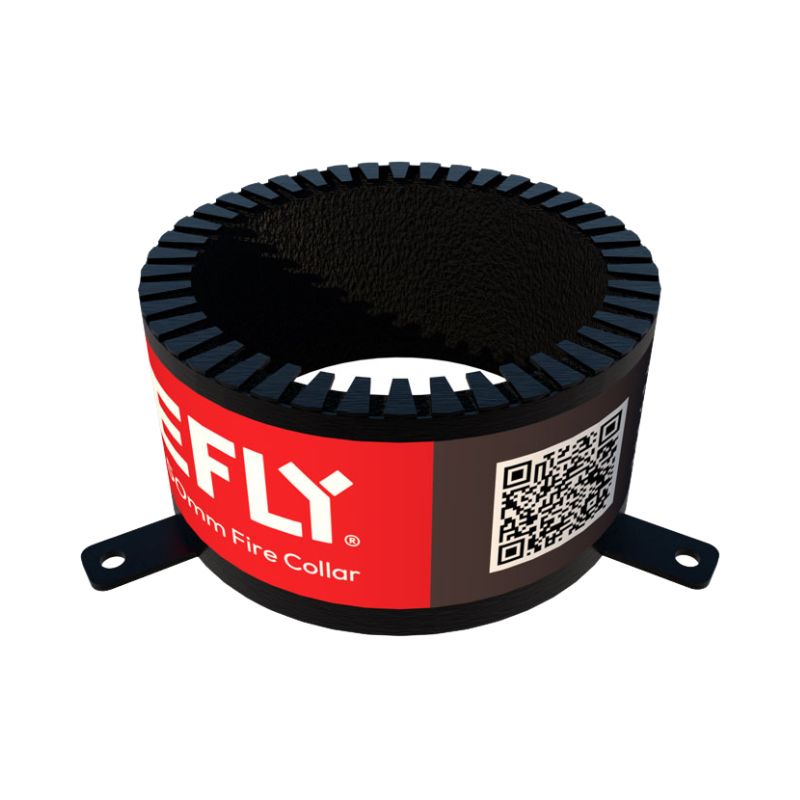
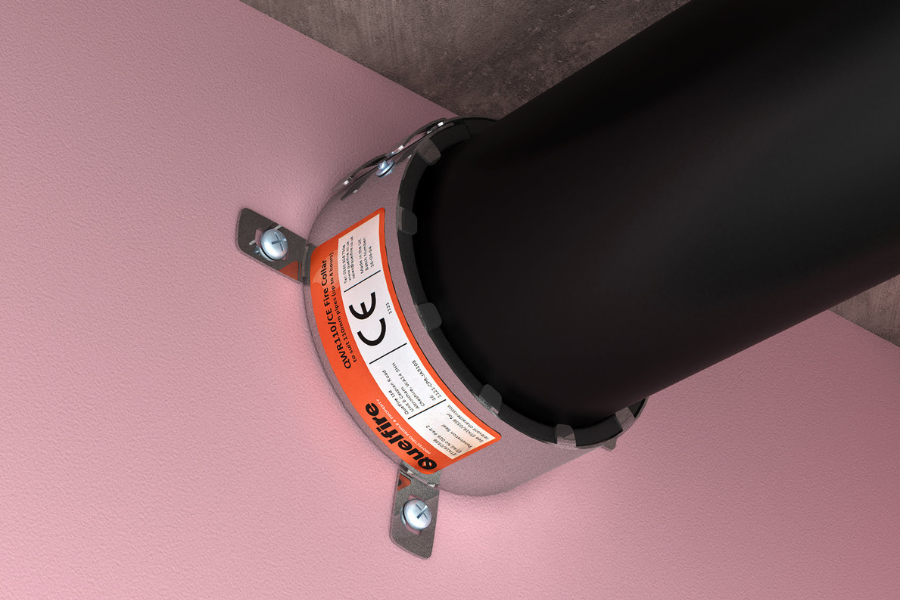
No. Pipes and cables must be fire-stopped using intumescent products that have been specifically tested and approved for that type of service penetration. Fire-rated foam is generally only suitable for sealing openings where no services pass through. At FireSealsDirect, we recommend using intumescent pipe collars or wraps to maintain the fire integrity of the wall or floor in the event of a fire.
What Should I Check on My Fire Doors to Make Sure They’re Compliant?
Fire doors have several critical components that must be in good condition to ensure they perform properly in a fire. When inspecting a fire door, check the following:
- Door Gaps
- The gaps around the sides and top of the door should typically be between 2–4mm
- For fire-only doors, the gap at the bottom should be no more than 10mm (always refer to the manufacturer’s datasheet for exact tolerances)
- For fire and smoke doors, the bottom gap should be no more than 3mm
- Intumescent Strips & Smoke Seals
- Make sure the intumescent strips and any smoke seals are undamaged and continuous
- Hinges
- Hinges must be fire-rated, securely fixed, and in good working order.
- There should be no missing screws or visible damage.
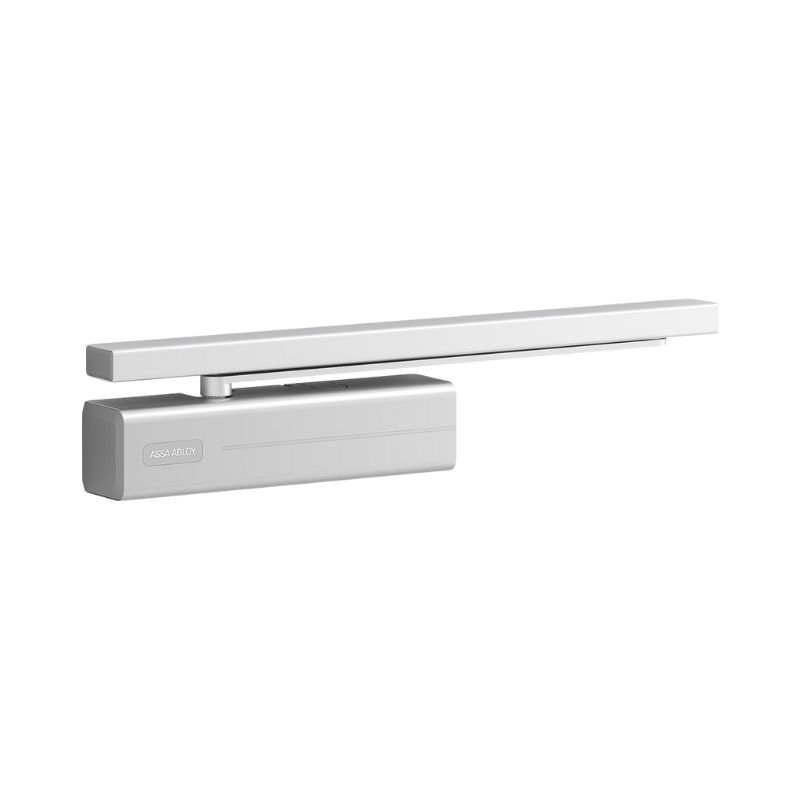
- Door Closer
- The door closer should operate smoothly and reliably.
- The door must close fully and latch on its own without assistance.
- Apertures
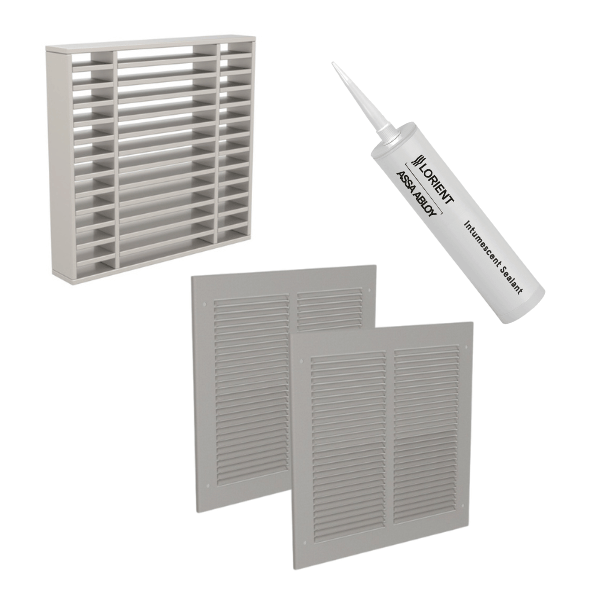
- Any glass panels or air transfer grilles must be fire-rated and correctly installed with appropriate systems.
- Locks, Latches & Hardware
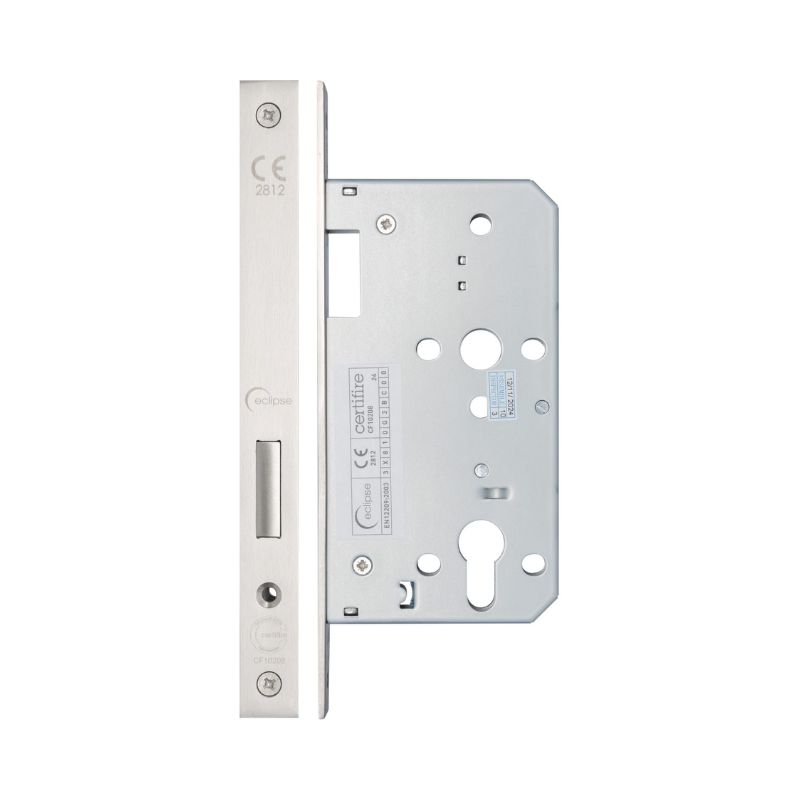
- All hardware must be fire-rated, functioning correctly, and fitted with the required intumescent protection.
- Signage
- Ensure the door has the correct signage so users understand how it should be used.
How do Intumescent Products Work?
Intumescent products are designed to expand when exposed to high temperatures. As they swell, they fill gaps and openings within a fire compartment, helping to restore the barrier and slow the spread of fire and smoke. They don’t put out the fire — their role is to contain it and maintain the integrity of the compartment for as long as the fire rating requires.
Find out more in our blog that explains intumescent materials.
How We Can Help
We appreciate the very nature of architectural and construction work means there are so many variables when considering passive fire protection. Contact us for expert advice or to simply run a passive fire protection query by us – we’re always happy to help.
You can also explore our Advice Centre, which offers a wide range of guides and useful information on fire safety, fire legislation and more.