Passive fire protection (PFP) is a crucial design consideration during the construction of every commercial property. This type of fire protection is quite literally built into the fabric of every building – as fire-resistant walls or doors, for example – and it’s a vital element of any fire safety strategy. Built into the structure of the building, passive fire protection is designed to safeguard lives and protect property in the event of a fire.
In this blog, we discuss the vital role passive fire protection plays and who is responsible for its effectiveness and regular review.
What Is Passive Fire Protection and Why Does It Matter?
Passive fire protection provides stability in walls, floors and doors and works to divide buildings into areas that enable fire risk to be better managed. This type of compartmentation means fire, heat and smoke are contained in one area with reduced risk of growth and spread. However, it also helps to protect escape routes and the building’s structure and assets.
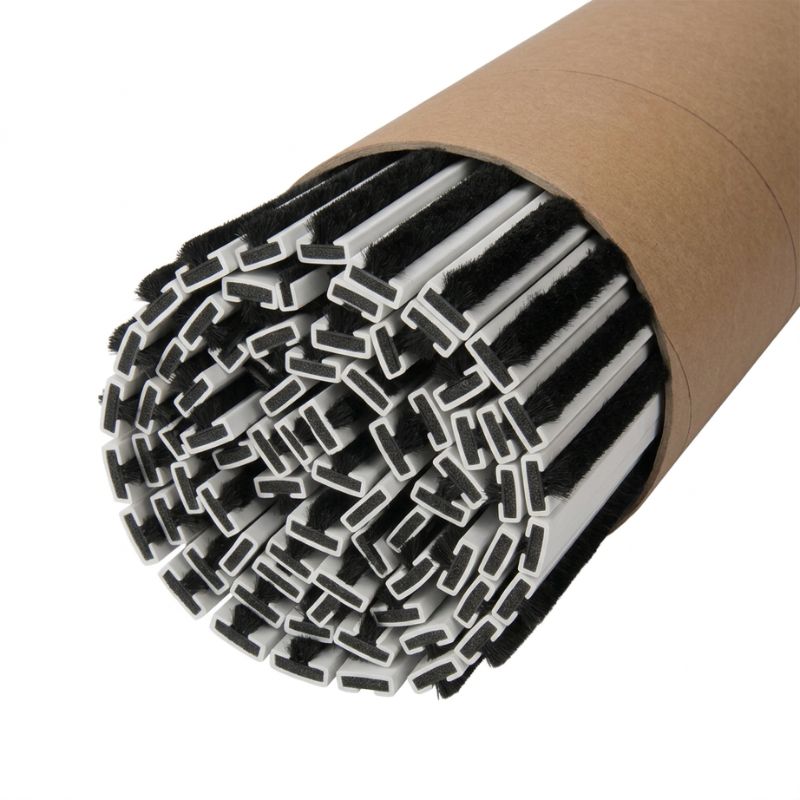
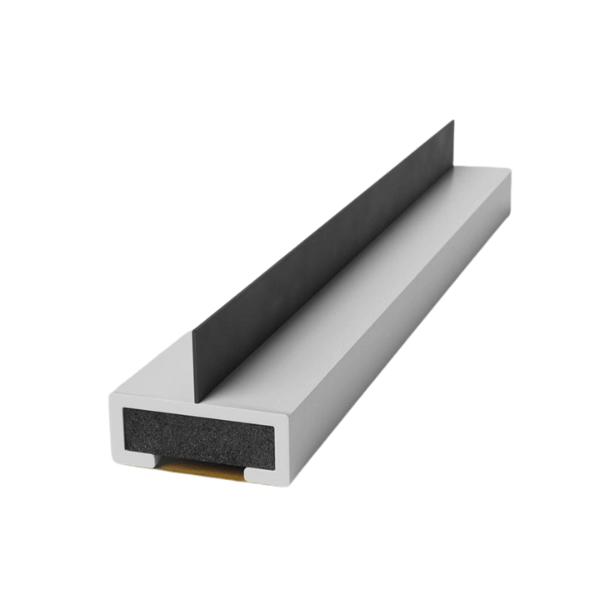
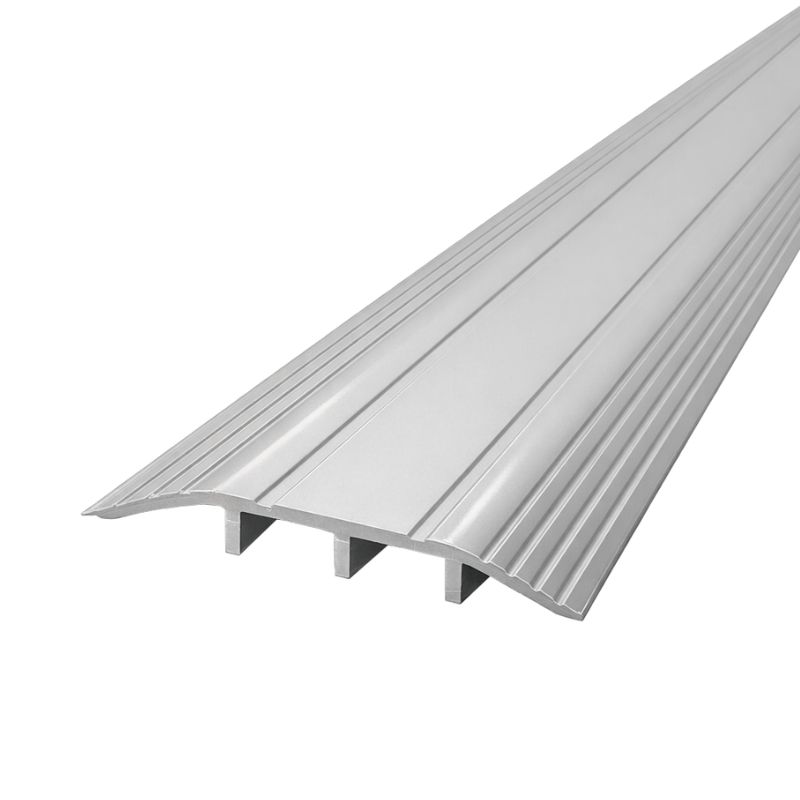
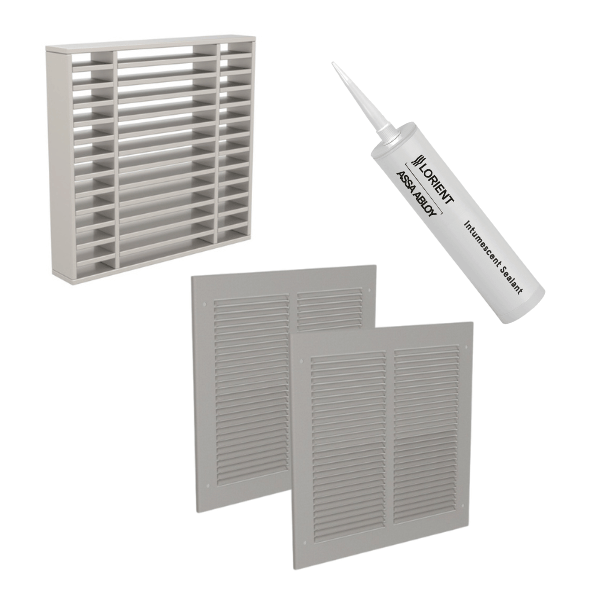
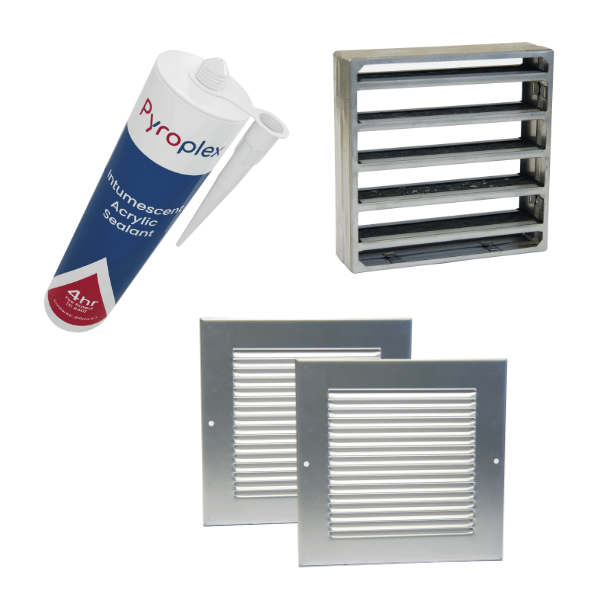
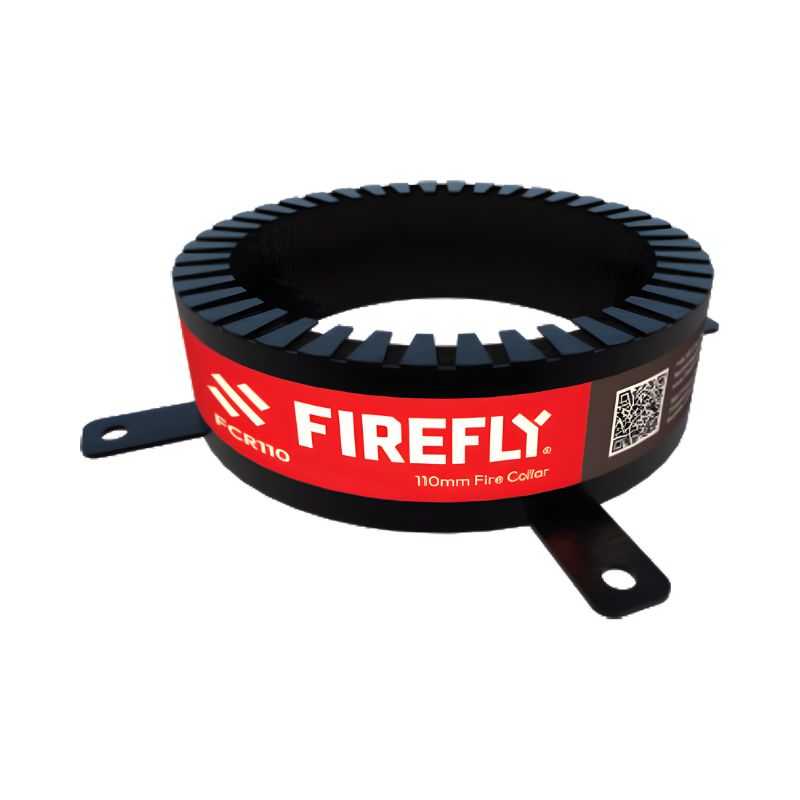
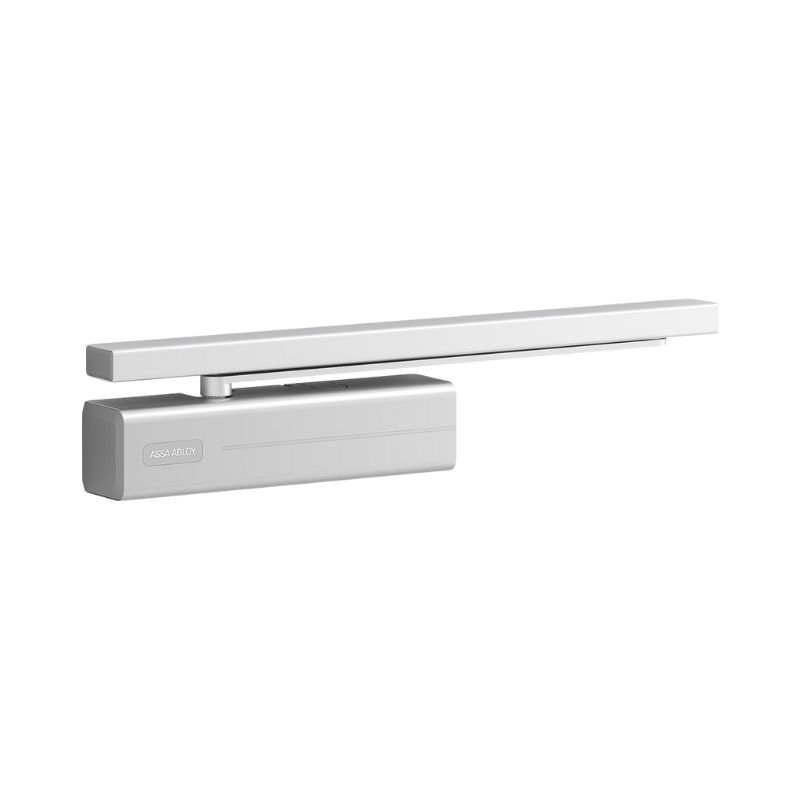
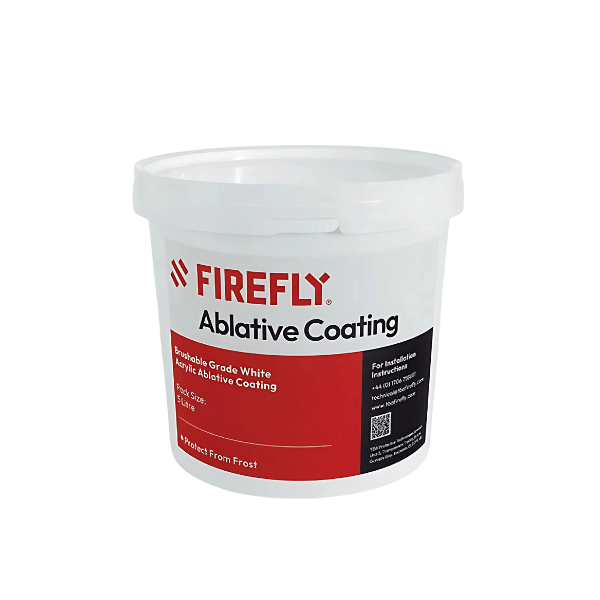
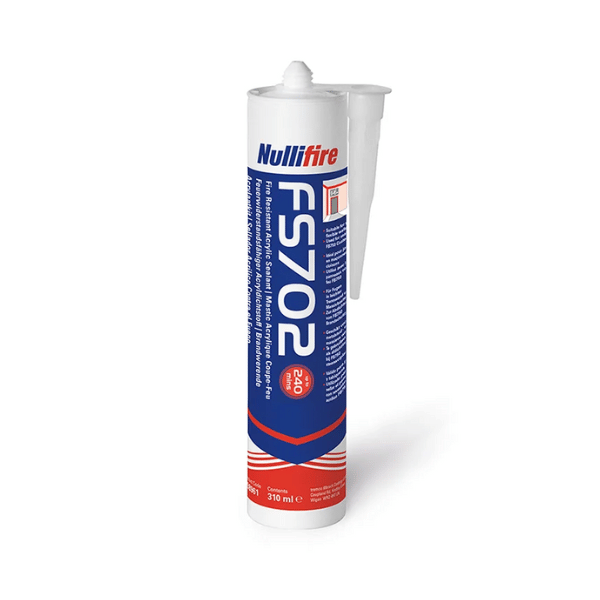
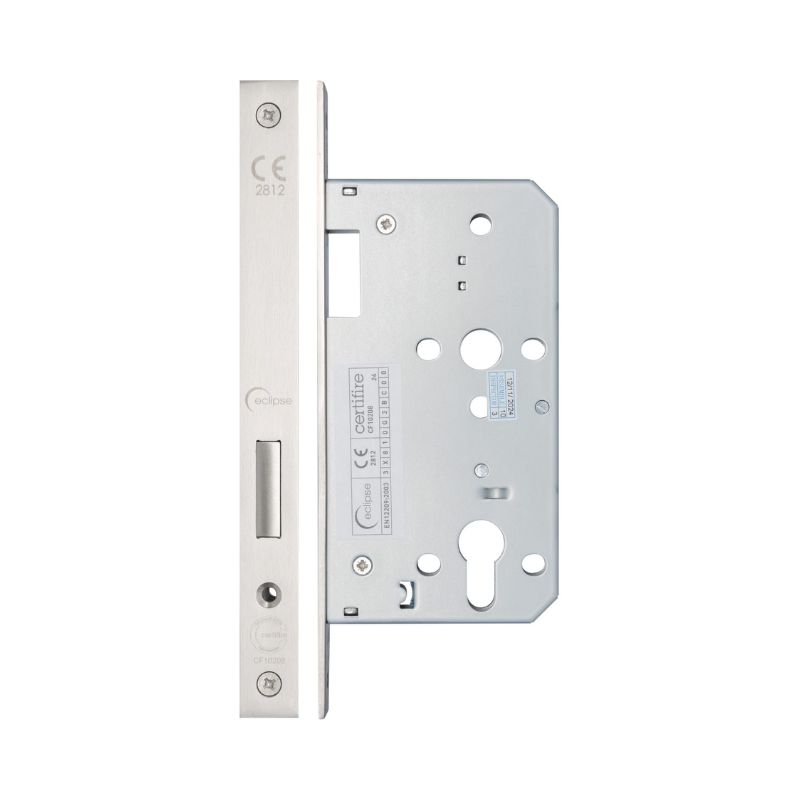
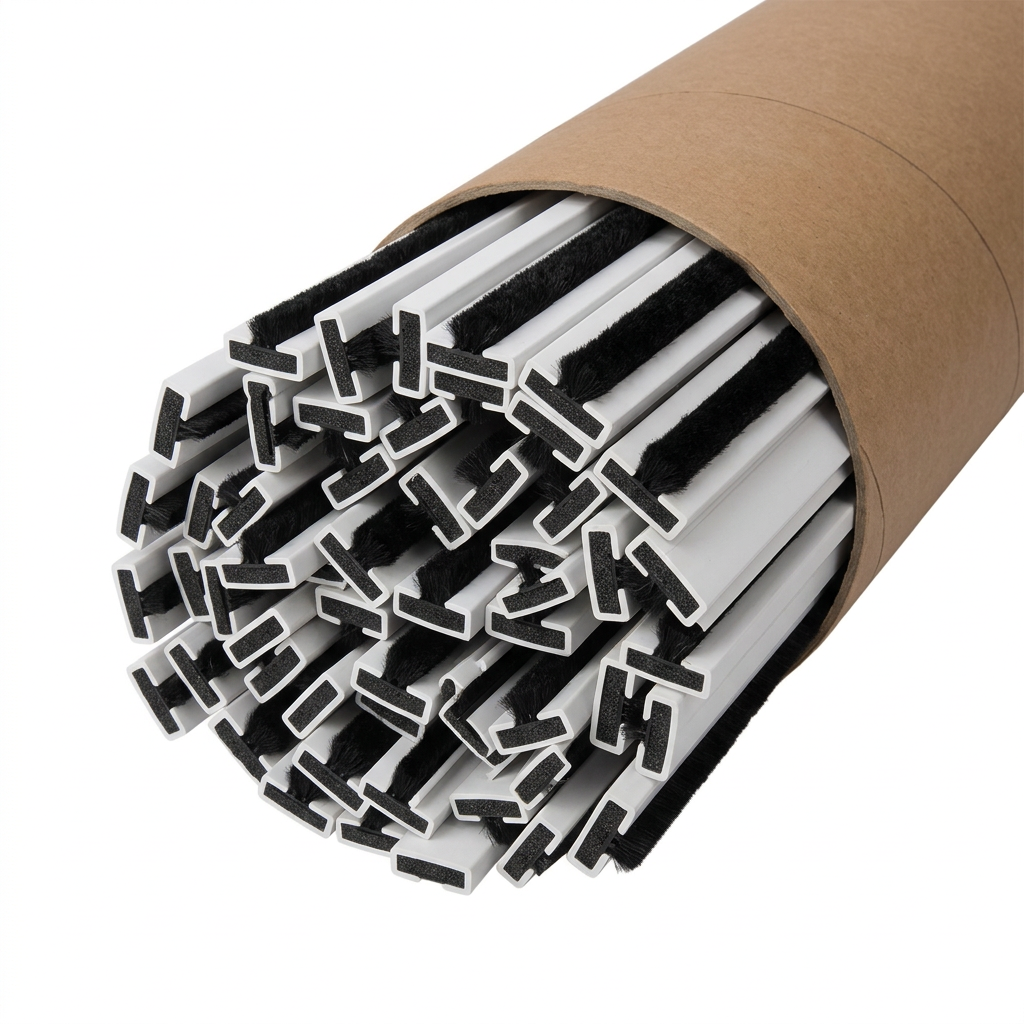
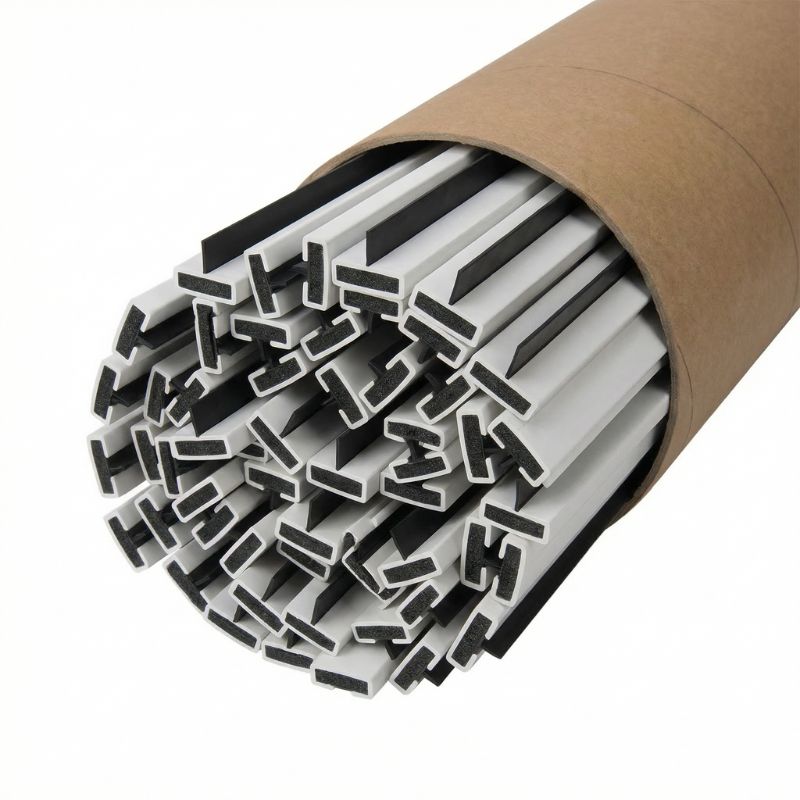
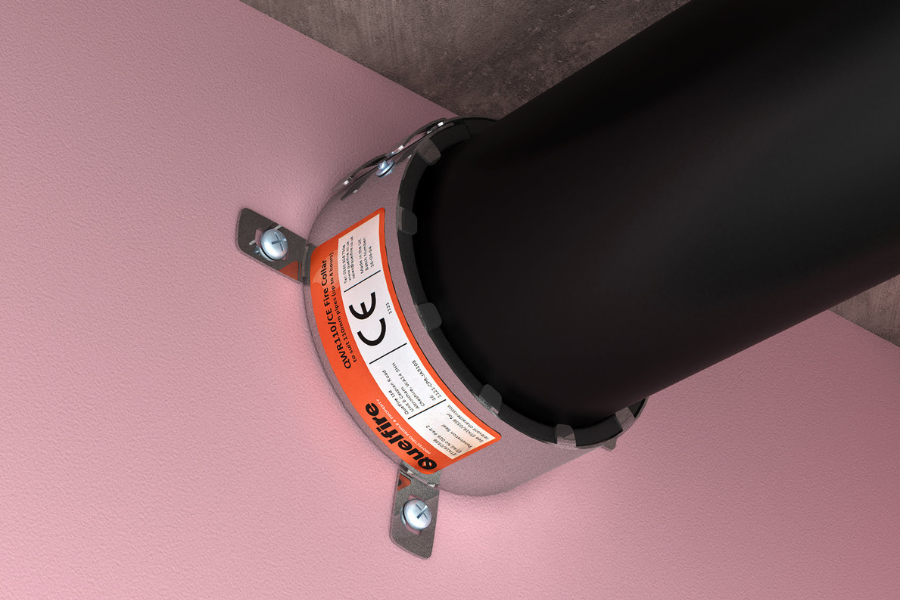
Passive fire protection products are inherently fire-resistant. Their role isn’t to extinguish fire – they contain flames and smoke and prevent their spread throughout the building and to do this they need to be fire-resistant for a period of time. Passive fire protection products include fire doors, fire door closers and other hardware, as well as fire wraps and intumescent strips. Some construction materials are naturally resistant to fire, while others (like wood, for example) will not have built-in protection and require additional measures. Materials such as these should be treated with products such as intumescent paint which is designed to create a protective barrier to protect the structure underneath in the event of a fire.
Who Is Responsible For Passive Fire Protection
Passive fire protection is required to meet building regulations that certify building users can safely escape and that the building itself won’t collapse. The responsibility for passive fire protection lies with the designers and the building owner in the initial stages – and following this, the building owner or manager must carry out regular fire risk assessments and include the review of certified passive fire components.
With the severity of failings exposed following the Grenfell disaster, which claimed 72 lives, there’s now huge importance placed on assigning responsibility and making massive improvements where a building’s fire safety is concerned. Dame Judith Hackitt’s review of building regulations and fire safety concluded that ‘the whole system needed major reform and residents’ safety needed to be a greater priority’. The government is now making changes to the draft Building Safety Bill, which will ensure assigned responsibilities and that certified standards are met.
How We Can Help
At FireSealsDirect, we stock a range of products including fire door hardware and fire stopping materials from trusted brands.
Need help selecting the right passive fire protection products? Get in touch with our technical team at [email protected] or call 02920 857 959.
You can also explore our Advice Centre, which offers a wide range of guides and useful information on fire safety, fire legislation and more.