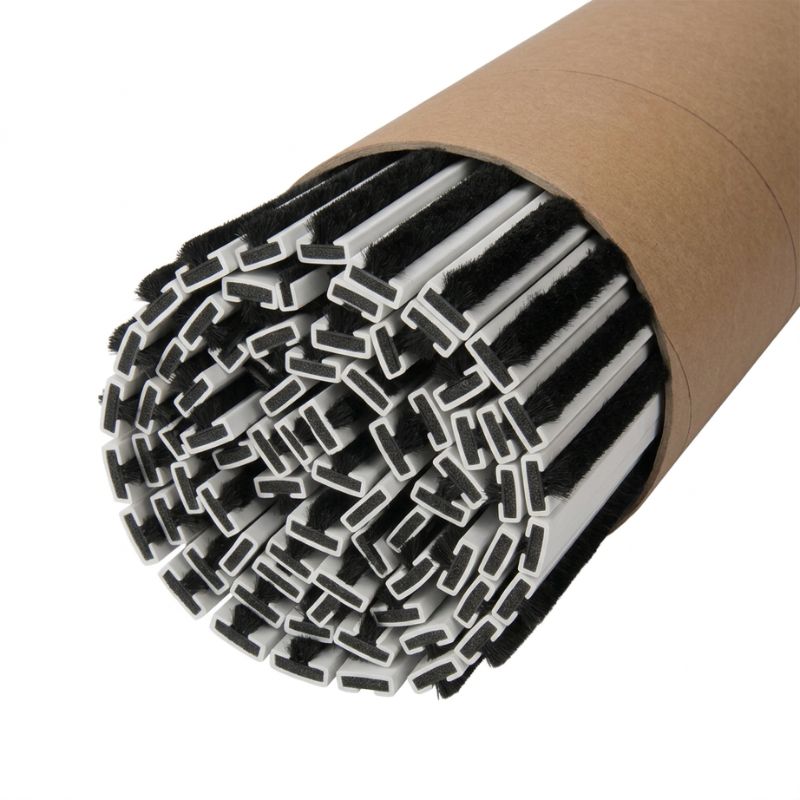
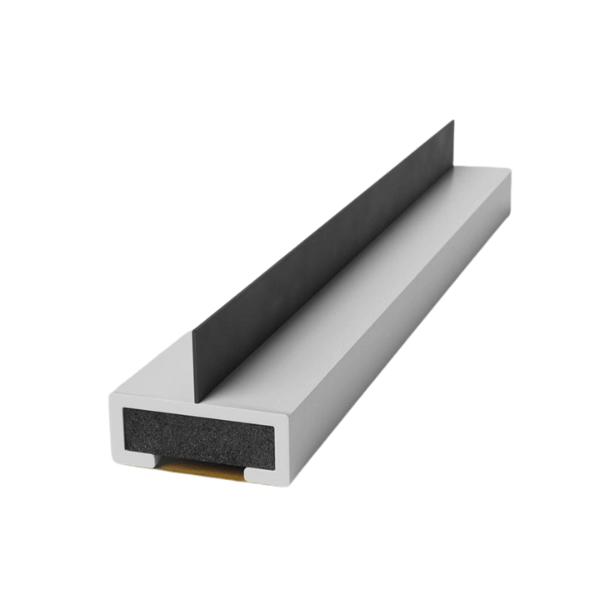
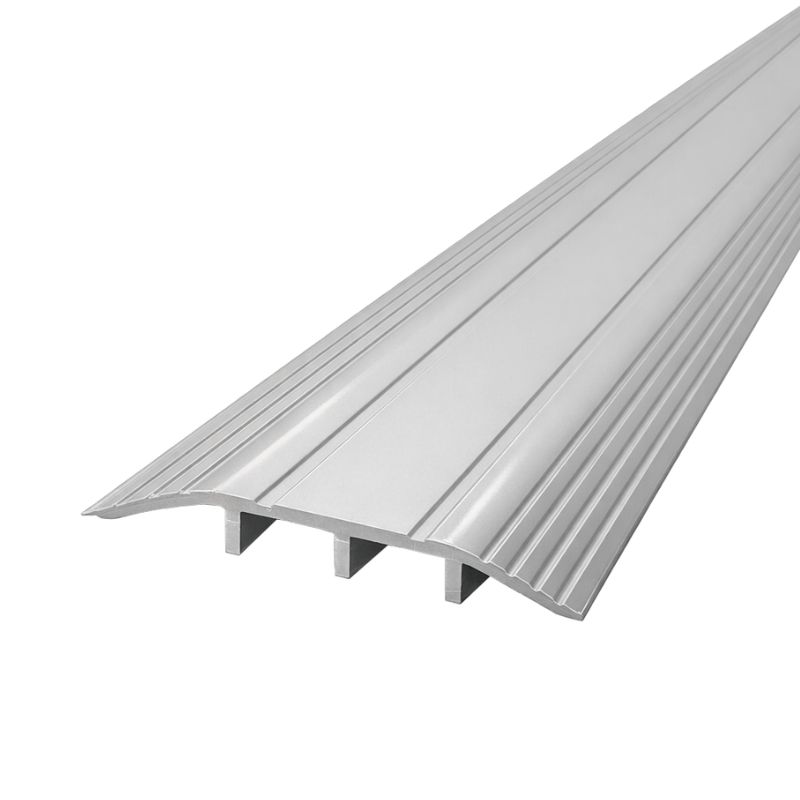
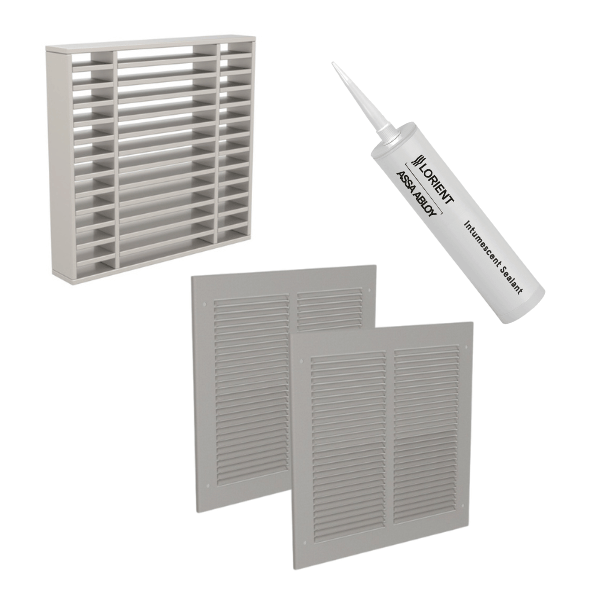
Passive fire protection (PFP) is an integral part of a property’s fire safety strategy, intended to slow down or limit the spread of fire for a certain period of time.
It is designed to offer integrity, stability and assurance that a building will safeguard lives and protect property by compartmentalising fire and smoke to one area, maximising the time available for occupants to evacuate.
When constructing a new building or performing maintenance or renovation work, passive fire protection must be considered to ensure it meets building regulations.
In this blog post we will explain what PFP is, the different types, and where to start with passive fire protection.
What is passive fire protection?
Passive fire protection is a term used for a broad range of systems and practices that work to compartmentalise a building through fire-rated walls, doors and floors.
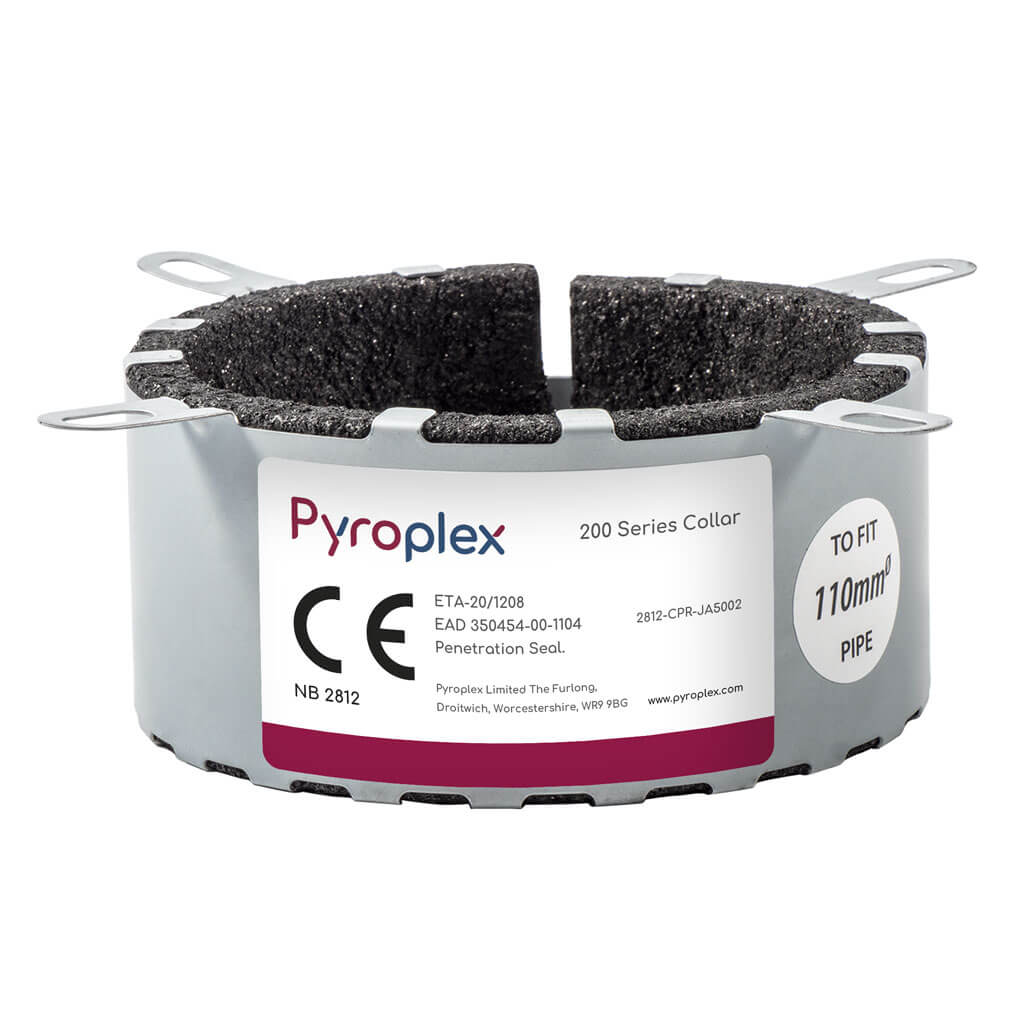
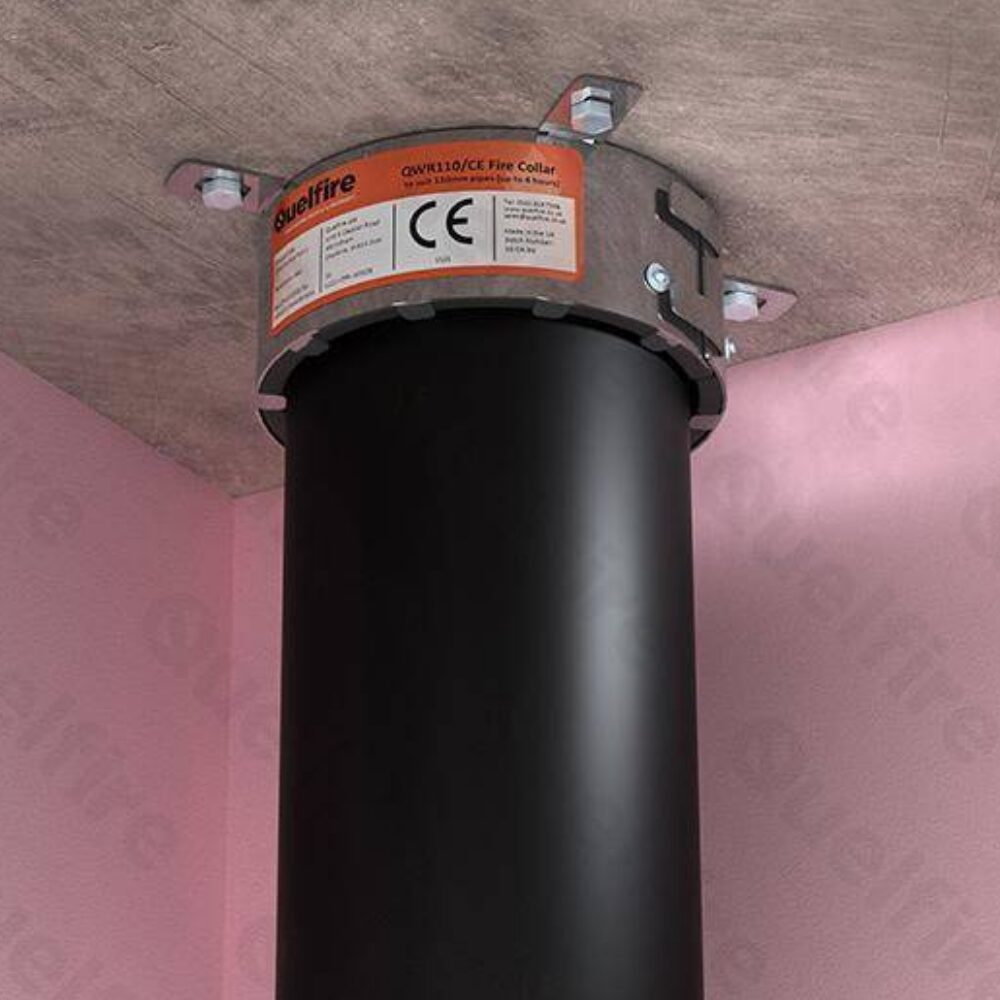
PFP products such as intumescent paint and fire collars are inherently fire-resistant or fire retardant. Their role isn’t to extinguish fire, but to contain fire and smoke, preventing their spread throughout the building, and to do this they need to resist a fire for a period of time.
UK passive fire protection regulations require all installation products to comply with fire resistance ratings in accordance with British standards.
What is the difference between passive and active fire protection?
Fire protection within a building not only requires passive fire protection, but also active fire protection systems. While these differ greatly from one another, they should work together to achieve an effective fire safety strategy.
Passive fire protection involves containing a fire to prevent further spread, while active fire protection detects and suppresses the fire through automatic or manual activation such as a fire extinguisher, or a smoke detector triggering an alarm.
Examples of Active Fire Protection Systems
- Fire extinguishers
- Smoke/fire alarm systems
- Sprinklers
- Hydrants
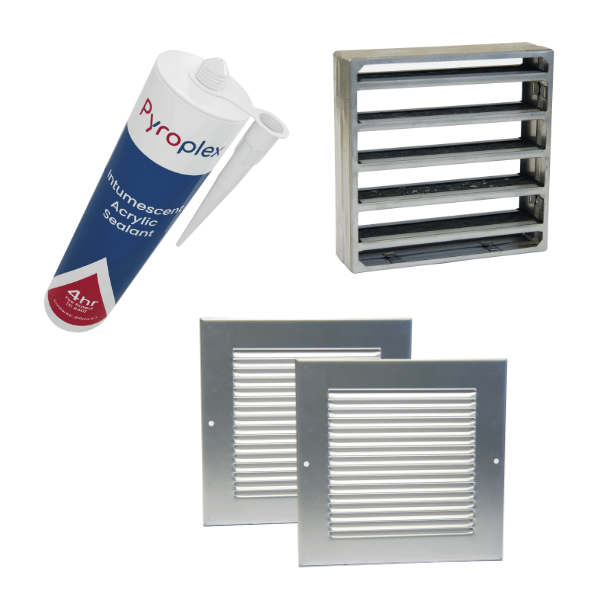
Examples of Passive Fire Protection systems
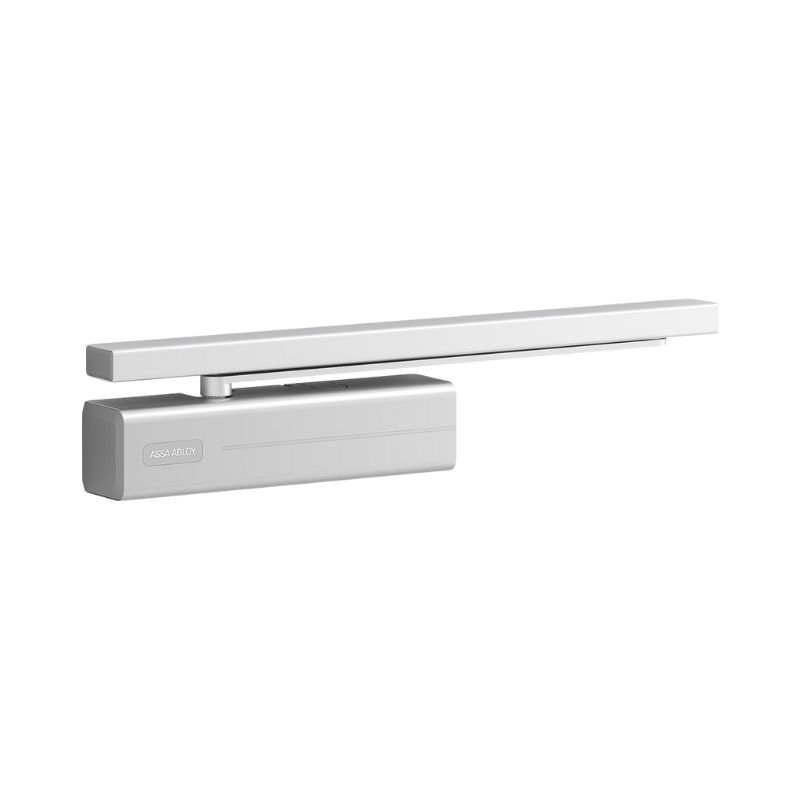
- Fire doors
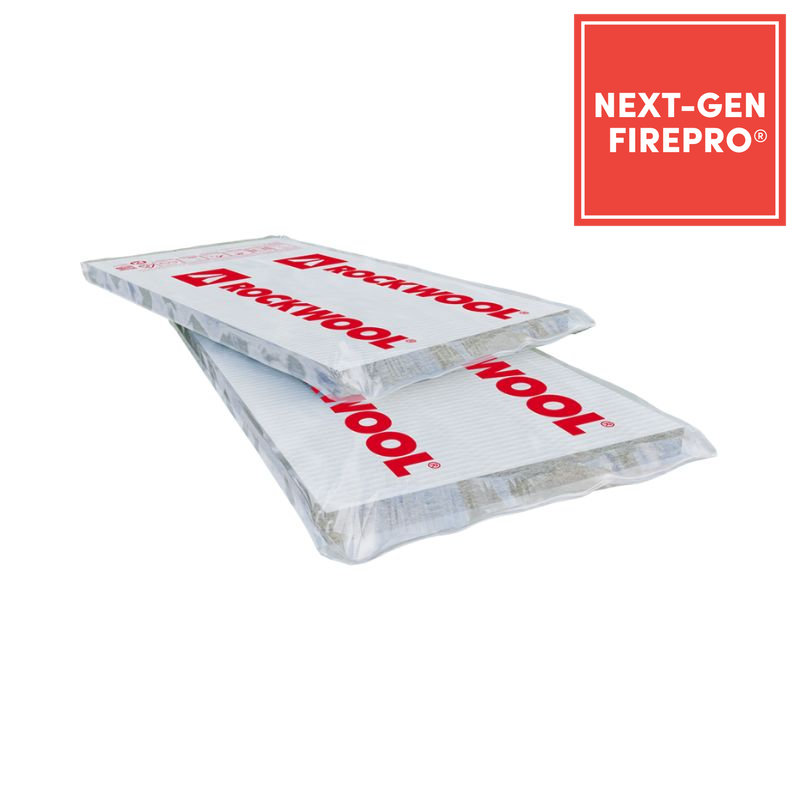
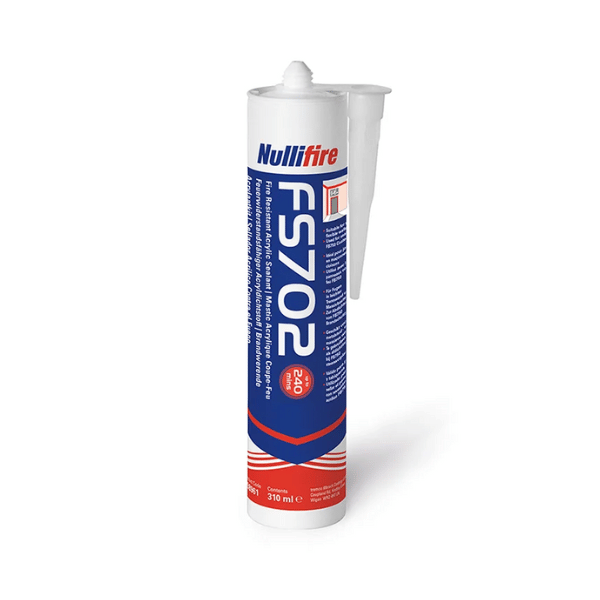
- Fire stopping
- Fire/smoke dampers
- Fire barriers
Find out more about the differences between passive fire protection and active fire protection.
What are different types of passive fire protection?
Fire Doors
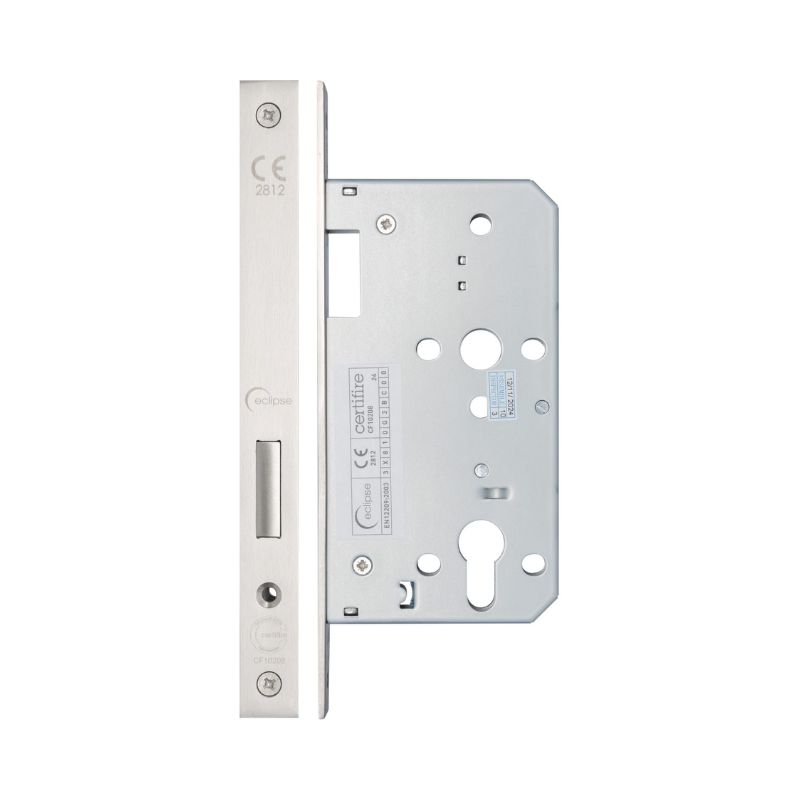
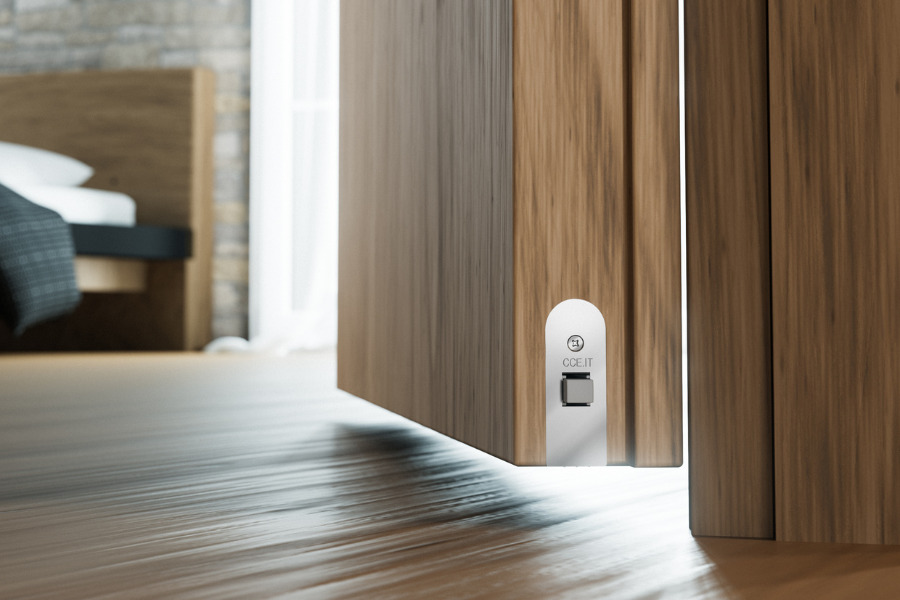
Fire doors work by preventing the spread of fire and smoke from one room or compartment to another.
They are made up of materials and components that have been tested to withstand fire and smoke for a given amount of time. This is usually 30 or 60 minutes, but can be higher for certain settings.
Fire doors don’t have any impact on putting the fire out. Instead, they contain the fire for a given amount of time, allowing inhabitants of the building more time to escape to safety.
Fire stopping
Similar to fire doors, fire walls and floors prevent the spread of fire through a building, so long as they’re maintained correctly.
Fire stopping between floors is crucial to ensure that a compartmentation strategy is being implemented correctly. Although services and pipes may need to cross level, it’s possible to maintain the fire rating of compartments by using the right fire stopping products such as pipe collars, wraps or fire batts.
Fire Barriers
Fire barriers are pieces of fire-resistant material used to create fire compartments in loft voids which help prevent the spread of fire across a loft space and between adjoining properties.
They can provide up to 2 hours fire integrity, and are most commonly installed in retail outlets, schools, supermarkets, manufacturing plants, and loft conversions.
Where to start with passive fire protection
One of the first things you need to do is complete a fire risk assessment within your building to identify any areas that aren’t adequately protected consulting the help of fire safety guides, or if you do not have the time or expertise, you can consult a ‘competent person’ such as a qualified fire risk assessor to complete this for you.
If no protection or damaged systems are detected you must find the appropriate solution and ensure it is installed by a qualified person so that your system complies with the latest regulations.
Keep a record of your findings and a report of all work carried out so you can show your building inspector or local fire department upon inspection.
How we can help
At FireSealsDirect we pride ourselves in being passive fire protection experts, and supply a wide range of products to help increase fire protection in buildings across the UK.
Need some help or advice? Contact our technical team at [email protected] or call us on 02920 857 959 for more information.
Alternatively you can visit our Advice Centre which contains helpful guides and information.