



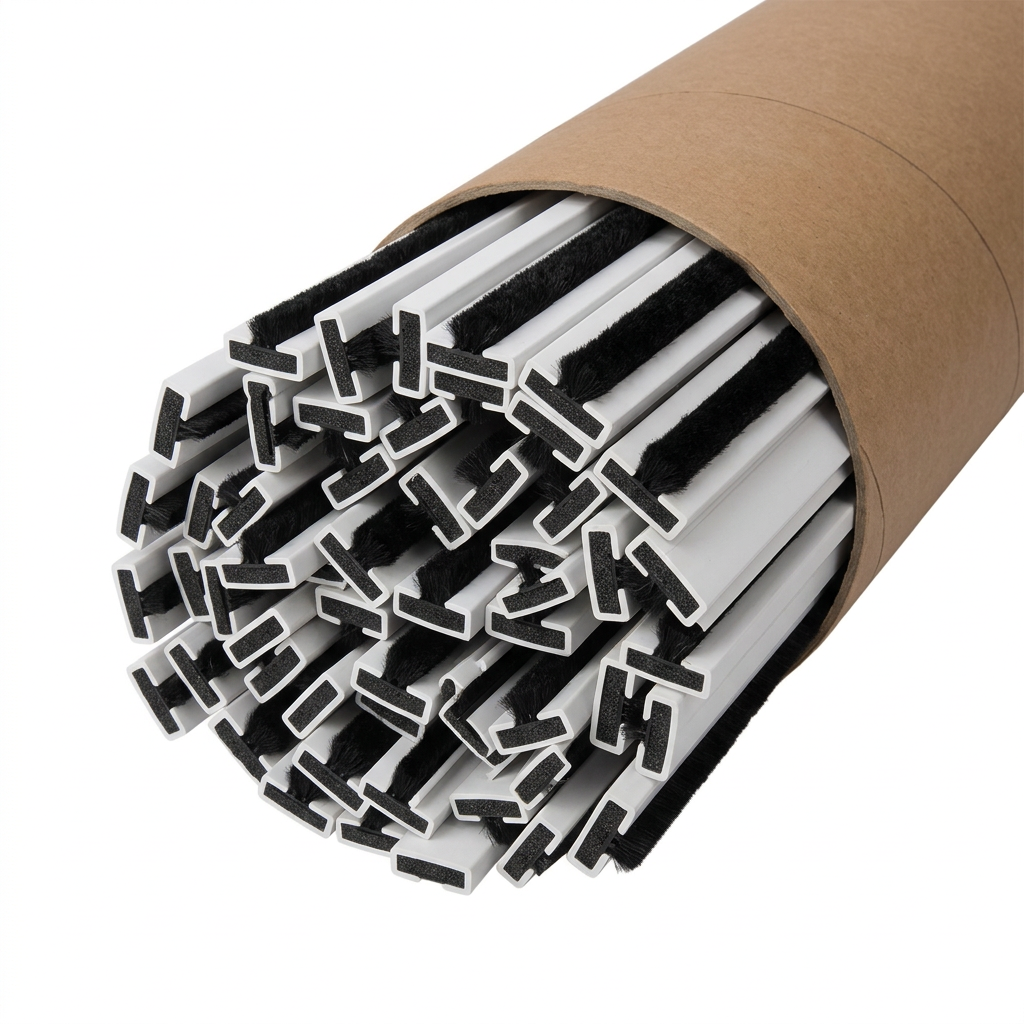
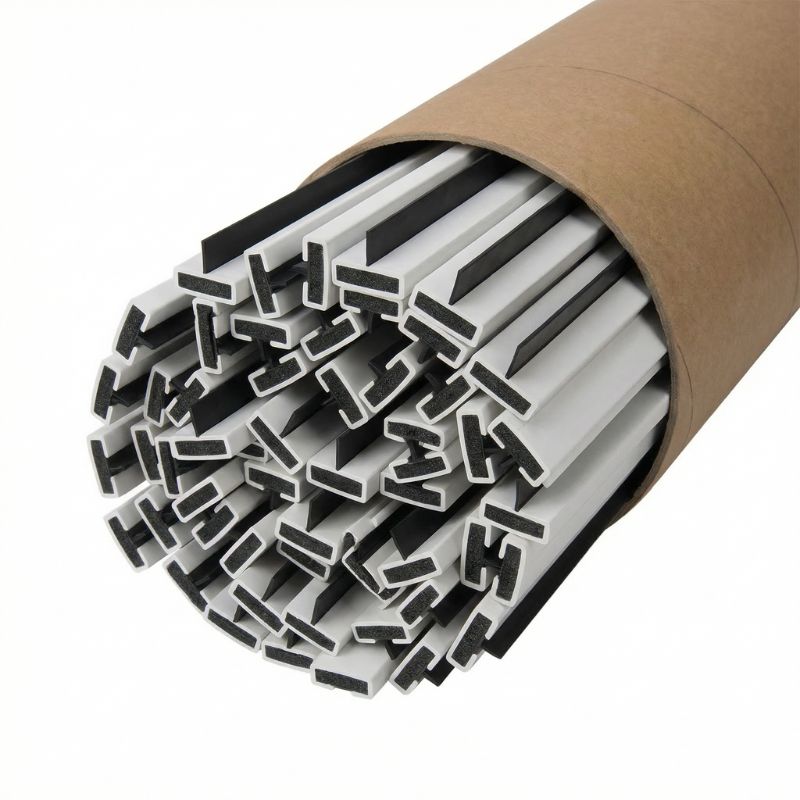
Intumescent Strip FAQs
Intumescent strip FAQs made simple - learn what they do, where they’re required, and how to ensure your fire doors meet safety standards.

Written by Rebecca
12th August 2025

Intumescent strips are a vital component in any fire door assembly, playing a critical role in compartmentation and life safety. Whether you're installing new fire doors or upgrading existing ones, selecting and installing the correct strips is essential for regulatory compliance and effective fire performance.
In this blog, we answer some of the most frequently asked questions about intumescent strips to help you make informed decisions and ensure your fire doors perform as intended in the event of a fire.
What are intumescent strips used for?
Intumescent strips are specially designed seals that are installed into a routered groove around the perimeter of a fire-rated door or frame. Their primary function is to help contain fire within a compartment, allowing occupants more time to evacuate safely or, in some cases, remain inside if the fire is directly outside the compartment, providing valuable time for firefighters to carry out rescue efforts.
When exposed to extreme heat during a fire, the intumescent material expands to many times its original state, filling the gaps between the door and frame to restrict the spread of flames, smoke and toxic gases.
Are intumescent strips a legal requirement on fire doors?
Yes, intumescent strips are a mandatory component on fire doors in order to comply with UK fire safety regulations. The fire door manufacturer’s datasheet will specify the type, size and configuration of intumescent strips that have been tested and certified for use with that particular door leaf.
How do intumescent strips work?
Intumescent strips remain inactive under normal conditions, only activating when reaching high temperatures. As they expand, they form a protective char that seals the space between the door and frame, offering 30 or 60 minutes of fire resistance, depending on their rating.
Find out more about intumescent strips and how they work.
What are intumescent strips made of?
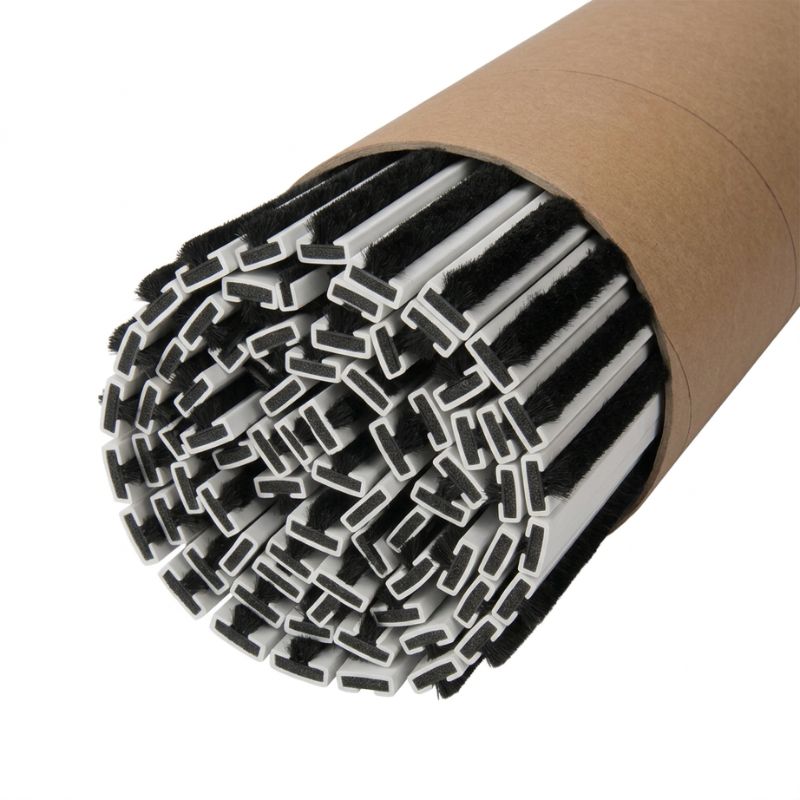
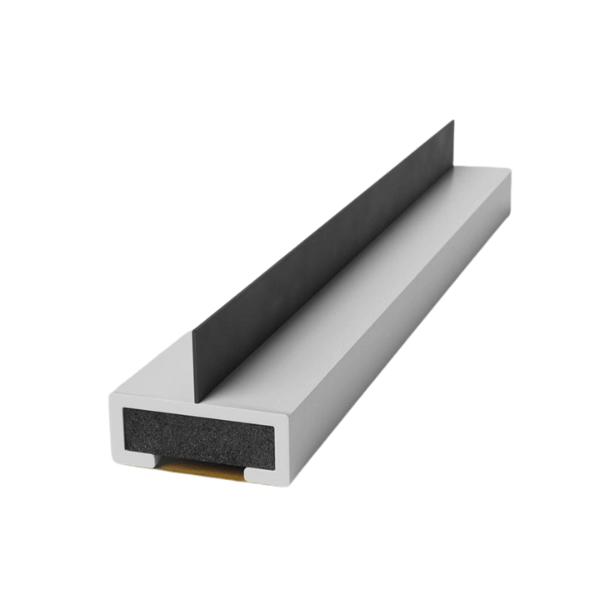
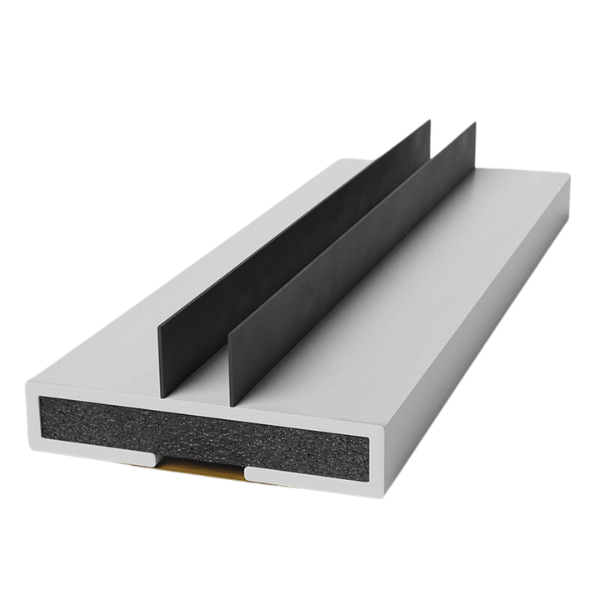
Intumescent strips typically feature a durable PVC-u outer casing with a reactive core that expands when exposed to heat. They are supplied with a high-strength self-adhesive backing, making them quick and easy to install.
There are various types of intumescent materials, such as graphite or sodium silicate, each offering slightly different performance characteristics, including activation temperature and expansion volume. For full specifications and suitability, check the manufacturer’s datasheet.
Discover more about the different types of intumescent materials and how they behave in fire conditions.
How many intumescent strips are required per fire door?
The quantity of strips required will depend on the size of the door leaf or frame. As intumescent strips are usually supplied in 2.1 m lengths, a typical fire door will require three strips - two for the vertical edges and half of one for the top (head).
For FD60 doors, it is often specified to fit two strips side-by-side along each edge, increasing the requirement to five lengths in total.
What size intumescent strip do I need for my door?
Strip width is determined by the fire rating and certification of the fire door. Common sizes include 10mm, 15mm and 20mm. As a general rule:
- FD30 fire doors typically require 10mm or 15mm intumescent strips.
- FD60 fire doors may require 20mm or 25mm strips, or two narrower strips, such as 15mm fitted side-by-side, depending on the test evidence.
Always refer to the door manufacturer’s specification and certification documents to determine the correct size and configuration.
Do fire doors require intumescent strips on the bottom of the fire door?
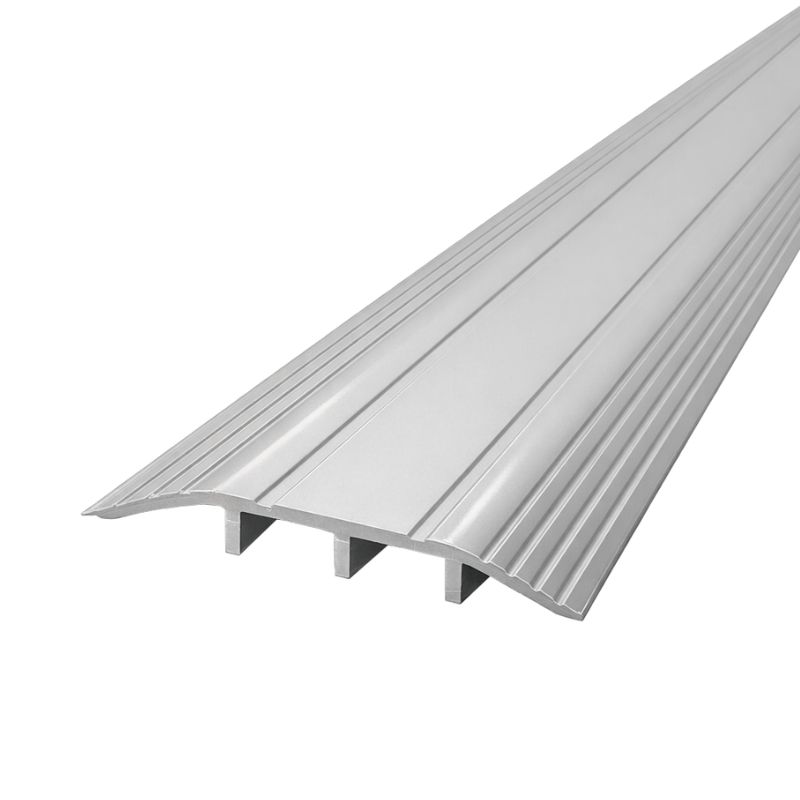
Intumescent strips are not required along the threshold of a fire door. Where a large gap exists, particularly in doors requiring smoke control, a drop down seal may be suitable.
How do you install intumescent strips around hinges or locking systems?
Intumescent strips must be cut cleanly around ironmongery such as hinges, locks and latches. All hardware must be protected using intumescent materials (e.g. hinge pads and lock protection) to maintain the door’s integrity under fire conditions.

Can you paint over intumescent strips?
While painting over fire-only strips may not affect their core function, multiple coats can inhibit expansion. Always refer to the manufacturer’s recommendations.
Strips with integrated smoke seals, such as a brush or fin, should never be painted over as it can compromise their effectiveness.
What is the difference between an intumescent strip and a cold smoke seal?
Intumescent strips are designed to expand under extreme heat during a fire, helping to contain flames. Cold smoke seals, on the other hand, prevent the spread of smoke in the early stages of a fire, before it reaches high temperatures.
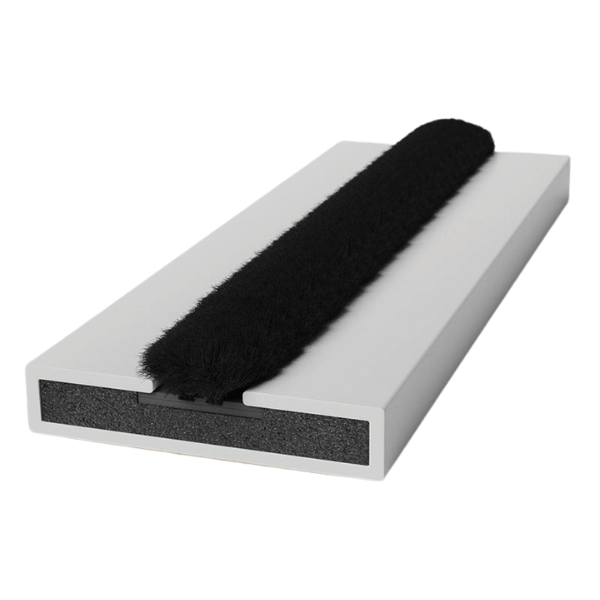
Many fire doors use combination seals that integrate both elements into a single strip, providing dual protection.
What is the difference between a brush and fin seal?
Fin or flipper seals typically provide superior acoustic performance, reducing sound transmission more effectively than brush or pile seals. Additionally, fin seals are easier to clean and maintain, as their smooth surface does not trap dust and debris as bristles can.
How we can help
With 50 years of industry experience, we supply an extensive range of passive fire protection products, including intumescent strips from leading manufacturers such as Lorient and Pyroplex.
Our knowledgeable team are here to support you with product selection, compliance advice and installation best practices.
📞 Call us on 02920 857 959
💬 Use our Live Chat feature
📧 Email us at [email protected]
For more expert insights, visit our Advice Centre for guidance on fire safety legislation and product installation.
Related Articles
How To Firestop Service Penetrations
Learn how to effectively firestop service penetrations to maintain compartmentation, meet regulations...
Read more
Intumescent Fire Pillows Explained
Discover how intumescent fire pillows offer reliable fire-stopping in locations requiring ongoing...
Read more
What Is The Difference Between Fire Integrity and Fire Insulation?
Discover the key differences between fire insulation and fire integrity, and why...
Read more