



How To Retrofit Fire Doors In Older Buildings
Learn about upgrading old doors to meet fire safety standards and get practical advice on retrofitting fire doors in historic buildings.

Written by Rebecca
23rd December 2024

Retrofitting fire doors in older buildings, particularly listed or historic properties, can present unique challenges. However, installing fire doors is crucial for enhancing the safety of occupants and ensuring compliance with fire safety regulations.
In this blog, we’ll answer key questions, including whether it’s possible to upgrade an old door to meet fire safety standards and provide practical advice on retrofitting doors in historical buildings.
Can you make an old door a fire door?
‘Can you modify a regular door to become a fire door?’ is a common question, and the short answer is no. Fire-rated doors are designed to withstand fire for a specified period, typically 30, 60, or 90 minutes. Older doors may not meet current standards and could fail to provide the necessary fire resistance that the building requires.
The safest and most effective approach is to replace old doors with certified fire doors designed to perform under fire conditions. These doors undergo rigorous testing and are installed with fire-rated hardware to ensure the integrity of the door is maintained.
However, if you’re working with a listed building or one of historical importance, replacing the door might not always be feasible due to aesthetic or preservation concerns. In such cases, you may need to consult with a conservation officer or fire safety specialist to ensure compliance with fire safety standards while preserving the character of the building.
How to retrofit fire doors in older buildings
Retrofitting a door in an old or historic building requires careful planning, expertise and adherence to both fire safety regulations and heritage conservation guidelines.
Historic England has published a Guide to the Fire Resistance of Historic Timber Panel Doors to assist with the remediation and upgrading of fire doors in historic buildings.
Assess the building and existing doors
Conducting a thorough fire risk assessment of the building’s layout, fire risks and existing doors is the first step to determining the level of protection that the building requires in line with regulations.
Determine if the current doors can be upgraded to meet fire safety standards or if new fire doors are required. Engage a fire safety consultant and, where necessary, a heritage conservation expert to ensure compliance with regulations like the Fire Safety Order and conservation laws.
Choose appropriate fire doors
Select fire doors that align with the building's architectural style. In many cases, bespoke fire doors are required to replicate the design, materials and craftsmanship of the original doors while meeting current fire safety standards (e.g. FD30 or FD60).
Upgrade existing doors (if feasible)
If replacing the doors isn’t viable due to heritage considerations, consider retrofitting the existing ones. Upgrades to the door must include:
- Intumescent Strips
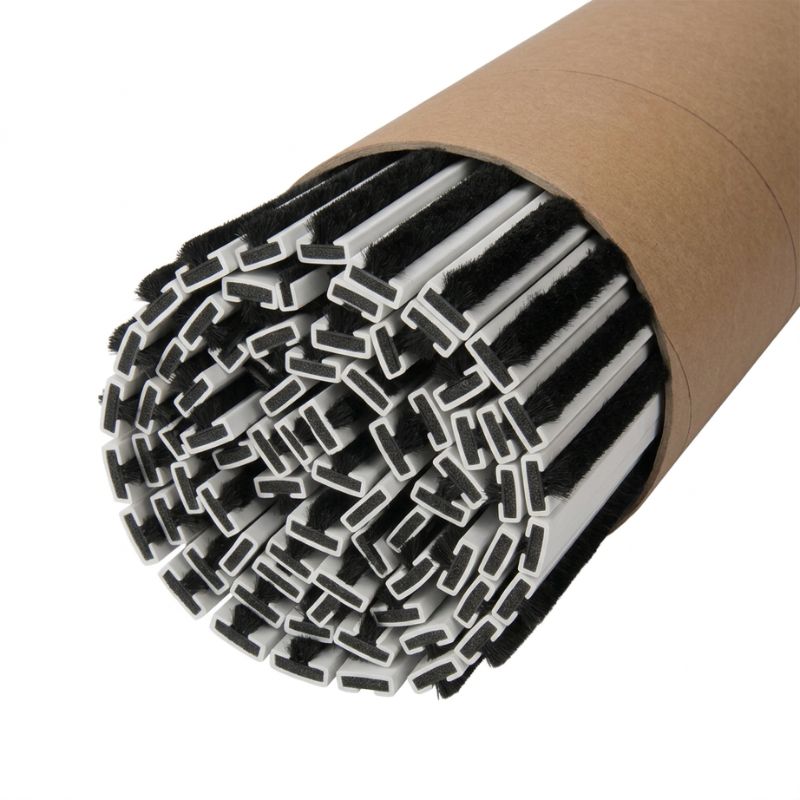
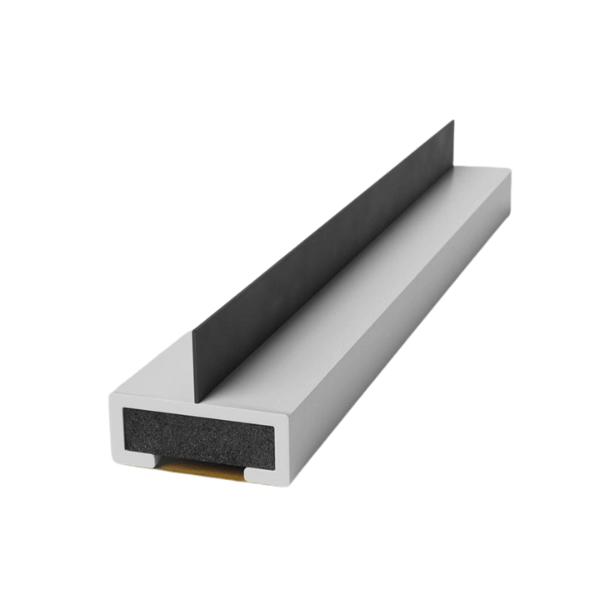
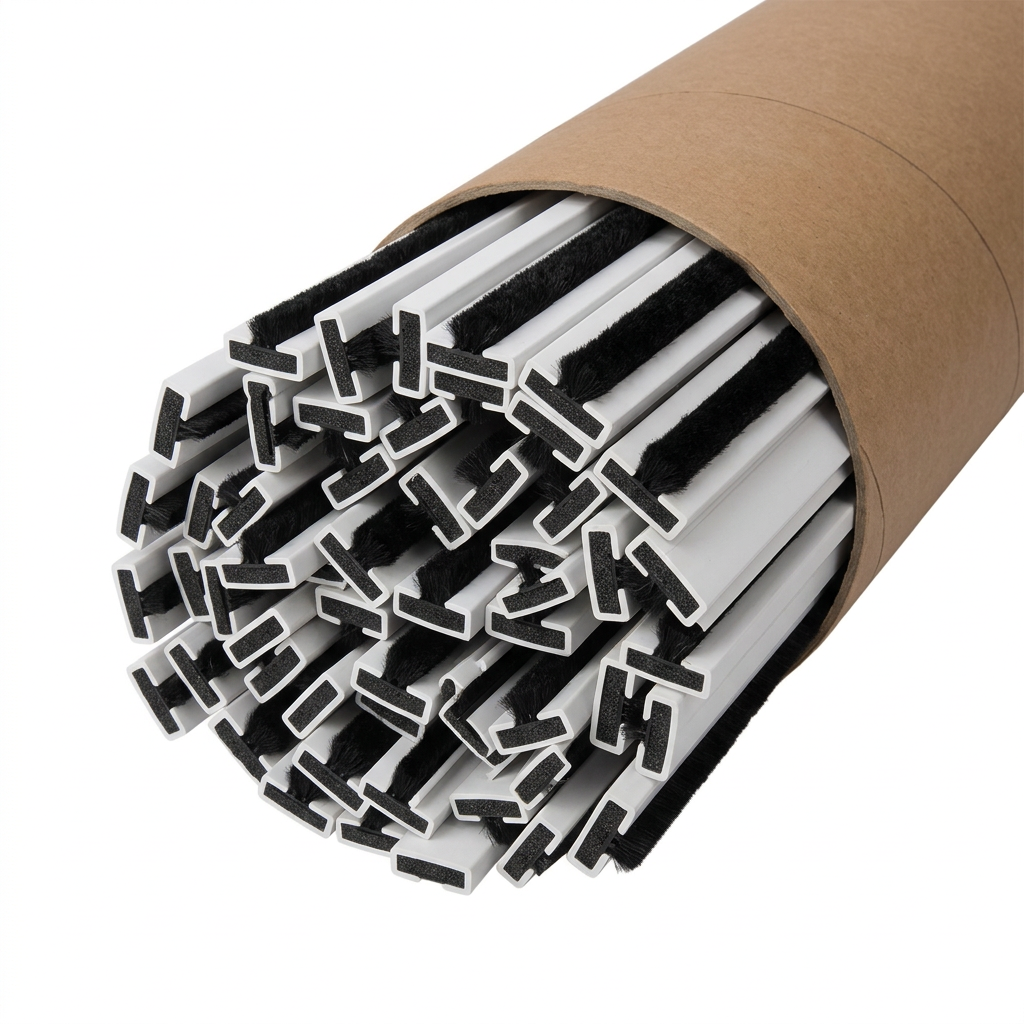
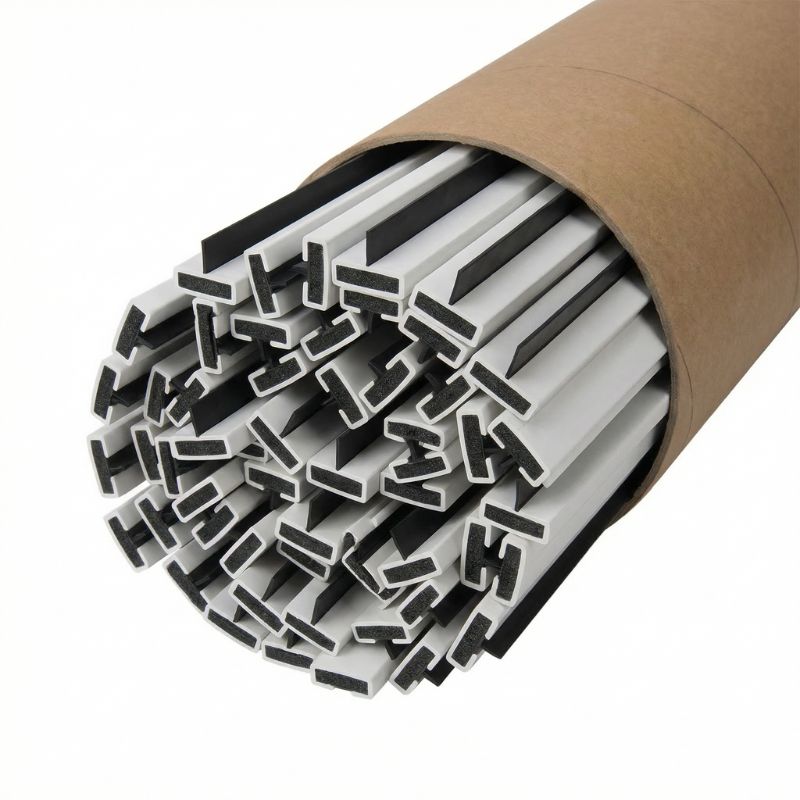
All internal fire doors require intumescent strips that expand when exposed to extreme heat to seal the gap between the door and the frame.
- Fire-Rated Glazing
If the door has any glazing, the glass panels must be replaced with fire-rated glass and installed with glazing seals to prevent the spread of fire and smoke.
- Hardware & Ironmongery
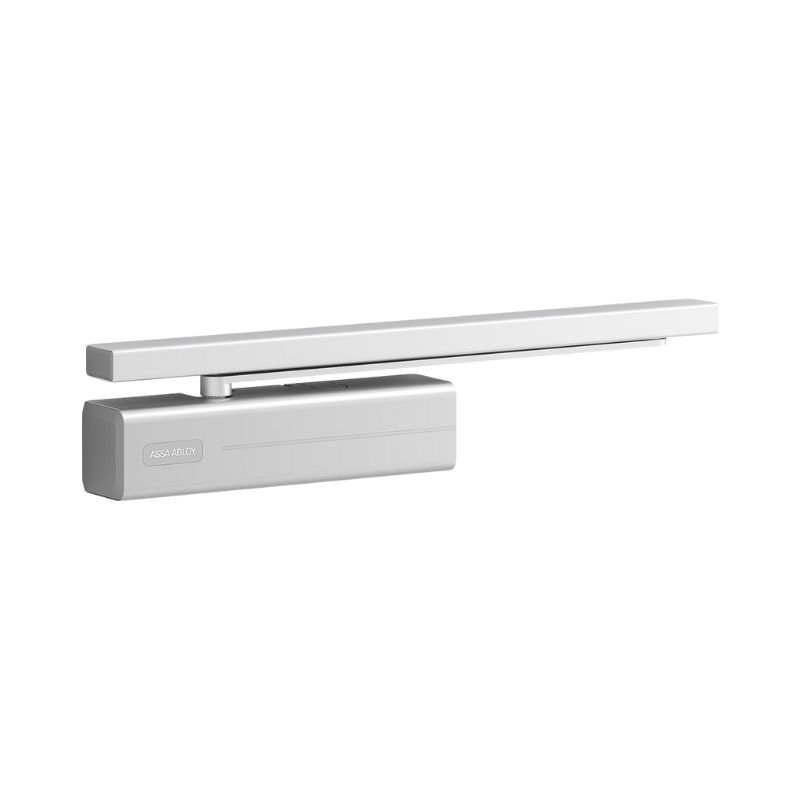
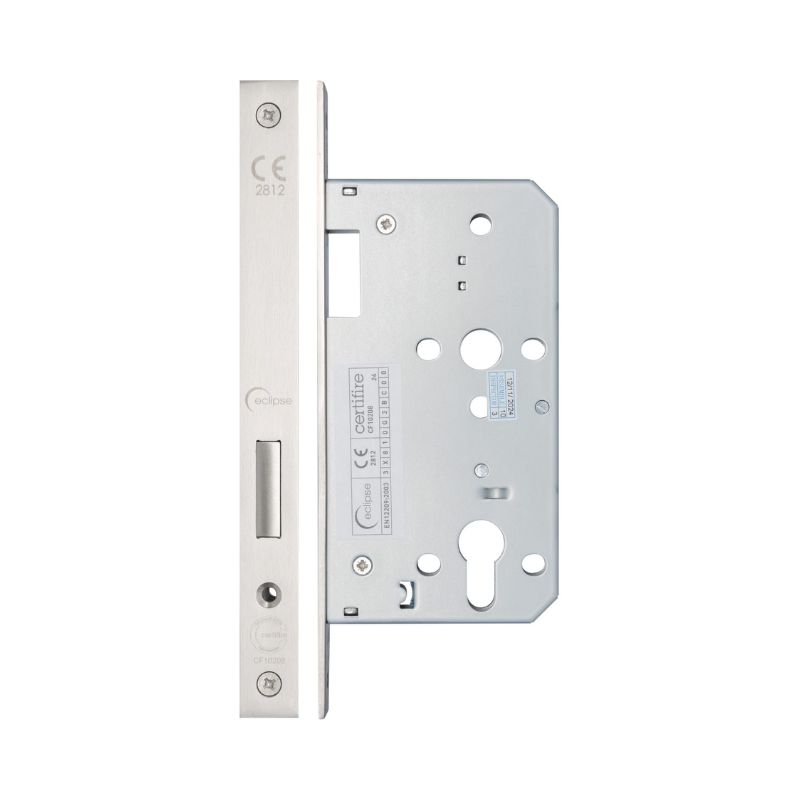
Hardware must be upgraded to fire-rated components to maintain the door's integrity. Each door requires at least three CE-marked fire-rated hinges to prevent warping, along with fire-rated locks or latches. An automatic fire door closer is also essential to ensure the door shuts into the frame securely after every use.
Find out more about essential fire door ironmongery.
- Drop Down Seal
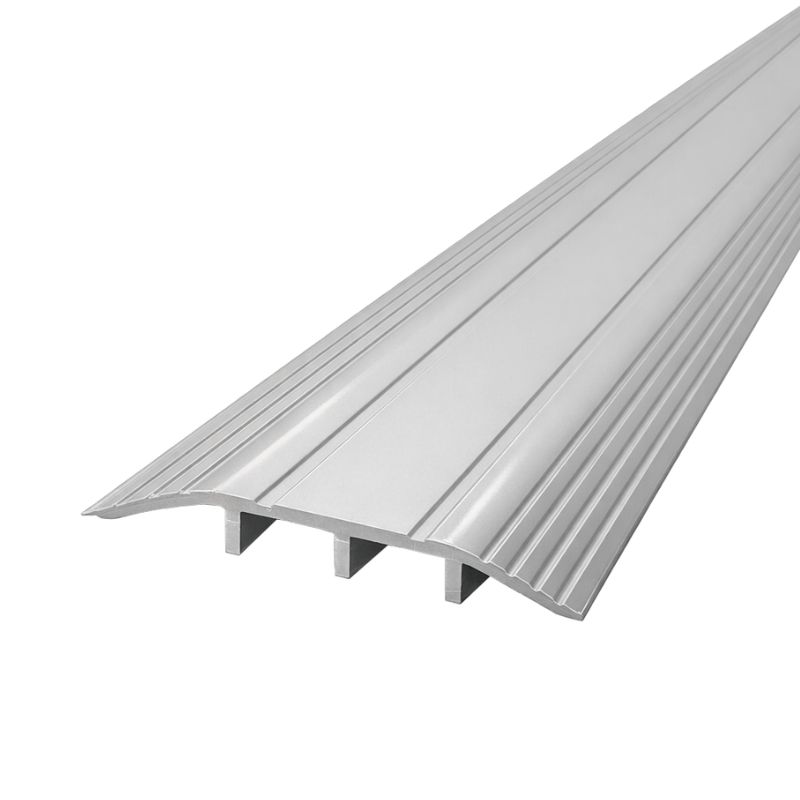
A drop-down seal can be added to the door's bottom to cover a large threshold gap, preventing smoke and flames from passing through. It can be rebated or surface-mounted, however, for remedial work, a surface-mounted model may be more suitable.
Ensure compliance with fire and heritage standards
Consult with local fire authorities and heritage bodies to confirm that the retrofitted doors meet the required standards. Obtain any necessary permissions before making structural or aesthetic changes to the building.
Professional installation
Fire door installation should be carried out by qualified professionals to ensure proper fitting and functionality, as poor installation can compromise fire resistance and safety. In historic buildings, this is especially important to protect not only occupants but also the cultural significance and heritage these structures represent.
Regular maintenance and inspection
Once installed, fire protection doors should be regularly inspected and maintained to ensure continued compliance. Download our free fire door inspection checklist to ensure fire doors remain effective.
Can you fit a fire door to an existing frame?
Fitting a fire door to an existing frame is possible, but it requires careful evaluation of the frame's compatibility with the door.
The frame must be structurally sound, fire-resistant and able to support the weight of the fire door and its hardware. If the frame doesn't meet these criteria, it may need to be upgraded or replaced.
For historic buildings, the rules can be complex due to preservation requirements. While fire safety regulations still apply, any modifications must also comply with conservation laws, which may restrict changes to the original structure. In these cases, specialised advice from both fire safety experts and heritage professionals may be required.
How we can help
We are a family business with 50 years experience in the field of fire safety, offering a wide range of fire door and firestopping products from trusted brands.
Our expert customer care team are on hand and ready to assist with any queries you may have about our product range. Reach out to us through our live chat feature or email us at [email protected].
You can also check out our Advice Centre, offering a host of guides and useful advice on fire safety, fire legislation and more.
Related Articles
What Are The Fire Door Ironmongery Regulations?
Discover the importance of fire-rated ironmongery in fire door installations, the regulations...
Read more

How Does Smoke Spread In A Fire?
Find out how smoke spreads during a fire and how passive fire...
Read more
5 Common Fire Door Fitting Mistakes to Avoid
Check out our guide on the top five mistakes in fitting fire...
Read more