
5 Common Fire Door Fitting Mistakes to Avoid
Check out our guide on the top five mistakes in fitting fire doors and how to avoid them.

Written by Rebecca
22nd November 2024
Fire doors are essential in containing the spread of flames and smoke, giving people the critical time they need to evacuate safely in the event of a fire. However, to perform this life-saving function effectively, they must be fitted correctly.
Even a small mistake or failure to adhere to the installation instructions provided by the door or hardware manufacturer can result in a non-compliant fire door. In this blog, we'll cover five common fire door fitting mistakes and how to avoid them.
1. Excessive gaps
When installing an internal fire door, it is vital that the door fits within the frame with a consistent 2-4mm gap around the perimeter, as specified by fire door regulations. If these gaps are too large, fire and smoke will easily pass through, so precise measurement and installation are fundamental for safety.
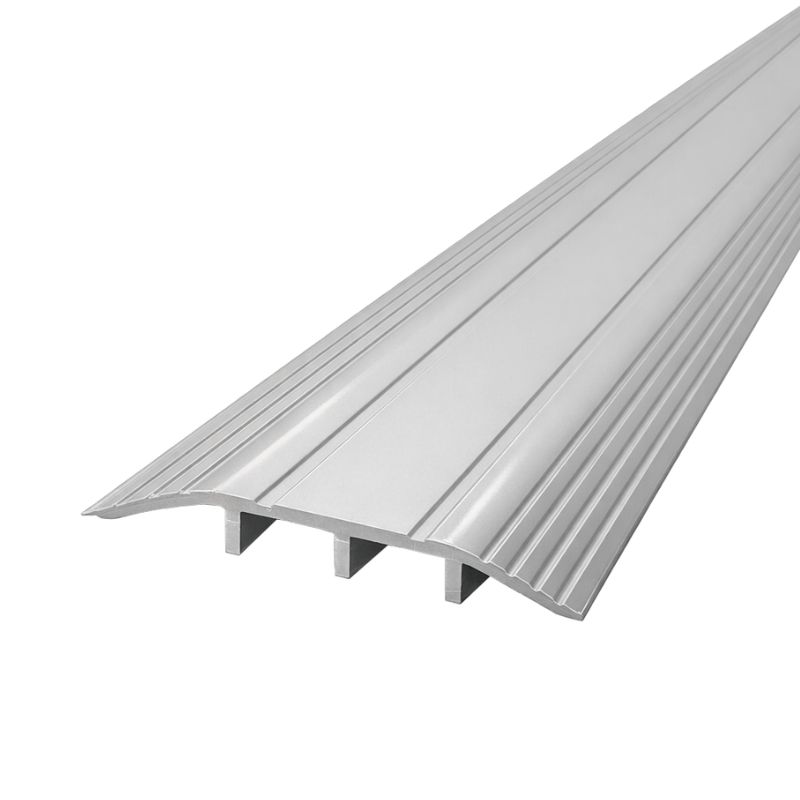
Threshold gap requirements vary depending on whether the door offers fire only or fire and smoke protection. For fire-only doors, the maximum gap is typically 8-10mm however, this will be specified in the door manufacturer’s datasheet. Doors designed to protect against fire and smoke should not have a gap larger than 3mm. A drop down seal can often be installed to address large gaps if necessary.
How do you reduce the gap around a fire door?
Fire door installers must understand how to achieve the correct fit and gap sizes. Accurately measure the door and frame, and ensure hinges are properly installed to achieve the allowable gap tolerances. During maintenance, regularly check and adjust the door to prevent sagging or misalignment.
A gap tester card can be used to check accuracy.
2. Non-compliant hardware
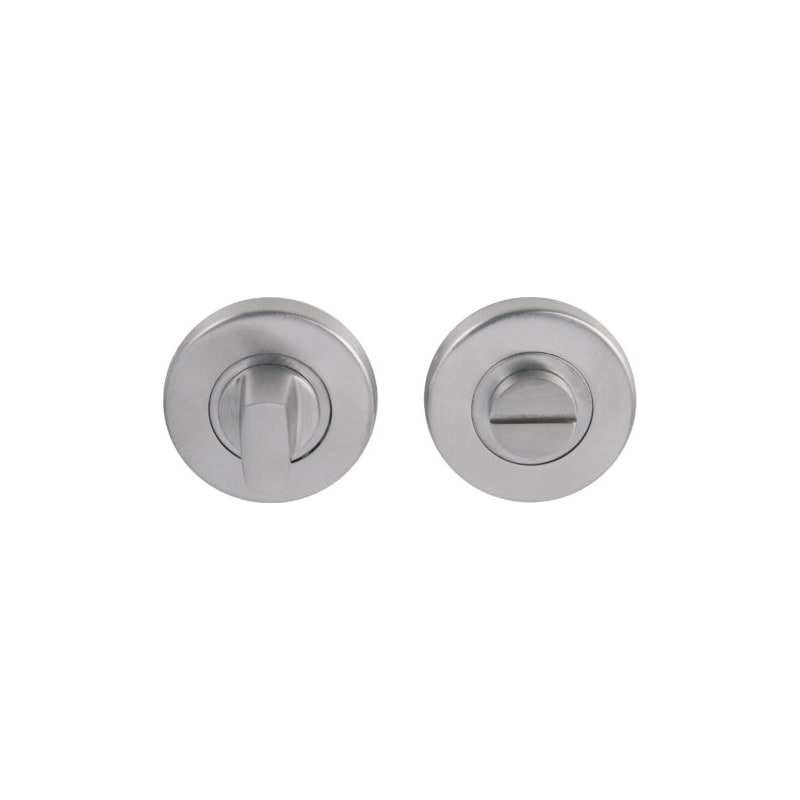
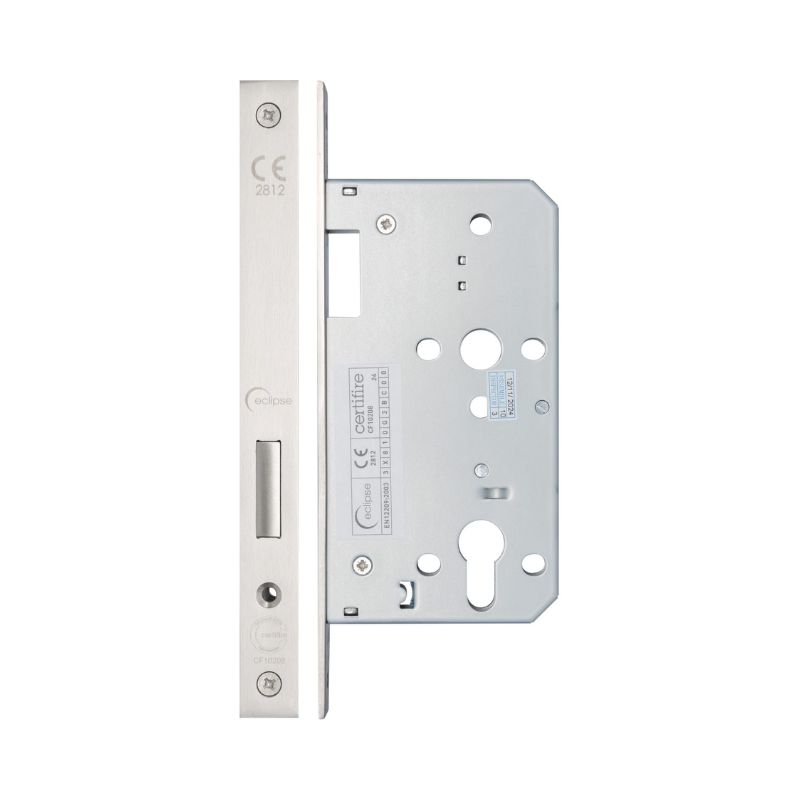
Not all door hardware is suitable for fire doors. Hinges, latches and handles must meet fire-rating standards, as they’re tested to withstand high temperatures without warping or failing. Using non-fire-rated hardware will compromise the door’s fire resistance rating.
What ironmongery should be fitted to a fire door?
Only use hardware from reputable manufacturers that is tested and certified for fire-rated doors. Fire-rated hardware must be installed according to the manufacturer’s specification, which will include a list of approved products compatible with the door core.
For Certifire approved doors, all hardware must also hold a Certifire certificate or this will invalidate the door’s certification.
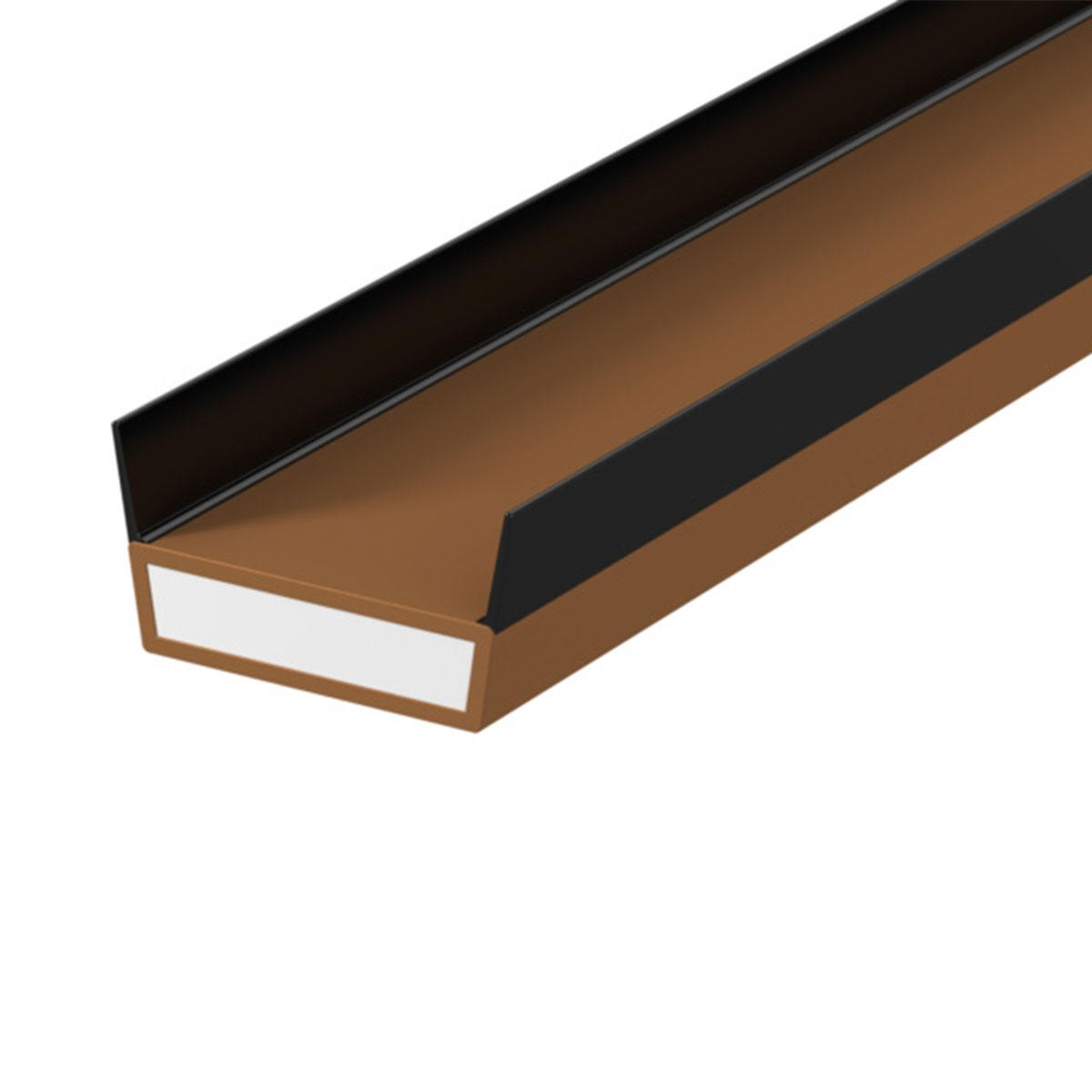
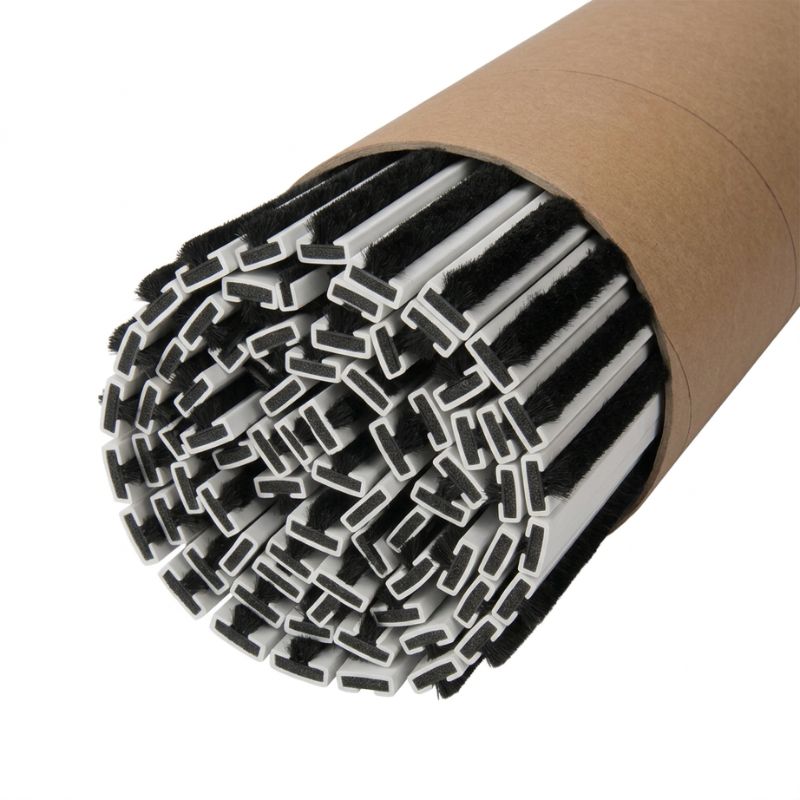
3. Poorly installed or missing intumescent strips
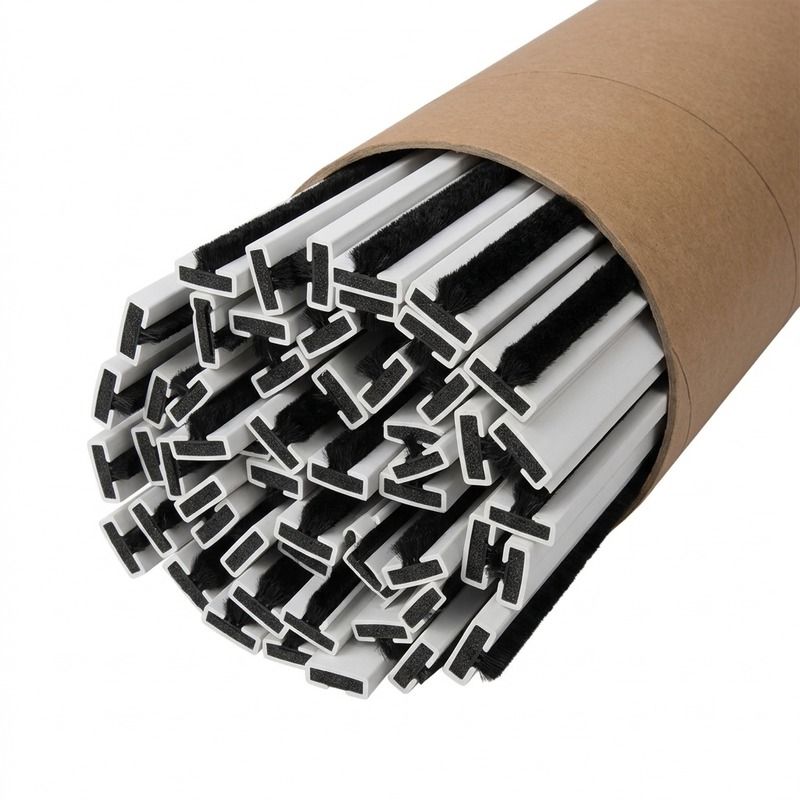
All fire doors require intumescent strips as they expand when exposed to high heat to seal any gaps, haltering the spread of fire, smoke and toxic gases to other parts of a building.
In some cases, seals may be missing entirely or partially, installed incorrectly, or the wrong type of seal may be used.
How do you fit intumescent door strips correctly?
Install the correct type and size of intumescent strips in line with the door’s specification, ensuring they run the full length of the top and two sides of the door or frame, with natural breaks for the hinges and any locks or latches.
It’s important to note that combined fire and smoke seals must never be painted over, as this can impact their performance. While fire only seals may be painted over, there are limits on how much paint can be applied without rendering the seal ineffective.
4. Incorrect door frame installation
The frame must be securely fixed to the wall and aligned with the door’s hinges to ensure it operates smoothly. Misalignment can cause issues such as the door not closing properly, leaving gaps, or binding when it is opened or closed.
A fire door that doesn’t fit into its frame properly can fail to create an effective seal when closed, allowing smoke and flames to spread through gaps, undermining its purpose. The frame must be fire-rated, just like the door, to maintain the door's fire resistance capabilities.
How to hang a fire door frame
Check the alignment of the frame and verify that it is properly fixed into the structure. Make sure there are no gaps around the edges where smoke or heat can escape.
If a door is too large for its frame, trimming may be required; however, this must be done in accordance with the manufacturers guidelines.
5. Improper door closers
A fire-rated door must fully close into its frame each time it is used, overcoming the resistance of the latch, intumescent seals and air pressure.
Incorrect installation or the use of the wrong type of automatic door closer is a common issue that prevents doors from closing properly.
How do you install a door closer?
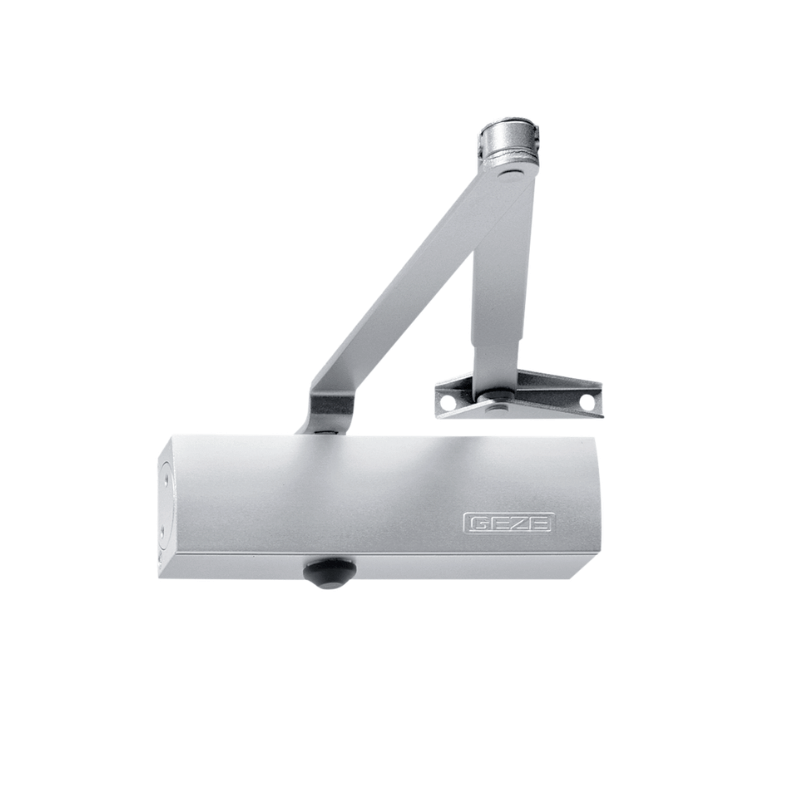
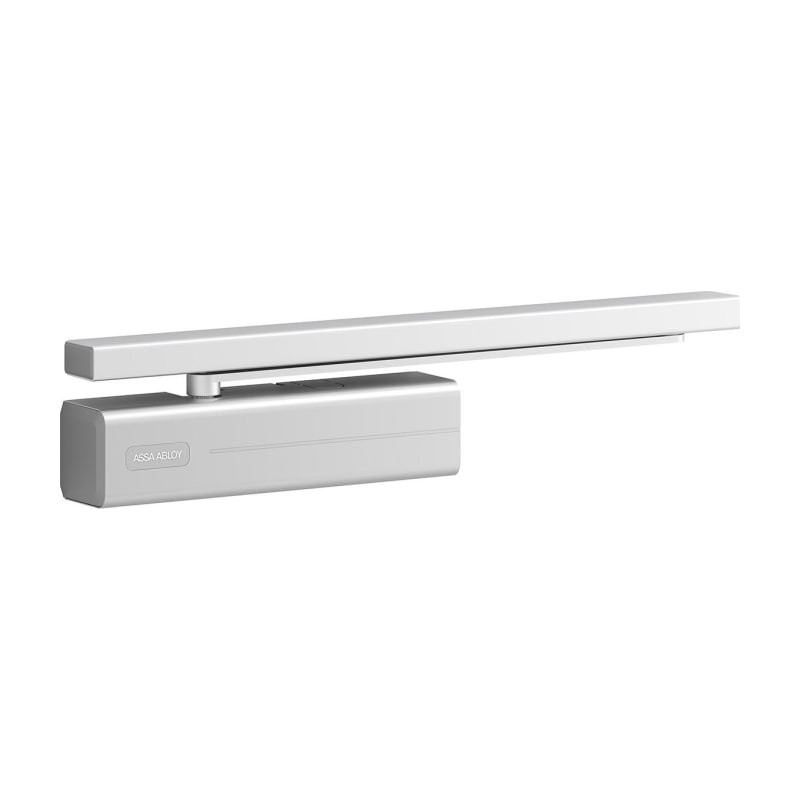
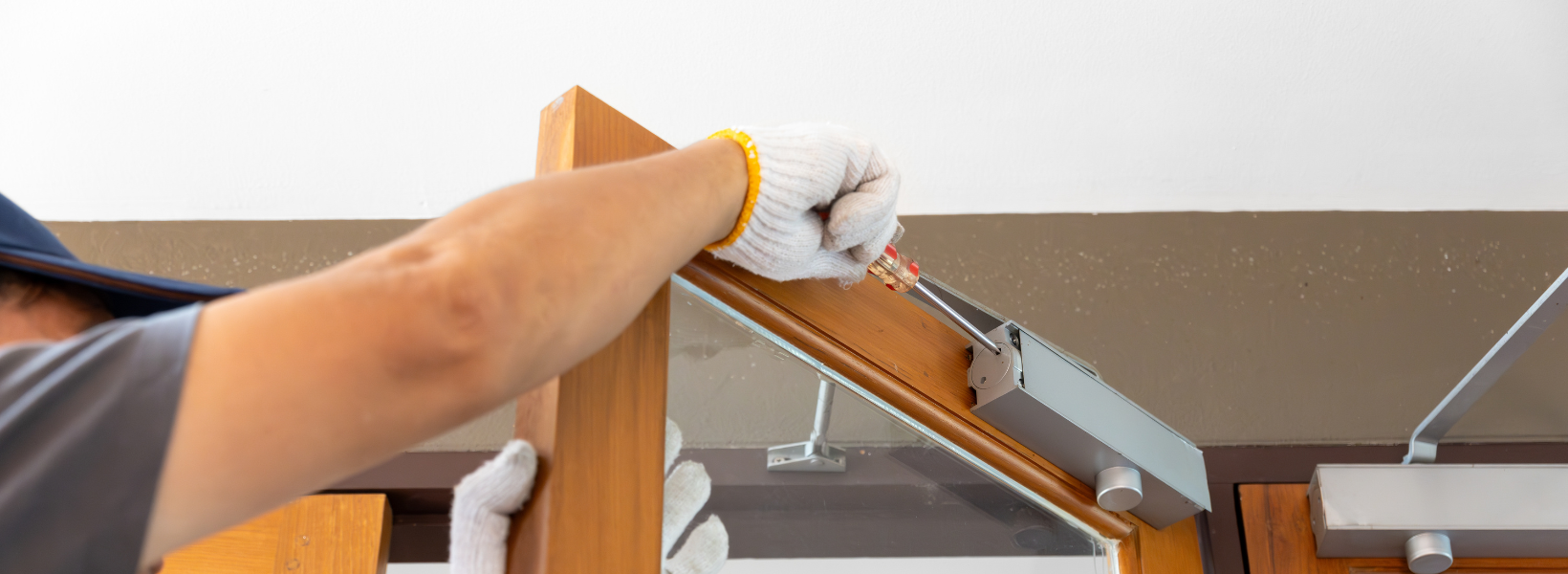
For optimal fire protection, select the correct fire-rated door closer based on the door’s specification, ensuring it has a minimum power size of EN3 to allow it to close securely without resistance.
Adjust the closer using the valves for smooth operation, avoiding slamming or leaving the door partially open. Additionally, educate building occupants on the importance of never propping open a fire door under any circumstances as this will allow fire and smoke to spread freely in the event of a fire.
Maintenance and inspection
To maintain the effectiveness of fire doors after installation, regular inspections and proper maintenance is essential. Daily use can affect their performance and compliance with fire safety regulations, making routine checks crucial to ensure they function as intended during a fire emergency.
Visit our blog for more information on fire door maintenance and download our free fire door inspection checklist to evaluate whether your doors meet safety standards.
How we can help
We are a family business with 50 years experience in the field of fire safety, offering a wide range of fire door and fire stopping products from trusted brands.
Our expert customer care team is on hand and ready to assist with any queries you may have about our product range. Reach out to us through our live chat feature or email us at [email protected].
Related Articles
Fire Door Ratings Explained: What do FD30, FD60, FD90 & FD120 Mean?
Learn more about timber fire door ratings, the testing standards they must...
Read more

Everything You Need To Know About Internal Fire Doors
A comprehensive guide to internal fire doors. Learn about regulations, fitting, maintenance,...
Read more

Compartmentation Failure: Houses & Bungalows Most Affected
Did you know that houses and bungalows are 1.6x more likely to...
Read more