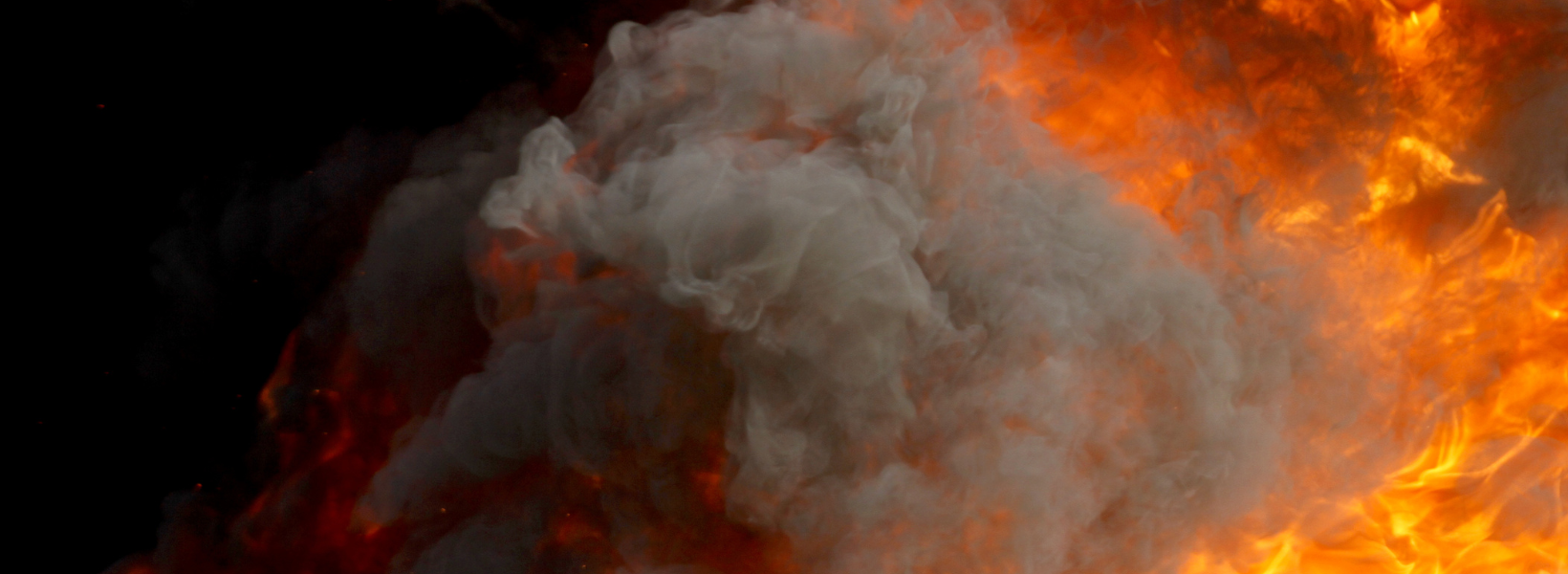
In the event of a fire, one of the most dangerous elements is smoke. While flames can cause burns and structural damage, smoke inhalation is often the primary cause of injuries and fatalities.
This blog will discuss how smoke spreads during a fire, whether it moves faster than flames and explain how passive fire protection systems, such as fire doors, play a vital role in containing smoke and protecting lives.
How does smoke move?
Smoke from a fire is a complex mixture of hot gases, vapours and particles. It often contains toxic chemicals and harmful substances, which varies based on the materials burning. These factors can influence the density, colour and behaviour of the smoke.
Hot smoke is less dense than cool air, causing it to move upward. Upon reaching the ceiling, it spreads horizontally, forming a smoke layer that can rapidly fill enclosed spaces, reducing visibility and increasing the risk of smoke inhalation for occupants in the room.
What factors affect the spread of smoke?
The spread of smoke is determined by several elements including temperature, airflow and the structural design of the building.
Temperature
The temperature of smoke significantly impacts its movement. Hot smoke rises quickly and spreads faster, seeking cooler areas to fill. Cooler smoke, on the other hand, becomes denser, sinking to lower levels of a building, creating additional hazards.
Airflow and ventilation
The movement of smoke is heavily influenced by the building’s ventilation systems. Smoke naturally moves from high-pressure to low-pressure areas, following paths of least resistance such as through open windows, doors or ventilation ducts.
Poorly placed ventilation can increase the fire's air supply, accelerating its growth and spread, creating a dangerous environment that can quickly affect multiple floors and rooms.
Building layout
A building's layout plays a crucial role in determining smoke distribution. Open floor plans and large spaces enable smoke to travel freely and quickly. In contrast, compartmentalised designs equipped with fire doors, walls and floors, can help contain smoke to one area to slow down and limit its spread.
Does smoke spread faster than fire?
In many cases, smoke can spread at a faster rate than the fire itself. While fire typically spreads along surfaces such as walls, floors and ceilings, it is often limited by the availability of fuel and oxygen at its source. Smoke, however, moves freely through the air and can travel much faster, especially when strong airflow is present.
This rapid spread of smoke poses a serious threat, as it can quickly contaminate air supplies, often spreading across large areas before the flames cause direct damage. Understanding how smoke moves can help improve fire safety measures and evacuation plans.
To learn about how fires spread, visit our blog post.
What is passive fire protection?
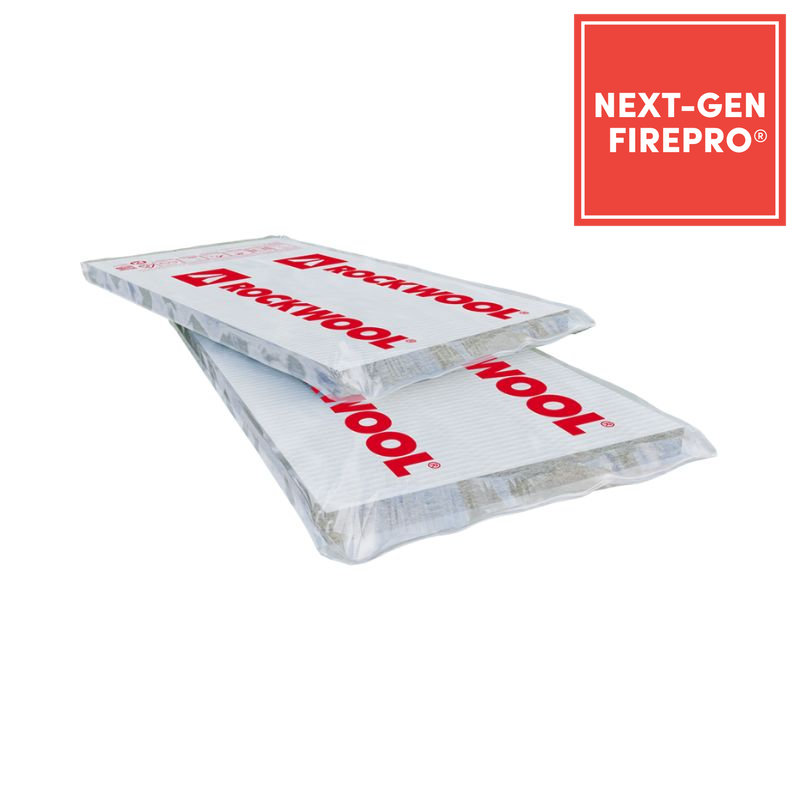
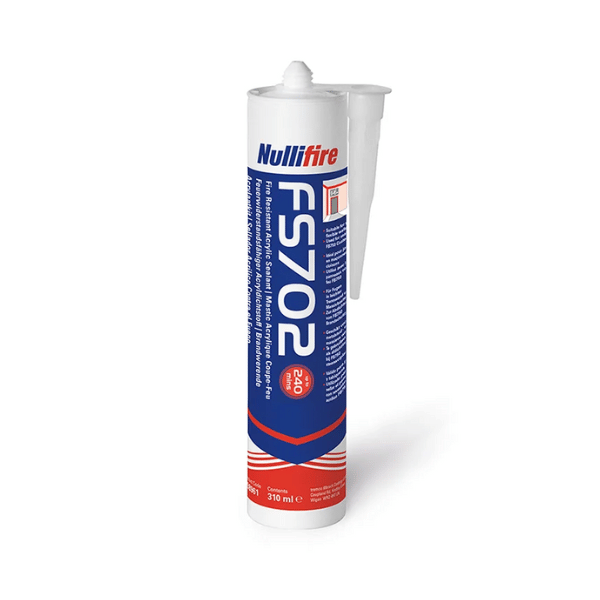
Passive fire protection (PFP) is an integral part of a building’s structure, designed to improve safety by limiting the spread of fire and smoke. Measures such as fire doors and fire-stopping systems work together to create compartments that contain fire and smoke, while also preserving escape routes for safe evacuation.
Discover more about passive fire protection systems, building regulations and who is responsible for ensuring a building has sufficient measures in place in our informative blog.
The Importance of Fire Doors in Passive Fire Protection
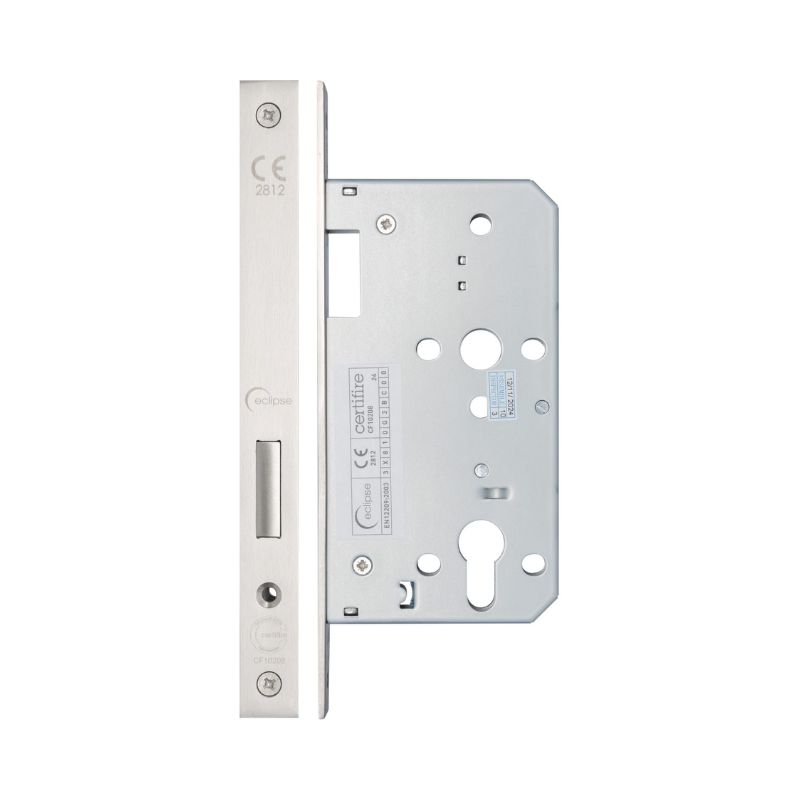
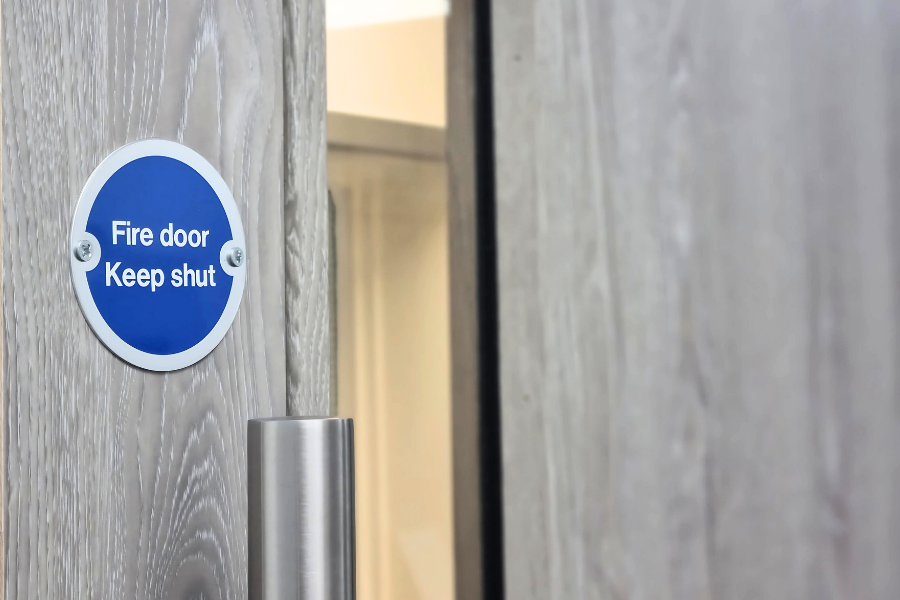
Fire doors play a key role in compartmentalising a building. These doors form a physical barrier that prevent fire and smoke from passing through for a specific period of time.
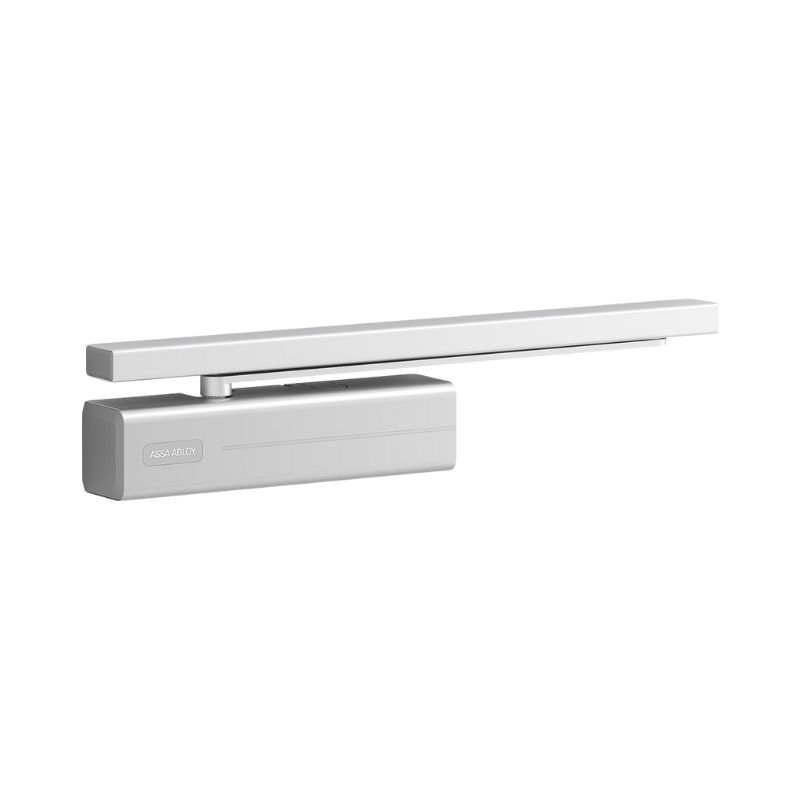
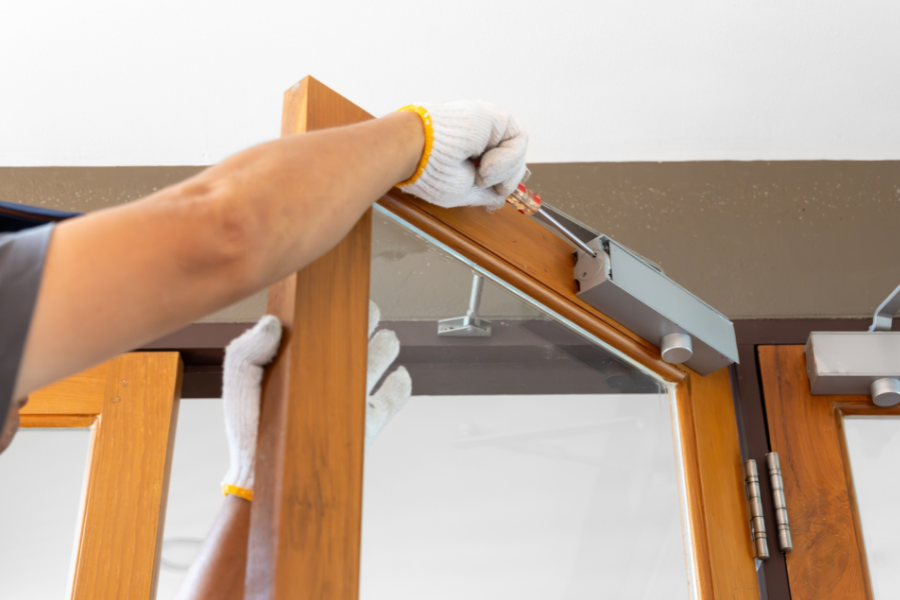
To function effectively, they must be installed with specific components including automatic door closers, which ensure that doors close securely after use. Without this feature, internal fire doors left open can allow smoke to spread rapidly, endangering occupants in other areas of the building.
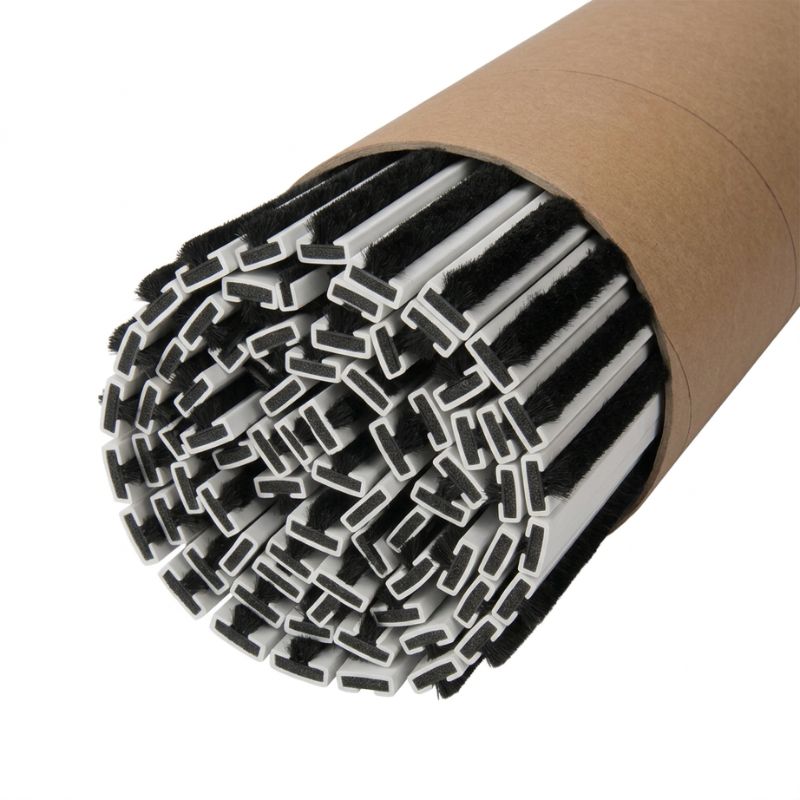
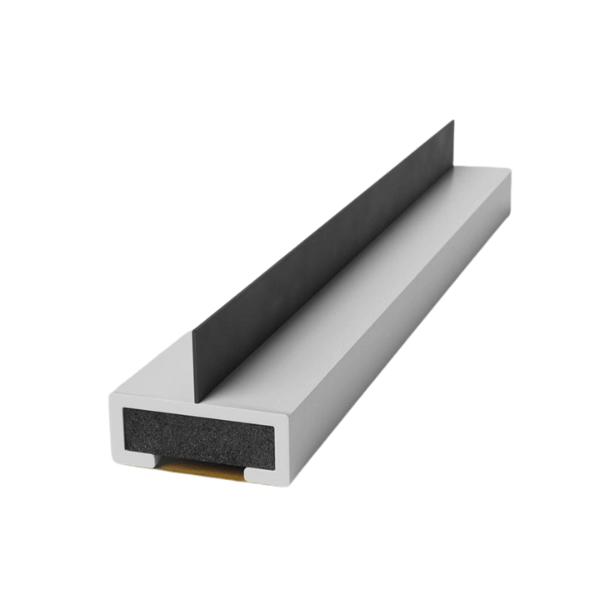
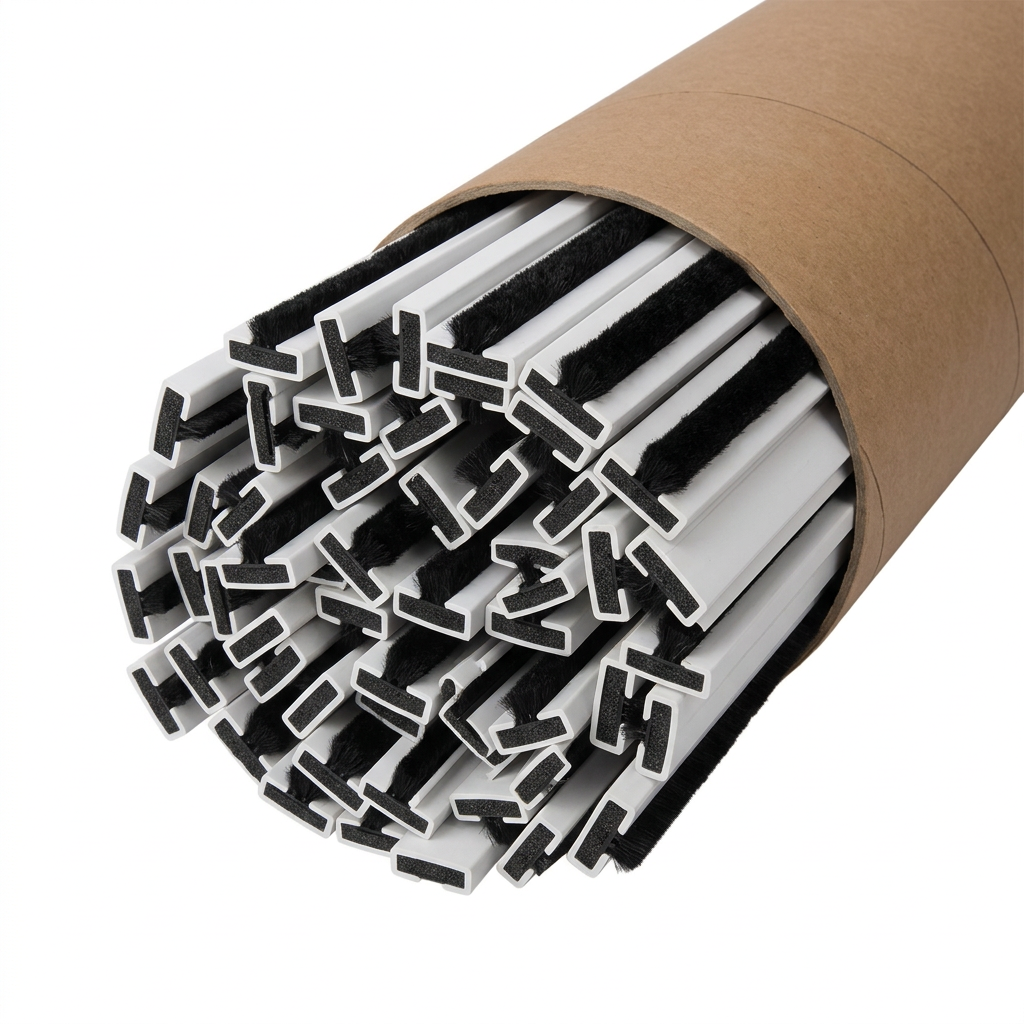
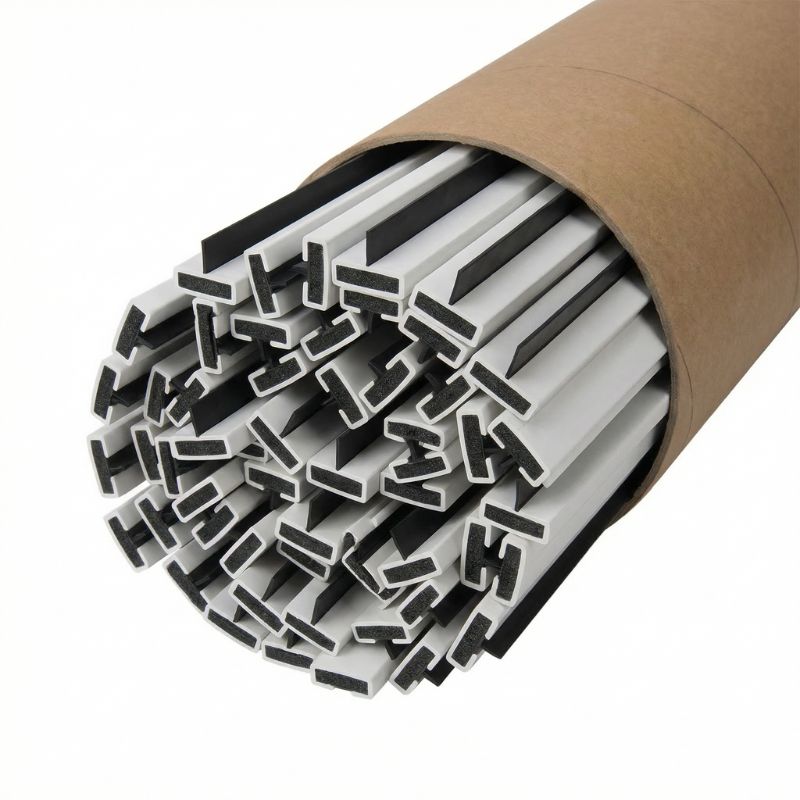
Doors with an ‘s’ rating, such as FD30S, are specifically designed to prevent the spread of both fire and cold smoke. These require either combined fire and smoke intumescent strips or separate fire only strips and smoke seals to create a tight seal for maximum protection.
Find everything you need to know about fire doors in our Advice centre.
How we can help
We are a family business with 50 years experience in the field of fire safety, offering a wide range of fire door and fire stopping products from leading brands.
Our expert customer care team is on hand and ready to assist with any queries you may have about our product range. Reach out using our live chat feature or email us at [email protected].
You can also check out our Advice Centre, offering a host of guides and useful advice on fire safety, fire legislation and more.