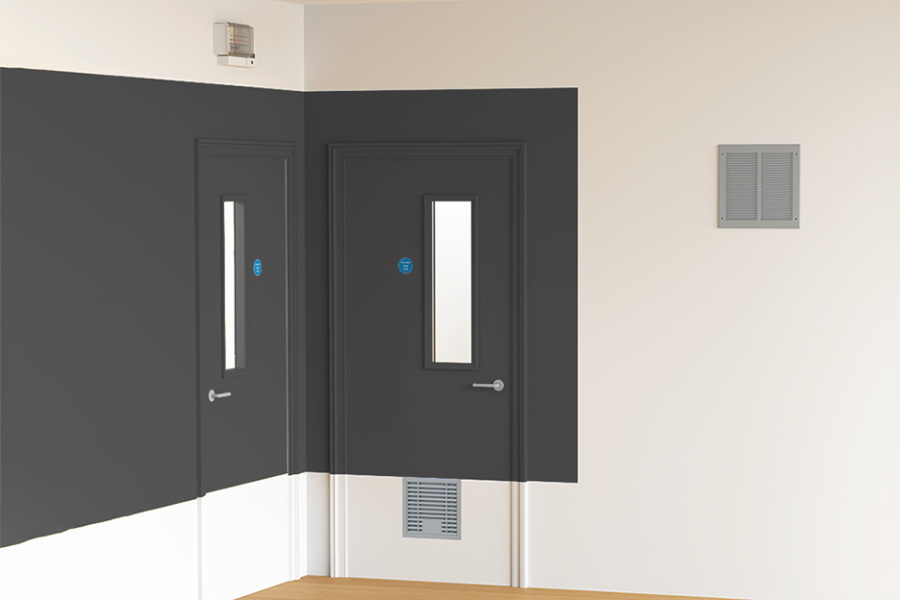
Learn about how fire doors work, the components needed and when they should be used.
Written by Esme
28th October 2021
Share Article
Fire doors work by preventing the spread of fire and smoke from one room or compartment to another.
They are made from materials that have been tested to withstand fire and smoke for a given amount of time. This is usually 30 or 60 minutes but can be higher for certain settings. As a result, the most common fire door categories are known as FD30 and FD60.
Fire doors don’t have any impact on putting the fire out. Instead, they contain the fire for a given amount of time, allowing inhabitants of the building more time to escape to safety. Adding the correct fire door hardware will ensure that it complies with fire safety regulations.
Fire Door Components
Intumescent Strip
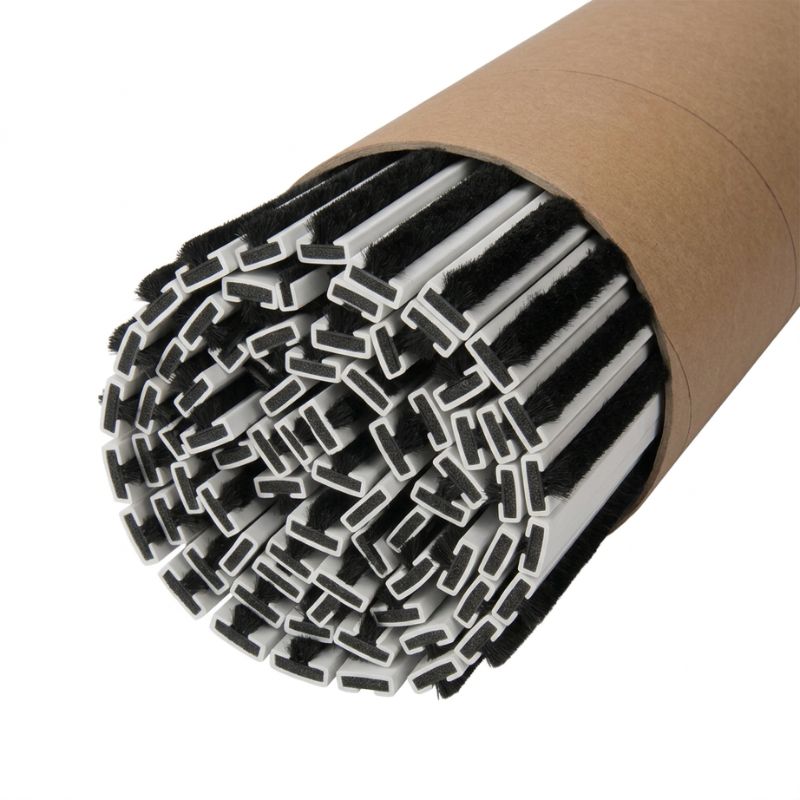
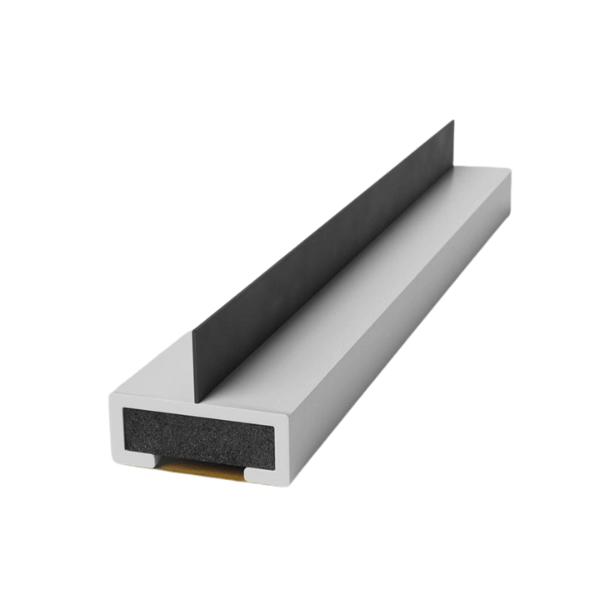
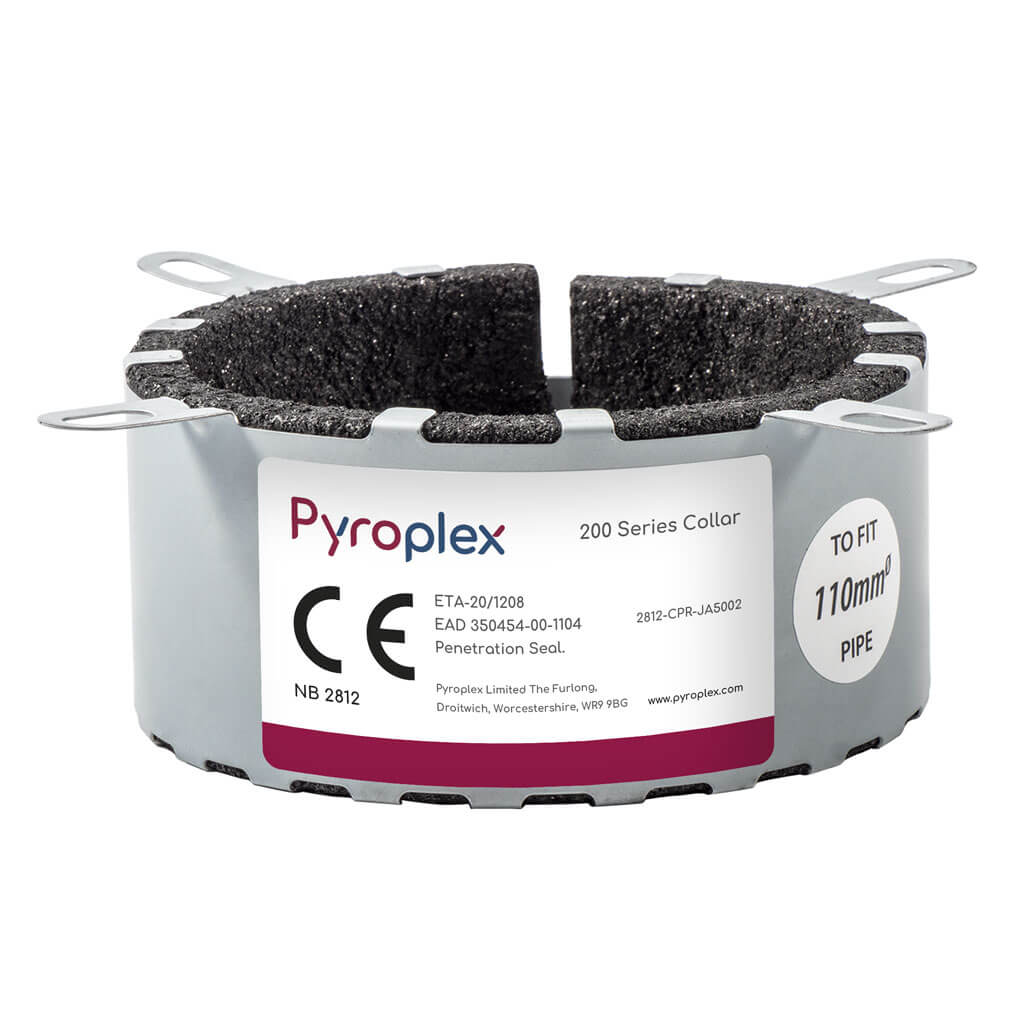
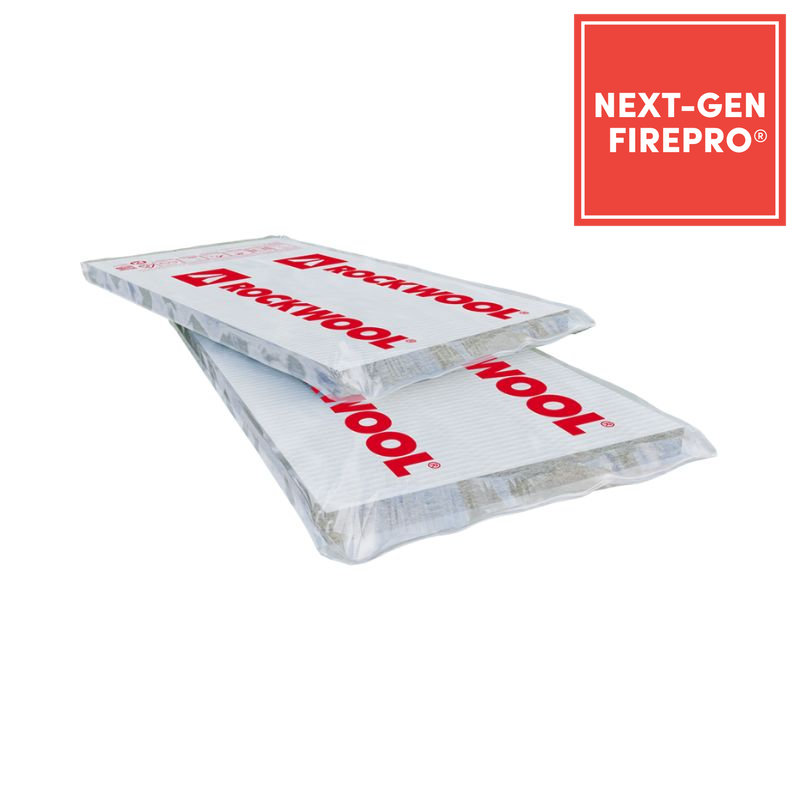
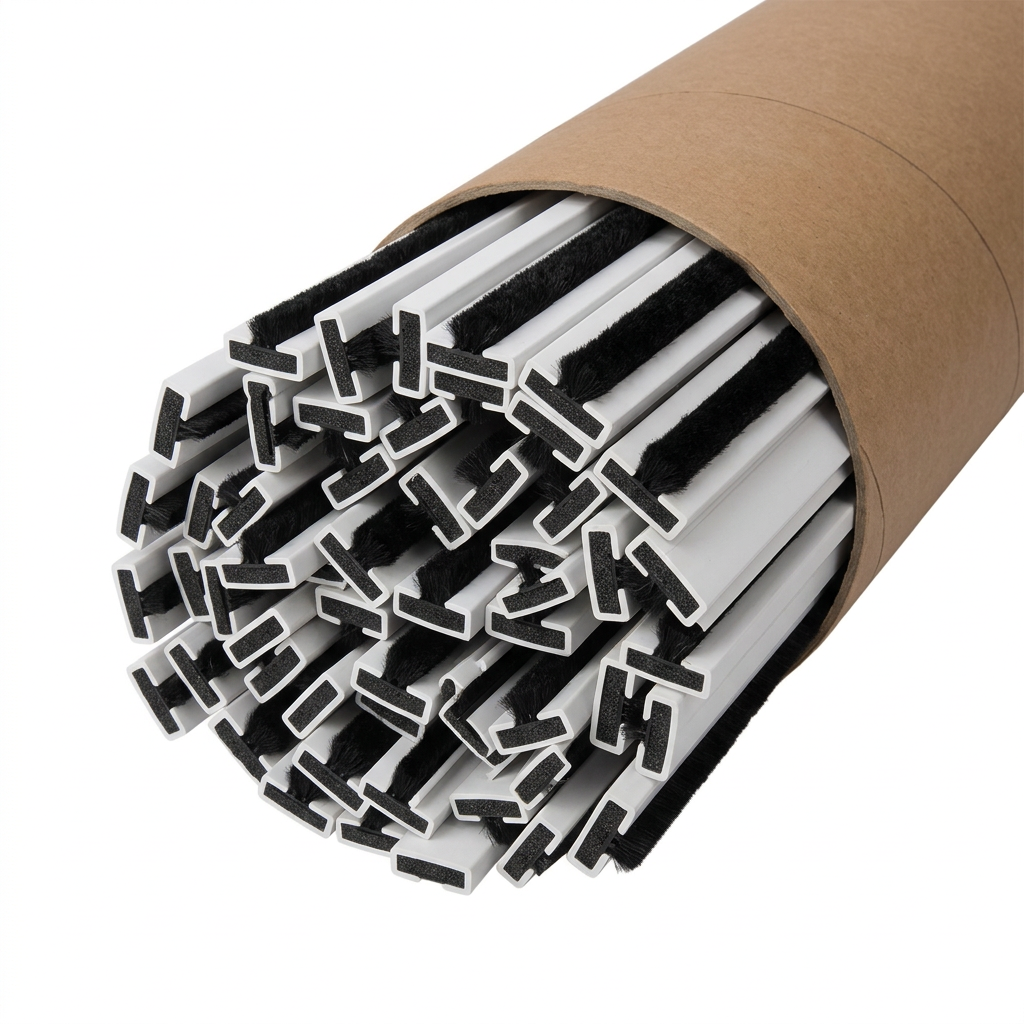
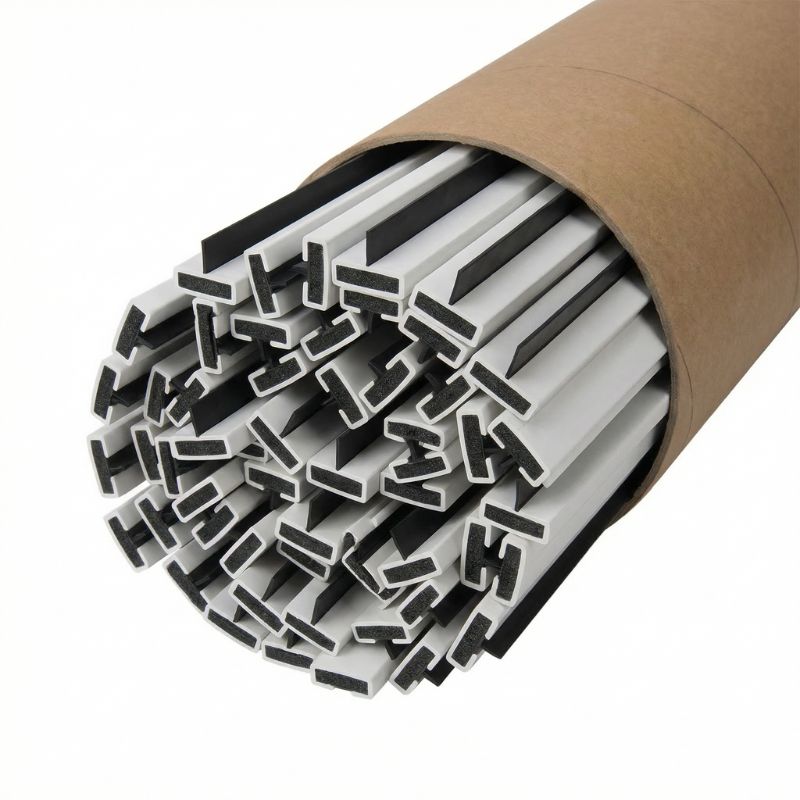
A fire door features an intumescent strip along the two sides and top of the door which, in the event of a fire, expands in the gap between the door and its frame to form a seal through which the fire cannot pass.
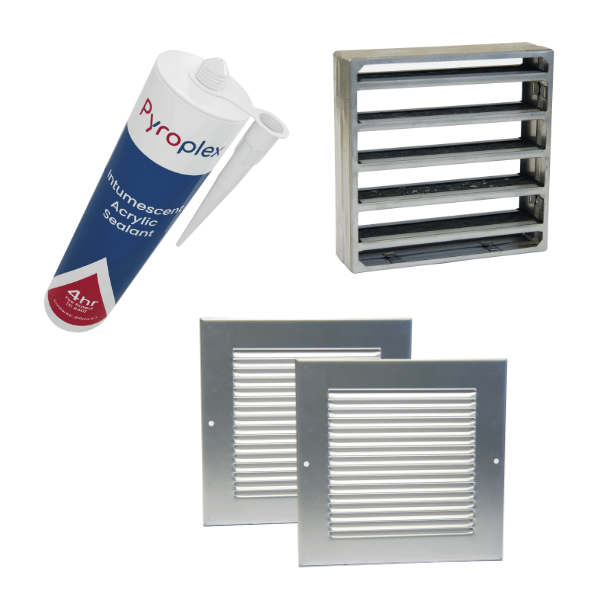
Depending on the specification, fire doors normally also feature smoke seals which come in the form of a fin or brush, which stop the passage of smoke through the door. These can come as part of the intumescent strip (known as Fire and Smoke strips) or can be added separately by installing a batwing seal in the door frame. Explore our guide on how to fit intumescent strips and smoke seals.
Drop Down Seal
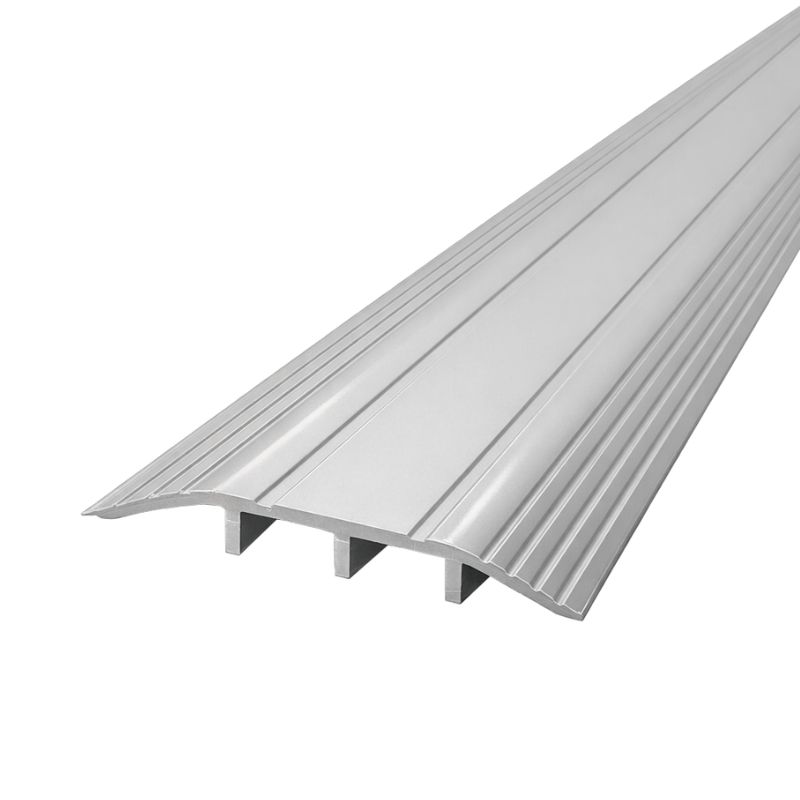
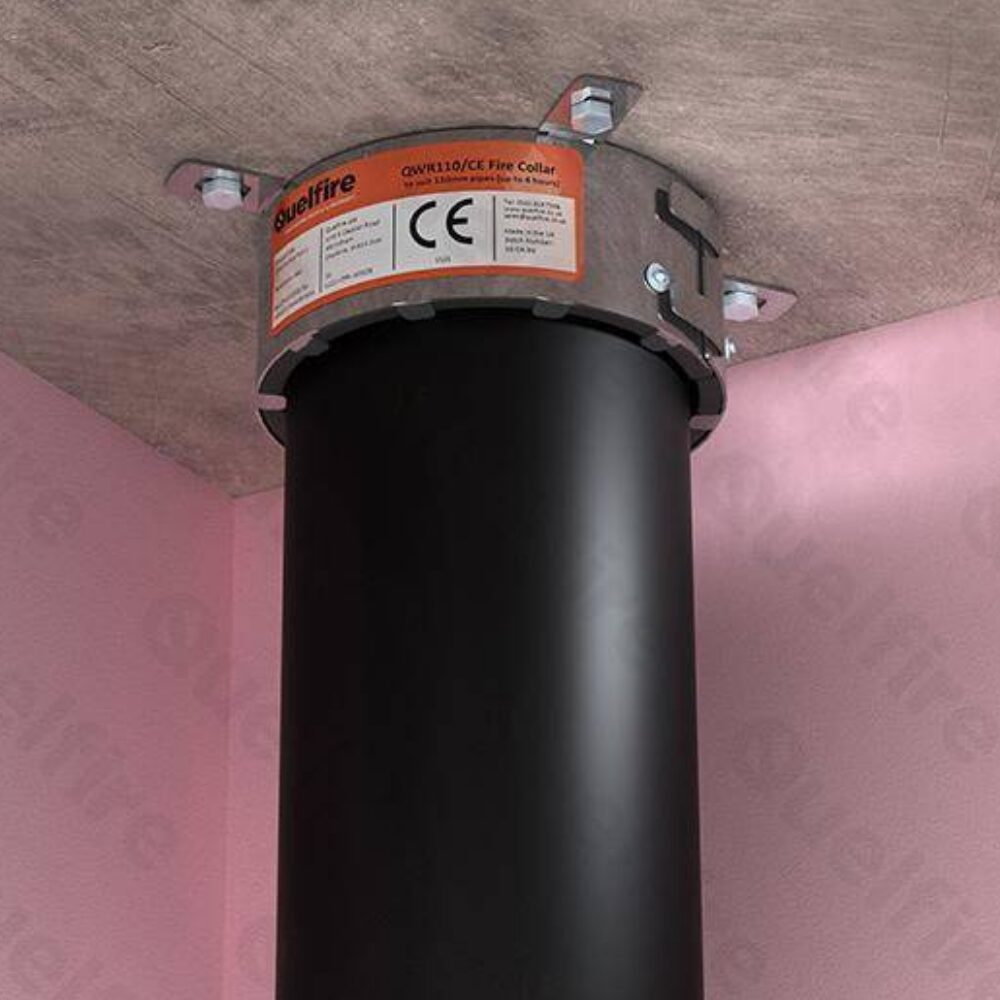
Some fire doors may also have a drop-down door seal. These are placed at the bottom of the fire door and when the latch is closed, the seal automatically drops to form a seal. This means that when the door is in use, it doesn’t drag along the floor making it impractical, but it prevents the spread of smoke under the door if a fire breaks out. Explore our guide on how to fit a drop-down seal.
Door Closer
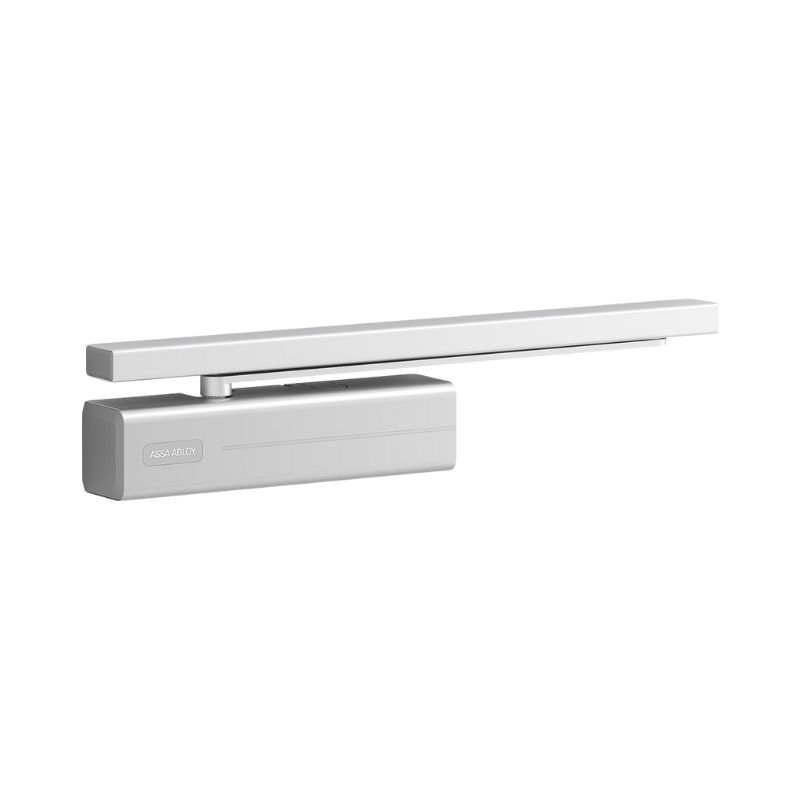
A fire door will only work if it is closed so it’s essential that every fire door has a door closer which makes the door close automatically if it’s been opened.
Fire Door Hinges
Fire doors should also be installed using fire rated hinges which are specifically designed to withstand the weight of the fire door and the heat and pressure it comes under when a fire breaks out. There are certain requirements that must be followed when fitting fire rated hinges to ensure they comply with fire safety rules and standards.
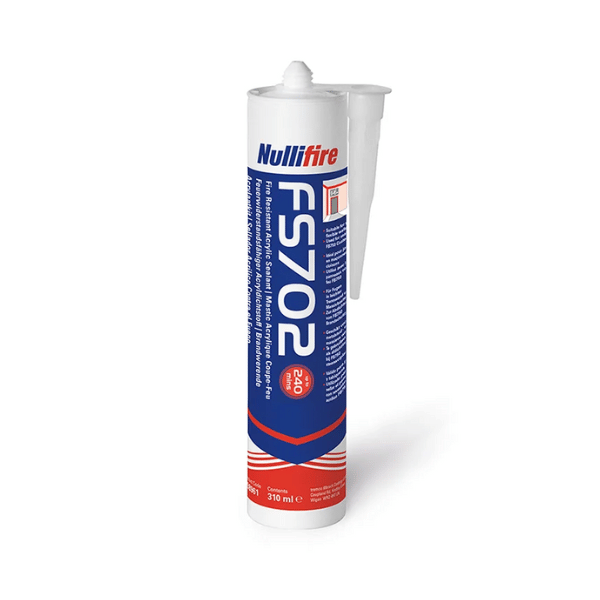
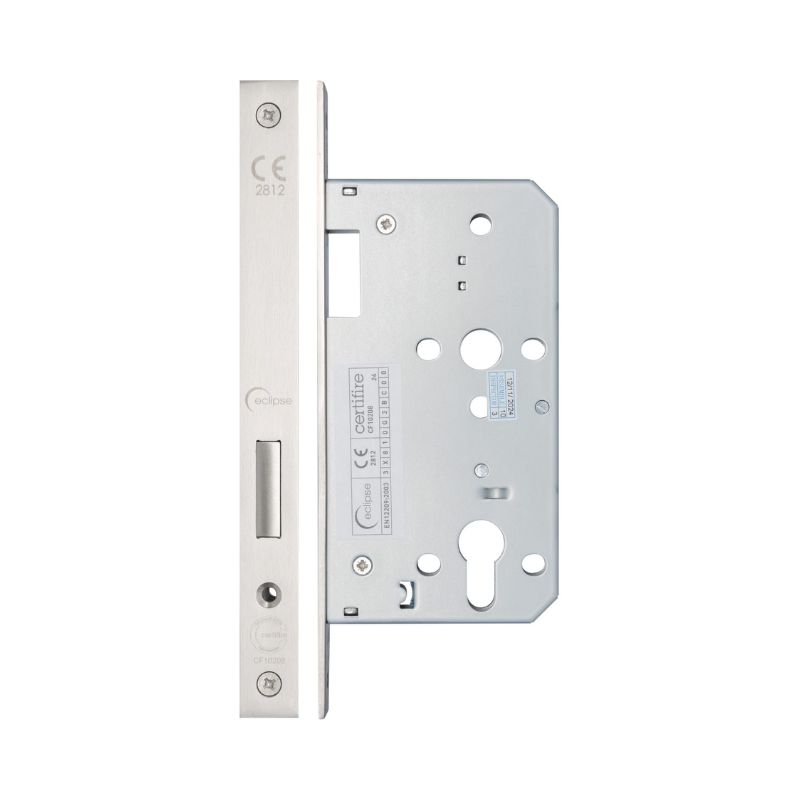
A correctly installed and maintained fire door should also feature intumescent material behind the handle and lock which, like the intumescent strip, also expand in the instance of a fire, helping the door to retain its integrity for the required amount of time.
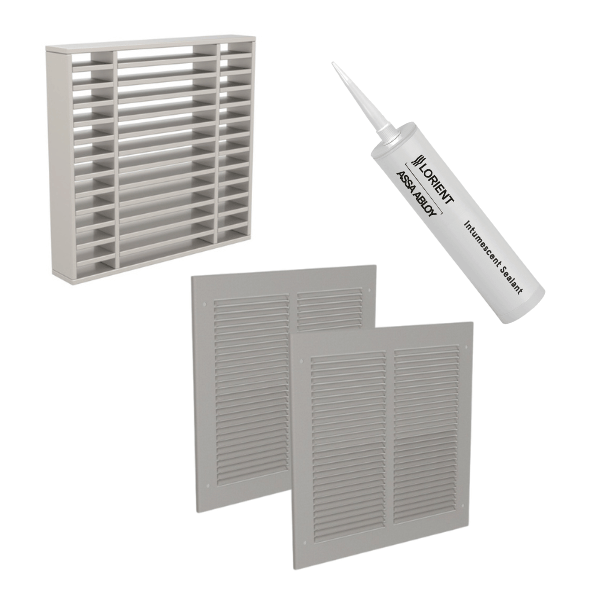
If a window needs to be installed in a fire door this should be done using glazing tape around the glass. Similarly, if an air transfer grille must be fitted, it must be intumescent so that the aperture is closed in the event of a fire and the fire rating of the door isn’t compromised.
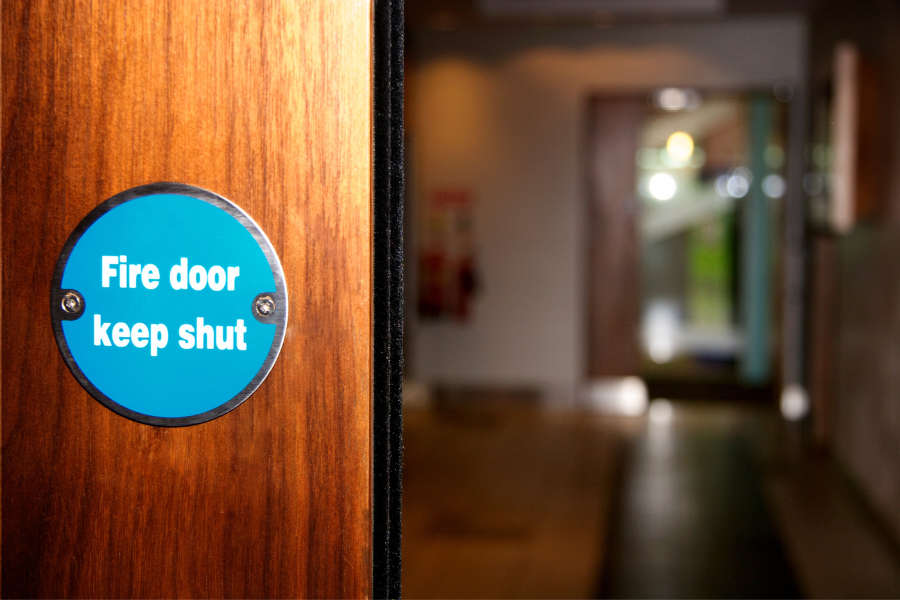
Finally, every fire door should have a fire door sign identifying it as such on both sides so that people know its function and that it mustn’t be obstructed or kept open.
Where to fit fire doors
Fire doors are generally required where a fire may start and access out of the building is considered difficult without fire doors helping to contain the blaze. This differs for domestic and commercial settings, and in different residential contexts all of which is detailed in the Fire Door Regulations.
How often should fire doors be replaced?
There is no set rule on how often fire doors need replacing and it depends on whether they adhere to regulations, amount of use, and how well they’re maintained.
In general, fire doors should be checked at least every 6 months - it can be more often than this depending on how much the door is being used and its wear and tear.
Fire doors also don’t always need to be fully replaced. It’s possible to update or retrofit them to meet legal requirements provided the original specification is consulted and a responsible professional carries out the works.
We provide more information on how fire doors can be modified here. If you need any advice on what fire door components you need for your project or renovation, or if you have any questions about our products, please don’t hesitate to get in touch with our Technical Team.