
Fire Safety in Hospitals
Learn more about fire safety regulations for hospitals. We've broken down everything you need to know in this handy guide.

Written by Rebecca
12th December 2023

Prioritising fire safety in hospitals is crucial in order to safeguard the well-being of those seeking medical care, staff providing essential services, and visitors supporting loved ones.
Beyond the usual risks associated with fires, hospitals face unique challenges due to the presence of vulnerable patients, medical equipment, and potentially hazardous materials. By placing a heightened focus on fire safety, healthcare facilities can ensure a secure environment.
This article will cover key aspects of fire safety in a hospital setting, including compliance with fire regulations, the importance of fire risk assessments, and fire protection products that are most suitable within these facilities.
What are the fire regulations in hospitals?
In England and Wales, hospitals are subject to the Regulatory Reform (Fire Safety) Order 2005 (FSO), which establishes fire safety regulations for the majority of public buildings and workplaces.
The regulations outline the necessary precautions and measures to prevent and manage fire incidents. From the installation of fire detection systems to the establishment of evacuation procedures, hospitals diligently implement protocols to safeguard against potential fire incidents.
Regular fire drills and training sessions are required to further equip hospital personnel with the knowledge and skills required for swift and organised responses in the event of an emergency.
Passive fire protection measures are also required for hospitals, just as for all other buildings governed by the FSO and building regulations. This includes ensuring efficient compartmentalisation by installing fire-resistant barriers such as fire walls, floors and fire doors. These measures are vital for containing potential fire incidents, restricting their spread, and providing valuable time for safe evacuation.
Fire protection for hospitals
Fire Doors
Fire doors play a pivotal role in fire protection, acting as a barrier to withstand the effects of fire and smoke for a specific period of time.
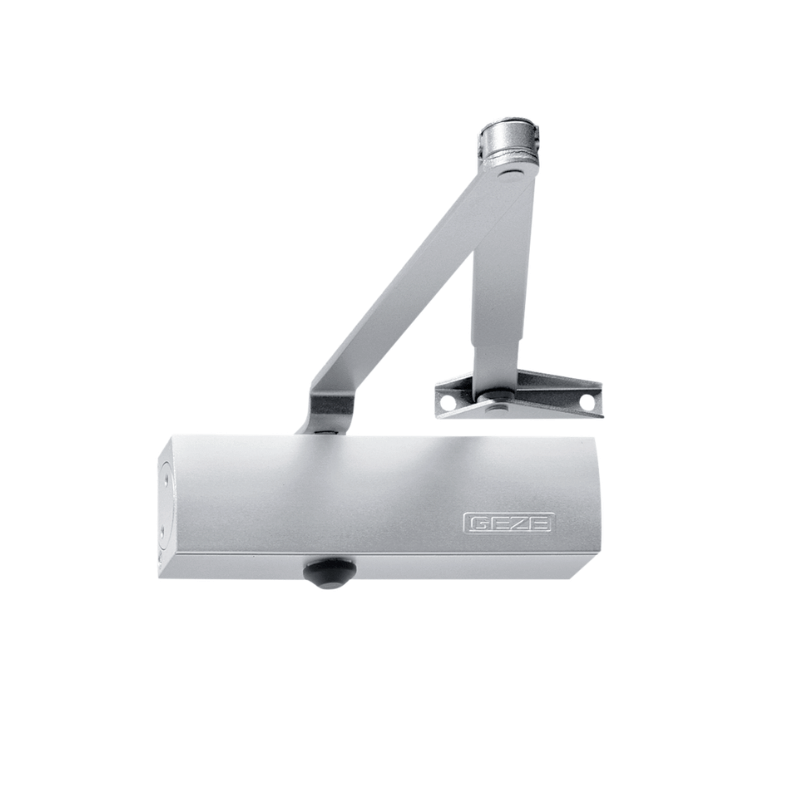
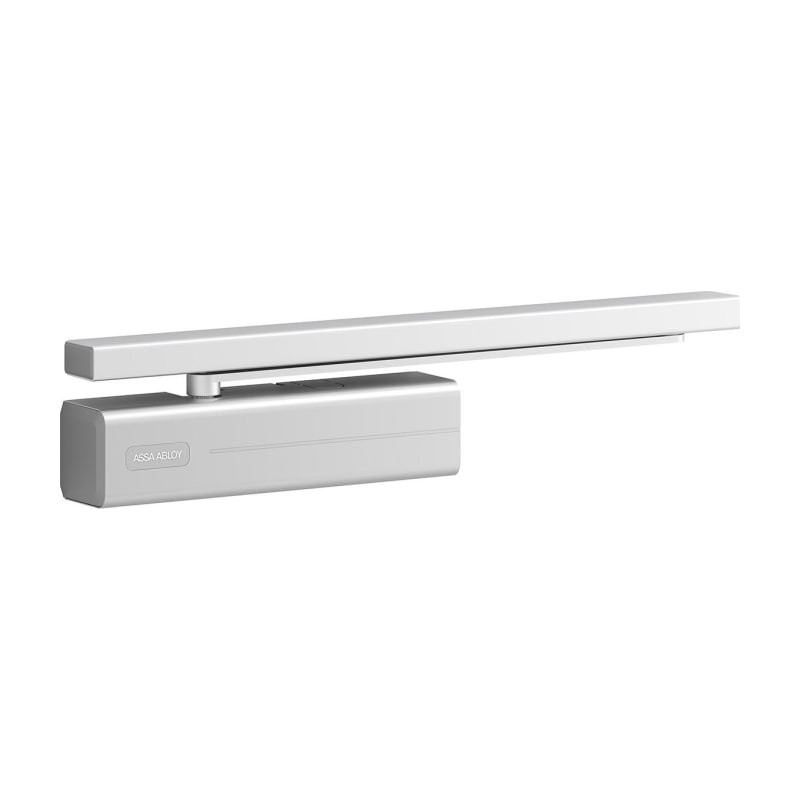
Every fire door must be equipped with a door closer in order to ensure effective compartmentalisation. When selecting a door closer for a healthcare setting, it's crucial to consider factors such as the Disability Discrimination Act 1995 due to the nature of the environment.
Many hospitals opt for electromechanically operated door closers designed to keep passageways open for accessibility, automatically closing during a fire alarm. This design supports effortless movement for patients and staff, particularly for wheeled traffic such as hospital beds.
If choosing an overhead door closer, it's important to consider a range of specifications, including adjustability and power size, to determine which one has enough closing strength for your specific door.
Door closers are classified into various strength levels referred to as 'EN power sizes.' Additionally, they offer optional features such as delayed action, which proves particularly beneficial in areas where additional time is needed for the passage of injured or elderly patients. The Dorma TS83 closer is supplied with both backcheck function and delayed action, making it a popular choice for healthcare environments.
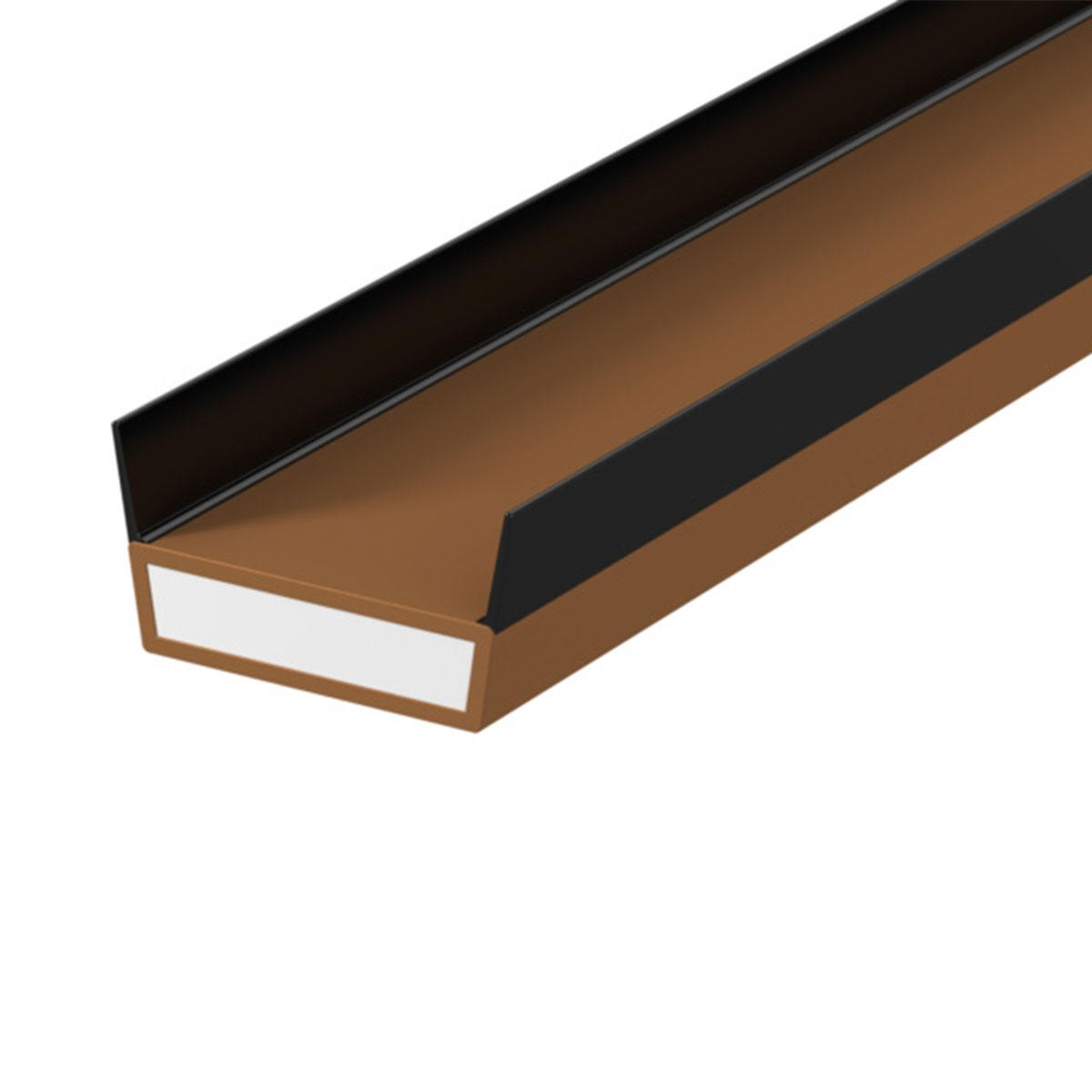
Another essential feature of a fire door is a drop-down seal, utilised when the gap between the floor and the door surpasses the compliance threshold. For hospitals, we suggest using a rebated drop seal, rather than a surface mounted model, as it is installed into the door itself, meaning it is less prone to damage from wheeled traffic, making it a more durable and hard wearing option.
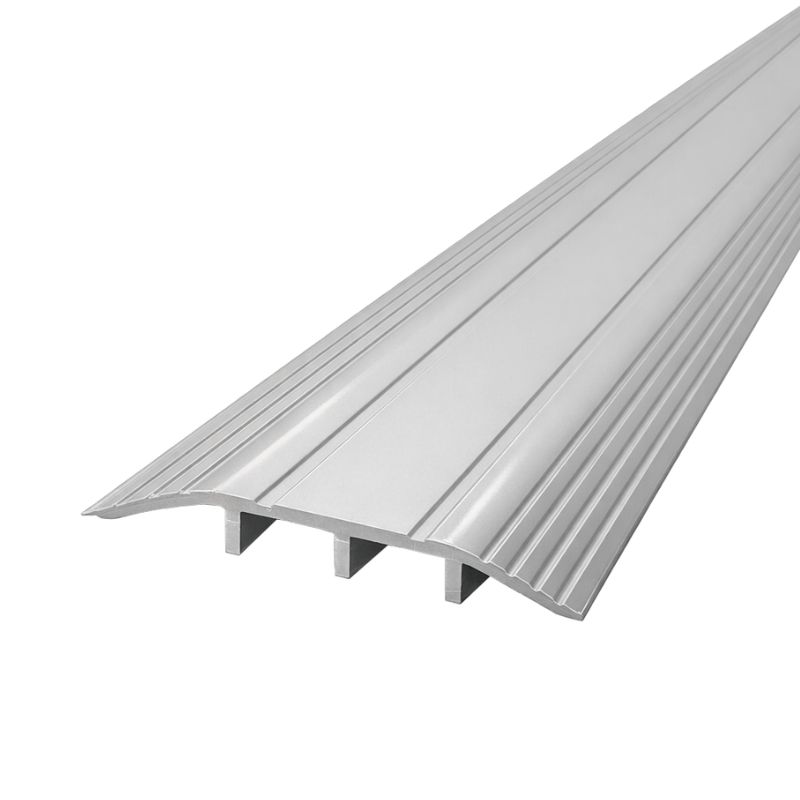
When dealing with changes in flooring materials from one room to another, wheeled traffic may encounter challenges. In such cases, it is advisable to install a threshold plate to minimise difficulties and can be used to prevent the spread of fire and smoke.
Fire Stopping
A building's fire walls and floors are just as important as its fire doors as they prevent fire from spreading vertically and laterally into other areas.
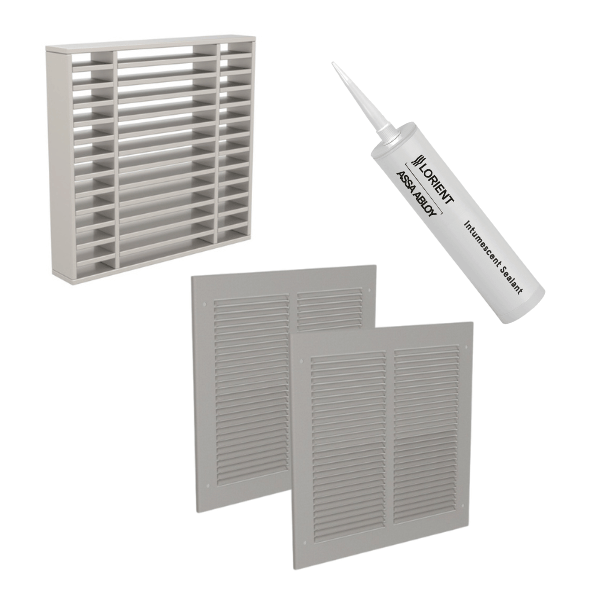
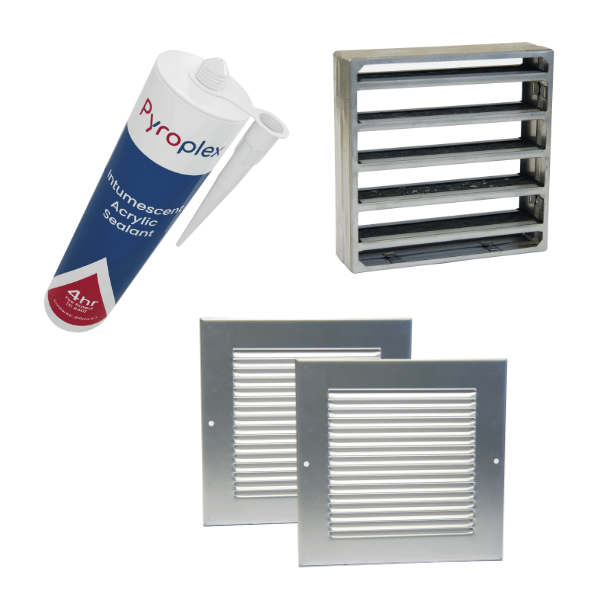
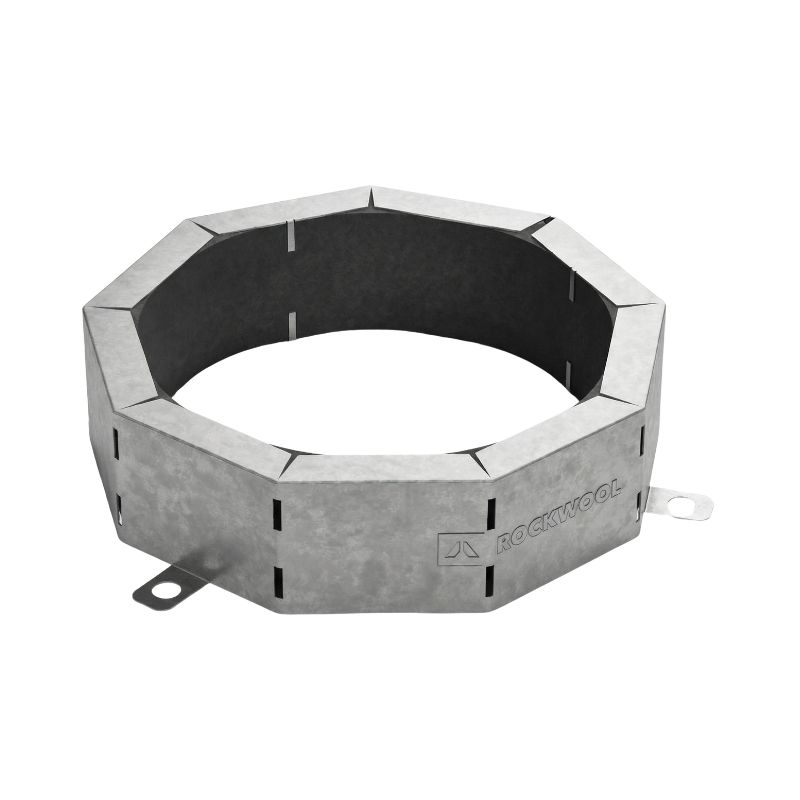
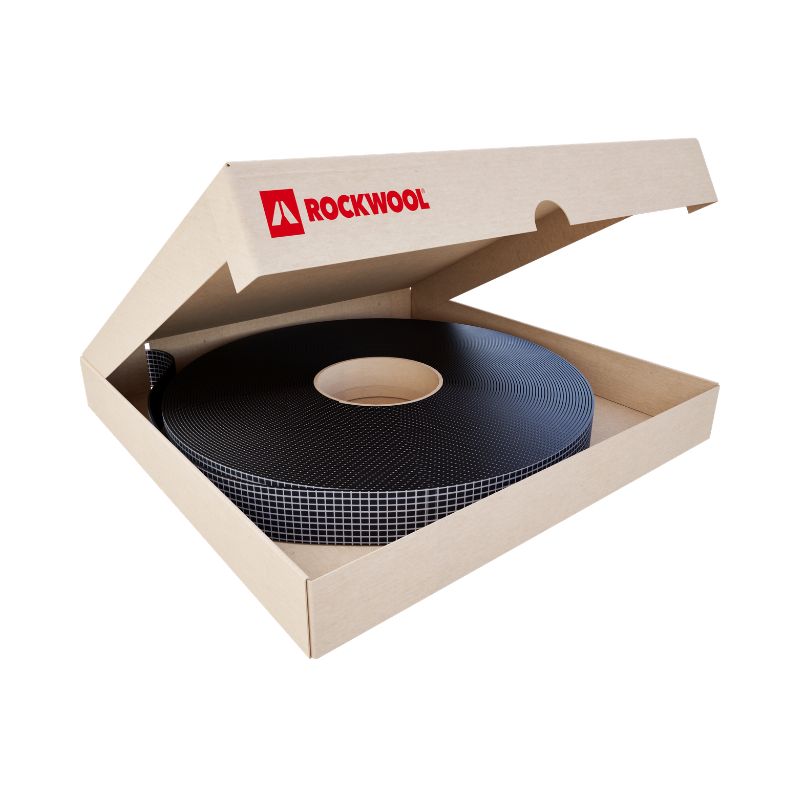
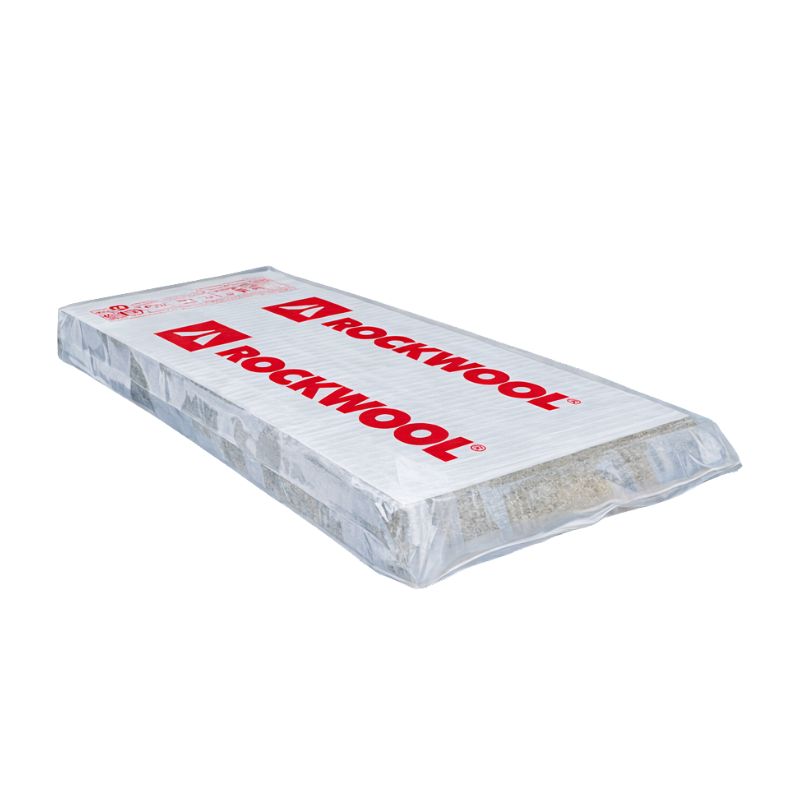
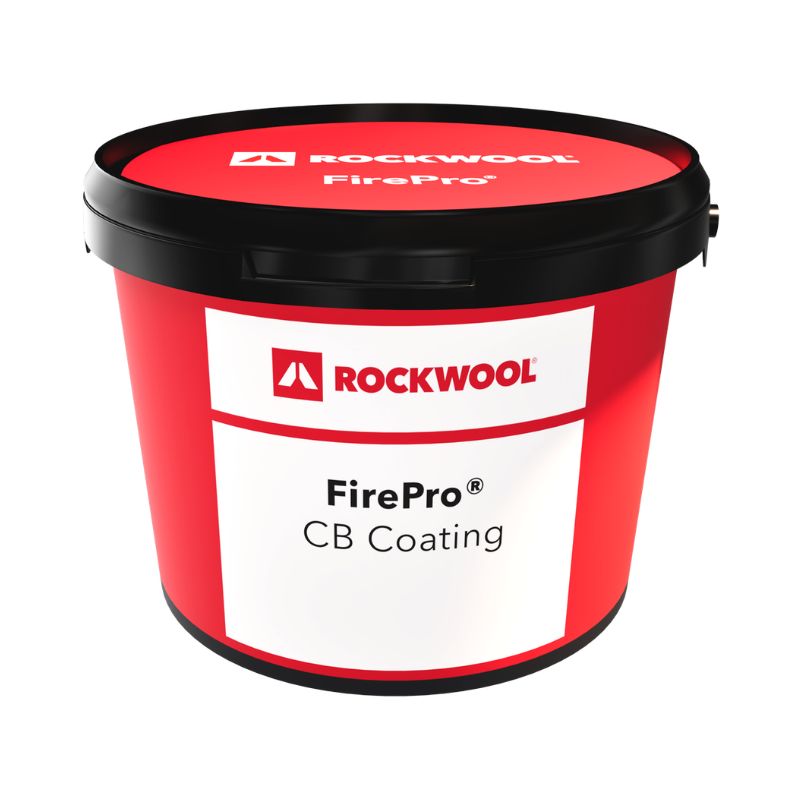
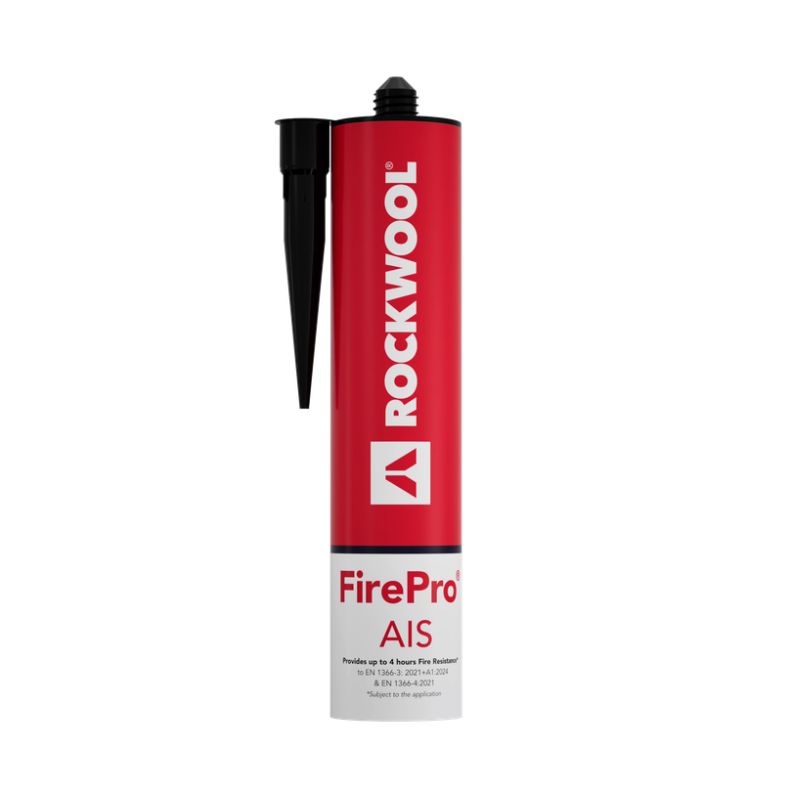
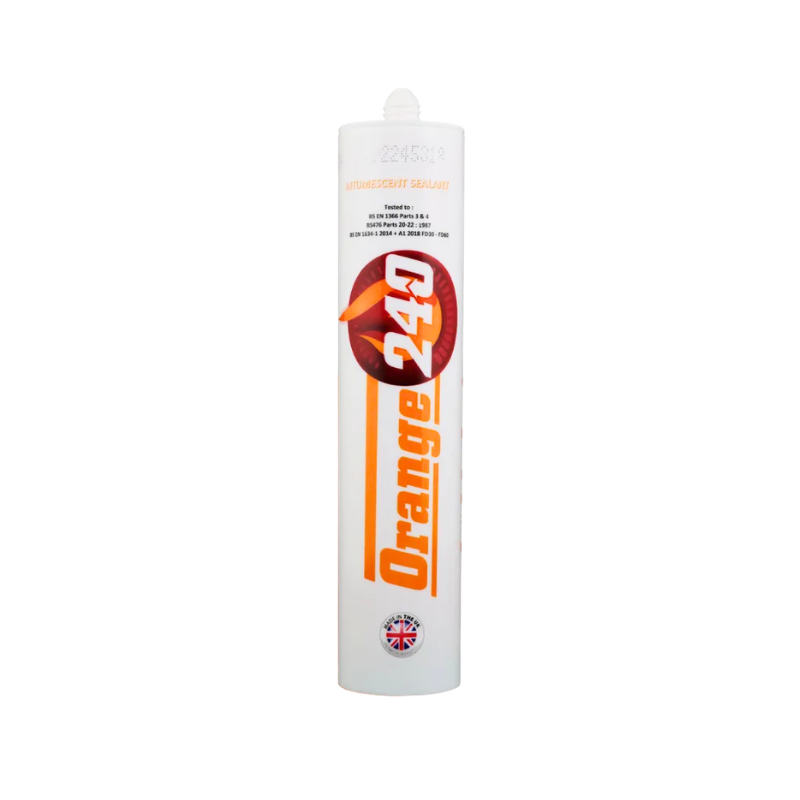
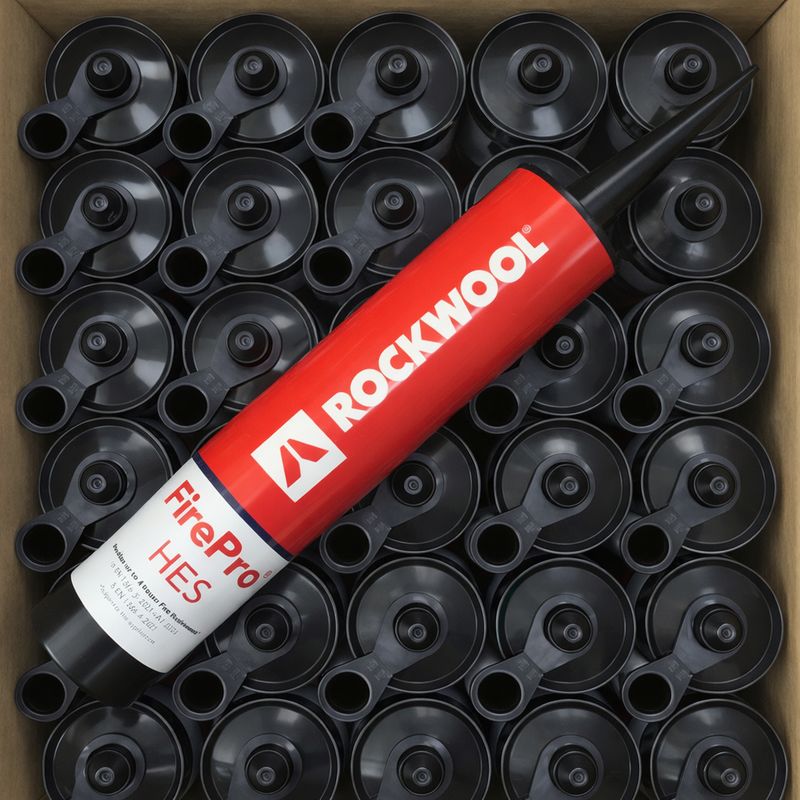
To ensure the required levels of protection, fire stopping techniques are implemented at points where services pass through these walls or floors. This involves measures like installing fire batts, pipe collars, and intumescent sealant at locations where cables and pipes penetrate through a fire wall or floor.
Incorrect installation of these life-saving measures may pose risks to lives and property, leading to a catastrophic impact on both the hospital and the community.
Fire risk assessments for hospitals
In line with the Regulatory Reform (Fire Safety) Order 2005, a designated person/s must be allocated on each premise throughout the hospital to take charge of the risk assessment process.
The role of the responsible person is to identify potential fire hazards, implement preventive measures, and ensure that the facility adheres to fire safety protocols.
Regulations stipulate that healthcare facilities must tailor their fire safety measures to account for the diverse range of individuals under their care. This includes developing evacuation plans that consider the unique requirements of patients, ensuring the availability of specialised equipment, and conducting regular drills to test the efficiency of these plans.
The application of these requirements may vary across different types of healthcare facilities. Big city hospitals, with their larger and more complex structures, might face challenges in terms of coordinating evacuations and ensuring that all patients, including those in specialised units, can be safely moved.
In contrast, smaller A&E departments or local doctors' offices might have more streamlined evacuation procedures but must still adhere to the same principles of inclusivity and regular training to address the specific needs of their patients.
How FireSealsDirect can help?
At FireSealsDirect we pride ourselves in being passive fire protection experts, and supply a wide range of quality products to help increase fire protection in buildings, including hospitals, across the UK.
Need some help or advice? Contact our technical team at [email protected] or call us on 02920 857 959 for more information. Alternatively you can visit our Advice Centre which contains helpful guides and information.
Related Articles
What is Rockwool?
Learn how ROCKWOOL insulation is made, assess its environmental impact, and understand...
Read more
What are a Fire Warden’s Responsibilities?
Discover the various roles and responsibilities of a fire warden as well...
Read more

Fire Safety Guide For Loft Conversions
There are countless factors to consider and regulations to follow when converting...
Read more