






Fire Doors in Transport Hubs and Airports: Keeping People Moving Without Compromising Safety
Explore the key fire safety challenges in airports and transport hubs, from fire door specification and maintenance to access control and passenger flow.
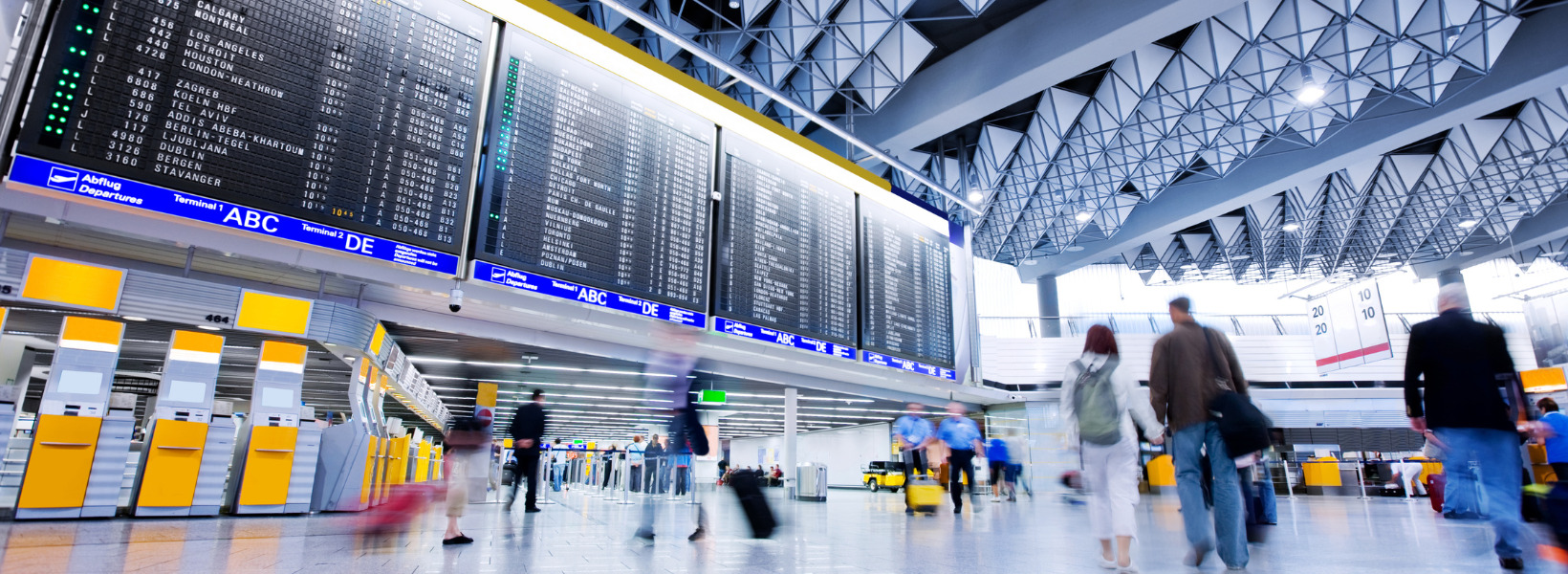
Transport hubs are built to keep thousands of people moving safely and efficiently every day. From airport departure lounges and security checkpoints to train stations, passenger waiting areas and connecting corridors, there is a constant flow of passengers, luggage and staff throughout the building. Within that flow, fire doors are one of the most critical pieces of safety infrastructure.
Fire Safety Challenges in High-Traffic Transport Environments
Transport hubs present a unique combination of challenges. Footfall is high and constantly changing, spaces are often large and open-plan, and the building typically combines public passenger areas, retail units and restricted operational or staff-only zones.
Each area has different fire risks and different requirements for how doors should operate, making the correct specification of fire doors, door closers and associated hardware essential. A one-size-fits-all approach simply doesn't work.
Why Fire Doors Are Critical in Transport Hubs and Airports
Fire doors are designed to slow the spread of fire and smoke, helping to protect escape routes and maintain fire compartmentation long enough for occupants to evacuate safely and emergency services to respond.
A fire in a departure lounge, station concourse or connecting corridor has the potential to affect hundreds or even thousands of people. By compartmentalising the building and limiting the spread of fire and smoke, fire doors form a vital part of the overall fire strategy. If they fail to perform as intended, evacuation routes can quickly become compromised.
Hold-Open Devices: Maintaining Passenger Flow Without Compromising Fire Safety
The challenge is that transport hubs are designed around movement, not closed doors. Passengers with luggage, parents with pushchairs, wheelchair users and staff transporting equipment all need to move through the building quickly and safely. Closed fire doors can create bottlenecks and reduce accessibility along busy routes.
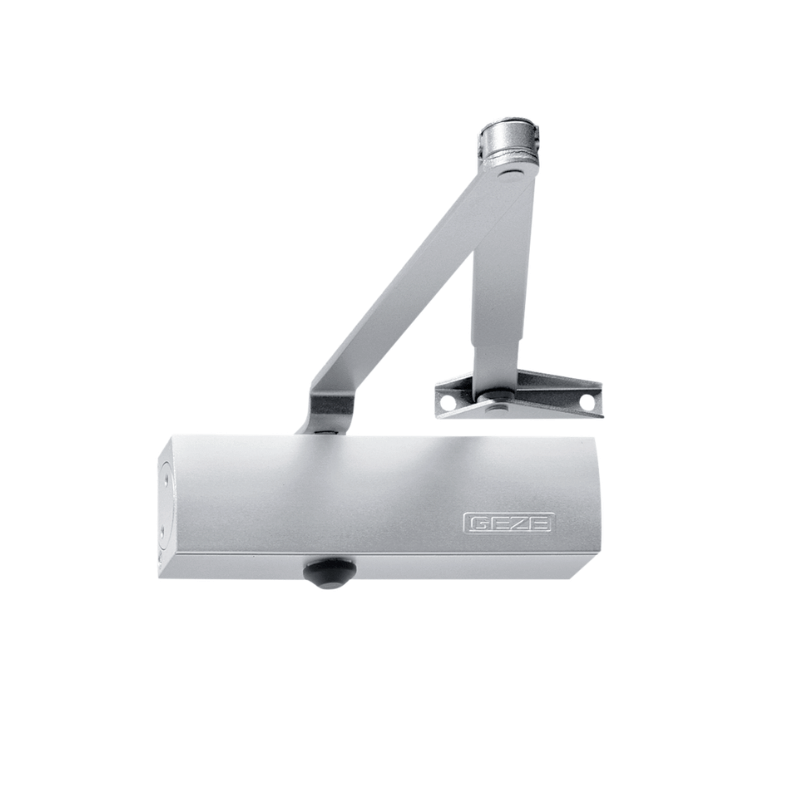
This is why fire door hold-open devices are commonly used in transport environments. Electromagnetic hold-open devices allow a fire door to remain open during normal operation, improving accessibility and passenger flow. When the fire alarm activates, the device automatically releases the door, allowing the door closer to return it to the closed position and restore the fire compartment.
Fire and Security Doors: Access Control in Restricted Areas
Many fire doors within transport hubs also act as security doors, separating public areas from staff facilities, baggage handling areas and other restricted operational zones.
Access control systems such as digital locks must be compatible with the fire door and respond correctly during an emergency, allowing the door to perform its fire safety function.
Doors forming part of escape routes may also incorporate panic hardware, allowing occupants to exit quickly during an emergency while maintaining controlled access during normal day-to-day operation. Achieving the right balance between fire safety, security and accessibility requires careful planning, specification and ongoing testing.
UK Fire Door Regulations for Transport Hubs and Airports
In the UK, fire doors in non-domestic buildings, including transport hubs and airports, are governed primarily by the Regulatory Reform (Fire Safety) Order 2005, which places a legal duty on the "responsible person(s)" to ensure fire doors are properly installed, maintained and kept in efficient working order.
Building Regulations Approved Document B provides further guidance on where fire doors are required and the level of fire resistance they need to achieve, typically demonstrated through testing to standards such as BS 476-22 or BS EN 1634-1. For busy, round-the-clock transport environments, staying compliant means treating fire door management as an ongoing responsibility, not a one-off installation task.
Fire Door Maintenance in Transport Hubs and Airports
Because transport hubs see such heavy daily use, and many operate 24 hours a day, fire doors need regular, well-planned maintenance to stay effective.
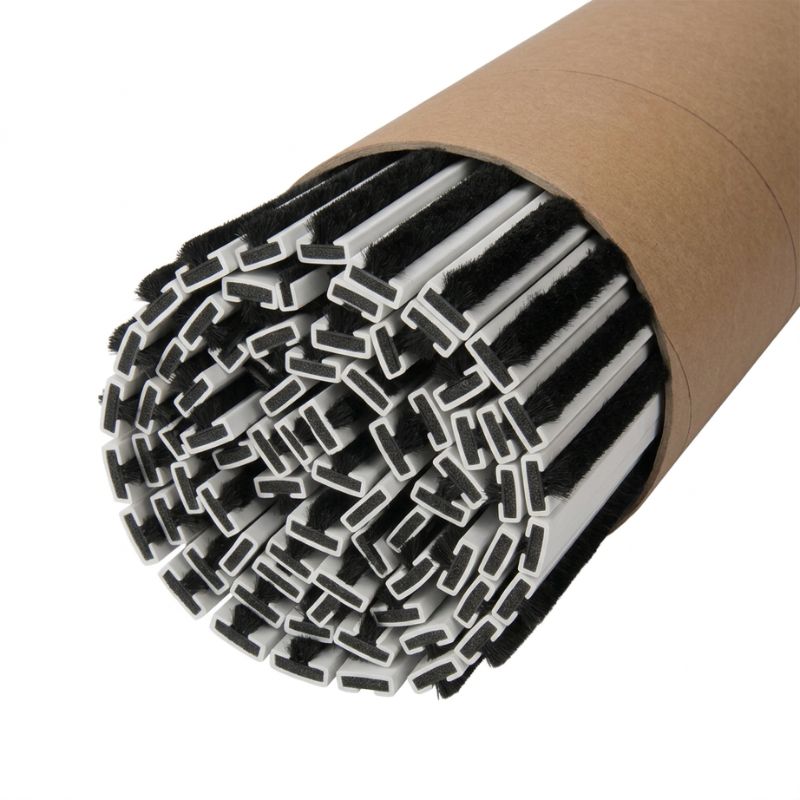
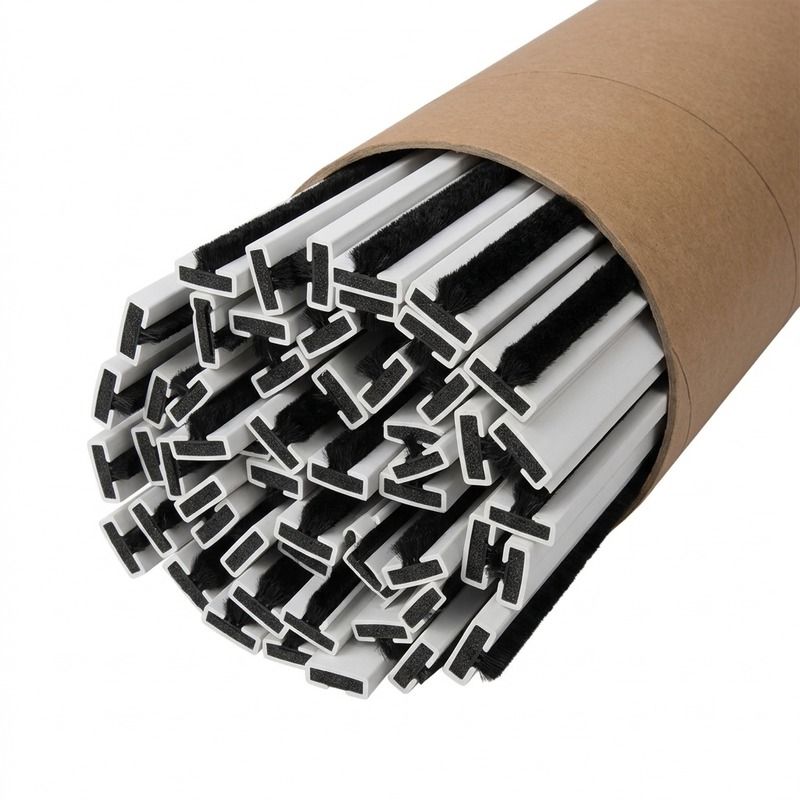
Door closers, hinges, intumescent strips, panic hardware and latching mechanisms should all be checked routinely. Issues such as damaged seals, missing screws or a gap that's slightly too wide, can be enough to stop a fire door performing as it should.
Scheduled inspections catch these problems early, minimise disruption to passenger flow, and ensure fire doors remain reliable throughout their working life, doing their job quietly every day, and performing exactly as needed if the worst happens.
How we can help
At FireSealsDirect, we supply a range of fire door hardware suitable for demanding environments, including airports, transport hubs and other high-traffic buildings.
Our team is on hand to help you choose the right solution for your project. If you need guidance on specifications, installation requirements, or product suitability, we’re here to support you every step of the way.
Get in touch with us at [email protected] or call 02920 859 959.
Related Articles

Highlights from The Fire Safety Event 2026
FireSealsDirect exhibited for the first time at The Fire Safety Event 2026...
Read more
Understanding Flexible Fire Barriers and Their Role in Fire Compartmentation
Flexible fire barriers help contain fire in concealed spaces. Learn how they...
Read more

ROCKWOOL FirePro® Range Updated for EN Fire-Resistance Standards Ahead of 2029 Deadline
Future-ready ROCKWOOL FirePro® products tested to EN standards. Ensure compliant specifications today,...
Read more