



Everything You Need To Know About Internal Fire Doors
A comprehensive guide to internal fire doors. Learn about regulations, fitting, maintenance, and functionality.

Written by Rebecca
18th October 2024

Fire doors are an integral part of a building's passive fire protection system and fire safety strategy. They play a vital role in containing and controlling the spread of fire, protecting property, and, most importantly, saving lives.
In this blog, we will explore everything you need to know about internal fire doors, including their purpose, regulations, fitting, maintenance and how they work to enhance building safety.
What is an internal fire door?
An internal fire door is a specific type of door with fire-resistant properties designed to prevent the spread of fire and smoke within a building. They act as a barrier to contain a fire to a specific area for a predetermined period of time, allowing for safe evacuation and giving emergency services time to respond.
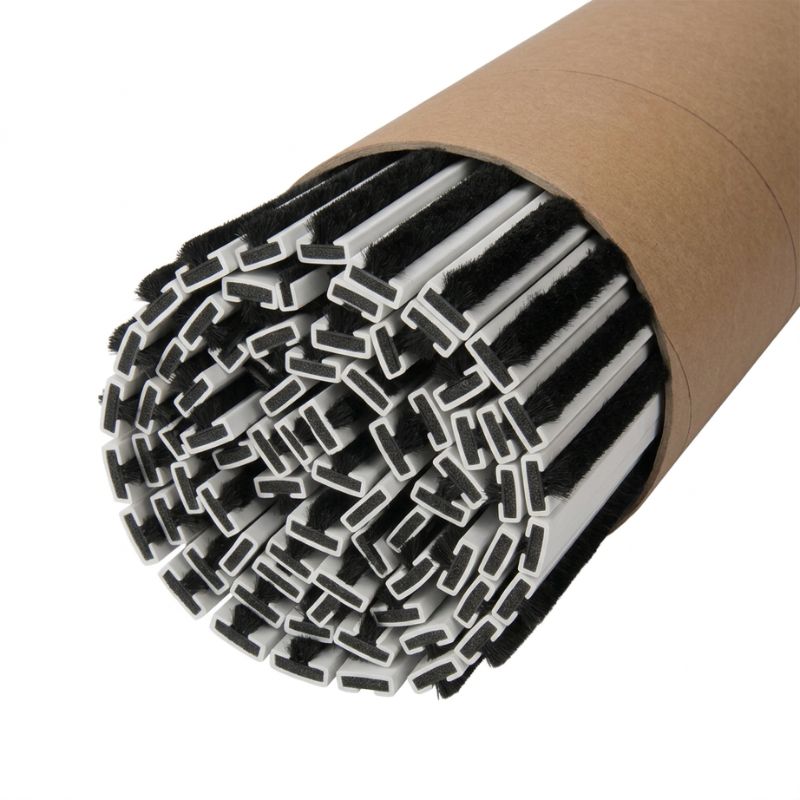
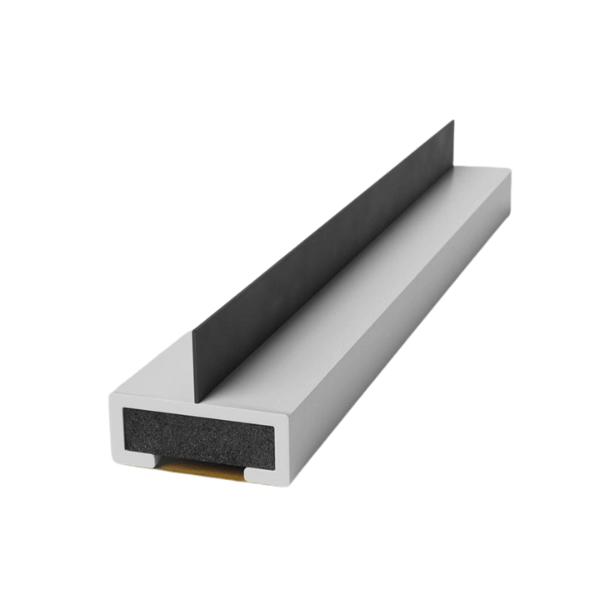
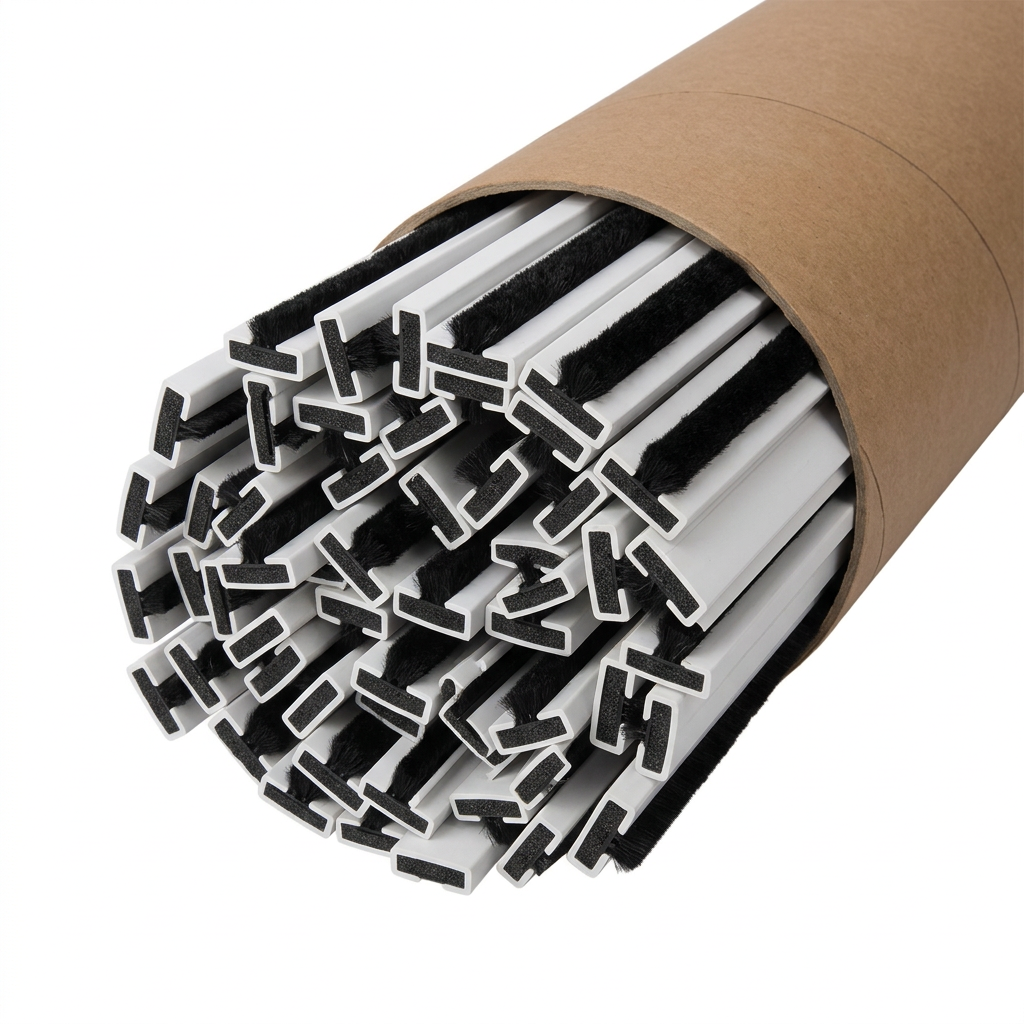
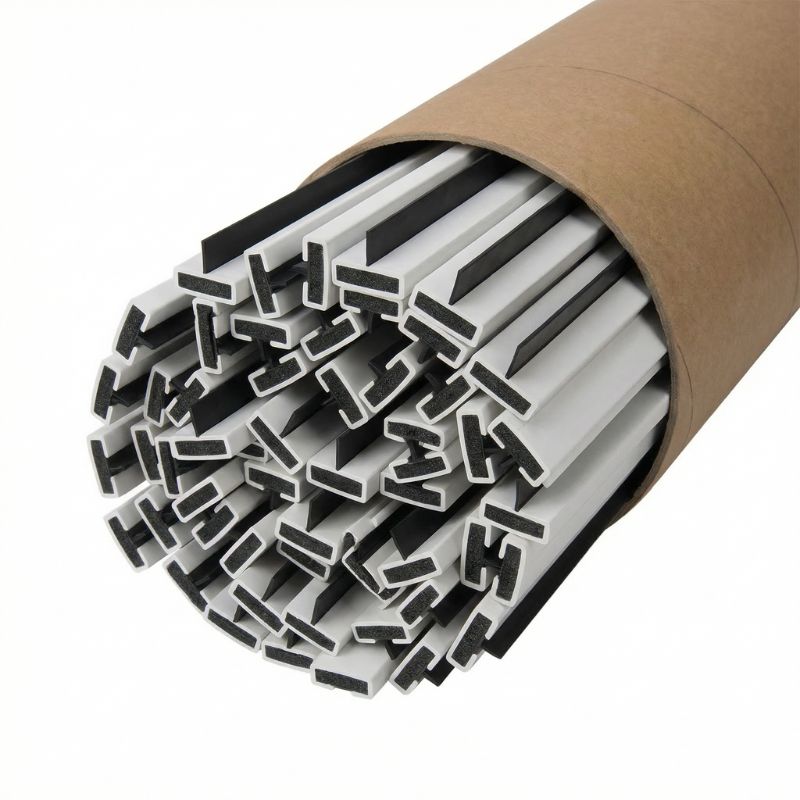
Internal fire-rated doors are constructed from materials that can withstand high temperatures, most commonly timber. They must be fitted with intumescent strips and appropriate fire-rated hardware, such as door closers and ironmongery, to ensure compliance with fire safety regulations.
How do fire doors work?
Fire protection doors are designed to perform several essential functions in the event of a fire:
Resistance to Fire
The primary function of a fire door is to resist fire for a specific period of time, most commonly 30 minutes (FD30) or 60 minutes (FD60) for internal doors.
The required level of fire resistance depends on factors such as the building type, layout and door location, with doors on escape routes or in high-risk areas needing higher protection in order for occupants to safely evacuate.
Fire doors undergo rigorous testing under controlled conditions to ensure they meet the necessary fire safety standards before being certified.
Compartmentation
Fire compartmentation is the practice of dividing rooms, spaces or storeys of a building into fire-resistant compartments to delay the spread of fire from one area to another.
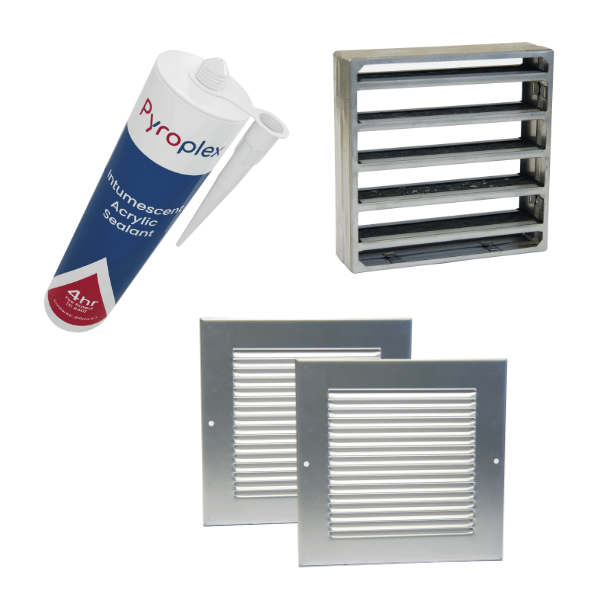
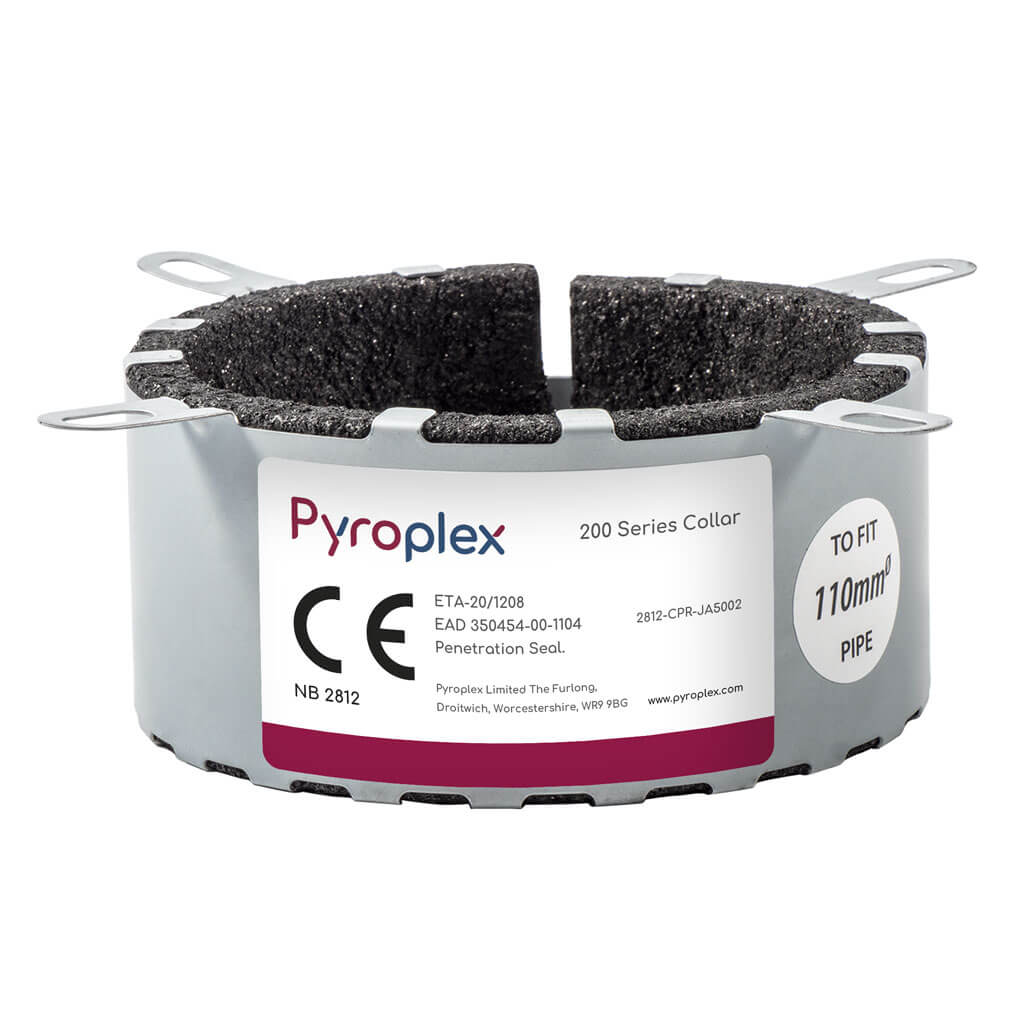
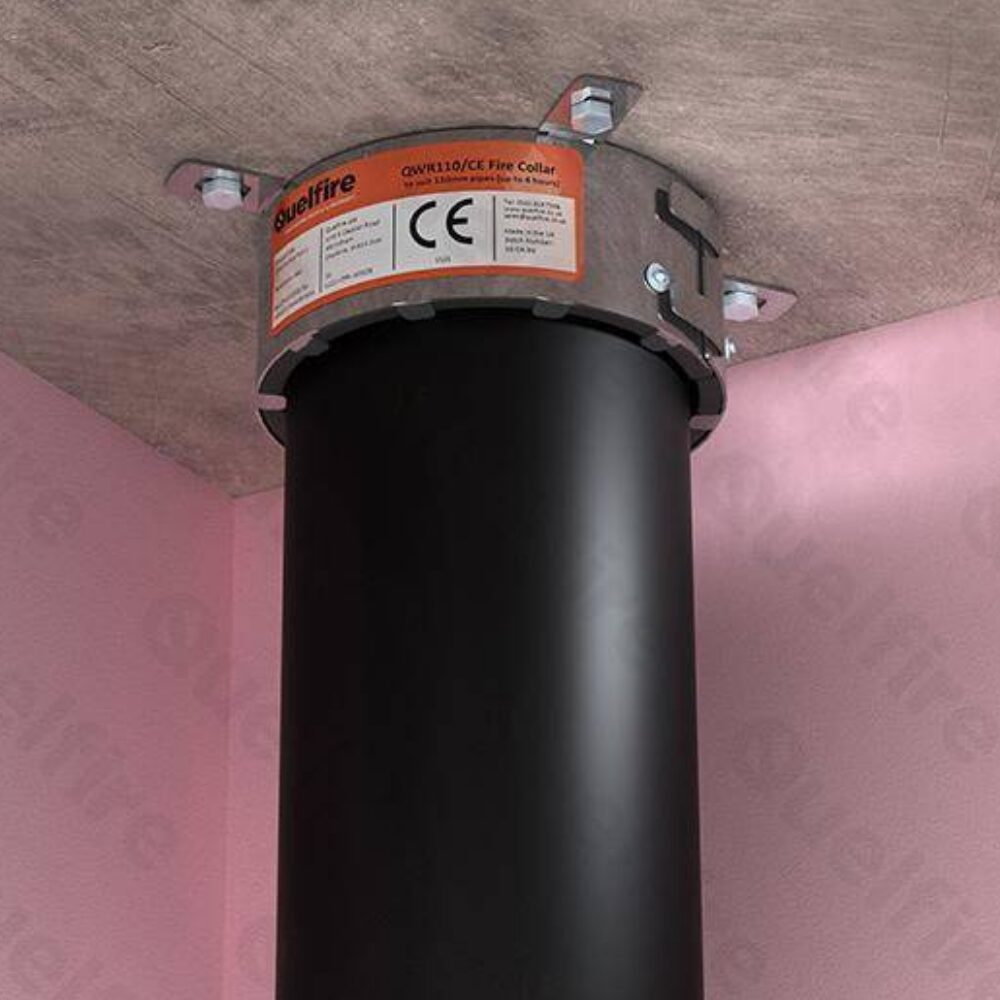
By strategically installing fire doors along with other fire stopping systems, a building is divided into compartments to contain a fire.
Smoke sealing abilities
Fire doors not only prevent the spread of fire but also protect against the spread of hot smoke. However, some doors, such as those protecting fire escape routes, may also require protection from cold smoke. In such cases, a cold smoke seal should be installed around the door's perimeter.
There are exceptions where smoke control is not required, such as when a smoke alarm is situated on the other side of the door which will need to sound in the event of a fire. Fire doors requiring cold smoke protection are classified as FD30S, FD60S, FD90S or FD120S.
Self-closing
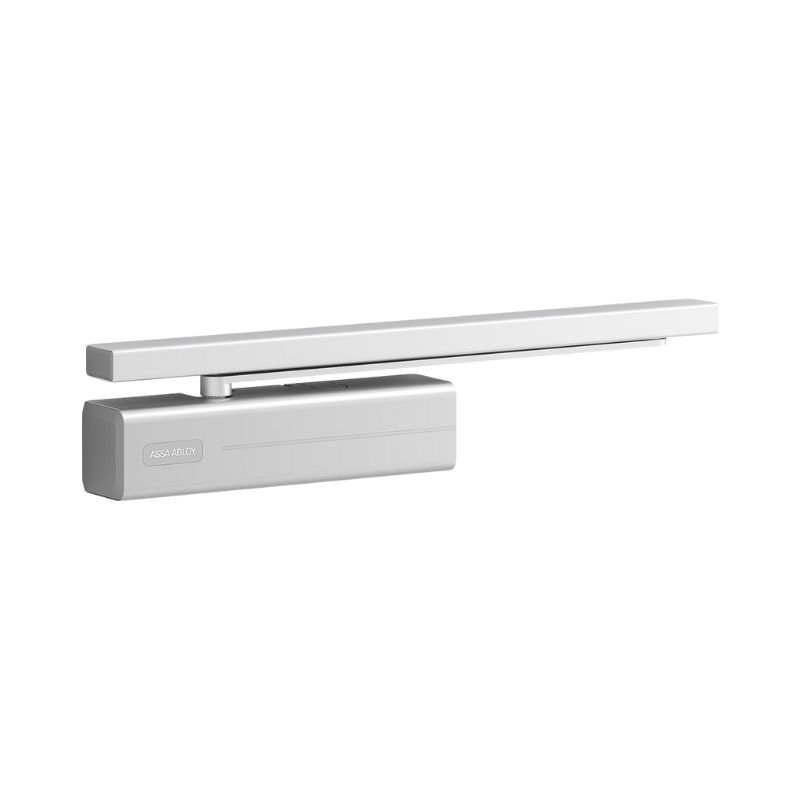
Fire door closers are installed to a door to ensure they automatically close after use. Their sole purpose is to prevent doors from being inadvertently left open, which could compromise fire safety by allowing fire and smoke to spread freely through a building.
Fire door regulations
Fire doors are highly regulated due to their life-saving role. The primary legislation governing fire doors in the UK is the Regulatory Reform (Fire Safety) Order 2005 (FSO). The Fire Safety Order applies to non-domestic premises, including commercial buildings, offices, public buildings and communal areas in flats or high-rise buildings.
Under this legislation, the ‘Responsible Person’, whether a building owner, landlord or manager, is required to ensure that the doors within their building are properly installed, maintained and inspected.
The Responsible Person must also conduct a regular fire risk assessment to ensure all fire safety measures are up to date and comply with legal requirements.
Key standards for fire doors include:
- BS 476-22: A long standing British standard that outlines the methods for determining the fire resistance of construction elements, including fire doors and all of its components
- BS EN 1634-1: A European and British standard for testing the fire resistance of doors and how well they can prevent the spread of fire and smoke
Where are fire doors required?
Internal fire doors are required in all non-domestic properties, such as commercial and public buildings, as well as in blocks of flats and houses of multiple occupancy.
In domestic dwellings with more than two levels, they are required for any door leading to a stairwell that opens into a habitable room.
Common areas where internal fire doors are required include:
- Escape routes, such as corridors and stairwells
- Between areas that separate different sections of a building
- Areas that house hazardous materials or equipment
- Kitchens or boiler rooms
- In loft conversions
- Between a house and an integral garage
- Between business and residential spaces in a mixed-use buildings
The number and placement of fire doors in a building is dependent on its size, use and layout, as identified in the building's fire risk assessment.
Fire door installation
Proper installation is crucial to the effectiveness of fire doors. Here are some key aspects of fire door installation:
Correct sizing
A fire door leaf must be the right size to fit the doorway with minimal gaps. Excessive gaps can compromise the door’s ability to protect against fire and smoke.
The gap allowances are:
Fire only doors:
- Around the head and jambs: 2-4mm
- Threshold gap: 6-10mm (this will depend on the door manufacturer’s specification)
Fire and smoke doors:
- Around the head and jambs: 2-4mm
- Threshold gap: no more than 3mm
Hardware
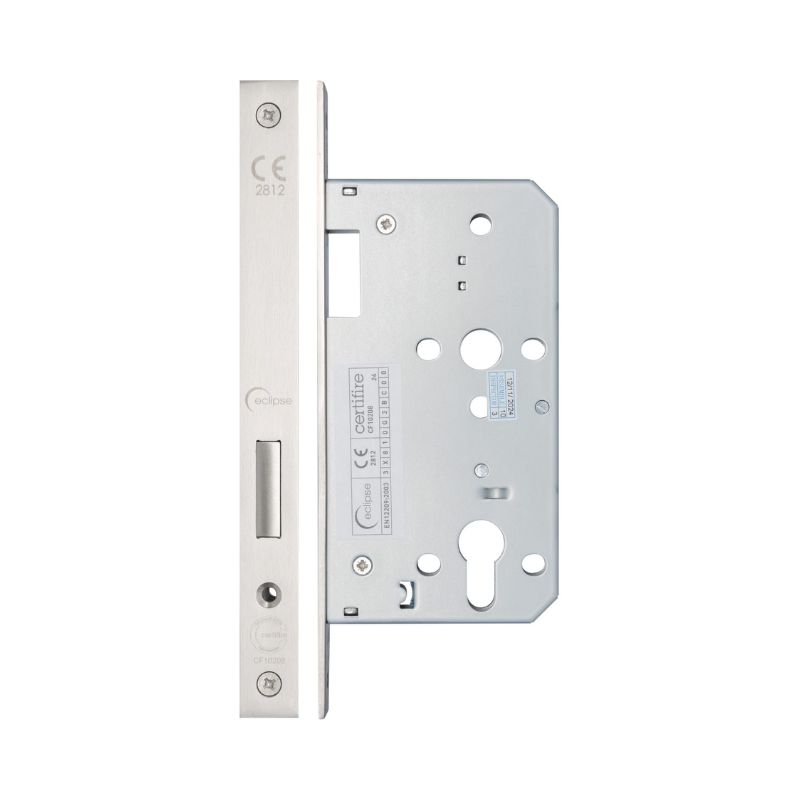
Fire door hardware, such as intumescent strips, hinges and latches and must be fire-rated and compatible with the door blank, as specified by the door manufacturer. Using non-compliant hardware can significantly reduce the door’s fire resistance.
Frame compatibility
Fire door frames should be made from fire-resistant materials and be compatible with the door leaf. This will be outlined in the door manufacturer’s specification.
Professional installation
All fire-rated doors should be installed by certified professionals who possess the skills, knowledge, experience and behaviour (SKEB) necessary for proper installation, along with a clear understanding of fire door regulations.
Improper installation will void the door’s certification and compromise its effectiveness during a fire.
Fire door maintenance and inspection
Regular maintenance and inspection of fire doors is required by law. Here are some key elements for keeping doors in proper working condition:
Regular Inspections
Fire doors should be inspected at least every six months or more frequently in high-traffic areas as signs of wear will appear more quickly with increased use.
Inspections should check for:
- Damage to the door, frame or glazing
- Wear and tear on seals, hinges and hardware
- Proper functioning of the self-closing device
- Fire door certification
You can download our free fire door inspection checklist as a guide to ensure your doors are compliant.
Replacing damaged components
Any damages identified should be replaced as soon as possible. Even minor damages can significantly reduce the door’s effectiveness.
Ensuring no obstructions
Fire protection doors should never be blocked, as this can hinder their effectiveness during an emergency and delay occupants' escape.
Documentation
It is essential to keep detailed records of all fire door inspections and maintenance activities, as these can be requested by fire authorities during audits or investigations.
Whether you are installing new doors or maintaining existing ones, it’s crucial to work with certified professionals and stay informed about the latest fire safety practices.
Looking for more information on fire door protection? FireSealsDirect can help
FireSealsDirect is a fire safety business with family beginnings and 50 years of fire safety experience, selling a vast portfolio of fire door products and passive fire protection products from well-known and trusted brands to the trade.
Our expert customer care team are on hand to help with any queries you may have about fire doors or our range of products. You can reach out via our live chat feature or email us at [email protected].
Related Articles

Compartmentation Failure: Houses & Bungalows Most Affected
Did you know that houses and bungalows are 1.6x more likely to...
Read more
How Long Does A Fire Door Last?
Understanding how long fire doors last in these two areas—durability and protection—is...
Read more
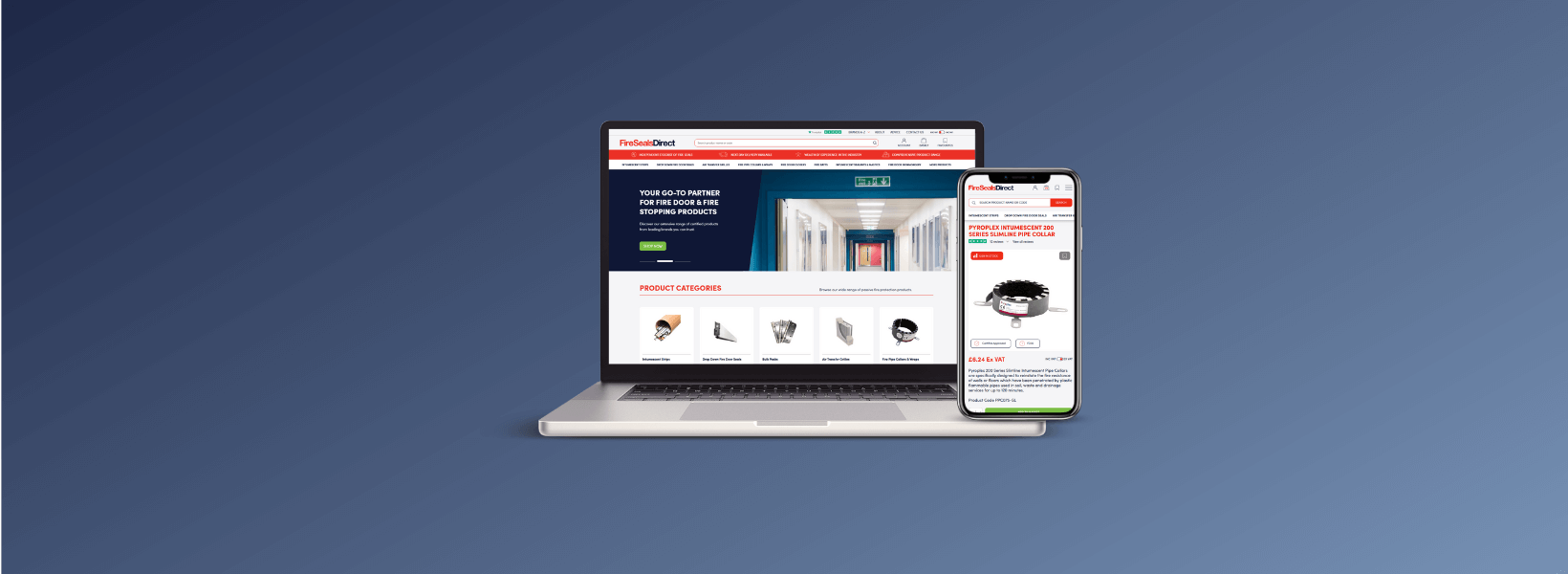
Introducing the new FireSealsDirect website: Designed with the Trade in Mind
Explore the features of our new website, created with an intuitive interface...
Read more