When it comes to fire safety regulations, many business owners are often unclear about what is required of them. Previously, businesses were required to obtain fire certificates under the Fire Precautions Act 1971. However, this requirement changed with the introduction of the Regulatory Reform (Fire Safety) Order 2005 (FSO). Fire certificates were replaced by the need for businesses to undertake a fire risk assessment.
By understanding and fulfilling your responsibilities under the Fire Safety Order, you can safeguard your business, employees and customers from the devastating effects of fire.
What is the Regulatory Reform (Fire Safety) Order 2005?
The Regulatory Reform (Fire Safety) Order 2005 (FSO) is a key piece of legislation introduced by the government to reduce the risk of fire and the damage it can cause to property, life, communities and businesses.
Under the FSO, the ‘Responsible Person’ for a building—typically the building owner, manager, or landlord—has a legal obligation to conduct a fire risk assessment. This involves identifying potential fire hazards, evaluating risks and ensuring that appropriate fire safety measures are in place, such as fire alarms, extinguishers and clear escape routes.
Who does the Fire Safety Order apply to?
The Fire Safety Order applies to non-domestic premises, such as commercial buildings, offices, schools and hospitals in England and Wales. It also applies to communal areas of residential buildings such as flats or HMOs (houses in multiple occupation).
If your property is located in Scotland or Ireland, regulations may differ, so it’s essential to consult local government legislation.
Who enforces the Fire Safety Order?
Local fire and rescue services are responsible for enforcing the Fire Safety Order. They have the authority to inspect business premises to ensure compliance and review the fire risk assessment.
Business owners must be prepared to provide evidence that an up-to-date assessment has been carried out and that necessary actions have been taken. Failure to comply with the FSO can result in enforcement notices, significant fines, or even imprisonment in severe cases.
Find out more about fire regulation enforcement.
What is a fire risk assessment?
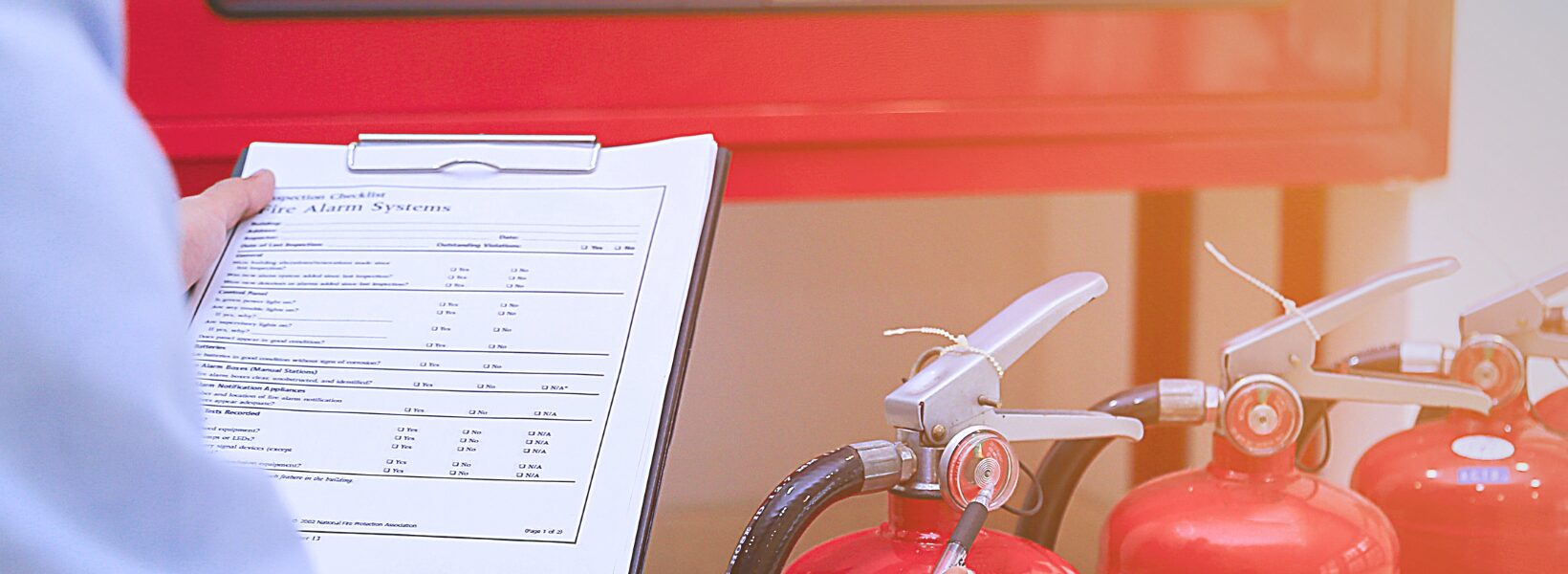
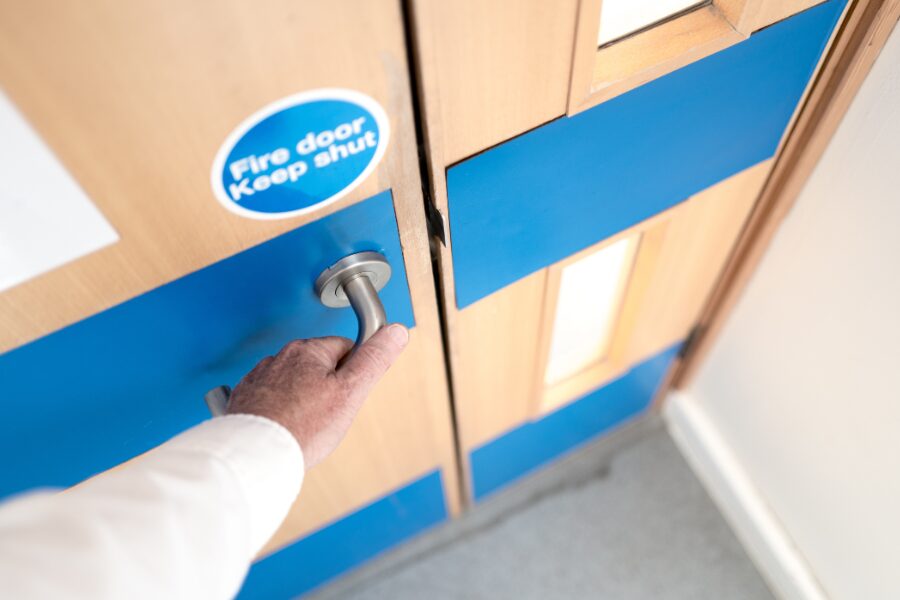
A fire risk assessment is a detailed evaluation of a building designed to identify potential fire hazards, evaluate the risks and determine the necessary measures to minimise or eliminate them. This includes maintaining fire doors and detection systems, ensuring safe evacuation routes, managing the storage of flammable materials and training staff on fire safety.
How to conduct a fire risk assessment
Although the Responsible Person can conduct a fire risk assessment, it requires sufficient knowledge and understanding. Many businesses, especially those operating in complex premises, choose to engage external contractors with expertise in fire safety.
A fire risk assessment typically involves:
- Identifying fire hazards
- Identifying who is at risk
- Evaluating and reducing risk
- Recording all findings
- Reviewing regularly
Learn more about how to conduct a fire risk assessment.
How often should businesses conduct a fire risk assessment?
A fire risk assessment is not a one-time task. It must be regularly reviewed and updated to reflect any changes in the premises or operations. Reviews should be conducted:
- Annually – This ensures that no changes have occurred that could affect the fire safety of the building. For more fast-paced environments, it may need to be reviewed more frequently.
- After significant changes – This includes structural changes, alterations to the building’s use, changes in staff numbers, or the introduction of new equipment or processes.
- Following a fire incident –Any fire, even a small one, necessitates a review and update of the fire risk assessment to prevent future incidents.
Find out more information on how often a fire risk assessment should be reviewed?
How FireSealsDirect can help
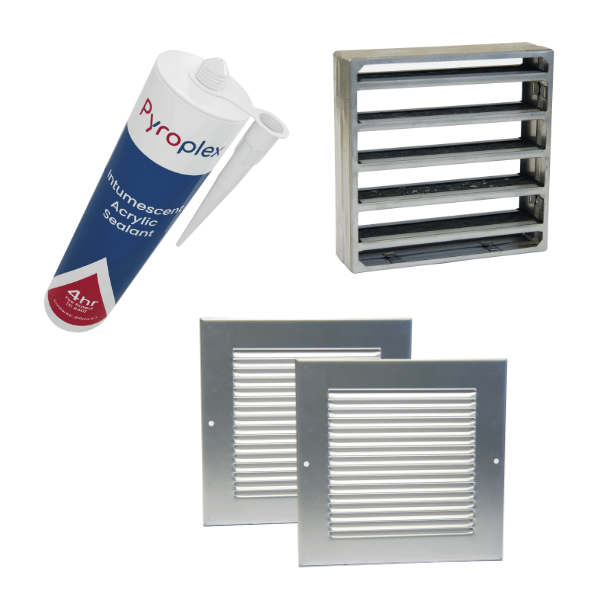
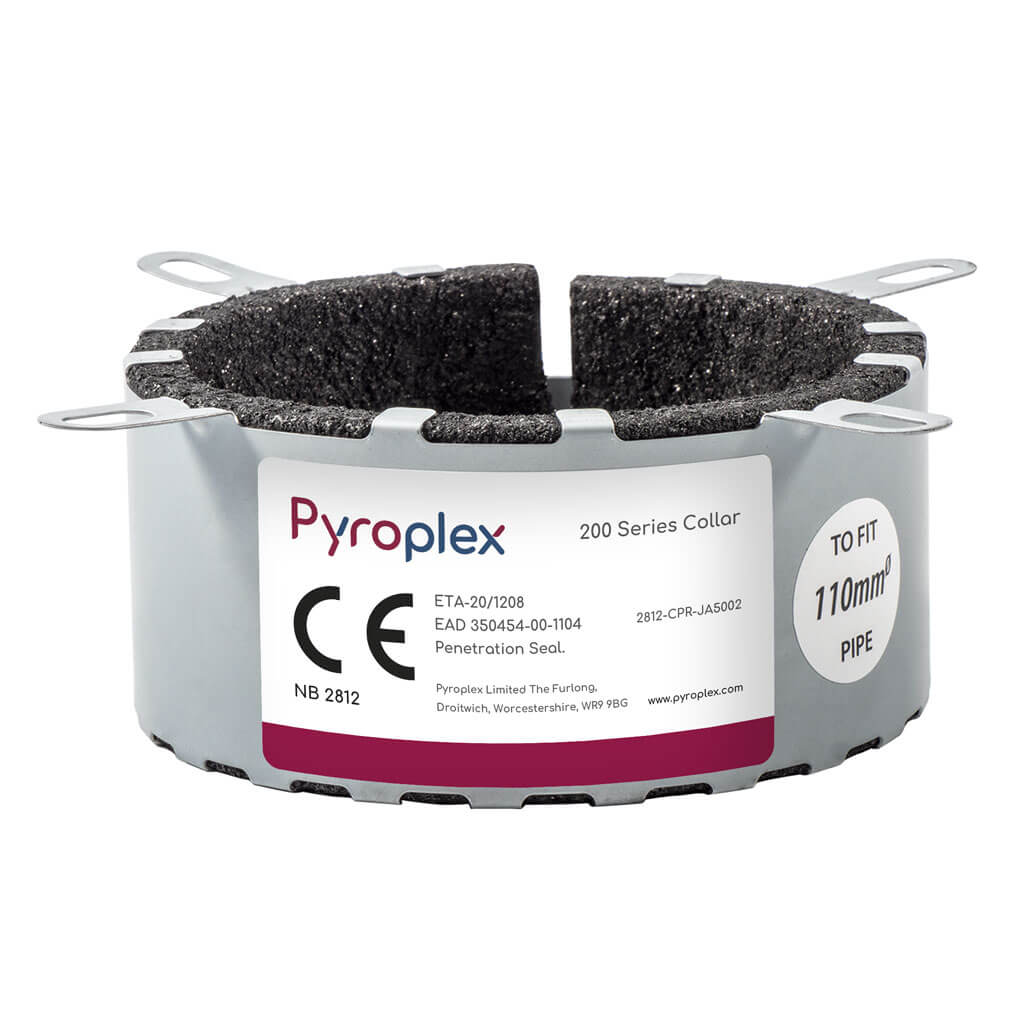
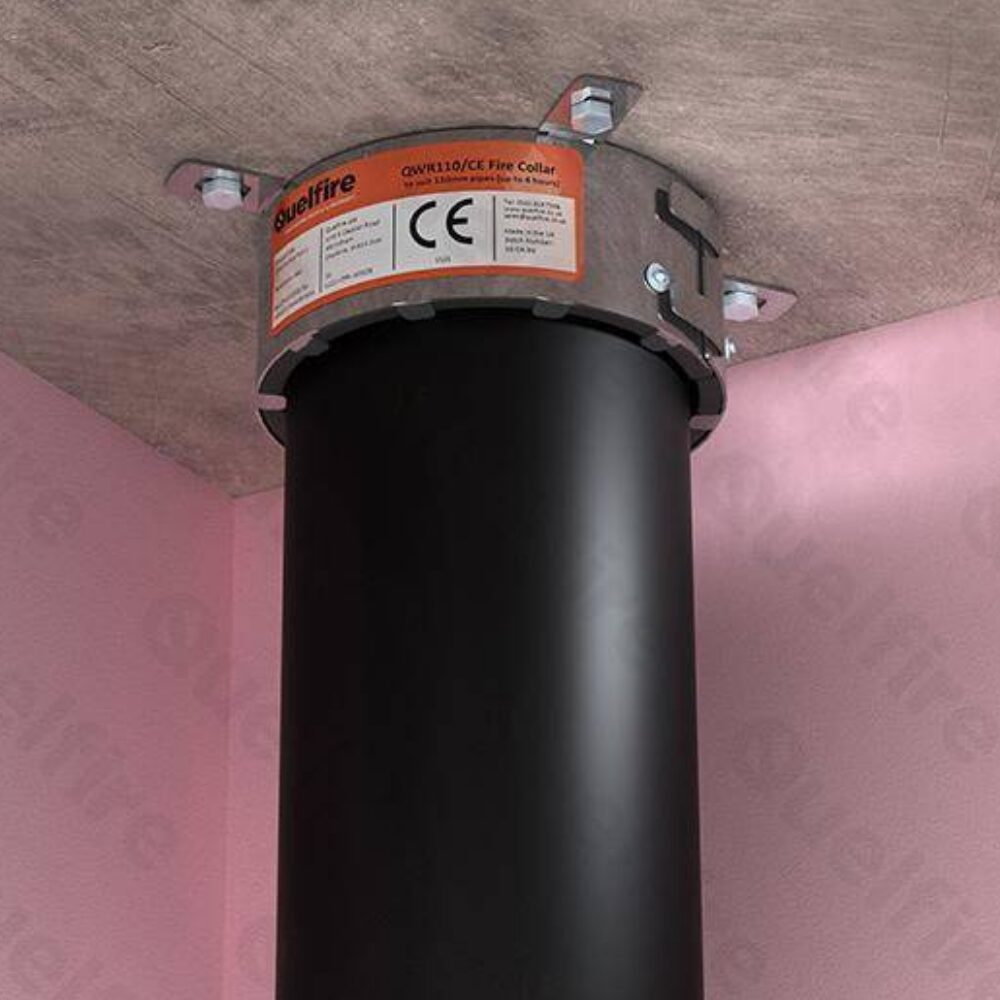
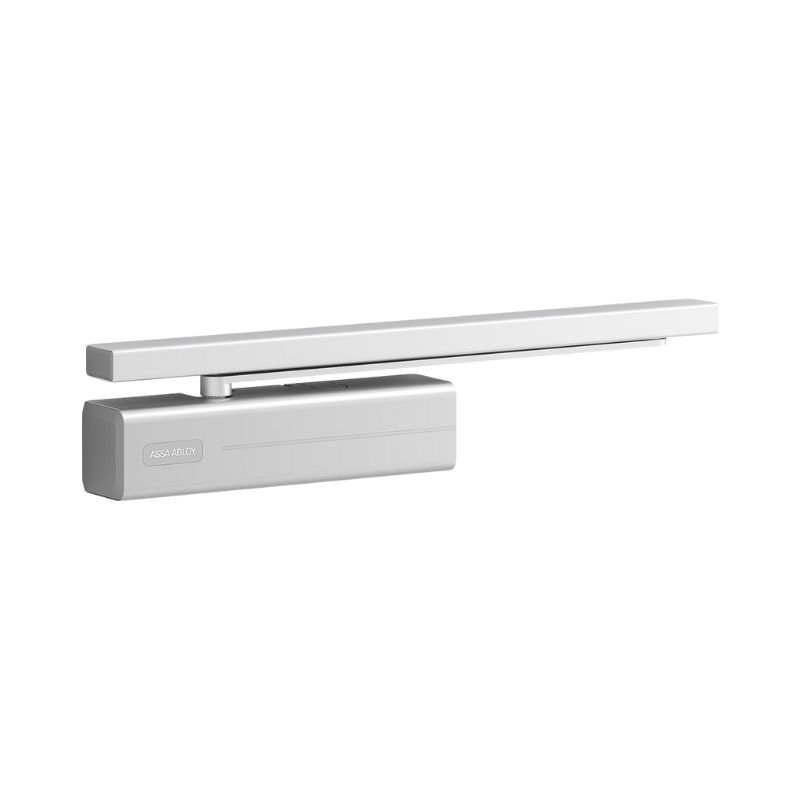
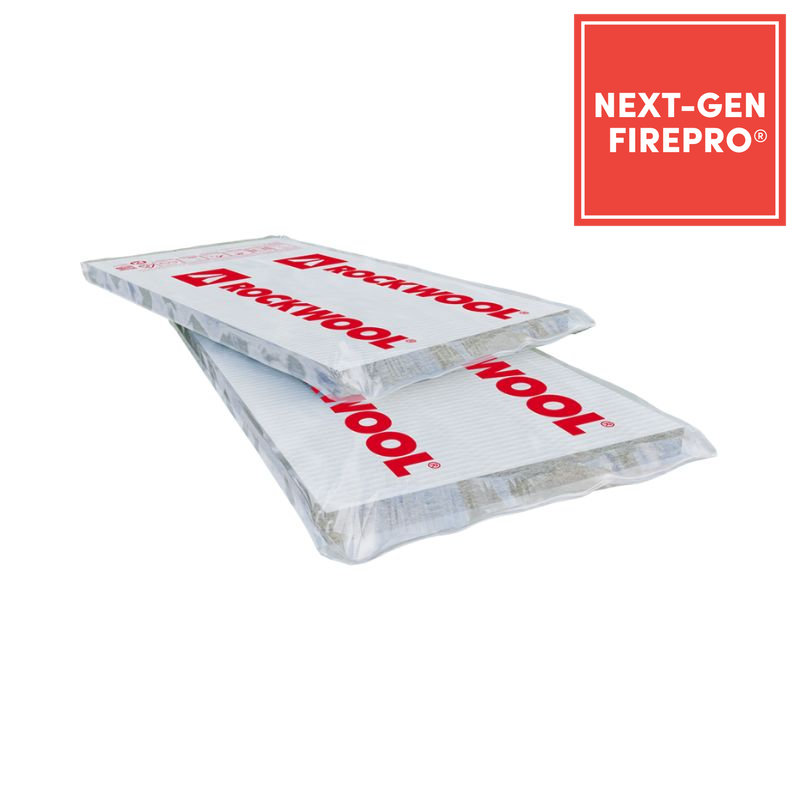
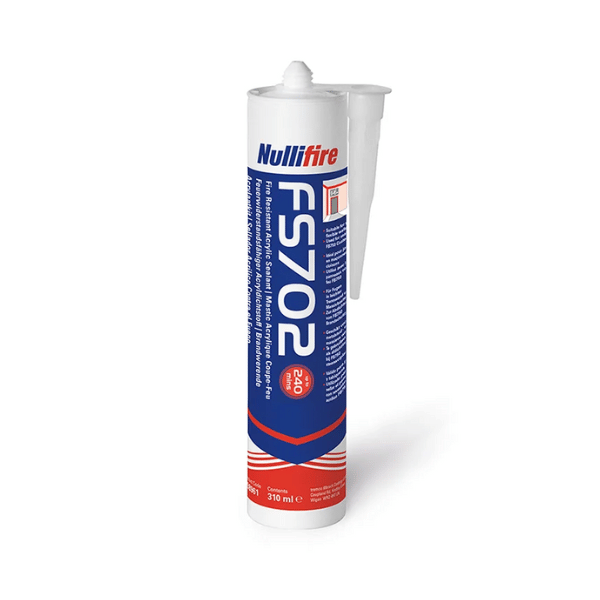
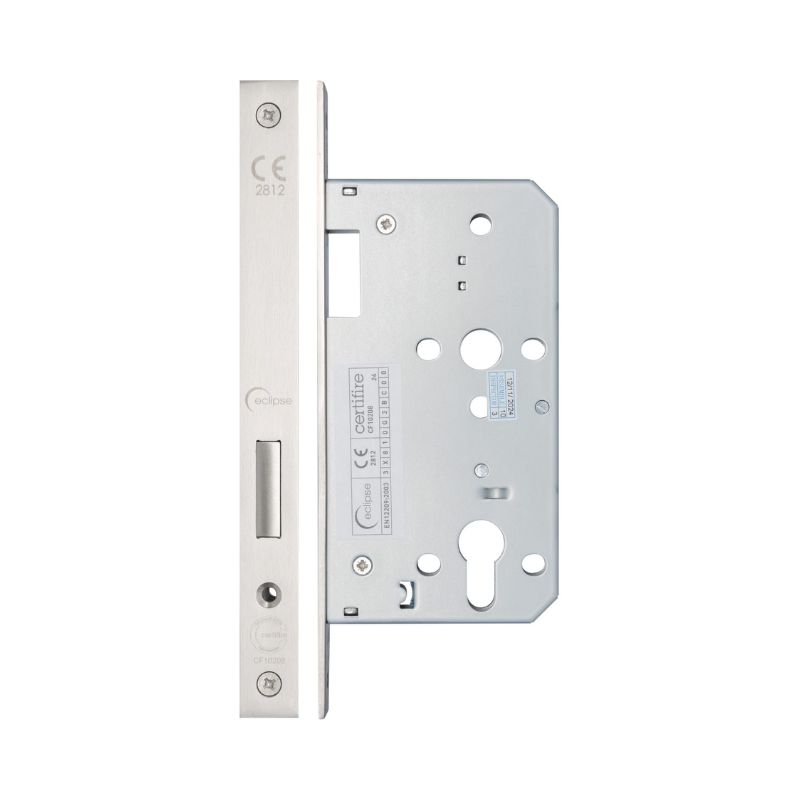
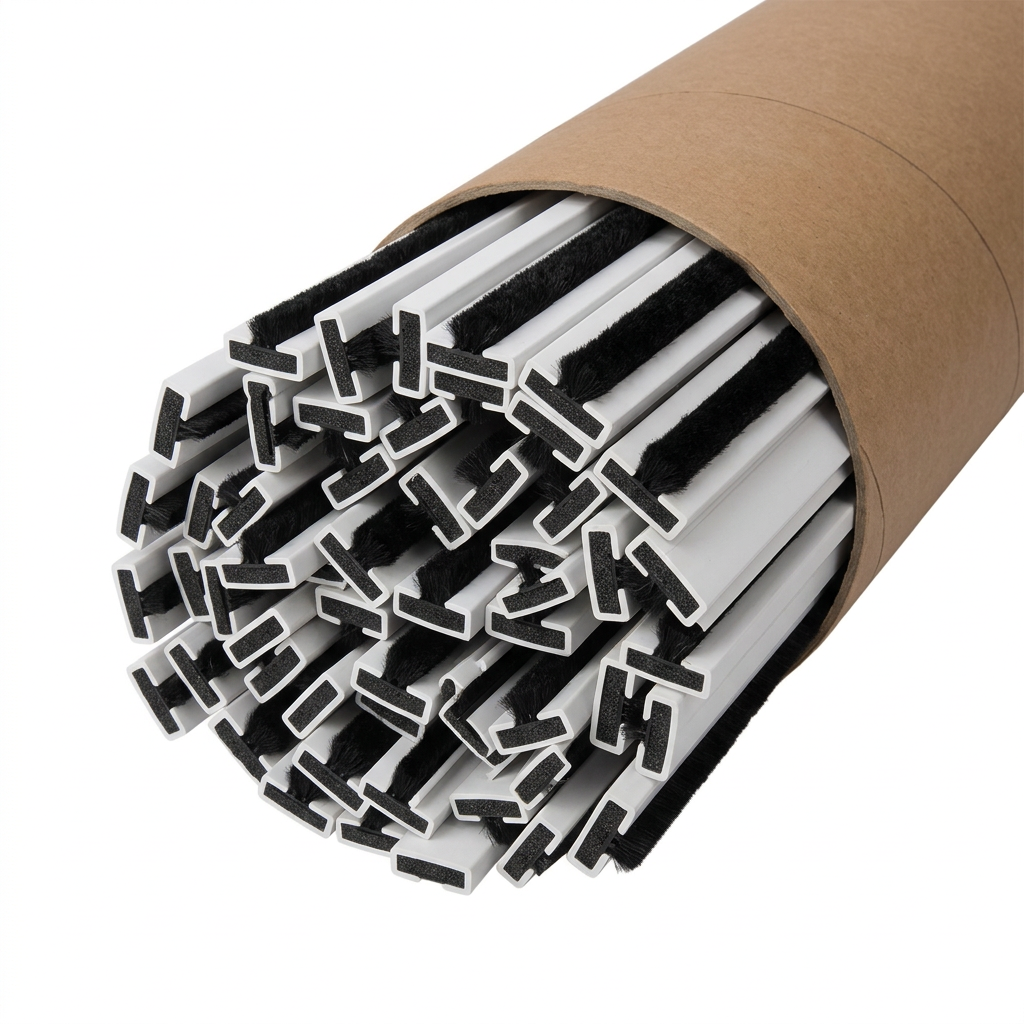
We are a family business with 50 years of experience in the field of fire safety, offering a wide selection of products from leading brands. Explore our full range of fire door and fire stopping products to ensure your building remains compliant.
Our expert customer care team is available to assist with any questions you may have about our products. Contact us using our live chat feature or email us at [email protected].
You can also visit our Advice Centre for a range of helpful guides on fire legislation, installation instructions and more.