
Fire Door FAQs
Discover the answers to common fire door questions, including how fire doors work, their key components and maintenance requirements.

Written by Rebecca
20th September 2023
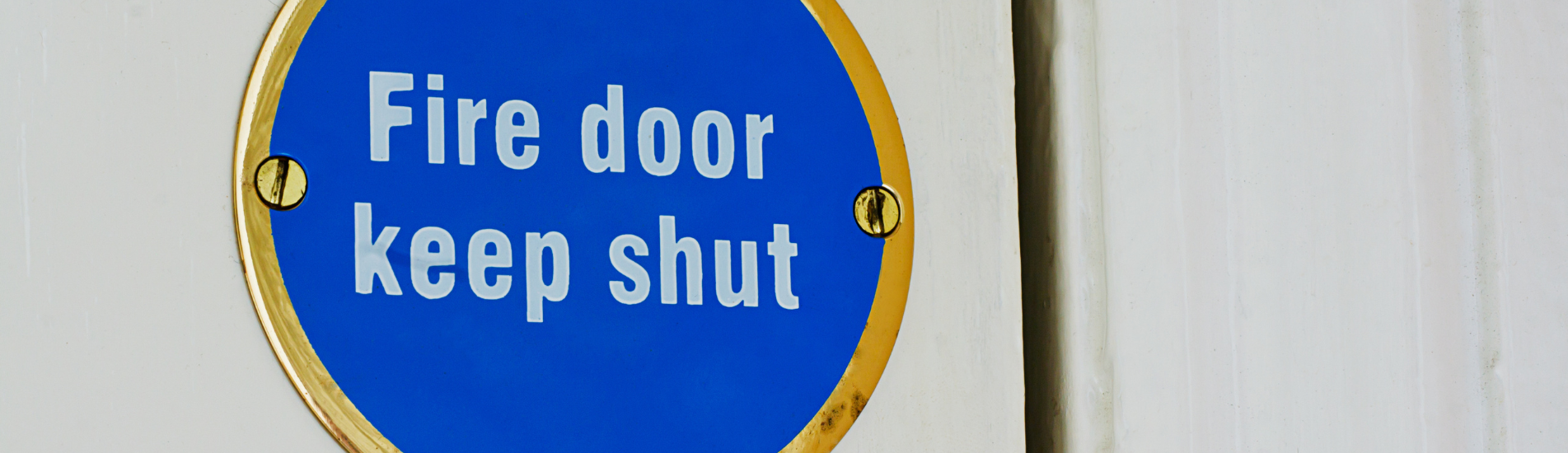
Fire doors help protect escape routes and slow the spread of fire through a building. Their performance depends on the complete assembly, from the door leaf and frame to its seals, hardware and installation.
Whether you are fitting a new fire door, replacing a damaged seal or planning maintenance, these FAQs explain fire door ratings, installation, gaps, smoke control and inspections.
The regulatory answers below refer to England unless stated otherwise. Requirements differ across the UK. For a specific project, follow the applicable building regulations, fire strategy, fire risk assessment and manufacturer’s instructions.
Fire Door Ratings and Performance
How do fire doors work?
A closed fire door helps prevent the spread of fire from one compartment or room to another. The door leaf, frame, seals and hardware work together to maintain that barrier. Correct installation and maintenance are essential to its performance. Find out more.
How are fire doors different from ordinary doors?
Fire doors have evidence supporting the fire performance of a specified assembly. An ordinary door cannot become a fire door simply because it is solid or fitted with fire door hardware.
What does FD30 and FD60 mean?
FD30 provides 30 minutes of fire resistance, while FD60 provides 60 minutes under the relevant test conditions. The S suffix, as seen in FD30S, indicates that the door also provides restricted smoke leakage. Discover more on fire door ratings.
What are the main components of a fire door assembly?
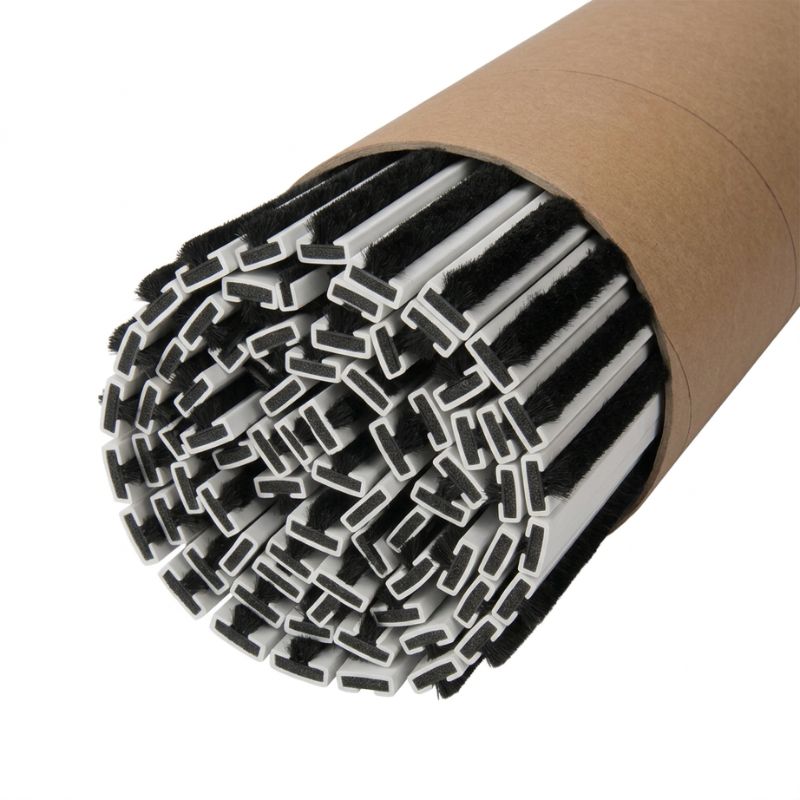
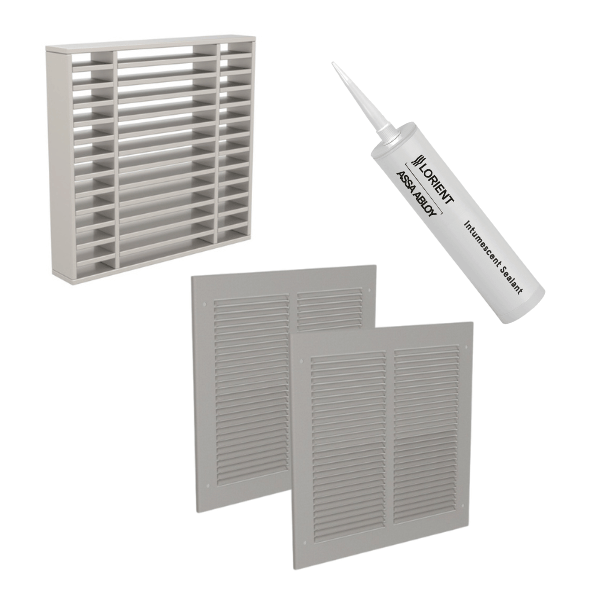
A fire door assembly includes the door leaf, frame, essential hardware and specified seals. It may also include glazing, air transfer grilles and other approved features. The supporting documentation identifies the components and installation details required for that door design.
Do fire doors need fire-rated hardware?
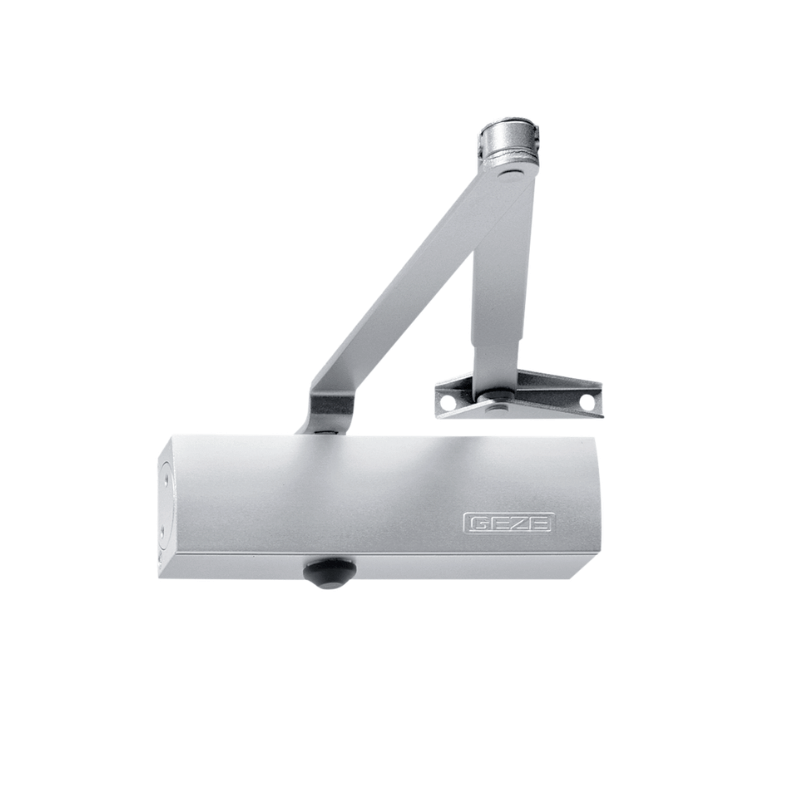
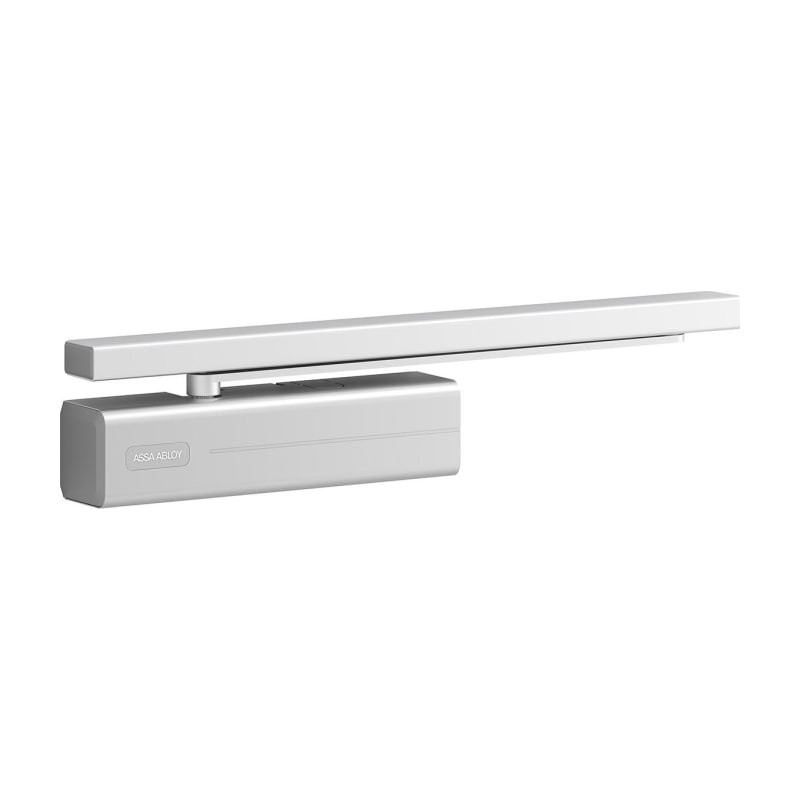
Fire doors need hardware that is suitable for the particular assembly. Hinges, closers, locks and latches must be compatible with its supporting evidence. A product described as fire-rated is not automatically suitable for every fire door.
Can fire doors be soundproof as well?
Yes. A door assembly can provide fire and smoke resistance as well as acoustic performance when supported by appropriate testing. Effective perimeter and threshold sealing helps reduce sound passing through gaps. Learn more on how to soundproof a fire door.
Fire Door Installation and Gaps
Who can install a fire door?
A fire door should be installed by someone competent in fire door installation, with appropriate training and an understanding of the building's requirements.
Third-party certification, such as BM Trada, can provide additional assurance of competence.
What gap should there be around the top and sides of a fire door?
For timber fire doors, the gap between the leaf and frame should typically be between 2–4mm at the top and sides. Keep it consistent and within the tolerances in the manufacturer’s supporting documentation.
What is the maximum gap allowed under a fire door?
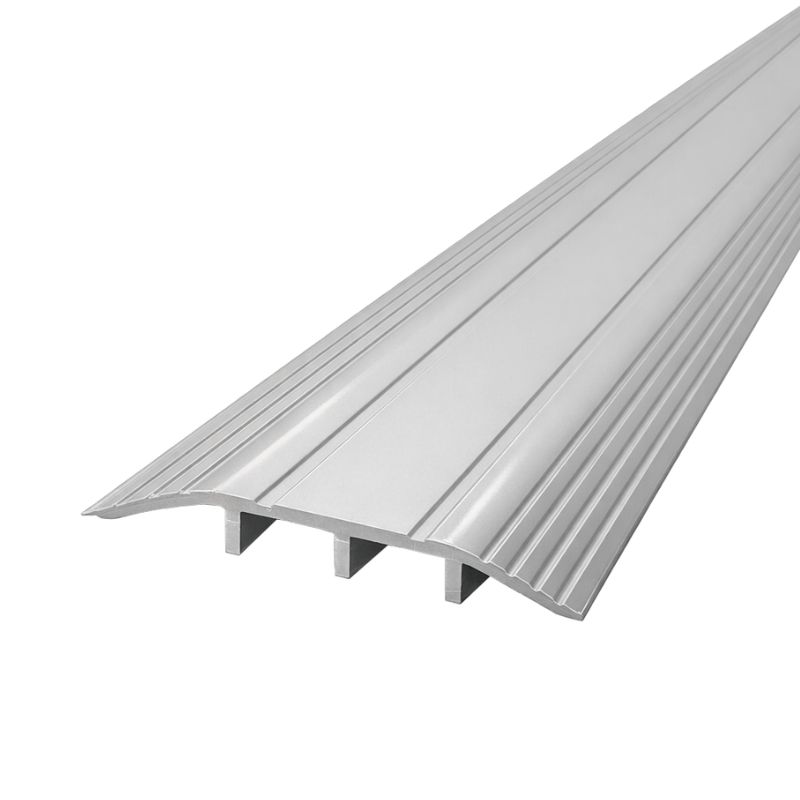
The permitted threshold gap depends on the door’s specification. For fire resistance only, some timber door designs permit a maximim of 8–10mm, subject to the manufacturer’s instructions. For smoke control, an unsealed gap is commonly limited to 3mm. Check the required threshold sealing arrangement and the complete door’s supporting evidence.
What does BS 8214 2026 say about threshold smoke sealing?
BS 8214:2026 addresses smoke control around the whole door perimeter, including the threshold. It no longer treats an unsealed threshold with smoke performance assessed only at the head and jambs as acceptable. Specify a threshold sealing system supported by the door’s smoke performance evidence. Find out more in our blog.
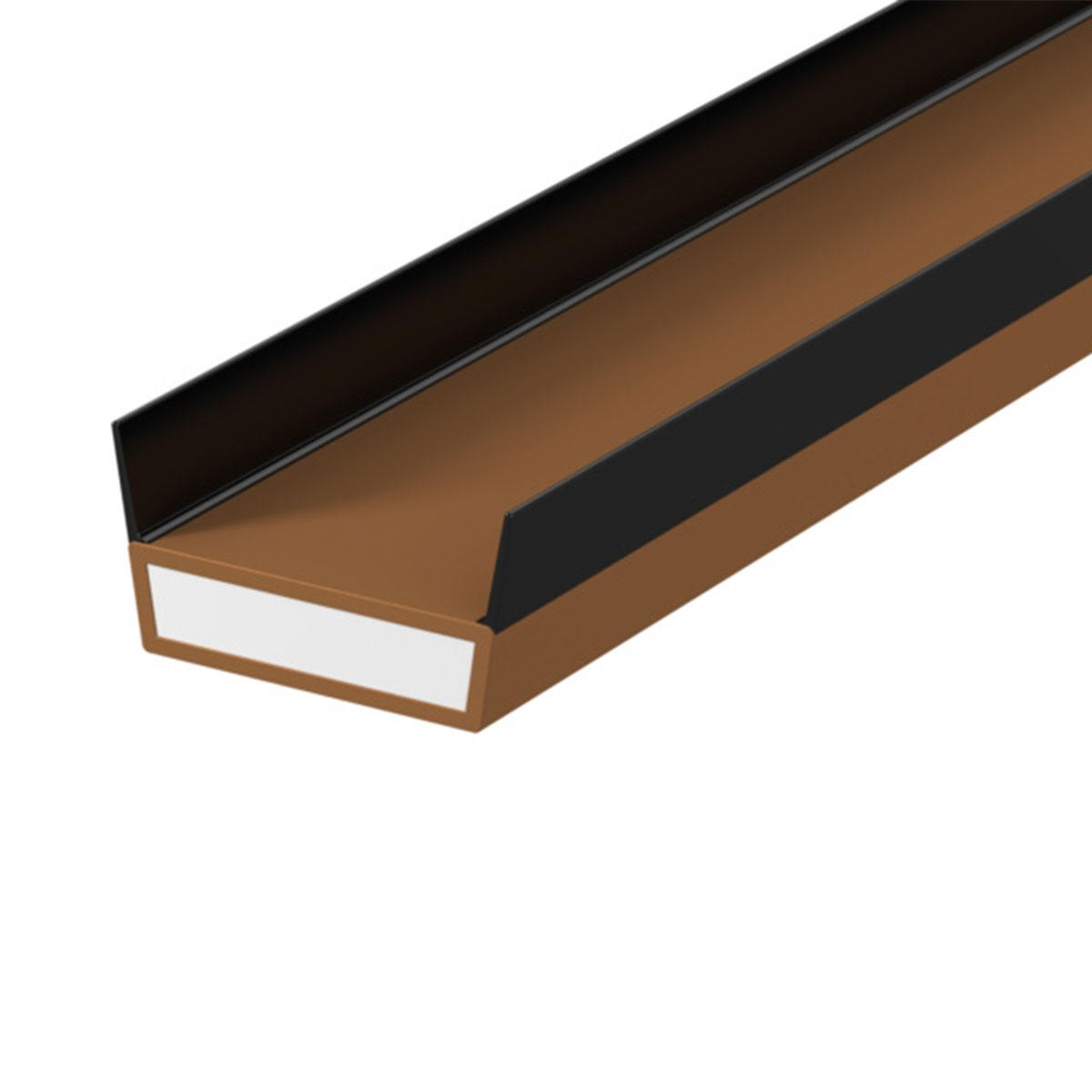
Can intumescent strips be fitted to the bottom of a fire door?
Intumescent strips are only required along the top and two sides of the fire door or door frame.
Where the gap at the bottom of the door is larger than permitted, we advise installing a drop down fire door seal to seal the threshold.
Fire Door Modifications
Can a fire door be trimmed or modified?
Only make alterations covered by the manufacturer’s instructions and supporting evidence. Check the permitted trimming allowance for the exact door, and obtain confirmation before cutting new apertures or changing its construction. Use a competent person for the work and retain the relevant documentation.
Can fire doors be painted?
Usually, subject to the manufacturer’s instructions. Do not paint smoke seals, combined fire and smoke seals or identification labels. If painting is required, avoid paint build-up that may affect closing.
Can you add a glass panel to a fire door?
Fire doors can only be glazed where the door's test evidence supports an aperture and glazing system. Under the BWF Fire Door Alliance scheme, apertures must only be cut by a licensed converter, and not be carried out on site.
Fire Door Maintenance and Inspection
How often should fire doors be checked?
Fire doors should be checked regularly, depending on their use, condition and fire risk assessment. In England, blocks of flats with a top storey over 11m high must check communal fire doors at least every three months and flat entrance doors at least every 12 months. These requirements do not apply to all buildings.
What should a fire door inspection check?
Check the leaf and frame for damage or distortion, perimeter gaps, the condition of seals and the security of hardware and fixings. Check any glazing and that the door closes correctly. Record defects and arrange appropriate remedial work. Routine visual checks and a detailed assessment of the door’s suitability serve different purposes.
How often should fire doors be replaced?
Fire doors do not have a fixed replacement interval. Their condition and suitability should be assessed regularly to ensure they can perform as intended. Some defects can be repaired, while others may require the door to be replaced.
Fire Door Regulations
Who is responsible for maintaining fire doors?
In premises covered by the Fire Safety Order in England and Wales, the Responsible Person must maintain appropriate fire safety measures. This may be an employer, owner, landlord or managing agent, depending on control of the premises. In shared premises, those with responsibilities must cooperate.
What are the penalties for failing to maintain fire doors?
Breaching fire safety duties can lead to enforcement action, prosecution, fines and, for serious offences, imprisonment. Enforcement can also restrict the use of premises. Report faults promptly and arrange competent repairs rather than waiting for the next scheduled check. Read more about penalties for non-compliance.
Choosing Fire Door Components with FireSealsDirect
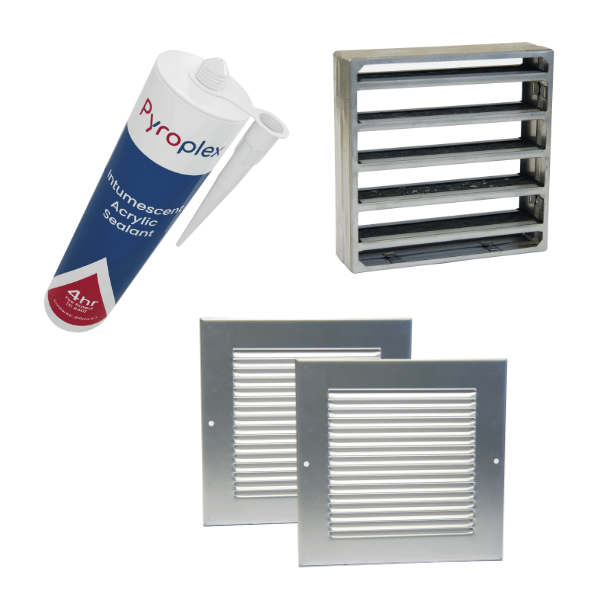
From replacement seals to door closers and hinges, choosing the right components starts with understanding the door’s specification. FireSealsDirect stocks fire door products from brands including Lorient, CCE and Pyroplex.
Contact our team with your door details, measurements and performance requirements for product information and supporting documentation. Where the existing door’s suitability is uncertain, arrange an assessment by a competent fire door professional.
Browse our fire door hardware or visit the Advice Centre for further guidance.
Related Articles

Third-Party Passive Fire Product Certifications and Accreditations
Discover what a third-party fire product certification is and why they are...
Read more

Fire Safety Regulations: What You Need To Know About the Changes From October 2023
Find out everything you need to know about the upcoming changes to...
Read more
Who Enforces Fire Regulations?
Understand who enforces fire safety regulations in the UK and who is...
Read more