



What To Know About Fire Doors In Flats
Learn more about fire doors in flats, including regulations, maintenance advice and your duties as a flat owner to ensure safety and legal compliance.

Written by Rebecca
28th January 2025
The Grenfell Tower tragedy highlighted the critical need for effective fire safety measures in residential buildings, raising awareness about the importance of adhering to fire safety regulations in flats and high-rise properties.
Internal fire doors play a crucial role in these measures, serving as a fundamental component of a building’s compartmentation system to prevent the spread of fire and smoke, ultimately protecting lives and minimising property damage.
Being aware of the regulations, understanding responsibilities and taking proactive steps to ensure proper maintenance is essential for protecting residents and fulfilling legal obligations.
Are internal fire doors required in flats?
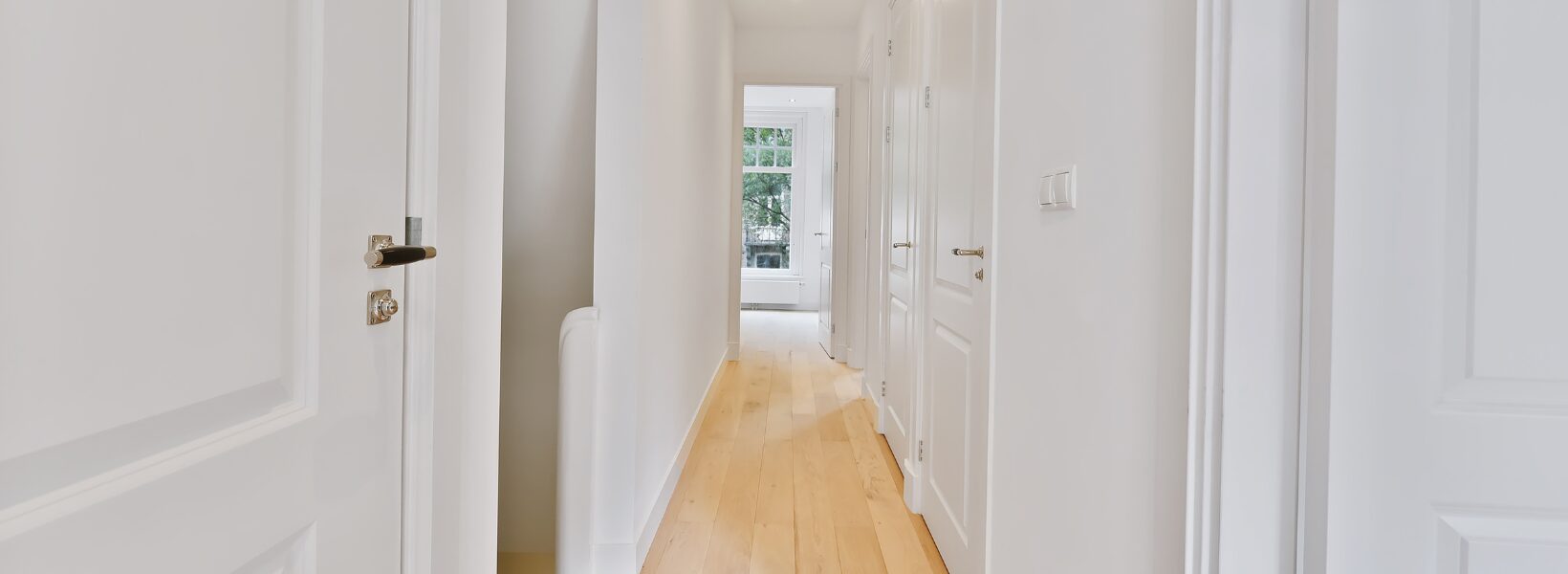
Internal fire doors are required in flats, located in areas such as hallways, stairwells and between individual flats, to reduce the risk of fire spreading between dwellings and into communal areas.
Fire doors must comply with stringent regulations and be fitted with appropriate seals and fire-rated hardware to be effective. Professional installation, regular inspections and proper maintenance are also necessary to ensure that fire doors continue to function as intended.
Who is responsible for fire doors in flats?
The 'Responsible Person' is accountable for ensuring the safety of occupants within a building, typically serving as the building owner, landlord, or anyone with control over the premises.
They are tasked with fulfilling the obligations outlined in the Fire Safety Order, which includes conducting a suitable and sufficient fire risk assessment, maintaining fire doors in common areas and addressing defects that have been identified.
The Home Office recommends that Responsible Persons inspect fire doors at least every six months and maintain records of all inspections and maintenance.
Visit the government websites to better understand your responsibilities under fire safety laws in England, Wales, and Scotland, or explore our blog that focuses on fire safety regulations for landlords.
What are the regulations for internal fire doors in flats?
In the UK, fire safety regulations for buildings are set out in the Building Regulations (Approved Document B) and the Regulatory Reform (Fire Safety) Order 2005. These documents establish the necessary guidelines for fire safety within buildings, including the requirement for fire-rated doors to separate individual flats from communal areas.
The Regulatory Reform (Fire Safety) Order 2005
This legislation applies to the communal areas of multi-occupied residential buildings. It assigns responsibility for fire safety to the "Responsible Person," who must ensure that fire doors, including flat entrance doors leading to communal spaces, are properly maintained.
Duties of the Responsible Person under this order include:
For residential buildings below 11 metres with 2 or more sets of domestic premises
- Ensure that fire doors, including flat entrance doors, provide adequate protection by carrying out a regular fire risk assessment
- Provide residents with fire safety instructions and information, emphasising the importance of fire doors and other safety measures within the building
For residential buildings above 11 metres
- Perform quarterly checks on all fire doors in common parts
- Undertake annual checks on all flat entrance doors that lead to a building’s common areas
- Conduct a fire risk assessment and document all findings
- Provide residents with fire safety instructions and information, emphasising the importance of fire doors and other safety measures within the building
Find out more about fire regulations for high-rise residential buildings.
Building Regulations (Approved Document B)
Approved Document B sets out the fire safety standards for buildings, specifying the required locations for fire doors and the level of protection needed.
Fire doors are not legally required for ground-floor flats or those under 4.5 metres in height, provided there is a proper means of escape. However, for all buildings above this height, FD30 or FD60 doors must be installed along escape routes and between flats and communal areas.
FD60 doors are typically installed in higher-risk or high-rise blocks of flats to allow more time for occupants to evacuate. Learn more about fire safety regulations for high-rise residential buildings.
Regulations in Scotland, Wales and Northern Ireland may differ.
How to ensure fire doors in flats are compliant
Ensuring that fire protection doors meet regulatory standards is essential for the safety of all building occupants. A compliant fire door should:
- Display a certification label
A fire door should have a label or plug indicating that it has been tested and certified to meet the required fire-resistance rating (e.g. FD30 or FD60).
- Be fitted with appropriate hardware
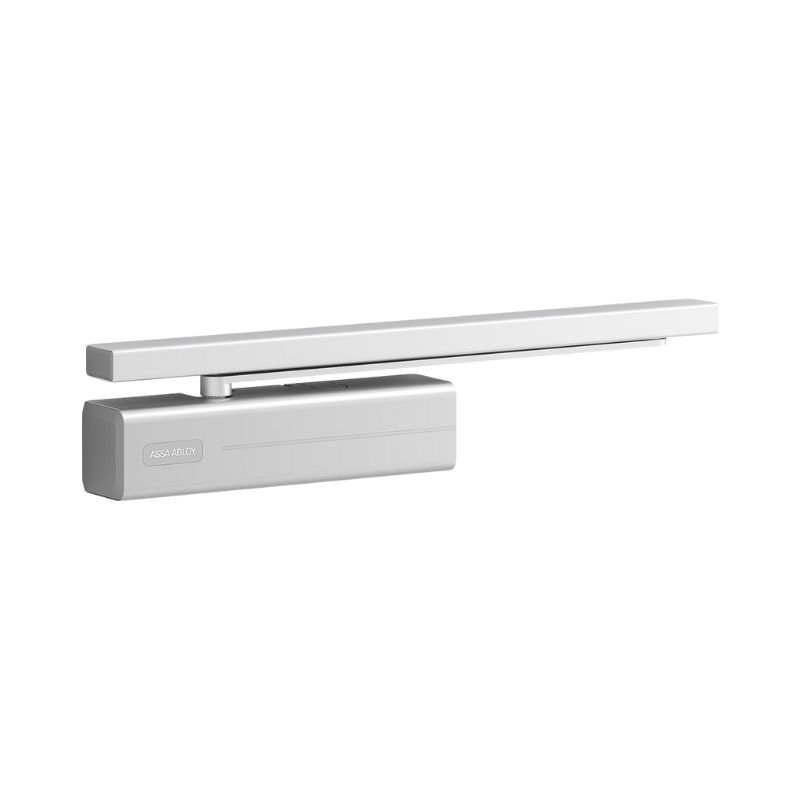
This includes intumescent strips, fire-rated hinges and latches that function correctly and have been tested with the door core.
- Close fully and securely
The door must automatically close fully into the frame with the use of a door closer, and should not have significant gaps that could permit fire and smoke to pass through.
- Show no visible damage
Inspect the door for any signs of wear, deterioration, or damage that could compromise its effectiveness.
Regular inspections and maintenance are crucial to ensure fire doors function effectively. The Responsible Person must document these checks, address any issues urgently and educate tenants on the importance of fire doors, encouraging them to report any defects immediately.
Download our free fire door inspection checklist to guide you through your checks. Additionally, Gap Gauges are available to help you accurately measure gaps around the door, ensuring they meet the required standards.
Looking for more information on fire doors? FireSealsDirect can help
We are a family-run business with 50 years of experience in fire safety, providing a comprehensive range of fire door and firestopping products to safeguard buildings across the UK.
Our expert customer care team is ready to assist with any queries you may have about our range of products. Feel free to reach out through our live chat feature or email us at [email protected].
You can also check out our Advice Centre, offering a host of guides and useful advice on fire safety, fire legislation and more.
Related Articles

How To Retrofit Fire Doors In Older Buildings
Learn about upgrading old doors to meet fire safety standards and get...
Read more
What Are The Fire Door Ironmongery Regulations?
Discover the importance of fire-rated ironmongery in fire door installations, the regulations...
Read more

How Does Smoke Spread In A Fire?
Find out how smoke spreads during a fire and how passive fire...
Read more