Fire integrity and fire insulation are two terms frequently used in the construction and fire safety industries when discussing the fire classification of buildings.
While they may sound similar, each plays a distinct and critical role in passive fire protection. Understanding the difference between fire insulation and fire integrity is essential for architects, contractors, facilities managers and anyone responsible for ensuring fire safety compliance in buildings.
In this guide, we explain the difference, how each is tested for performance, and why they are essential for protecting buildings and their occupants.
What is Fire Integrity (E)?
Fire integrity refers to the ability of a fire-rated barrier, such as a wall, floor or fire door, to maintain its structural stability to prevent the passage of flames and hot gases during a fire.
This is crucial for maintaining effective compartmentation, helping to contain the fire at its point of origin and protect key areas such as escape routes.
Integrity is represented by the letter ‘E’, followed by the number of minutes the barrier can maintain this level of protection. For example, ‘E120’ means that the element can prevent the passage of flames and hot gases for 120 minutes.
How is Fire Integrity tested?
Fire integrity is assessed under controlled laboratory conditions using a furnace, where one side of the test specimen is exposed to temperatures exceeding 1000°C, following a standardised heating curve such as that specified in BS EN 1363-1.
The test continues until one or more of the following failure criteria are observed:
- The formation of openings or cracks beyond specified limits
- Ignition of a cotton pad placed on the unexposed side
- Sustained flaming on the unexposed surface
It’s important to note that while fire integrity prevents flame and gas penetration, it does not stop heat transfer. For this reason, fire insulation is often required alongside integrity to provide a comprehensive level of protection.
What is Fire Insulation (I)?
Fire insulation is the ability of a fire-rated barrier to limit heat transmission through the element, ensuring that the unexposed side does not reach temperatures high enough to ignite nearby materials.
While integrity focuses on blocking a fire, insulation ensures that heat does not build up on the protected side to the point where it causes secondary ignition of nearby combustible materials which could endanger occupants.
Systems that combine integrity and insulation help slow the spread of fire and heat, giving occupants more time to evacuate and emergency responders more time to act.
How is Fire Insulation tested?
Insulation performance is evaluated according to BS EN 1363-1, using thermocouples placed at multiple points across the unexposed surface to monitor temperature rise.
Failure occurs when:
- A single thermocouple records a temperature increase of 180°C above ambient, or
- The average of all thermocouples exceeds 140°C above ambient.
This typically occurs around the same time as the loss of integrity. The number of minutes the barrier can prevent these temperature thresholds from being exceeded determines its insulation rating, represented by the letter ‘I’ followed by the duration in minutes (e.g. I60, I90, I120).
Why are both Fire Integrity and Fire Insulation important?
In the event of a fire, maintaining effective compartmentation is essential to:
- Contain the blaze within its point of origin
- Protect critical escape routes
- Limit structural and property damage
- Allow firefighters to respond safely and effectively
Inadequate integrity or insulation in a firestopping system can lead to serious and potentially life-threatening consequences.
Together (EI), they form a comprehensive barrier against fire and heat, ensuring a higher level of fire protection and may be required to comply with fire safety legislation.
When specifying passive fire protection products, make sure you fully understand their ratings and choose solutions that offer the right combination of fire integrity and insulation performance in line with your building's requirements.
How we can help
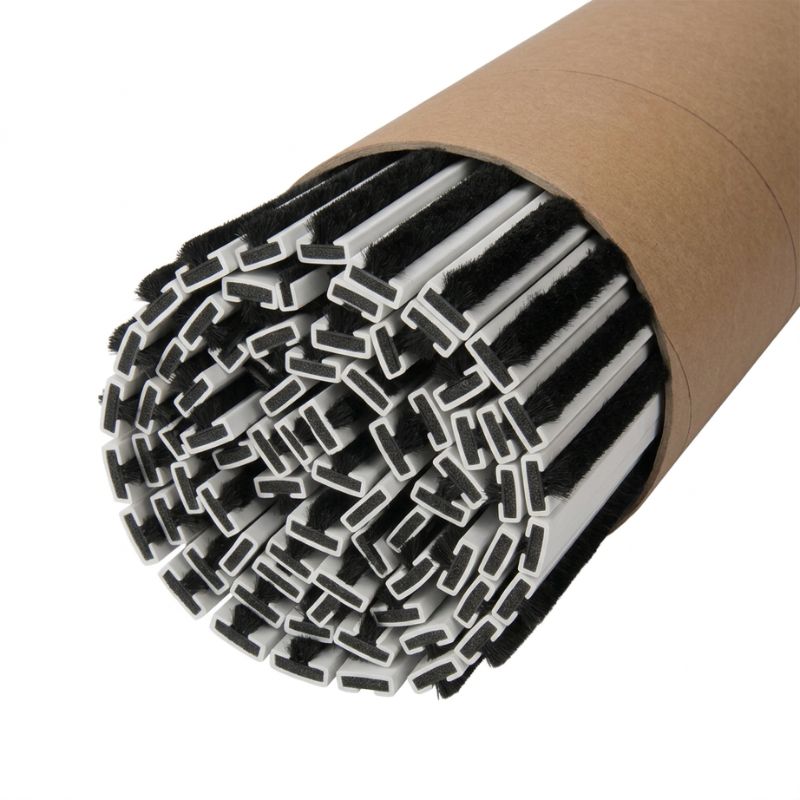
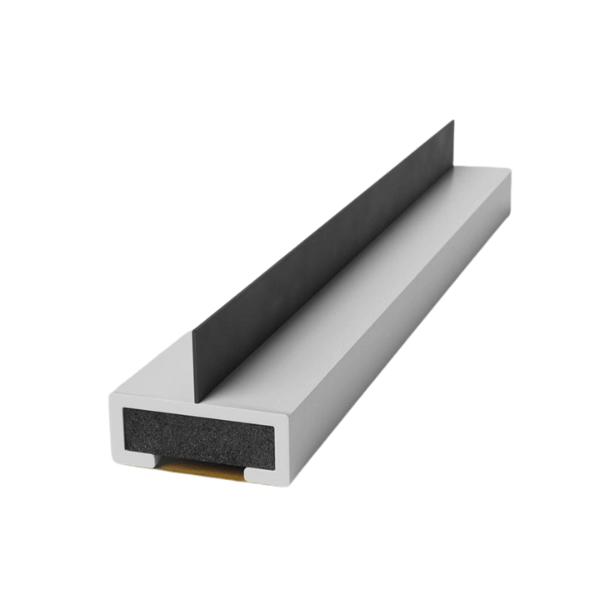
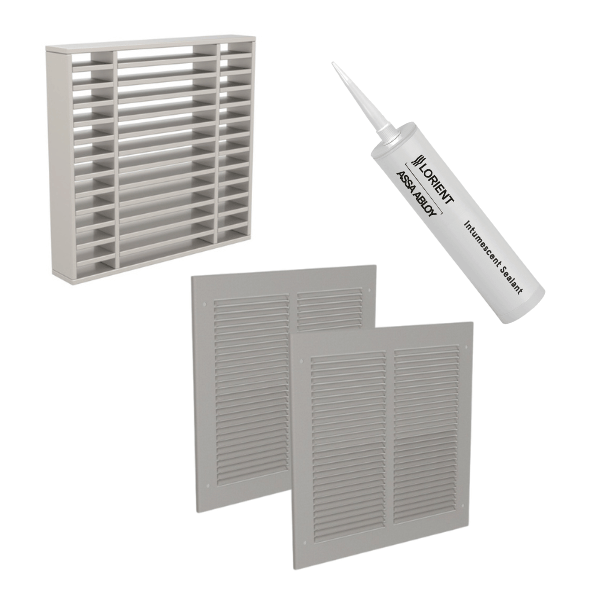
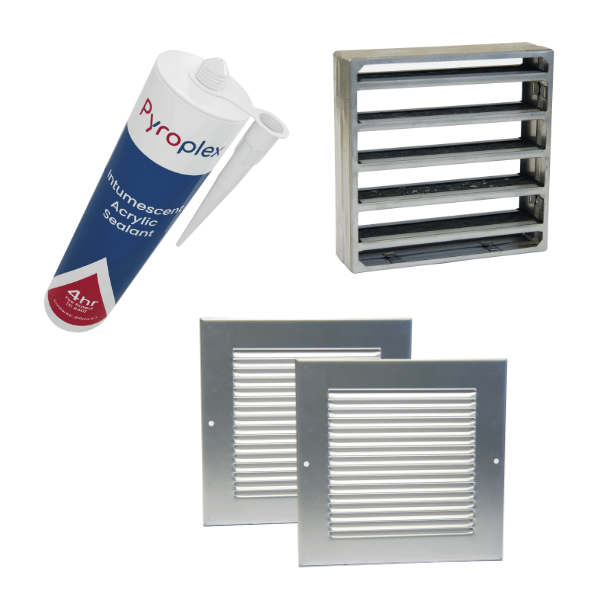
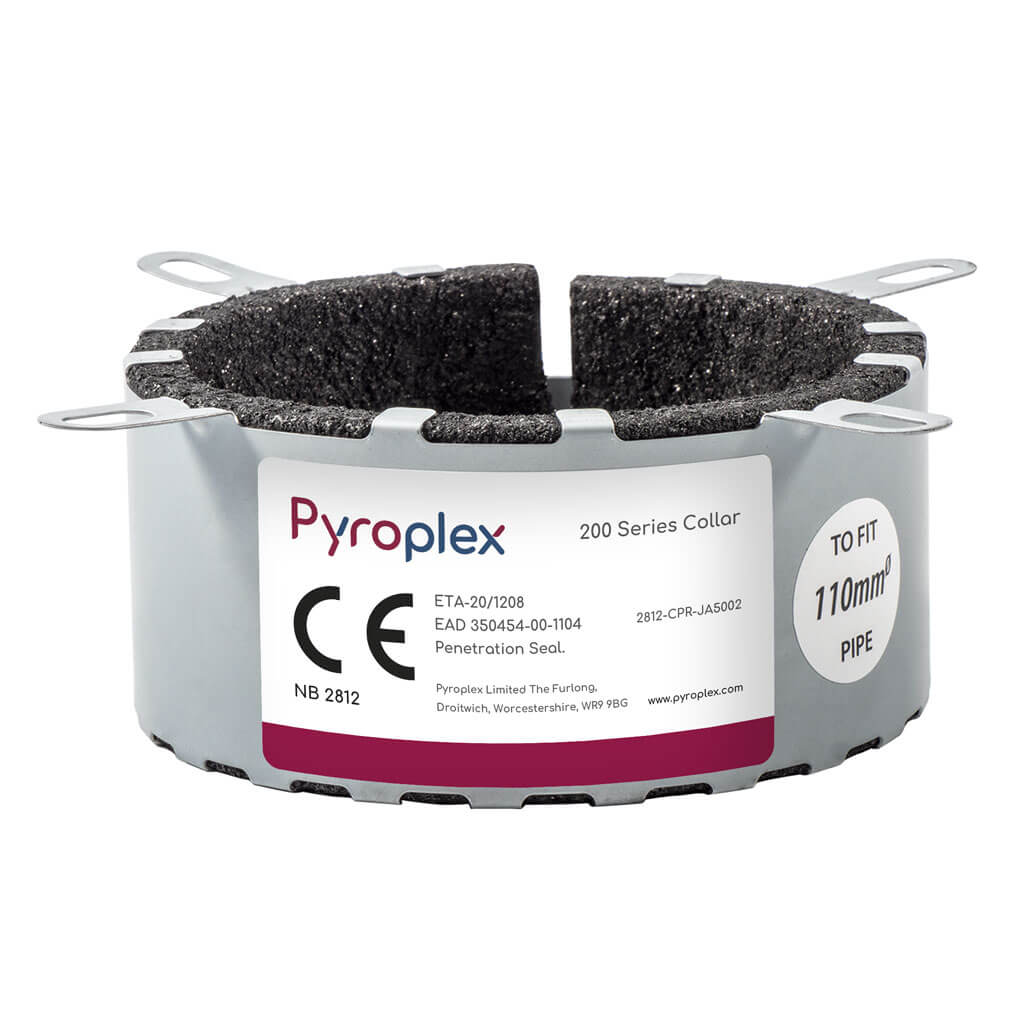
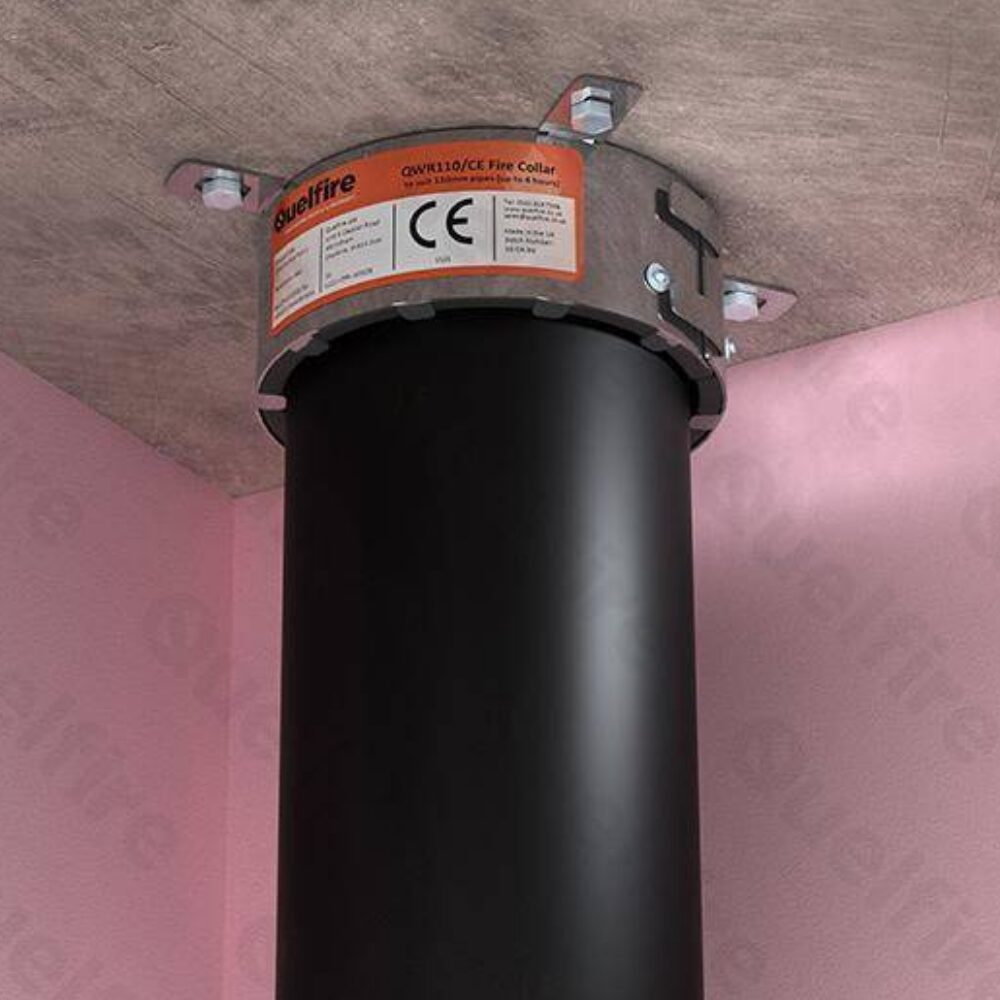
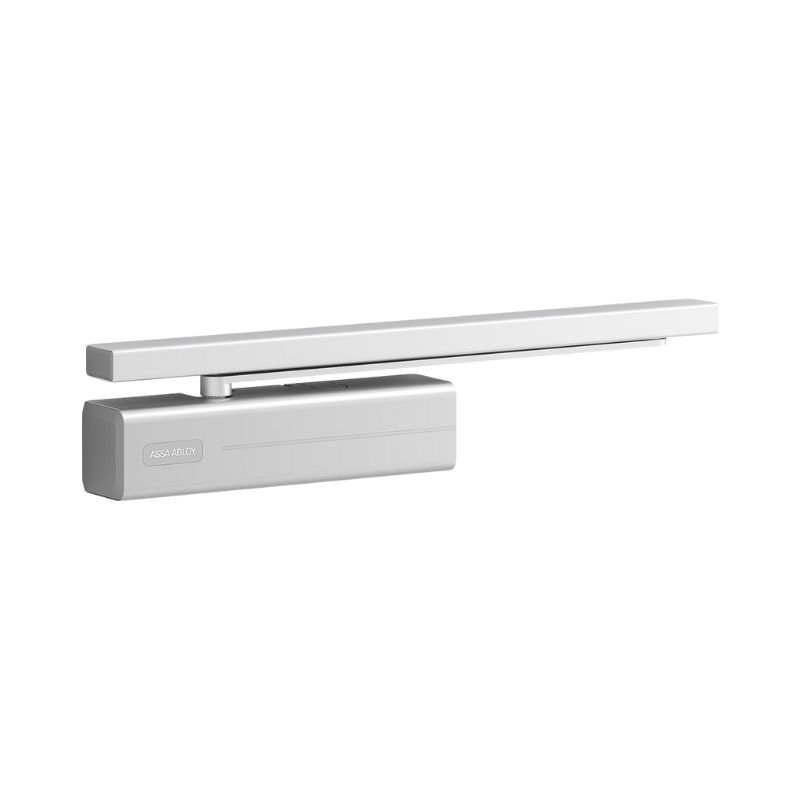
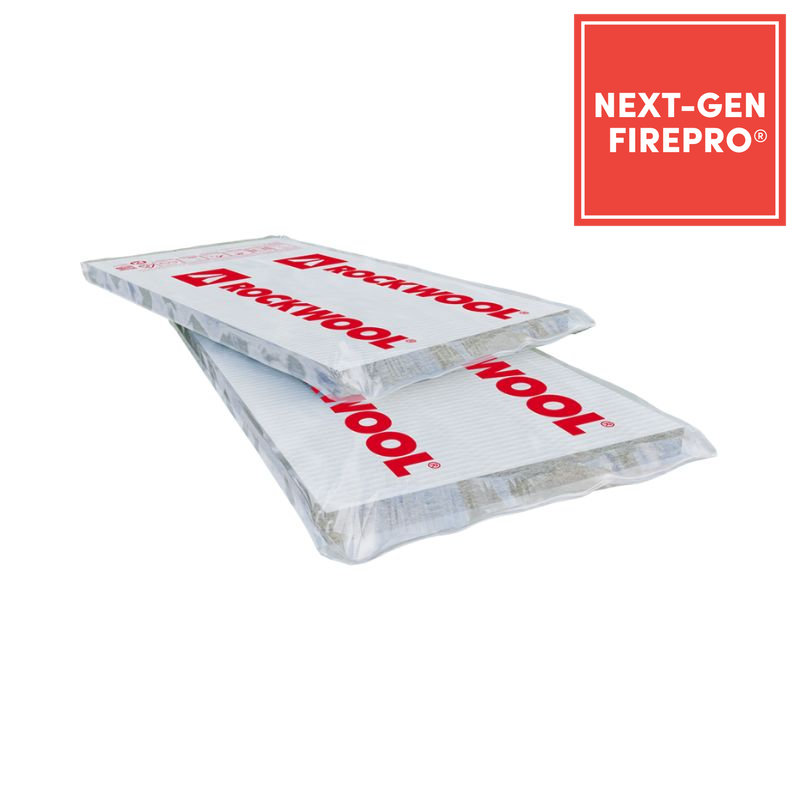
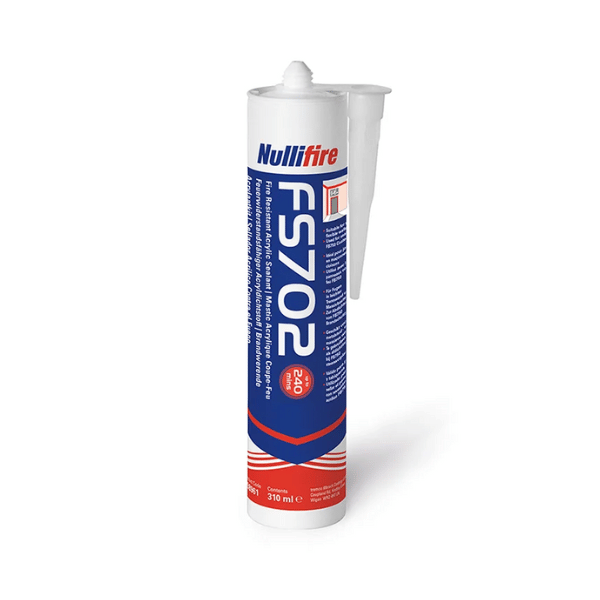
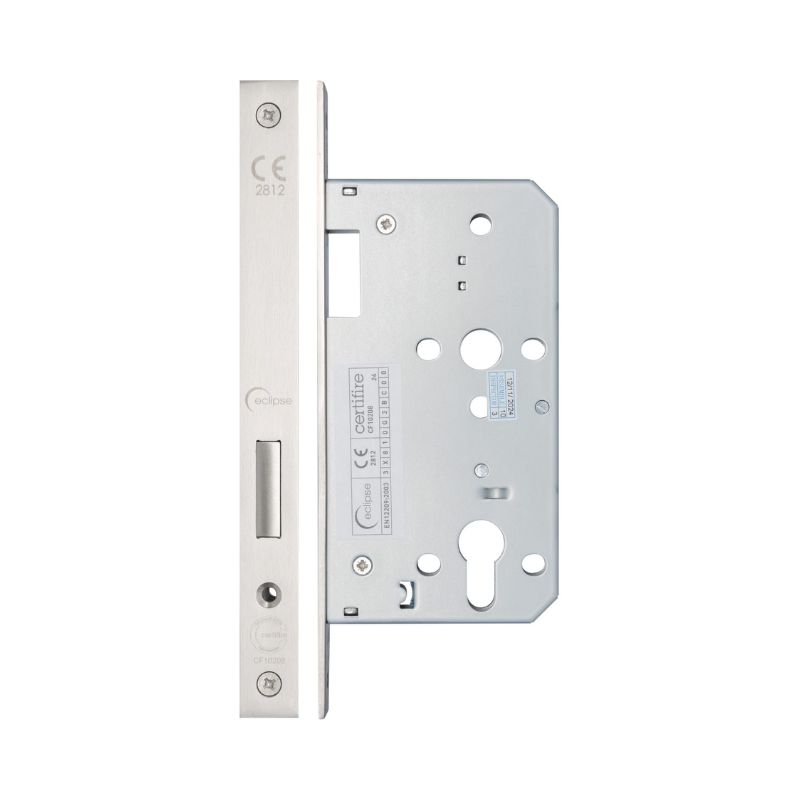
We offer a wide range of high-performance fire protection solutions, including intumescent strips, sealants and fire door ironmongery.
Need help choosing the right solution? Our expert customer care team are here to assist you with any queries about fire-rated products or fire safety requirements.
Get in touch using our live chat feature, call us on 02920 857 959, or email us at [email protected].
Alternatively you can visit our Advice Centre which contains helpful guides and information.