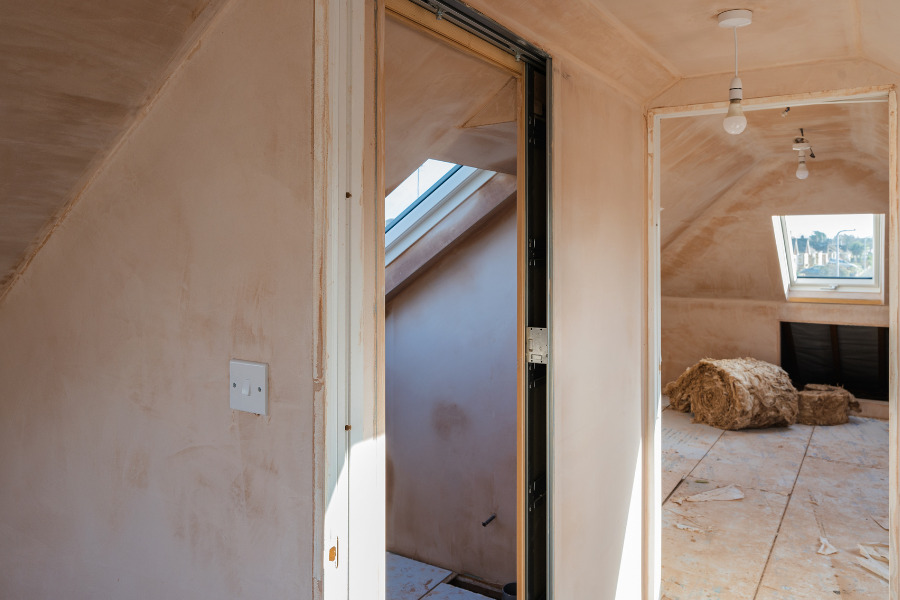
Derived from natural, sustainable materials, ROCKWOOL® insulation, or stone wool, has gained prominence as a versatile and effective insulation material, used globally in residential and commercial properties.
ROCKWOOL insulation is widely recognised for its effective heat retention and air-trapping capabilities, contributing to energy efficiency in buildings. It is non-combustible and fire-resistant, enduring temperatures beyond 1000°C. Additionally, its water-repellent nature and sound-absorbing properties contribute to its popularity.
In this blog, we explore the manufacturing process of stone wool, examine its sustainability, and discuss how it is used in the fire stopping industry.
How is Rockwool made?
ROCKWOOL insulation is a versatile insulation material produced through a fascinating manufacturing process. Its primary raw materials are volcanic rock, typically basalt, and recycled steel slag. These materials undergo a meticulous transformation in a high-temperature furnace.
The intense heat melts the raw materials, and the molten mixture is then spun into fibres. These fine fibres are subsequently bound together, compressed, cooled, and cut to size to create the final product. The result is a durable and highly effective insulation material with excellent fire-resistant, thermal and acoustic properties.
Is Rockwool sustainable?
ROCKWOOL insulation is considered sustainable in many ways, here's how:
Raw material
Basalt is a natural resource from volcanic rock that is widely available, and steel slag is a by-product of the steel manufacturing process.
Energy efficiency
The manufacturing process minimises environmental impact by repurposing waste, and does not produce any harmful emissions.
The insulation's energy-efficient properties contribute to sustainability in construction.
Long lifespan and durability
Once installed, it has a long lifespan, reducing the need for frequent replacements. This durability contributes to a more sustainable building infrastructure by minimising material waste over time.
Recyclability
It is recyclable at the end of its life cycle, and in some cases, waste or old stone wool insulation can be recycled and used in the manufacturing of new products if it is free from contamination. This closed-loop recycling process reduces the amount of material sent to landfills.
Fire Resistance
Its fire-resistant properties contribute to the safety and longevity of buildings. Buildings with effective fire protection measures have a lower risk of complete destruction, reducing the need for extensive reconstruction and associated resource consumption.
How is Rockwool used for fire protection?
ROCKWOOL insulation is a popular material for fireproofing due to its excellent fire-resistant properties as its fibres are non-combustible and can resist temperatures above 1,000°C.
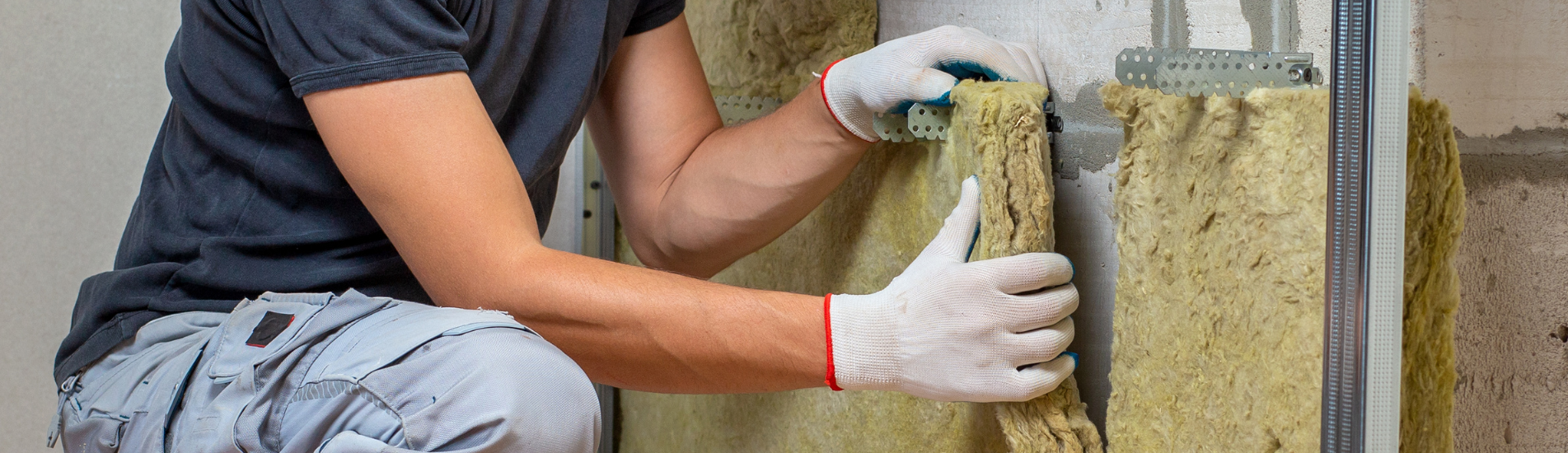
The process of using stone wool for fireproofing involves installing it as a barrier or insulation material in walls, ceilings, and other structural elements of a building.
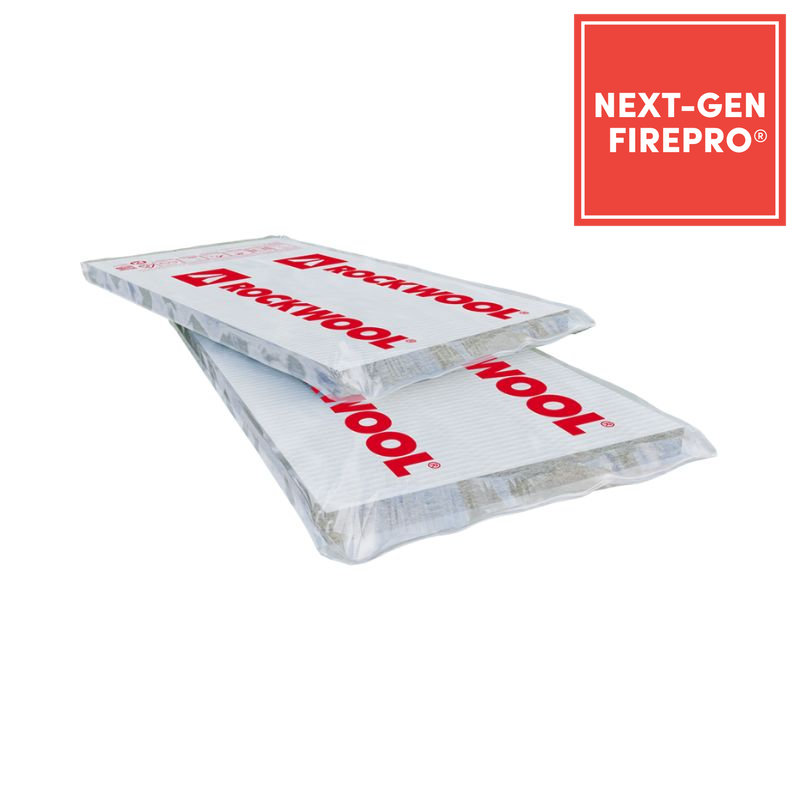
A common fire stopping product containing ROCKWOOL insulation is fire batts. These are slabs of dense stone wool finished with an ablative coating that inhibits smoke and fire passage for a set period of time.
ROCKWOOL fire batts are a great solution to maintain the fire rating of a wall or floor where services are passing through as they can be cut down to fit the required space or cut to allow pipes and cables to pass through.
The fire-resistant nature of stone wool can contribute to compliance with safety standards and help protect structures and occupants in the event of a fire. It is essential to follow the guidelines and regulations outlined in the Fire Safety Order to ensure the proper implementation of fireproofing measures.
In addition to their stone wool products, ROCKWOOL offer a passive fire protection range, branded as Firepro®. These products are designed and developed to provide effective fire stopping solutions in order to protect lives and reduce the impact of fire within a building.
How we can help
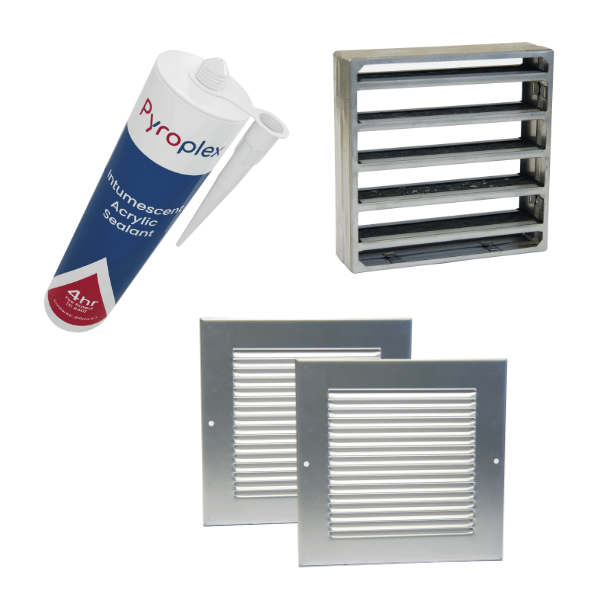
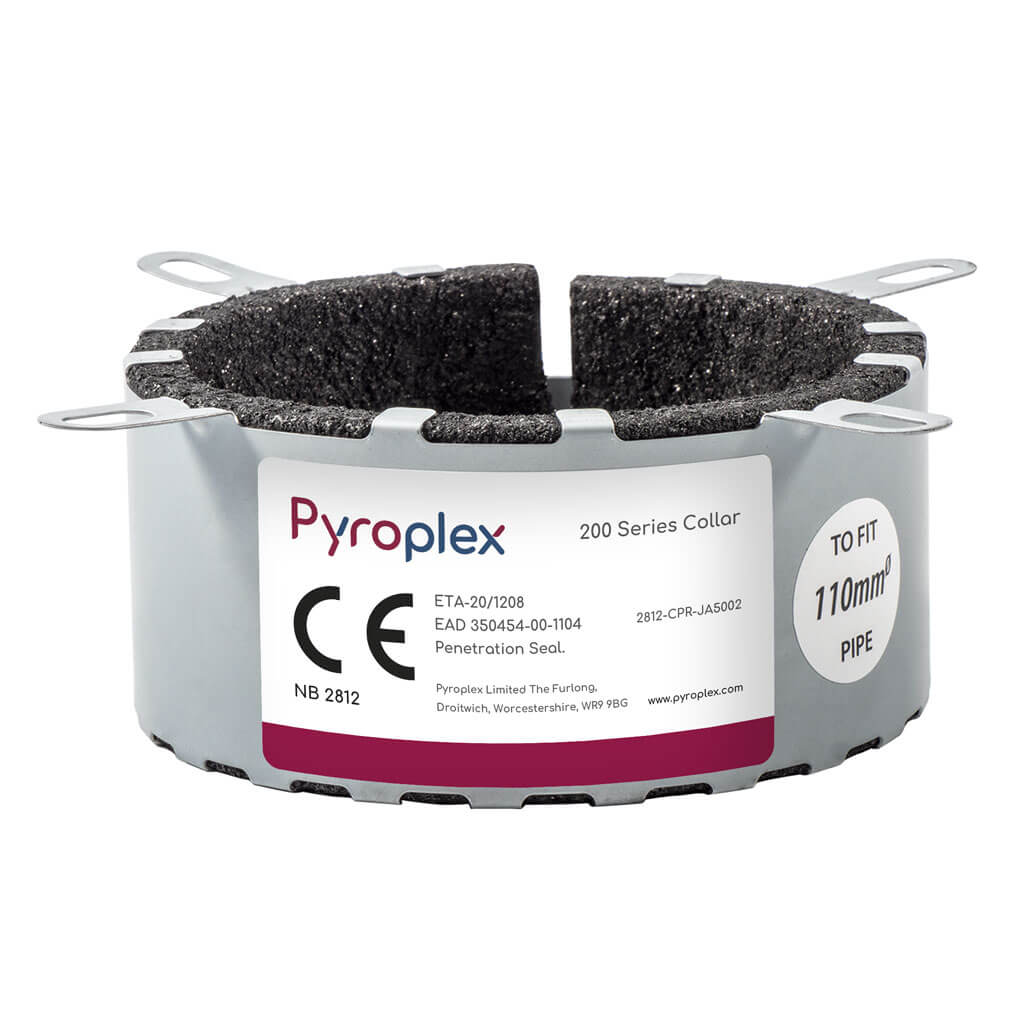
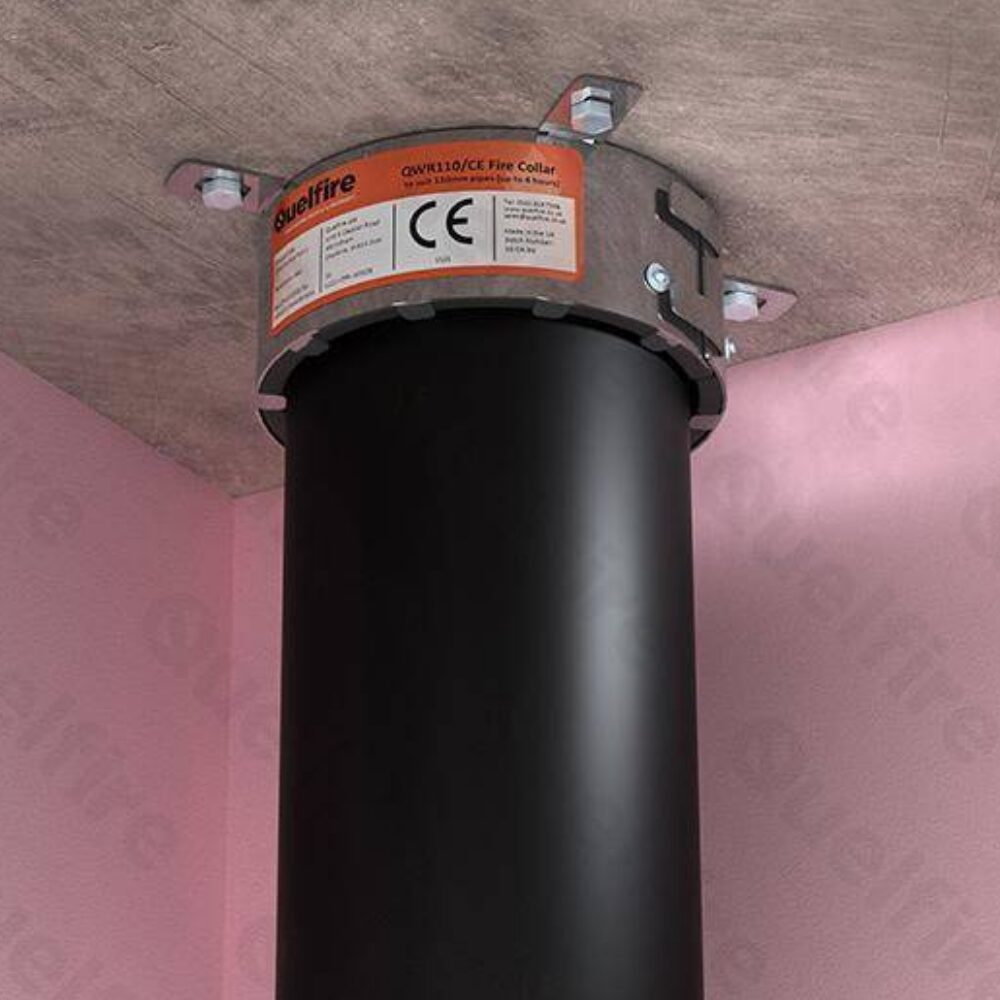
At FireSealsDirect we stock a wide range of ROCKWOOL fire stopping products including fire batts, intumescent pipe collars, acoustic and high expansion sealants, and more.
If you have any questions about our products, please get in touch with us at [email protected] or call us on 02920 857 959.