




What is Passive Fire Protection?
Passive fire protection (PFP) helps to slow and contain the spread of fire and smoke through a building. Learn more about the materials used in PFP.

Written by Esme
19th January 2022

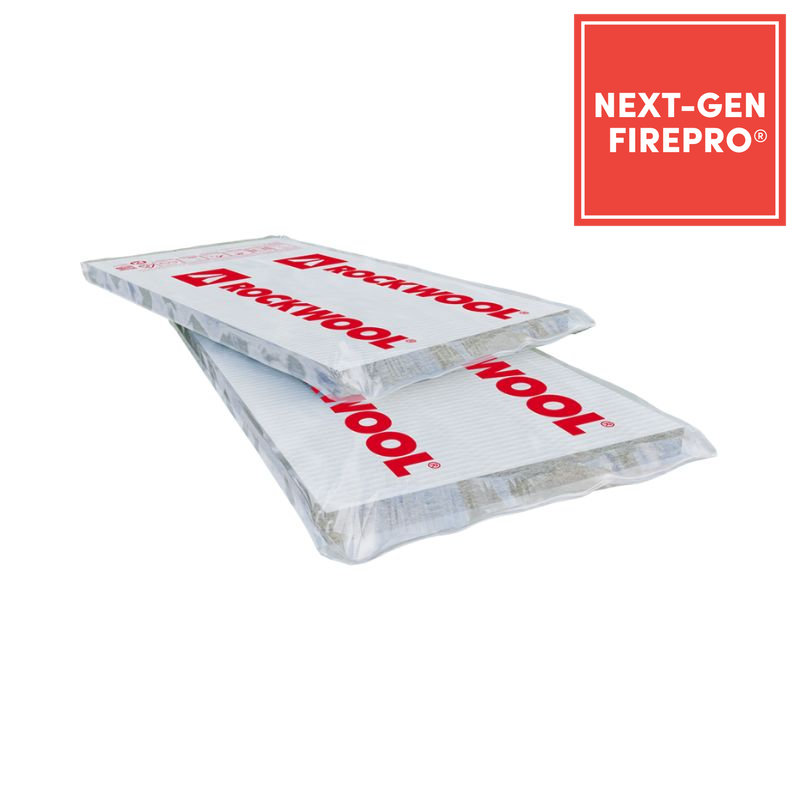
Passive fire protection is the practice of limiting the spread of fire through a building. This is achieved either through the materials used during construction or it can be added to a building.
Passive fire protection strategies split buildings into fire resistant zones or compartments, where the fire is contained for a certain amount of time.
What are the goals of passive fire protection?
The goal of passive fire protection is to reduce the spread of fire through a building. In doing so, escape routes are also protected, allowing individuals to evacuate in the event of a fire and the building structure itself is maintained as much as possible.
What legislation is there for passive fire protection?
The UK passive fire protection regulations require all installation products to comply with fire resistance ratings in accordance with British standards.
The Building Regulations 2019, Fire Safety, Approved Document B - Requirement B3 Internal Fire Spread state ‘The building shall be designed and constructed so that, in the event of a fire, its stability will be maintained for a reasonable period.’
‘The building shall be designed and constructed so that unseen fire and smoke within concealed spaces in its structure and fabric is inhibited.’
Approved Document B 2019 Volume 1 ‘Dwellings’, Section 9 also states that openings through a fire-resisting element for pipes, ducts, conduits or cable should be as few and small as possible and must be fire stopped.
Similarly, BS 7671:2018 Regulation 527.2 states that ‘where a wiring system passes through elements of a building construction such as floors, walls, roofs, ceilings, partitions or cavity barriers, the openings remaining after passage of the wiring system shall be sealed according to the degree of fire-resistance (if any) prescribed for the respective element of building construction before penetration.’
Who is responsible for ensuring passive fire protection?
The Regulatory Reform (Fire Safety) Order 2005 states that the employer, landlord, owner, occupier or anyone else in control of the premises such as a Facilities Manager is responsible for the fire safety of the building, including its passive fire protection.
If a contractor or installer is called in to carry out works, it is important to establish at the outset who is responsible for fire stopping.
What if my building is not appropriately protected?
If your building is not up to specification for fire safety, this needs to be rectified urgently. Having a fire risk assessment and a fire door inspection will help identify the areas to address. Resolving all the issues is important to ensure your building is compliant and the fire compartments are maintained. Any corrective action to the building must be undertaken by a competent person and we would recommend using a third party accredited contractor.
Once the work has been completed, regular checks/risk assessments on the building will ensure the fire safety of the building is maintained.
Passive fire protection products
Intumescent paint provides fire protection to the structural frame of a building by expanding under extreme heat and creating a layer of char which protects the structure for 30-120 minutes.
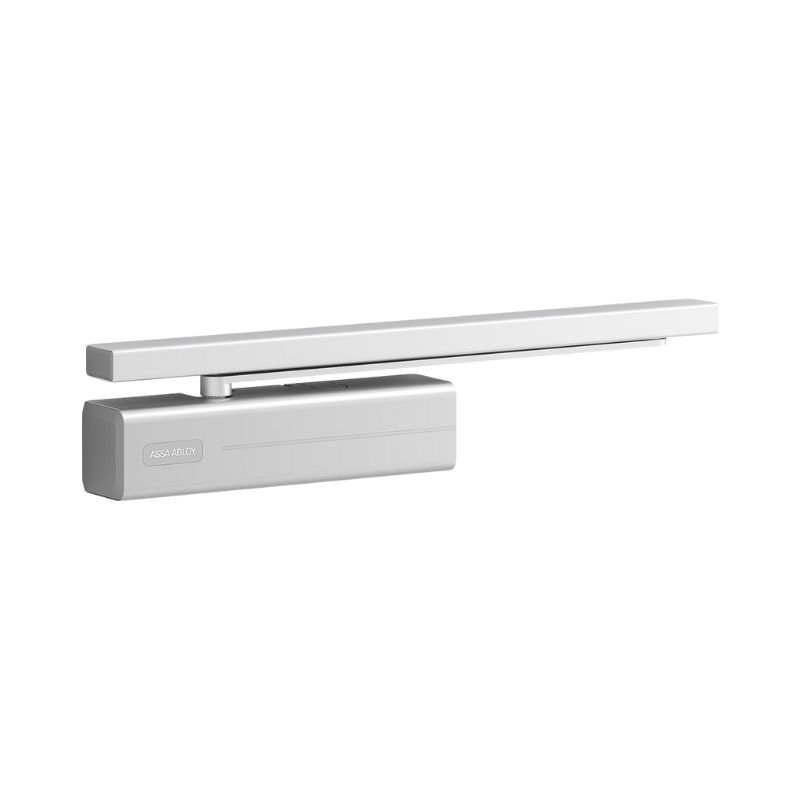
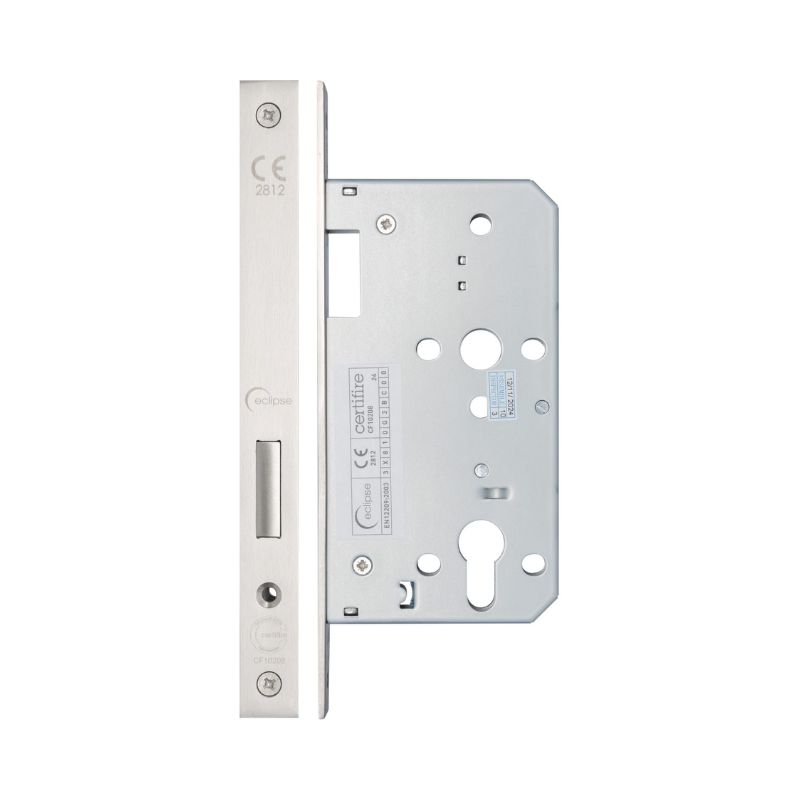
In order to ensure a compartment is resistant to fire for the required amount of time, a fire door must be installed and must be installed with the relevant fire-rated hardware in order for it to perform effectively. In so doing, the door will be able to withstand fire for a given amount of time.
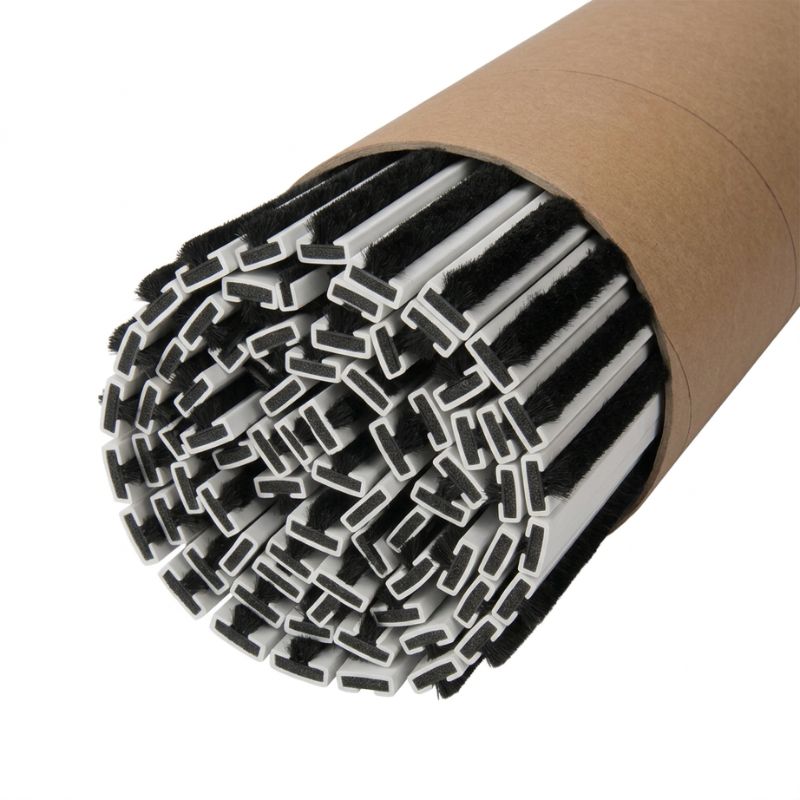
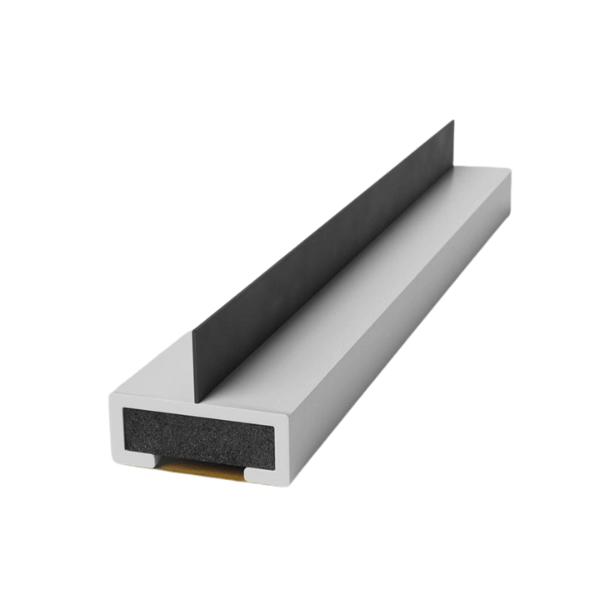
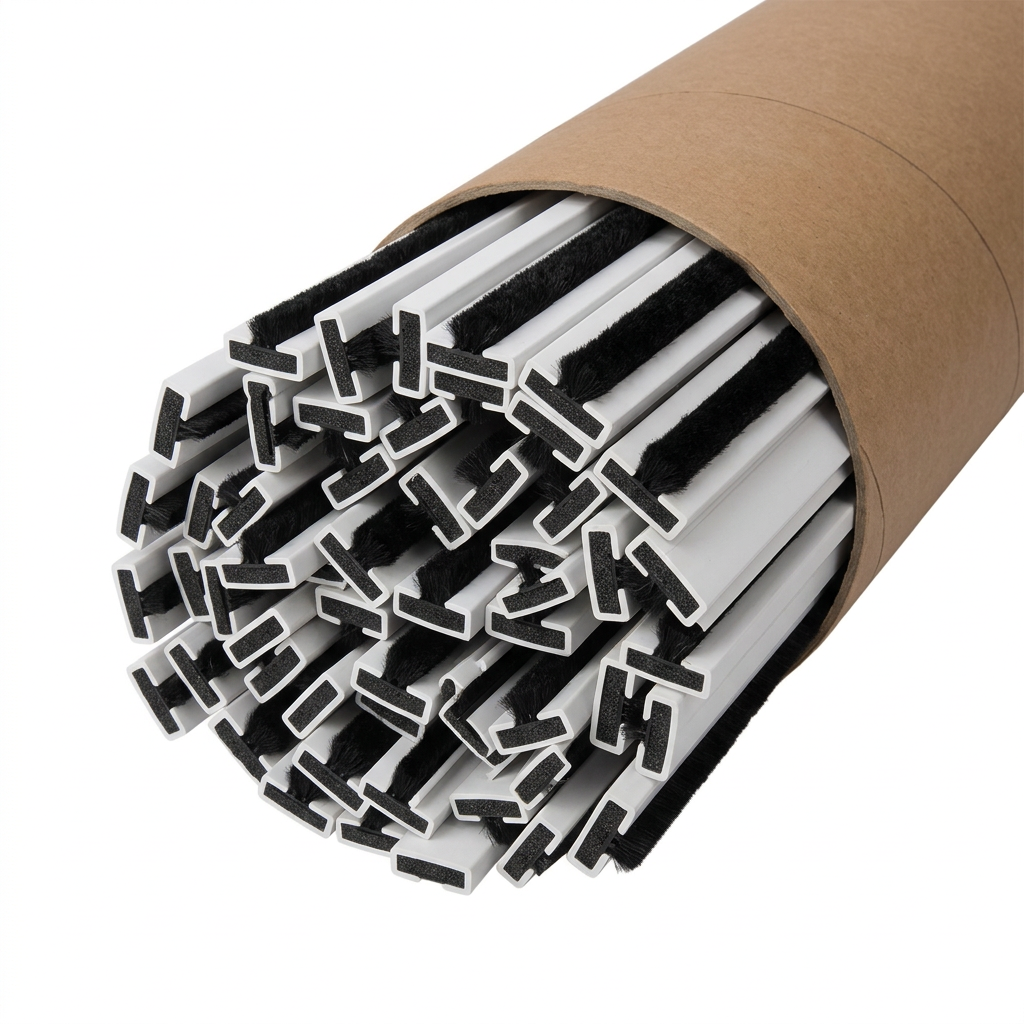
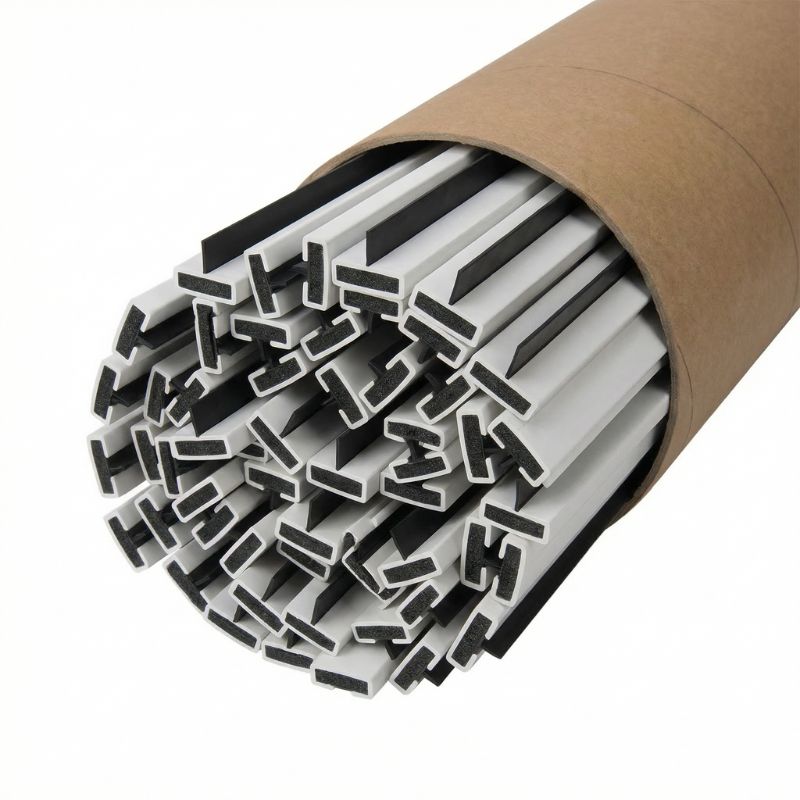
Intumescent seals are to be used around the two sides and top of a fire door and they serve to expand and seal the linear gaps between the door and its frame in the event of a fire.
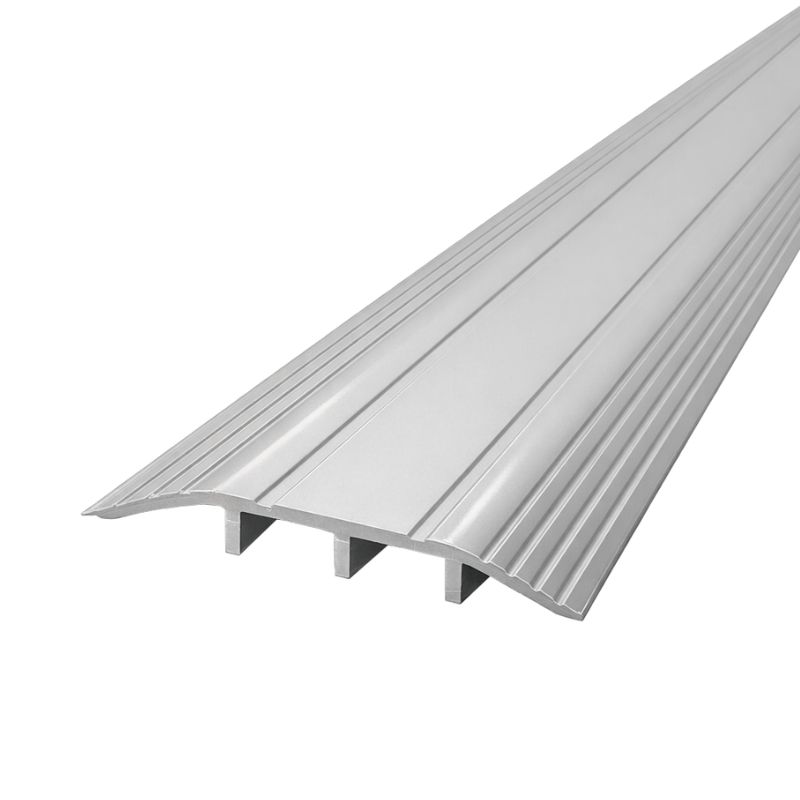
Drop down door seals can also be used along the bottom of a fire door. These seals drop down automatically when the door is closed, forming a seal.
When installing glazing in a fire compartment, fire resistant glazing is used around the glass so as not to affect the fire integrity of the wall or door of which the window is a part.
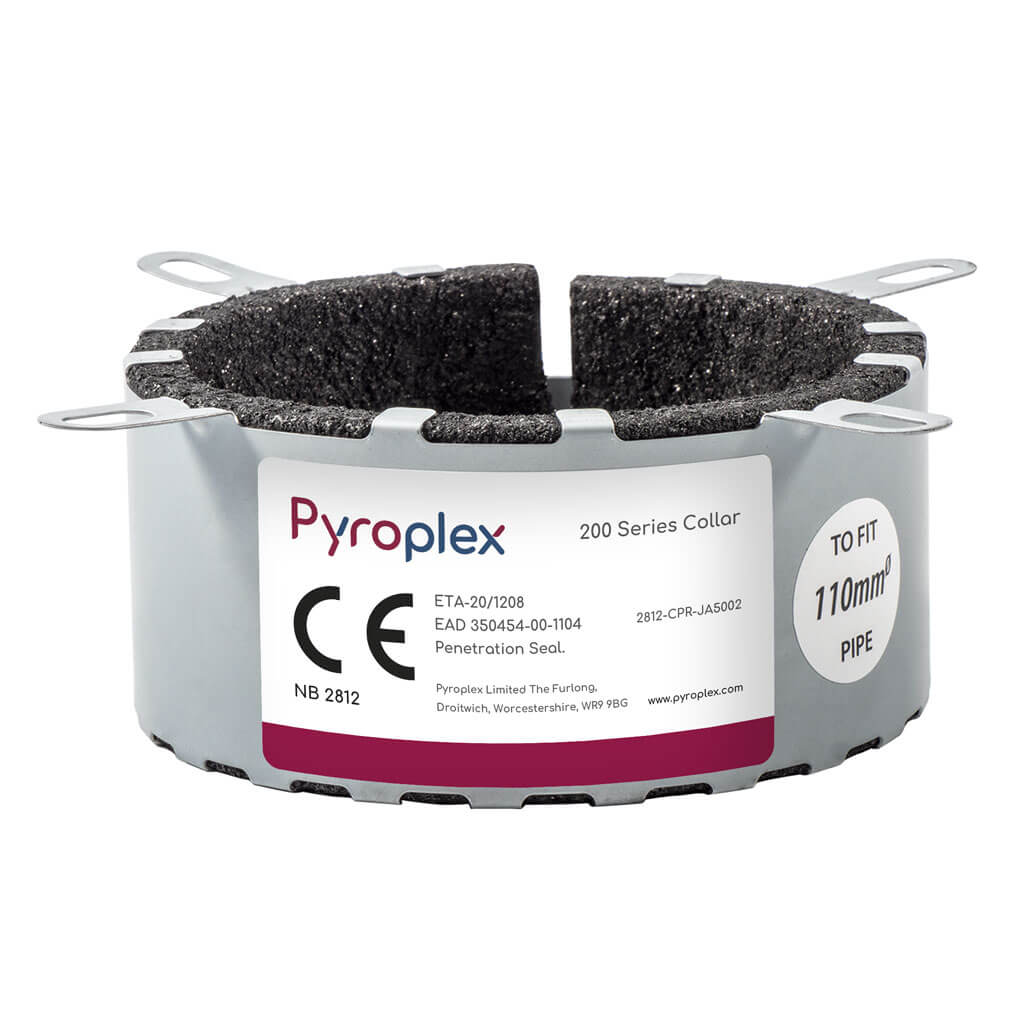
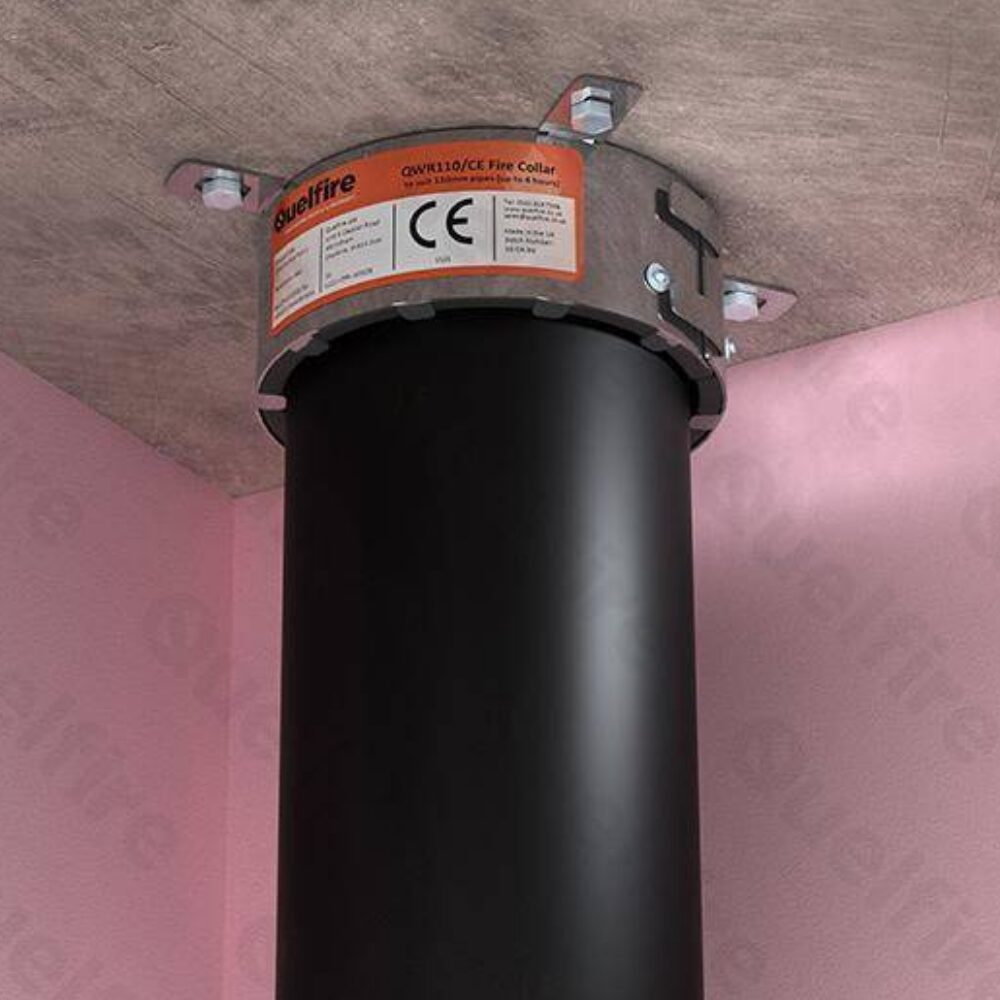
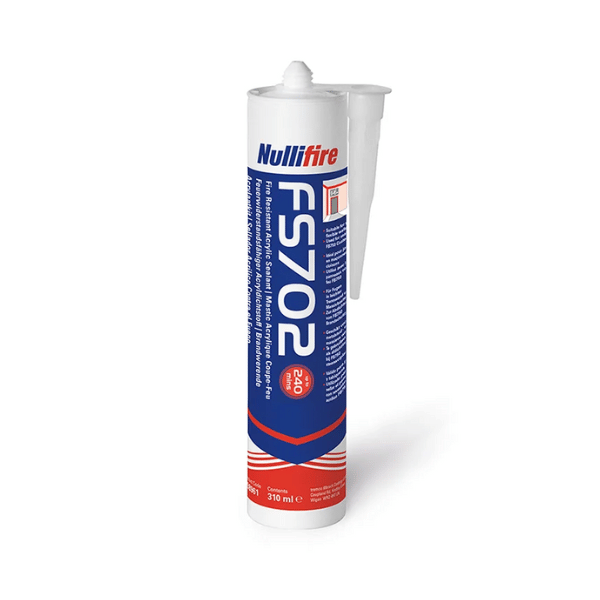
A fire collar or wrap are penetration seals which serve to seal up the gap or cavity made by the installation of services through a fire wall, floor or ceiling.
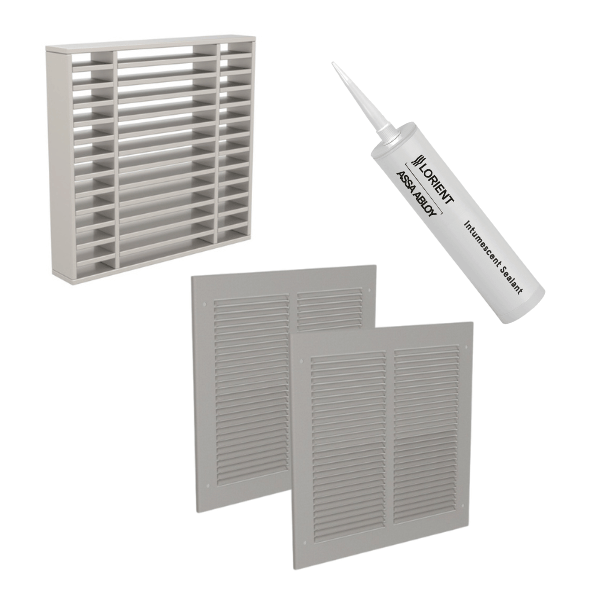
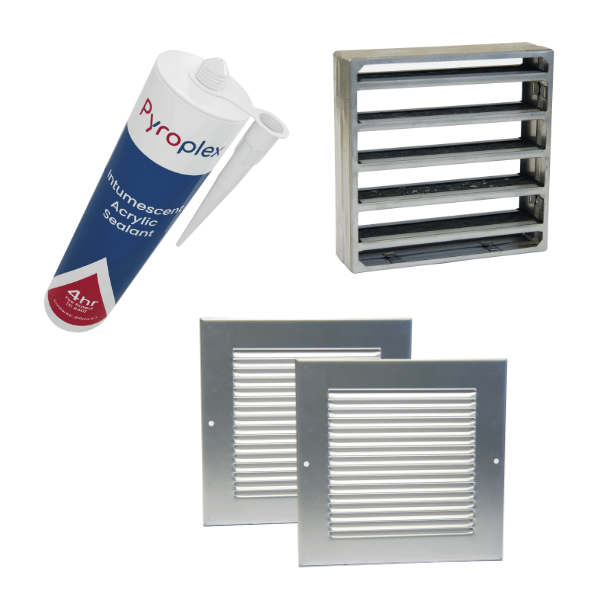
Air transfer grilles are installed into vents and allow the free movement of air through a building but when exposed to extreme heat they close thus inhibiting the spread of fire for a given amount of time.
Other examples of passive fire protection products include:
- Cavity barriers
- Compartment walls and floors
- Fire shutters
- Fire-resisting dampers
- Suspended ceilings
- Compartment walls and floors
- Fire curtains
How We Can Help
Passive fire protection is integral to the fire safety of buildings and can save lives. Not only should it be considered during the construction of new buildings but also during maintenance and renovation work.
If you need any advice on passive fire protection for your buildings or need further information on any of our passive fire protection products, contact our Customer Service team on 02920857959 or [email protected].
Related Articles

The main causes of fire in the hospitality industry
Learn about the most common causes of fire in the hospitality industry...
Read more
How Do Fires Spread?
The most effective way to prevent a fire is to understand how...
Read more

What Is Fire Compartmentation?
Fire compartmentation involves dividing a building into sections to better withstand the...
Read more