Intumescent paint is commonly used to protect load-bearing elements of buildings from the spread of and damage from fire. This blog goes into exactly what intumescent paint is, how it works and what it can be used for.
Intumescent paint definition
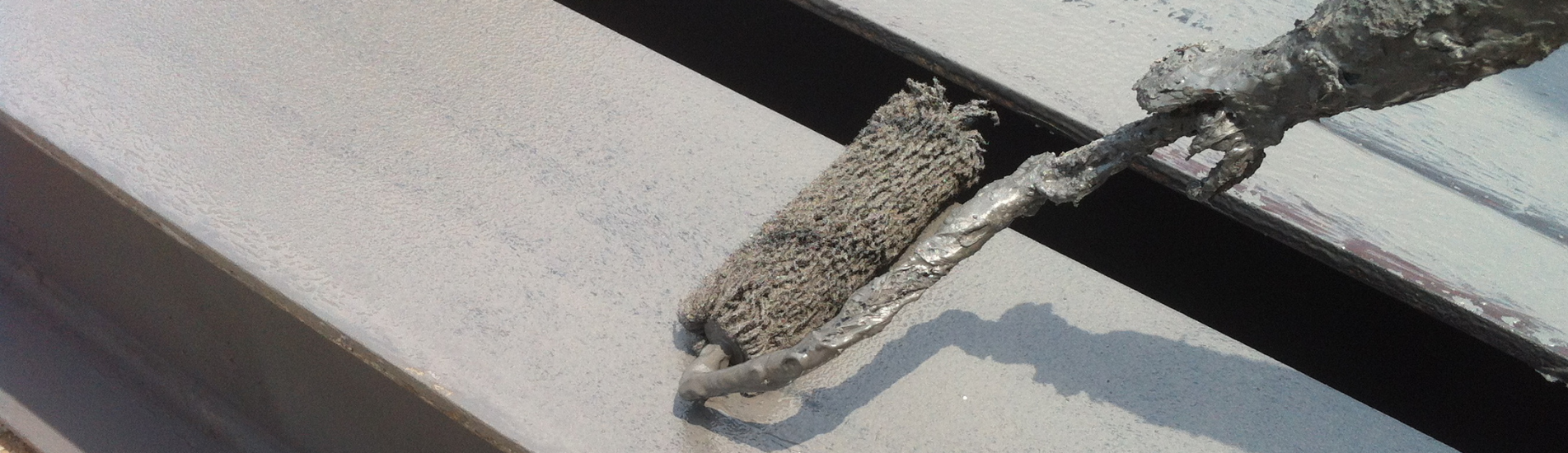
Intumescent paint is a type of reactive paint which swells up or ‘intumesces’ to many times its original thickness when exposed to high temperatures, like in the event of a fire.
How does it work?
Intumescent paint contains chemicals which, when used together and exposed to temperatures of over 120 degrees Celsius, swell up through the creation of lots of small bubbles. This forms a carbon layer or char over the structure beneath which acts as a thermally insulating layer.
Why is it needed?
The structures of buildings need to be protected appropriately against the risk of fire as, if they reach high temperatures, the whole structure is at risk of collapse.
Using intumescent paint in such scenarios helps protect the structure underneath and also reduces the speed at which the fire spreads throughout the building which means there is more time for inhabitants to evacuate safely therefore saving lives.
What can you use intumescent paint on?
Intumescent paint is available for use on steel, wood and plaster:
Steel
Unprotected steelwork can reach temperatures of up to 550 degrees celsius in a matter of minutes due to it being such a good conductor of heat. If it reaches these high temperatures, it loses its structural load bearing capacity which can cause it to buckle and collapse.
Wood
Intumescent paint for wood decreases the spread of surface flames on timber and can even increase the fire rating performance of timber to 30 or 60 minutes depending on thickness of wood and the paint applied.
Plaster
Intumescent paint for plaster is also available and can increase the fire rating performance for up to 60 minutes.
How much does intumescent paint expand?
Intumescent paint expands up to 50 times the thickness of the paint.
How much does intumescent paint cost?
Intumescent paint varies in price depending on the brand and the amount needed, however it is naturally more costly than standard paint due to its specialist nature.
Conclusion
Intumescent paint is an extremely useful tool when it comes to passive fire protection in buildings. It’s available for a range of applications from steel and timber to plaster and can also be sourced in different colours to suit requirements.
*Please note, we no longer stock intumescent paint. However, you can explore our website for a wide range of other fire stopping and fire door products.