



What is Intumescent Material?
Intumescent refers to a type of material that has a unique property of expanding when exposed to high temperatures, such as those generated during a fire.

Written by Rebecca
29th September 2023

Intumescent refers to a type of material that has a unique property of expanding when exposed to high temperatures, such as those generated during a fire.
Intumescent materials are commonly used in various fire safety applications to enhance the fire-resistance of structures and properties. They play a critical role in passive fire protection by slowing down the spread of fire and providing valuable time for evacuation and firefighting efforts.
In this article, we’ll take a closer look into the unique characteristics of intumescent material, how it acts as a shield against flames, and products that contain intumescent properties for fire safety purposes.
What does intumescent mean?
The term ‘intumescent’ refers to the property of a material or substance to expand significantly when exposed to heat or flames.
When intumescent materials are subjected to high temperatures, they undergo a chemical reaction that causes them to swell or expand rapidly. This expansion results in the formation of a protective, insulating layer that acts as a barrier against fire and heat, often referred to as a ‘char’.
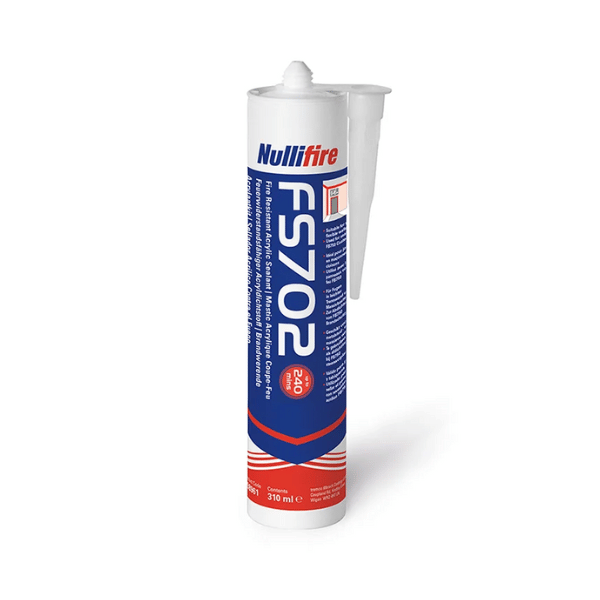
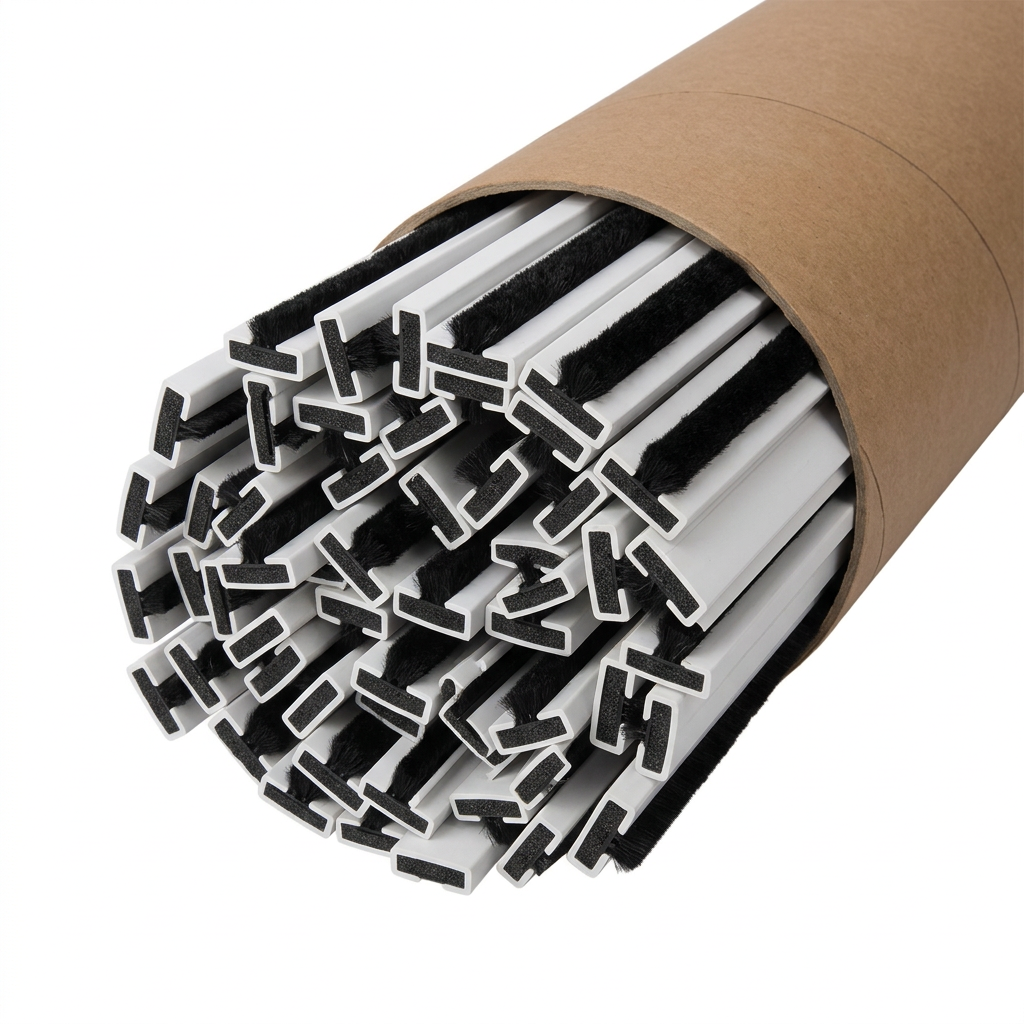
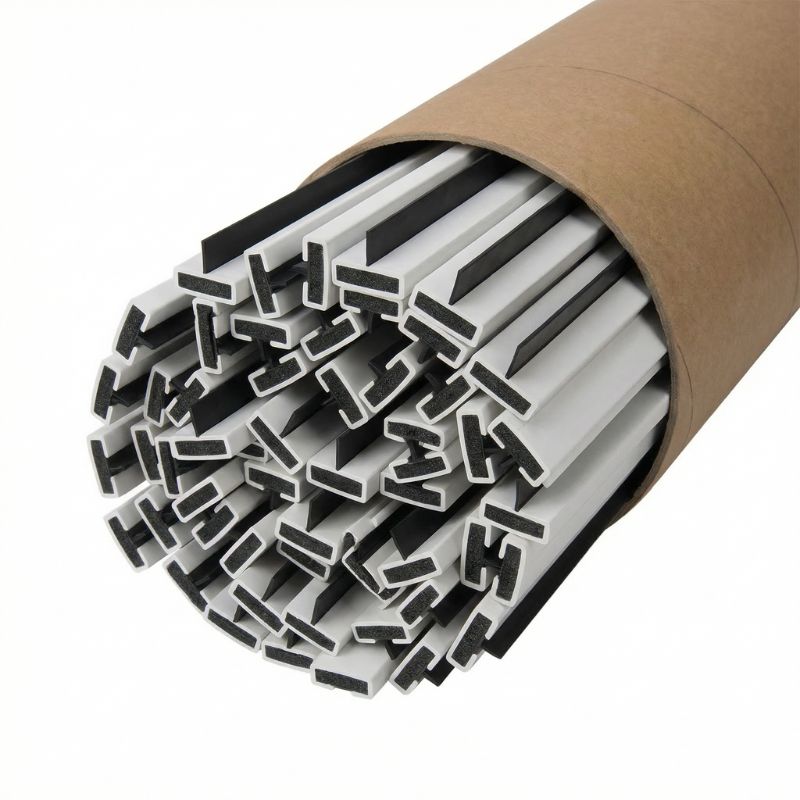
Intumescent materials can be found in a range of fire rated products including sealants, pipe collars, and intumescent strips for fire doors. Intumescent products must be tested to prove their performance in line with fire safety regulations.
There are a number of different materials with intumescent behaviours, however, they can vary slightly in terms of expansion temperature and size of the char. The type of intumescent may differ from product to product.
Graphite
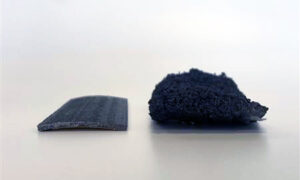
Mono ammonium phosphate (MAP)
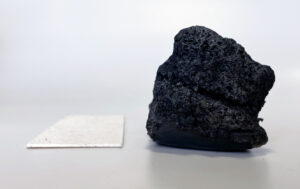
Sodium Silicate
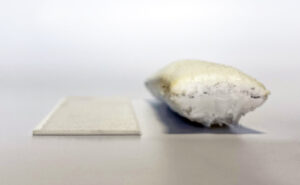
*Images kindly supplied by Lorient
How does intumescent material work?
Intumescent materials work through a combination of chemical and physical processes to provide fire protection.
- Activation by Heat
Intumescent materials are designed to activate when they reach a certain temperature threshold, however, this depends on the type of intumescent but is usually around 100 - 180°C. This activation is triggered by the heat generated by a fire, and a chemical reaction occurs.
- Expansion
As the gases within the material generate, they create a significant increase in pressure within the material. This pressure build-up causes the intumescent material to expand rapidly to many times its original thickness or volume, although, this will depend on the intumescent material within the product and the temperature and temperature increase rate.
- Formation of Insulating Layer
The expansion results in the formation of a thick, foam-like, insulating layer on the surface of the material. This layer fills gaps that fire could penetrate through, and insulates the underlying structure from the intense heat of the fire.
- Heat Absorption
The expanded intumescent layer absorbs a significant amount of heat energy from the fire. This absorption of heat helps to keep the temperature of the protected surface below its critical threshold, thereby preventing structural damage or the spread of fire.
- Protection Duration
The intumescent layer continues to expand and provide protection for a period of time, which can vary depending on the specific material, application and test evidence.
High expansion pressure vs low expansion
The key distinction between high expansion pressure and low expansion pressure in intumescent materials lies in their application purposes.
High expansion intumescent materials generate substantial pressure as they expand, making them suitable for applications where crushing is required, such as sealing off plastic pipes.
Low expansion materials provide a more controlled response with less volume increase. These are better suited for applications such as filling gaps or sealing around fire doors.
What can intumescent material be used to protect?
Intumescent materials are used in various applications including fire doors, cable and pipe penetration seals, structural elements and more. Their ability to expand and form a protective barrier is a critical component of passive fire protection systems, helping to increase the fire resistance of buildings and structures and enhance overall fire safety.
Intumescent pipe collars and wraps
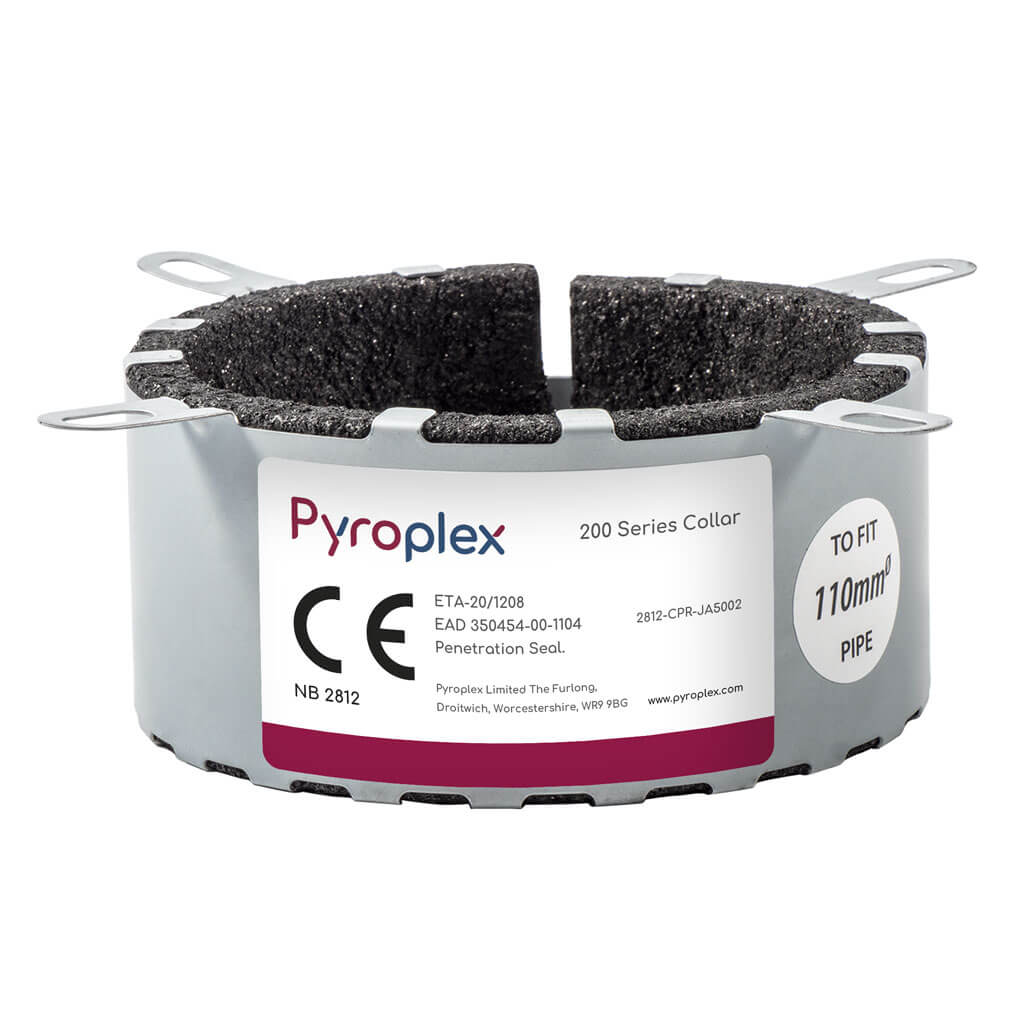
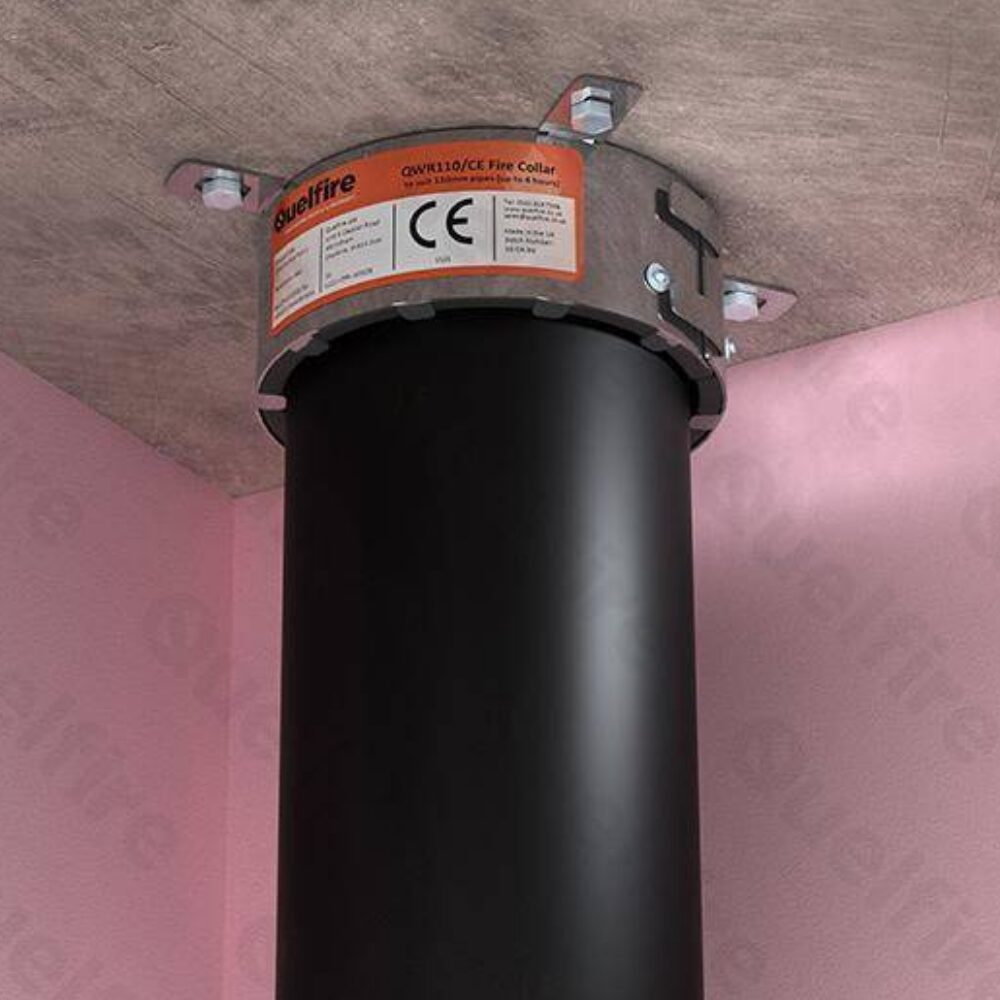
Intumescent pipe collars and wraps protect service penetrations, typically plastic pipes, where they pass through a fire compartment wall or floor.
They work by expanding when exposed to extreme heat to crush the pipe in order to prevent fire and smoke spreading through the pipe into another compartment.
Intumescent pillows
Fire pillows can be placed centrally within a wall or floor to stop fire spreading where the fire-resisting compartment has been penetrated.
They are ideal for use where services are continuously being changed or replaced.
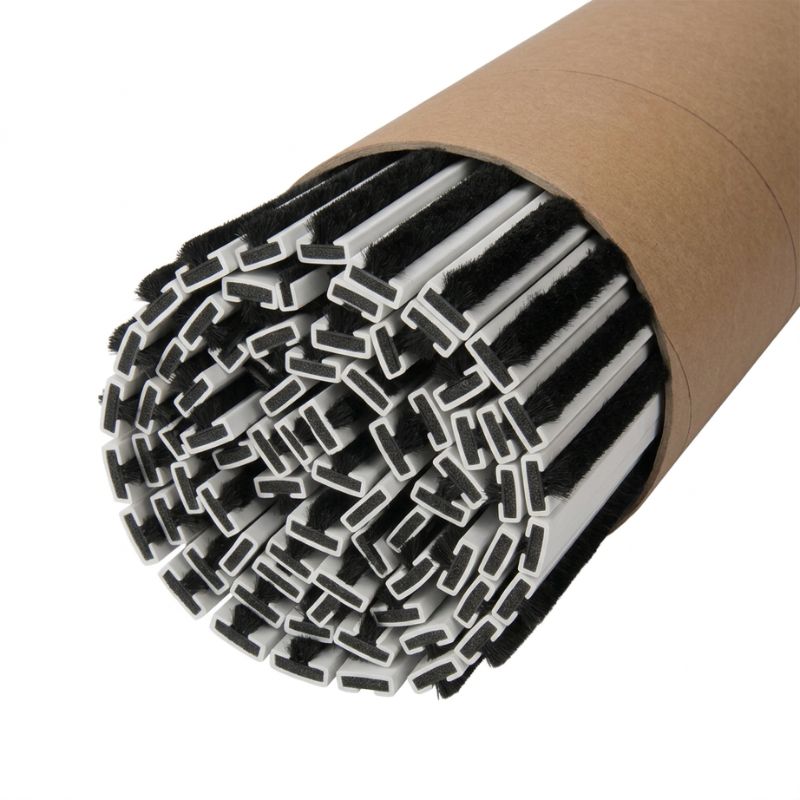
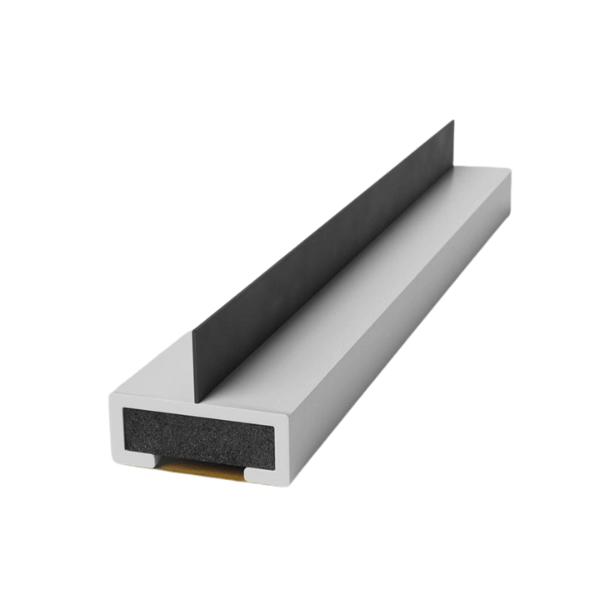
Intumescent strips
Intumescent strips are fitted around a fire door or frame to provide up to 30 or 60 minutes fire resistance, depending on the product and fire door rating.
In the event of a fire, they expand to seal any gaps between the door and frame.
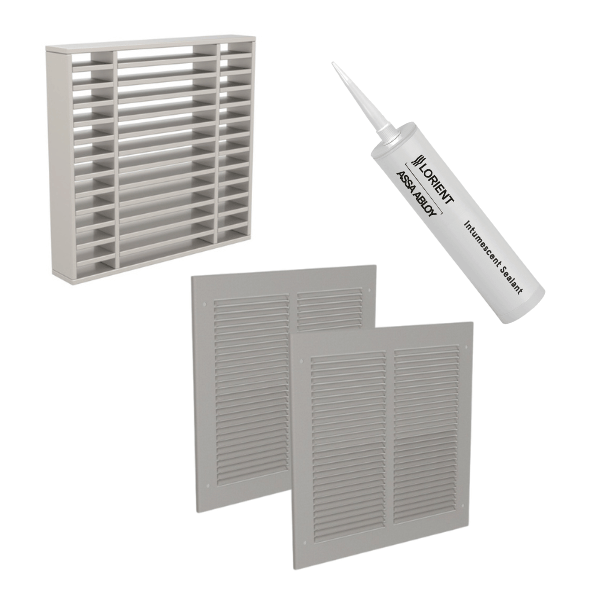
Intumescent Sealant
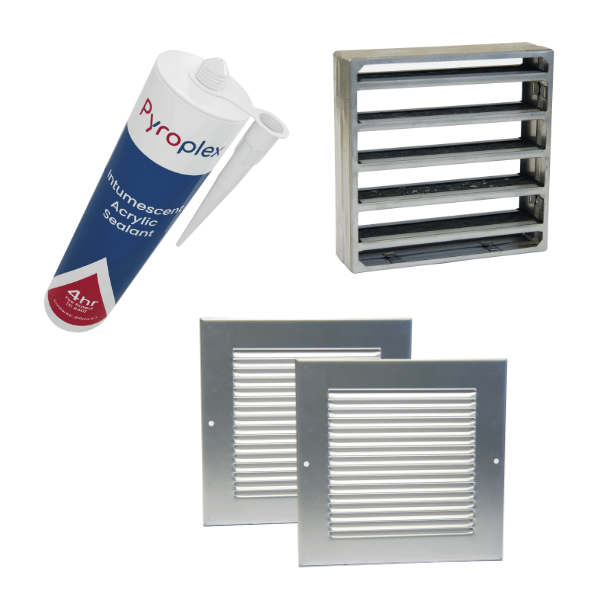
Intumescent sealant is designed to reinforce the fire resistance of walls, floors and door frames by sealing unprotected cavities such as linear joints and pipe penetrations.
It expands in volume when exposed to extreme heat, filling voids to form a tight seal, which prevents fires and smoke from spreading for a period of time.
Air Transfer Grilles
Intumescent air transfer grilles are installed in fire-rated doors, walls, floors, and ducts to help buildings stay ventilated, while also providing protection in the event of a fire.
They expand when exposed to fire and hot smoke, sealing the aperture to maintain the fire compartment.
Explore our range of intumescent products
At FireSealsDirect we supply a large range of intumescent products including intumescent strips, pipe collars, fire pipe wraps, sealant, air transfer grilles, and more.
Should you have any queries about our products, do not hesitate to contact our technical team at [email protected] or call 02920 857 959.
Related Articles
Fire Door FAQs
We're supporting Fire Door Safety Week by answering frequently asked questions about...
Read more

Third-Party Passive Fire Product Certifications and Accreditations
Discover what a third-party fire product certification is and why they are...
Read more

Fire Safety Regulations: What You Need To Know About the Changes From October 2023
Find out everything you need to know about the upcoming changes to...
Read more