



What Are the Fire Safety Regulations for Airbnbs in the UK?
Discover key fire safety regulations for Airbnb's and other short-term lets, including what hosts need to do to keep guests safe and stay compliant.

Written by Rebecca
9th June 2025
As the popularity of Airbnb continues to grow, more people are opening their homes, annexes and holiday lets to guests. But with this new wave of flexible accommodation comes a serious responsibility: ensuring the safety of your guests, particularly when it comes to fire safety.
Whether you’re letting out a single room or an entire property, Airbnb hosts in the UK have legal duties to protect their guests under fire safety laws.
In this article, we’ll outline the key regulations for those responsible for small short-term lets such as B&Bs, guest houses and other self-catering properties that have simple layouts and a limited number of guest bedrooms.
Do fire safety laws apply to Airbnb hosts?
If you're letting out a property on a short-term basis for paying guests, you are considered to be running a business, even if it's just for a few weekends a year. This means you are subject to the Regulatory Reform (Fire Safety) Order 2005, often referred to as the Fire Safety Order.
The Responsible Person is legally required to ensure the Airbnb property is protected against fire risks and that appropriate safety measures are in place for guests.
What are the fire safety rules for Airbnb properties?
Airbnb hosts have a legal responsibility to ensure their properties meet fire safety standards. This includes completing a fire risk assessment and installing appropriate fire detection and warning systems. Below, we’ll explore these requirements in more detail to help you understand what’s expected.
1. Conduct a suitable and sufficient fire risk assessment
As of October 1st, 2023, amendments to the Fire Safety Order require that anyone operating an Airbnb in England and Wales must have a written fire risk assessment. Without this, it is illegal to accept paying guests.
Carrying out a fire risk assessment is a systematic look at your property to identify:
- Potential fire hazards (e.g. candles, faulty wiring, cooking areas)
- People at risk (such as guests unfamiliar with the layout)
- Fire prevention and detection measures
- Emergency exits and escape routes
You must record all findings and take the appropriate action to address any issues. The fire risk assessment should be reviewed annually, or sooner if there are significant changes to the property or following a fire incident.
The Responsible Person may conduct the assessment using the Home Office’s 5-step fire safety risk assessment checklist, however it is recommended to engage a qualified fire risk assessor with the necessary expertise and accreditations.
2. Install fire detection and warning systems
Holiday lets must be fitted with interlinked domestic smoke alarms in all areas where a fire might start. Depending on the layout and risk level of the property, you may also need:
- A heat alarm in the kitchen, laundry or utility room
- Carbon monoxide detectors near fuel-burning appliances
These devices should be tested regularly and batteries replaced as needed. For higher-risk properties, a more advanced detection system may be required.
3. Provide fire-fighting equipment
Although not legally required in all cases since guests are not expected to use fire-fighting equipment, you may wish to provide basic equipment, such as:
- A small fire extinguisher (suitable for the kitchen)
- A fire blanket near cooking appliances
Make sure they are easy to access, well-maintained and appropriate for the risks involved.
4. Ensure clear escape routes
All guests should be able to leave the property quickly and safely in the event of a fire. To ensure this:
- Keep escape routes clear and unobstructed
- Ensure there is adequate lighting to allow people to find their way out
- Make sure exit doors are easy to open without a key (e.g. thumb-turn locks)
- Avoid placing bars or obstructions on windows used as escape routes
5. Display safety information for guests
It’s essential that guests know what to do if a fire breaks out. Include a simple fire safety notice in a prominent place. This should cover:
- The location of exits and escape routes
- Fire assembly points
- How to raise the alarm
- Emergency contact numbers
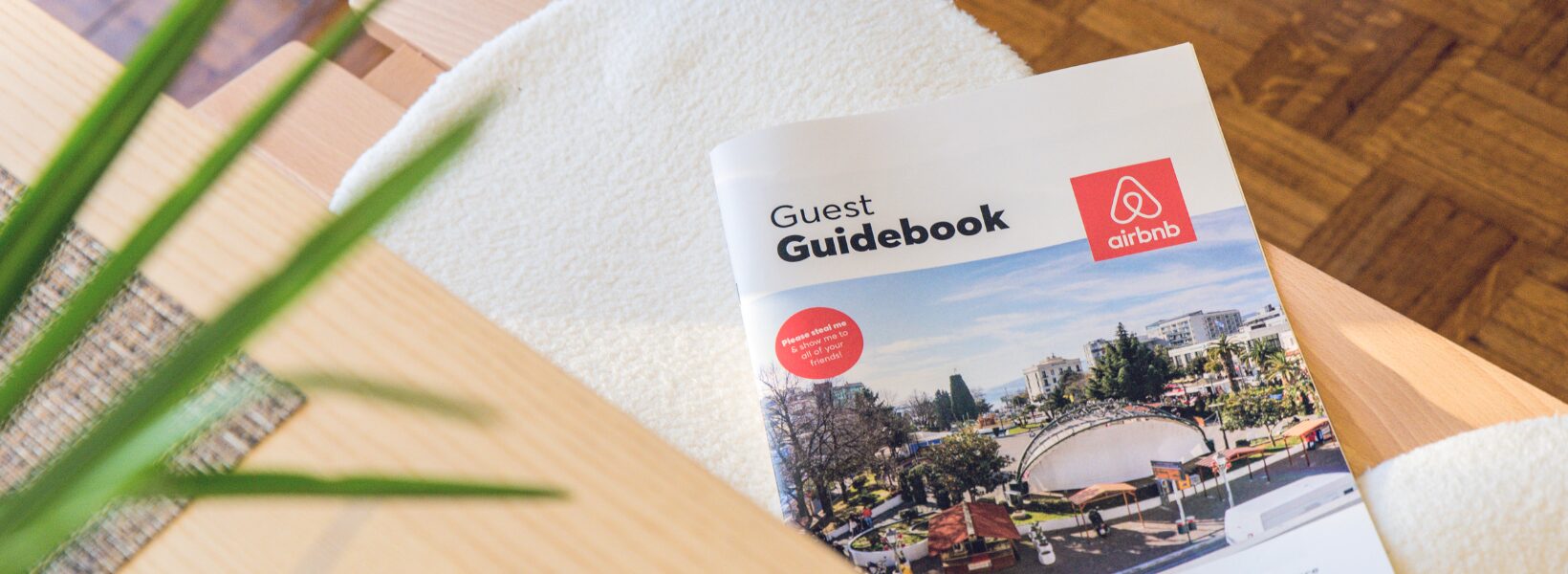
Including a section on fire safety in your digital or printed welcome guide is also helpful.
Maintenance and testing
Fire protection measures must be properly maintained and kept in good working order. While some testing and maintenance tasks can be completed by the responsible person, others may require a qualified contractor.
Maintain clear records of all checks, either in a logbook or electronically, and use a checklist to ensure equipment is serviced in line with best practice guidelines.
Daily checks (for premises in which staff or owners are present):
- Ensure exit routes and escape doors are clear and not obstructed in any way.
Weekly checks (for premises in which staff or owners are present):
- If the premises are fitted with a fire detection and alarm system (rather than domestic smoke alarms), the system should be tested using a different manual alarm call point each week to make sure that the system is operating
- Check that fire-resisting doors installed along stairways and escape routes close effectively with a suitable self-closing devices
Monthly checks:
- Make sure all exit doors that are not in regular use can be easily opened
- Test rechargeable torches and/or all emergency escape lighting to make sure that they operate correctly (if applicable)
- Domestic smoke and heat alarms should be tested to ensure they function properly and are loud enough to wake sleeping occupants
Sixth monthly checks:
- Any BS 5389-1 fire detection and alarm systems should be serviced by a competent person
- Fire doors should be inspected to ensure they remain in good condition and are not damaged. Download our free fire door checklist to help assist with your checks.
Annual checks (if applicable):
- Emergency escape lighting and fire extinguishers should be serviced by a competent contractor
For premises where staff or owners are not present, such as self-catering accommodation, the above weekly and monthly tests should be completed at every change of occupancy.
Fire doors in Airbnb properties
In most situations, well-fitting, solid doors, typically 44mm thick with a suitable core, are acceptable. Doors with hollow cores, thin panels or non-fire-rated glazing lack adequate fire resistance and in most cases will need upgrading to 30-minute fire doors.
Consult a fire safety specialist if you’re unsure about your current doors.
Are there penalties for non-compliance?
Local fire and rescue services are responsible for enforcing fire safety laws. If a property is found to be unsafe, you could be served with an enforcement notice or even face prosecution. This is particularly serious in cases where guests are placed at risk.
Aside from the legal implications, failing to meet your responsibilities can seriously damage your reputation and guests may mention safety concerns in their reviews.
Find out more about fire safety penalties.
Where can I find out more about Airbnb regulations?
The government have produced a guide on making your small paying guest accommodation safe from fire which provides more detail on the application of the Fire Safety Order to short-term lets such as cottages, guest houses and other self-catering accommodation in England.
Fire safety requirements may vary depending on where your property is located. For more detailed guidance, refer to the national standards for Wales, Scotland and Northern Ireland.
How we can help
We are a family business with 50 years of experience in fire safety, offering a large selection of passive fire protection products to help keep buildings across the UK compliant.
Our dedicated customer care team is on hand to assist with any questions you may have about your property or our products. Get in touch using our live chat feature or email us at [email protected].
For more helpful information on fire legislation, installation instructions and more, visit our Advice Centre.
Related Articles
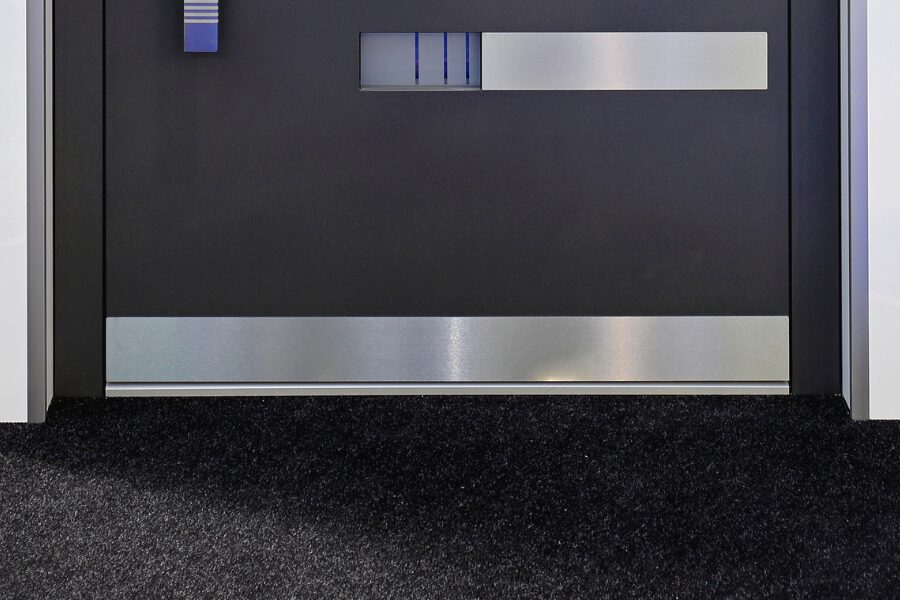
What is a Kick Plate?
Kick plates help prevent damage to fire doors in busy environments. Read...
Read more
The Dangers Of Mixing Brands In Fire Stopping Systems
Discover why mixing fire stopping products from different brands can lead to...
Read more
Panic Hardware Guide
Learn about panic hardware, where it is installed & how it differs...
Read more