



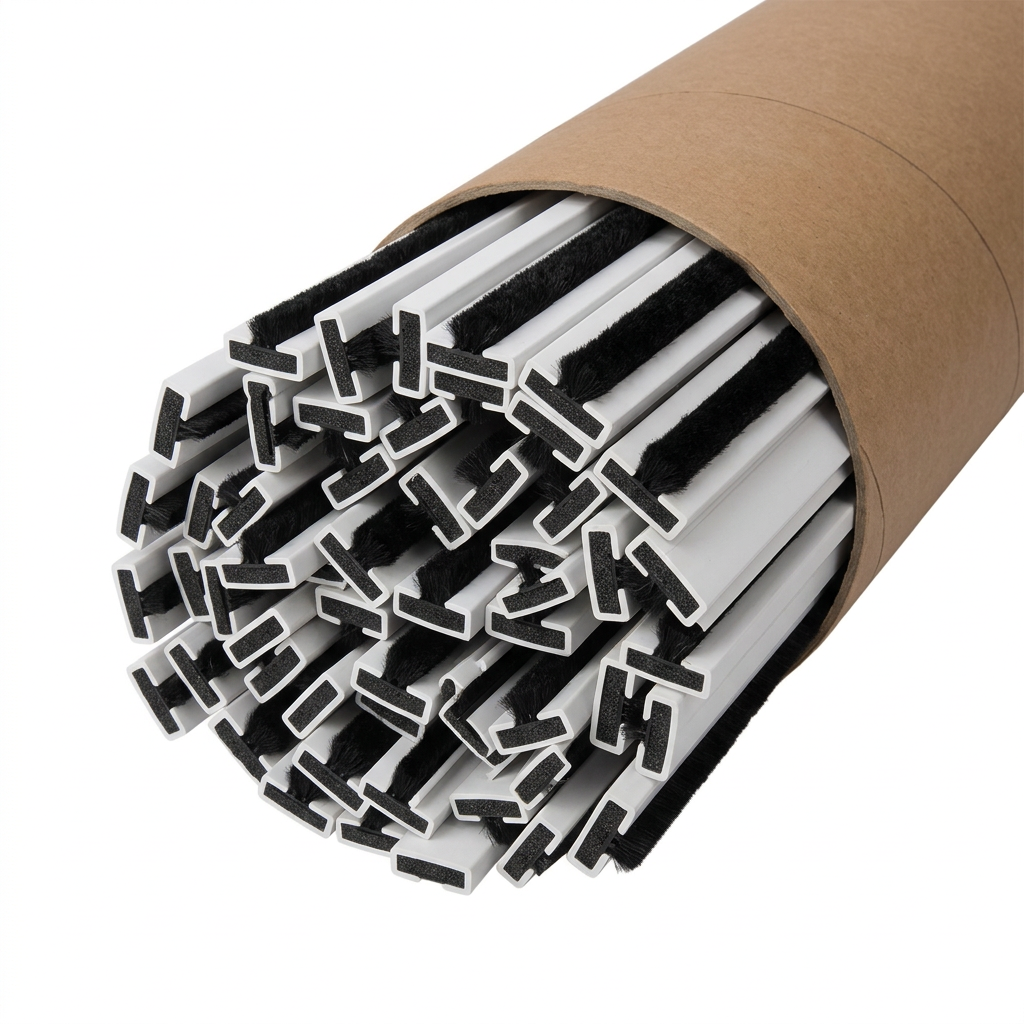
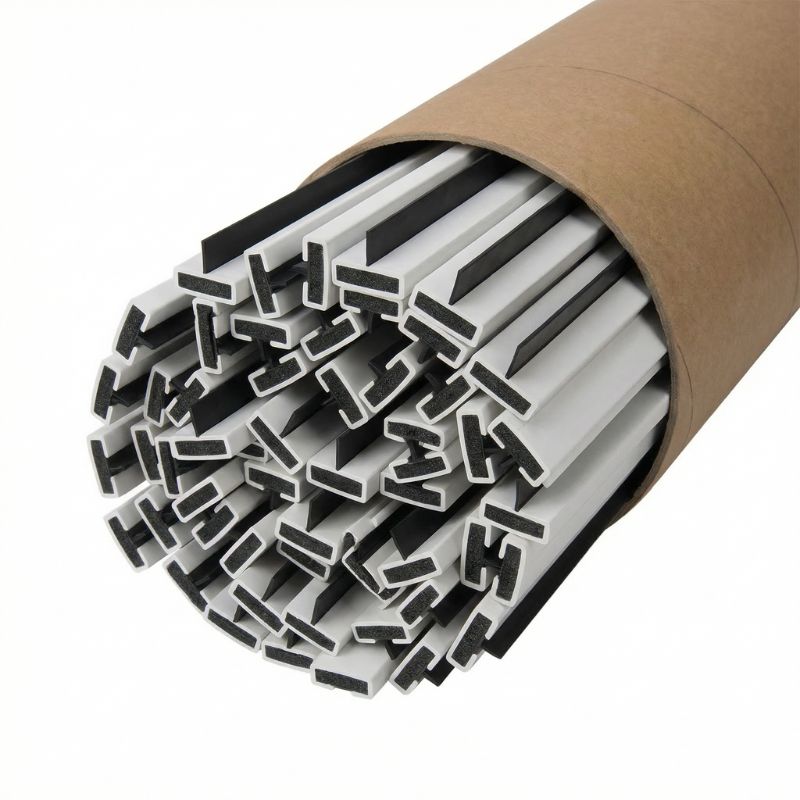
What Are Cold Smoke Seals?
Understand how cold smoke seals work, how to install them, and how they differ from intumescent fire strips.

Written by Rebecca
28th April 2021
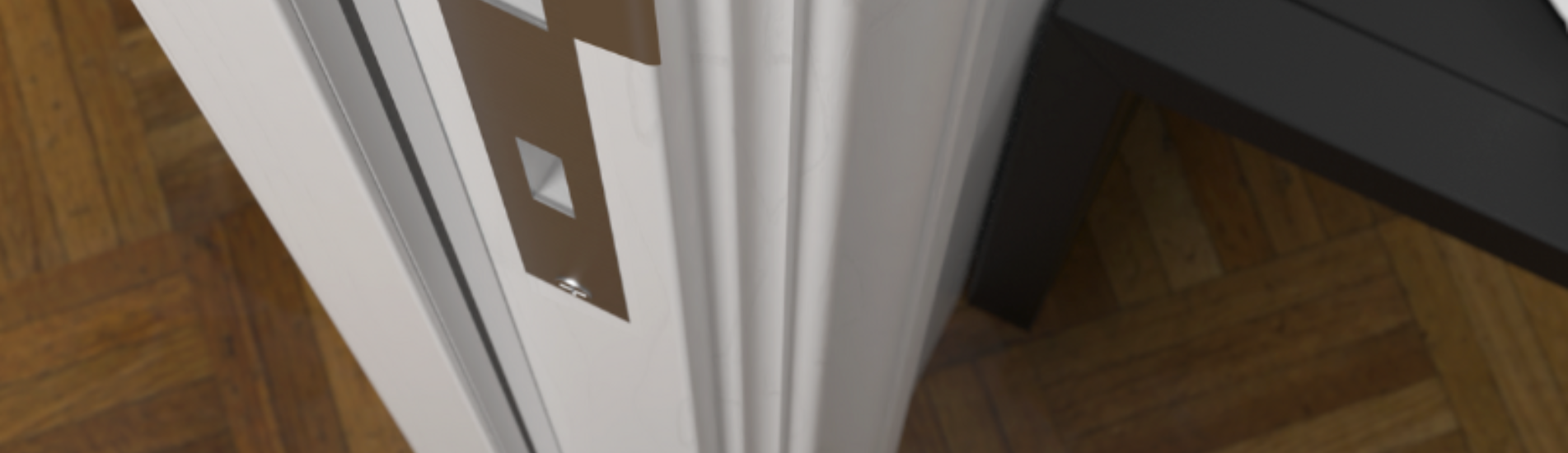
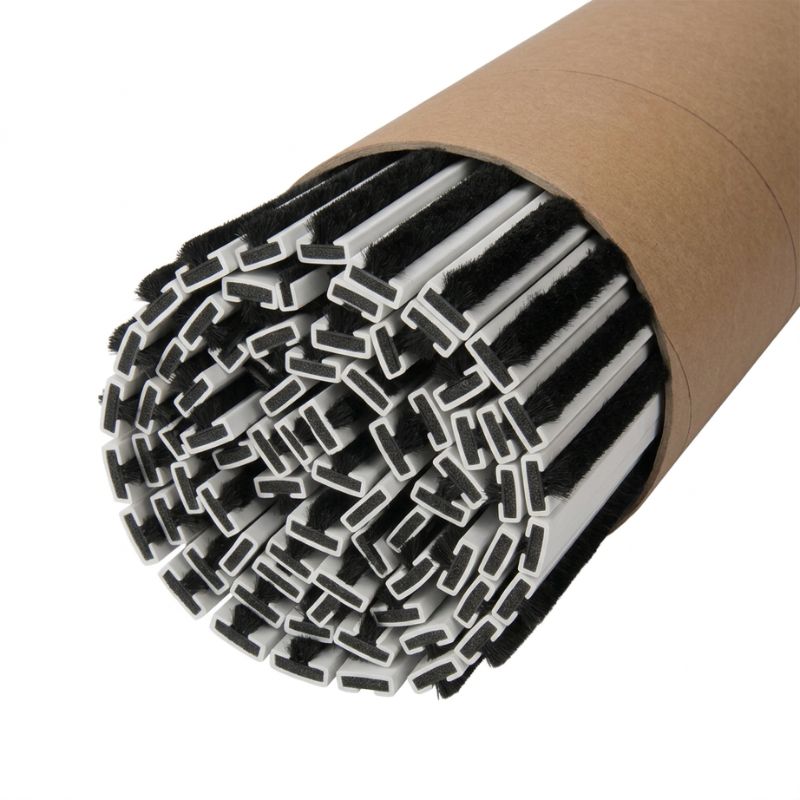
A cold smoke seal is a protective barrier installed around a the perimeter of a fire-rated door to prevent smoke from spreading between rooms or areas within a building.
Made from durable materials such as flexible elastomeric, smoke seals fit into the gap between the door rebate and the reveal of the door frame, creating a barrier that helps contain smoke during a fire.
How Do Cold Smoke Seals Work?
Cold smoke seals work by physically blocking gaps around a door, restricting the movement of smoke, airflow, and sound between spaces. This is crucial because most fire-related fatalities are caused by smoke inhalation rather than burns. Toxic smoke can become dense very quickly, reducing visibility and causing unconsciousness within minutes, which can prevent safe escape.
While they don’t resist flames, smoke seals play a vital role in protecting occupants by slowing the spread of toxic smoke and giving people more time to evacuate safely. At the same time, they improve building comfort and reduce noise transmission.
How to Install a Cold Smoke Seal
Proper installation is essential to ensure that cold smoke seals perform effectively without interfering with the door’s operation. The seal should allow the door to open and close smoothly with minimal effort, while providing an effective barrier against smoke, sound and air movement. Regular checks should be carried out to maintain proper performance.
Step-by-Step Installation
Option 1 | Surface Mounted (e.g Batwing Seals)
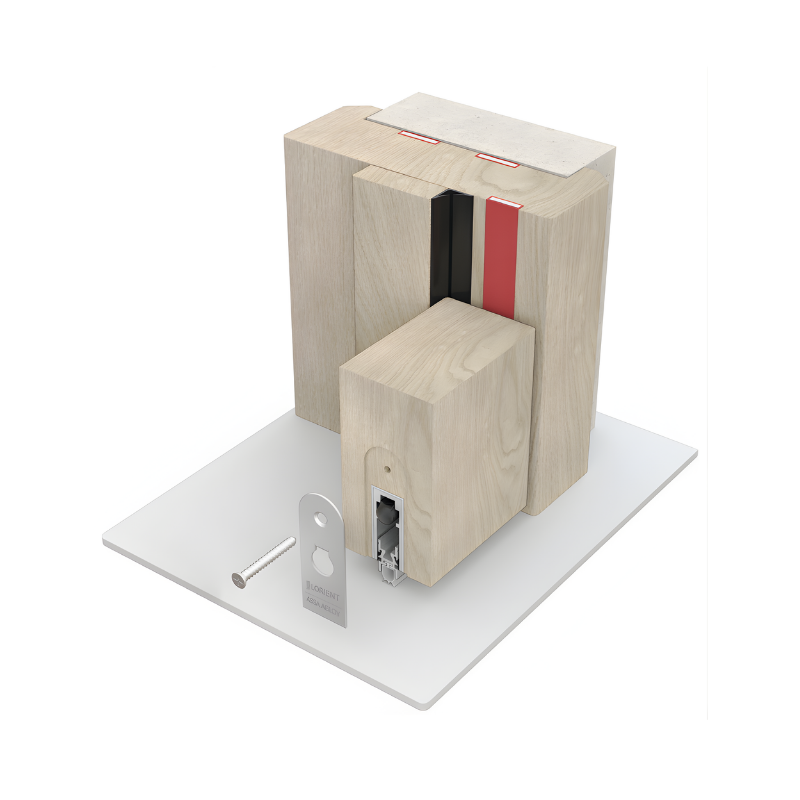
1. Clean the door frame thoroughly and avoid applying the seal to newly painted surfaces, as the adhesive may not bond properly.
2. Measure the door perimeter, noting the lock position, and cut the seal to size.
3. Peel back the adhesive gradually while applying the seal along the frame. Avoid repositioning once applied.
4. Ensure the seal is straight and fully in contact with the frame.
5. Test the door by opening and closing it to confirm smooth operation.
Option 2 | Rebated (e.g Firtree Seals)
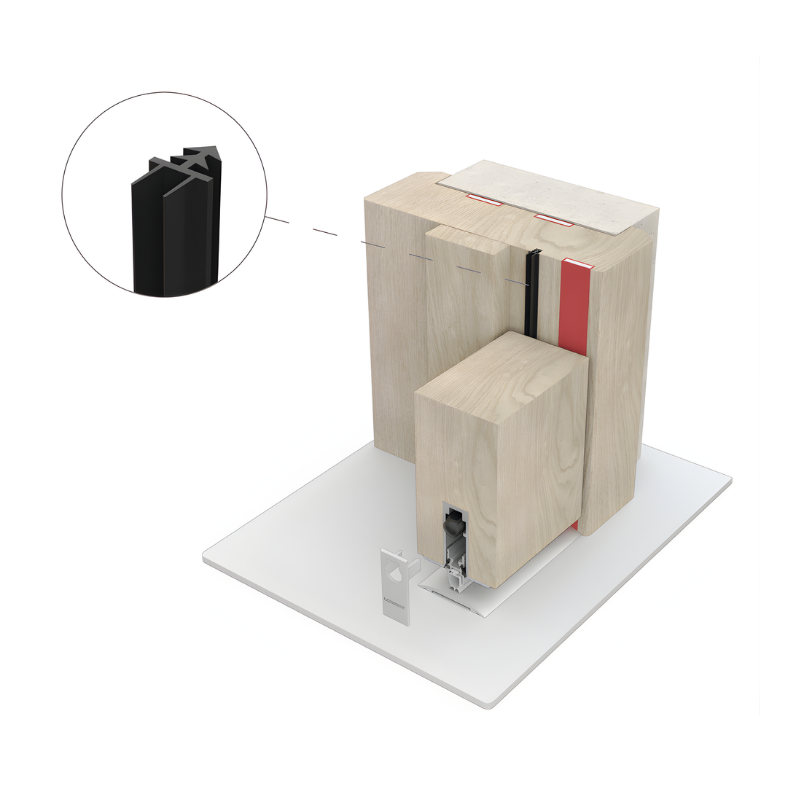
1. Create a suitably sized groove within the door frame.
2. Ensure the door frame is clean, dry, and free from dust, grease, or debris.
3. Measure the door perimeter, noting the lock position, and cut the seal to size.
4. Insert the seal into the groove and press it into place.
5. Test the door to ensure it opens and closes smoothly.
Cold Smoke Seals vs Intumescent Strips: What’s the Difference?
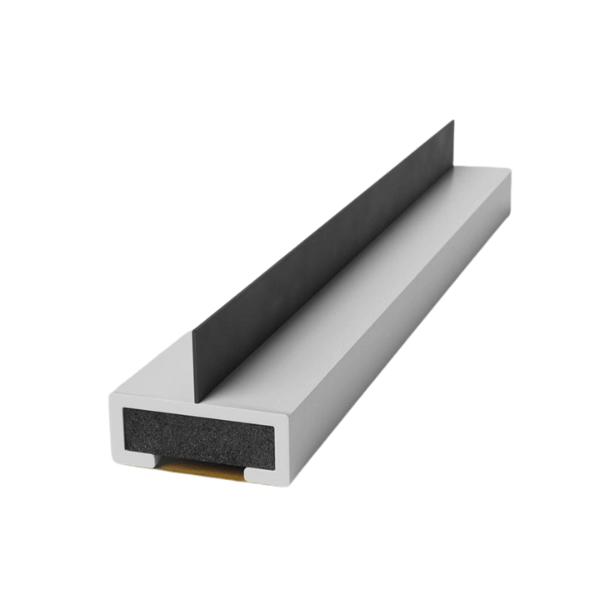
Cold smoke seals are designed to restrict the movement of smoke. They do not expand under heat and do not provide fire resistance. In contrast, fire only intumescent strips expand when exposed to high temperatures, sealing gaps between the door and frame to prevent the spread of fire.
Cold smoke seals are often installed in conjunction with intumescent strips, but it isn’t an either/or situation. All fire doors require intumescent strips for fire protection, so even if a smoke seal is fitted, an intumescent strip is still necessary.
In many cases, both are installed together, or combined fire-and-smoke intumescent strips can be used, which come in brush or fin designs to provide protection against both fire and cold smoke.
How We Can Help
FireSealsDirect are firestopping specialists with three generations of fire safety expertise. We are one of the UK’s largest stockists of passive fire protection products, including intumescent strips and smoke seals, and partner with trusted brands such as Lorient and Pyroplex to deliver reliable, high-quality solutions.
Related Articles
Fire Door Regulations | Do Fire Doors Need Intumescent Strips?
Understanding fire door regulations and intumescent strips made simple, with straightforward guidance...
Read more
How to fit a drop-down door seal for fire doors
Step-by-step guide for how to install a drop-down door seal for both...
Read more

Understanding Passive Fire Protection: Frequently Asked Questions
Clear answers to common passive fire protection questions to support confident, compliant...
Read more