Intumescent sealant and ablative coating can both be incorporated into the same fire stopping system, leading to occasional confusion, however they fulfil different roles.
Both are designed to protect the structural integrity of a building in the event of a fire but have different purposes and applications, which is important to be aware of when undertaking fire stopping works.
In this blog, we'll explore the unique properties and purposes of intumescent sealant and ablative coating, providing clarity on when and how to use each for optimal fire protection.
What is intumescent sealant?
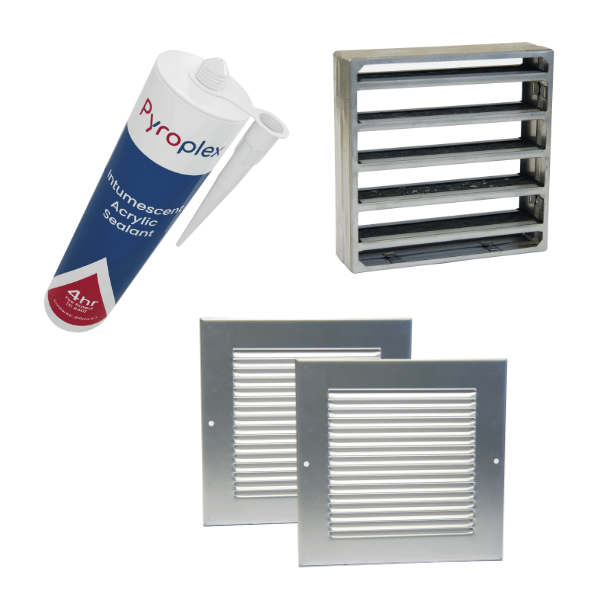
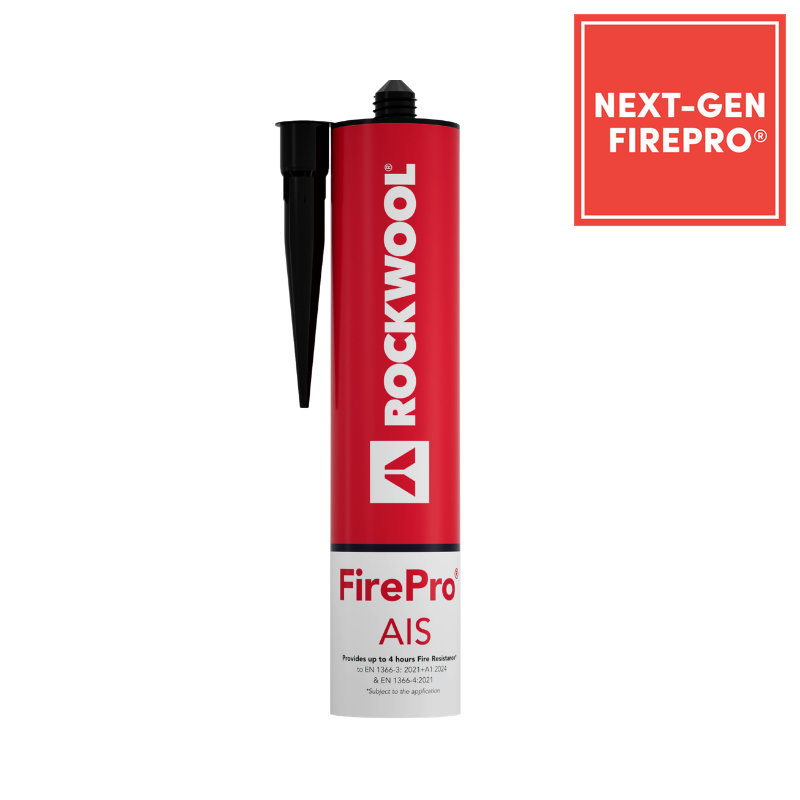
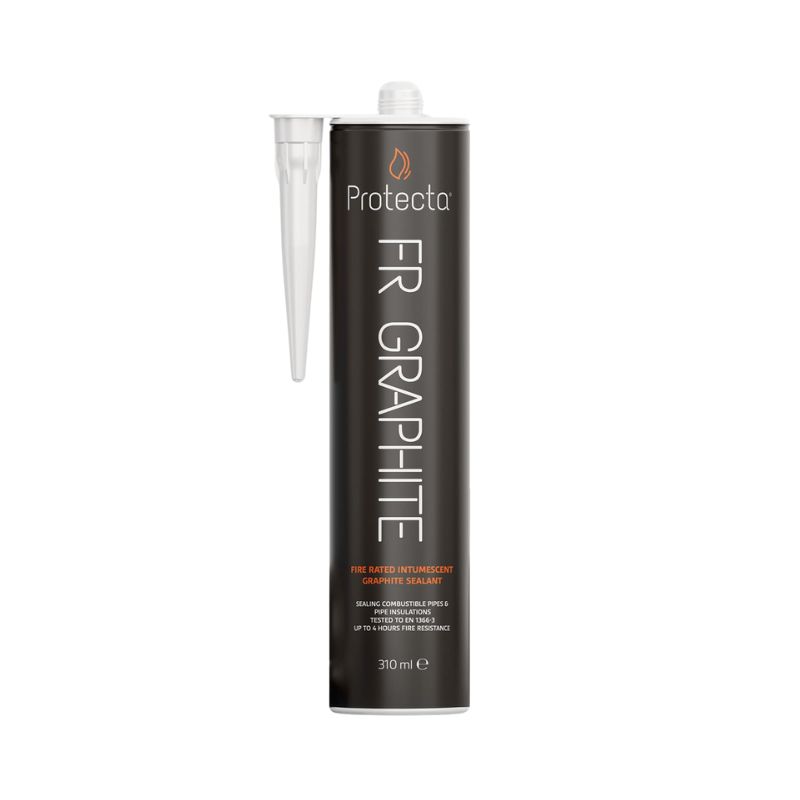
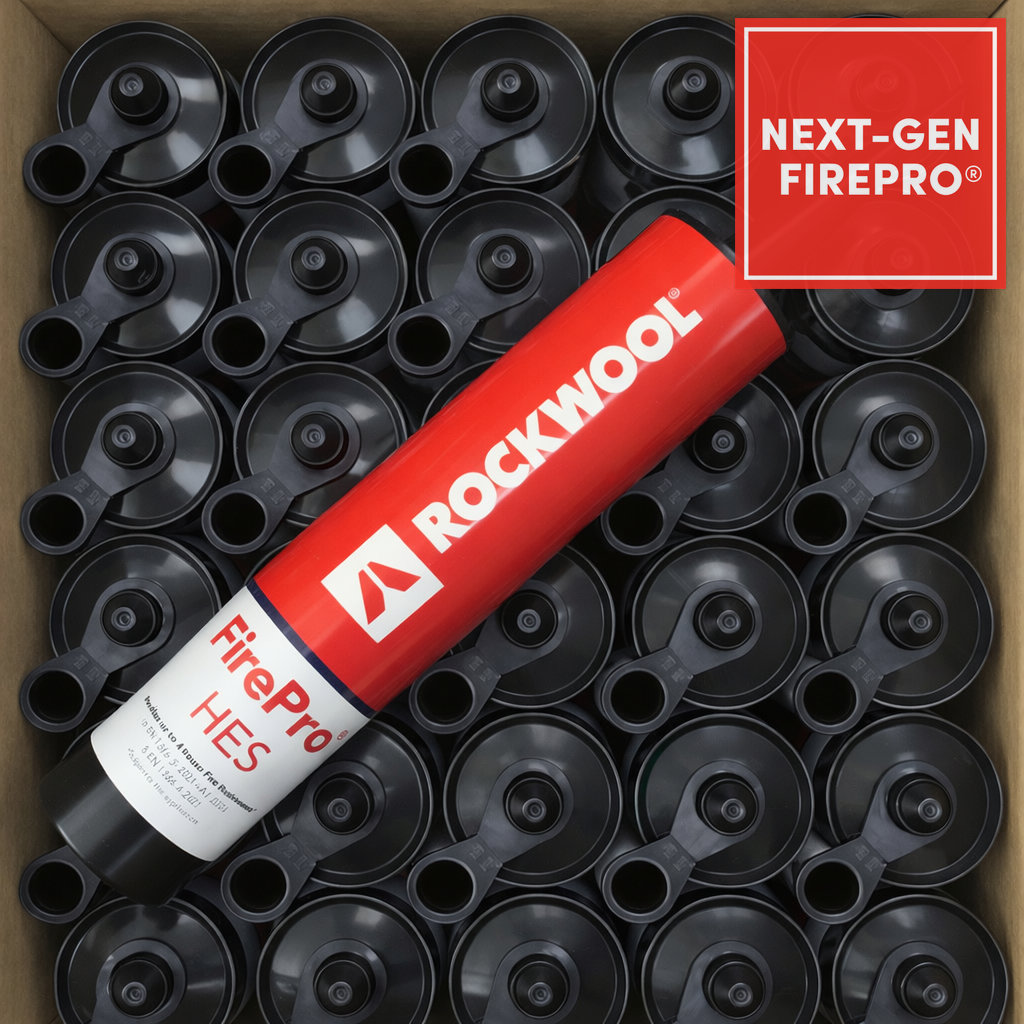
Intumescent sealants, also known as fire mastics, are commonly used to reinstate the fire resistance of wall and floor constructions by sealing linear gaps or where apertures are penetrated by single or multiple services.
They are designed to expand when exposed to high temperatures. Upon heating, the intumescent material in the sealant undergoes a chemical reaction that causes it to swell and form a charred, insulating layer, effectively sealing gaps and joints to prevent the spread of flames, smoke, and toxic gases.
Depending on the test evidence of the product, it can provide up to 240 minutes of fire resistance, slowing down the burning process and protecting the structure to which it is applied.
They are typically water-based containing graphite intumescent, and are specially formulated to provide good adhesion with a wide range of materials including wood, masonry and plasterboard.
Application
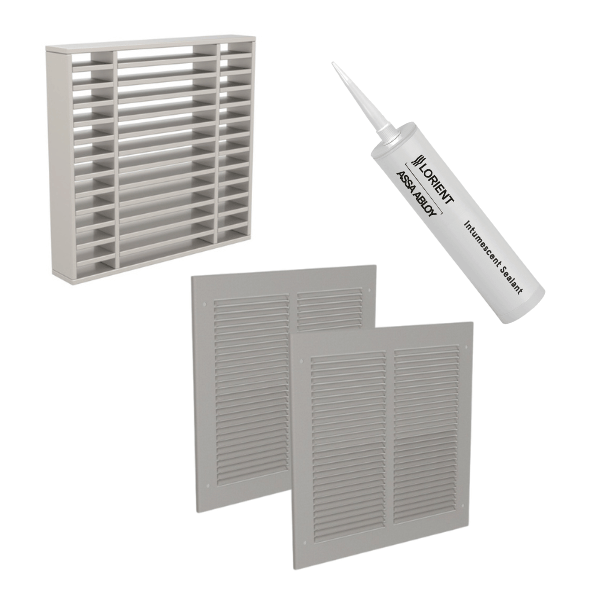
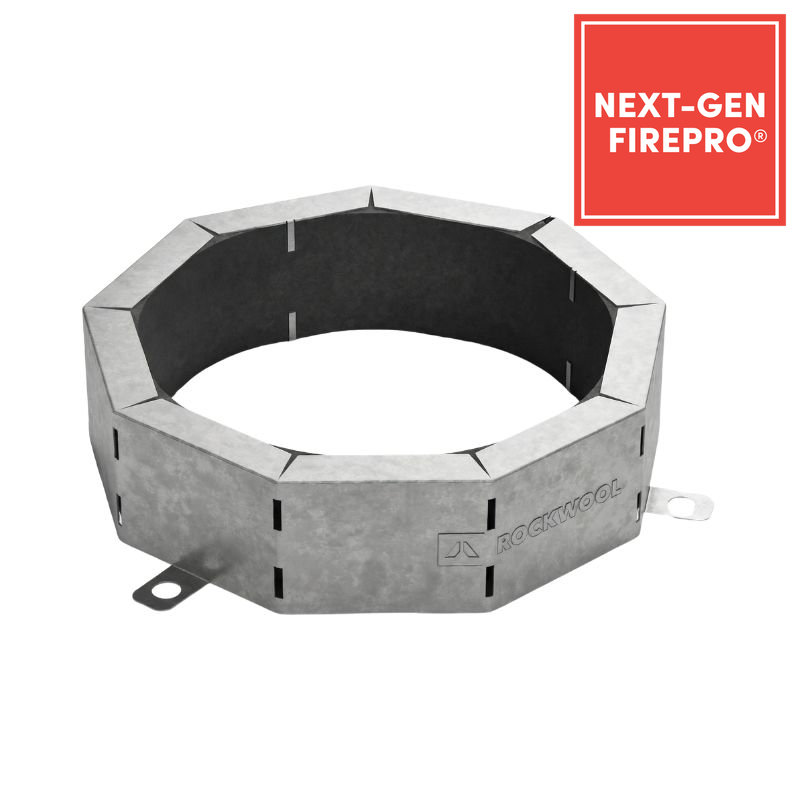
It can be applied on its own to seal linear joints or in conjunction with a range of common fire stopping systems such as fire batts, pipe collars, and air transfer grilles where these services penetrate structures.
Integrating these measures with intumescent sealant ensures that any gaps or spaces around these installations are sealed, enhancing the overall fire integrity of the structure and ensuring maximum fire protection.
To determine the appropriate intumescent sealant for your project, it is essential to read through product datasheets, as the uses and requirements can vary between products.
Additionally, it is important to note that the achievable fire resistance may depend on factors such as joint design, sealant depth, and the substrates being sealed.
What is ablative coating?
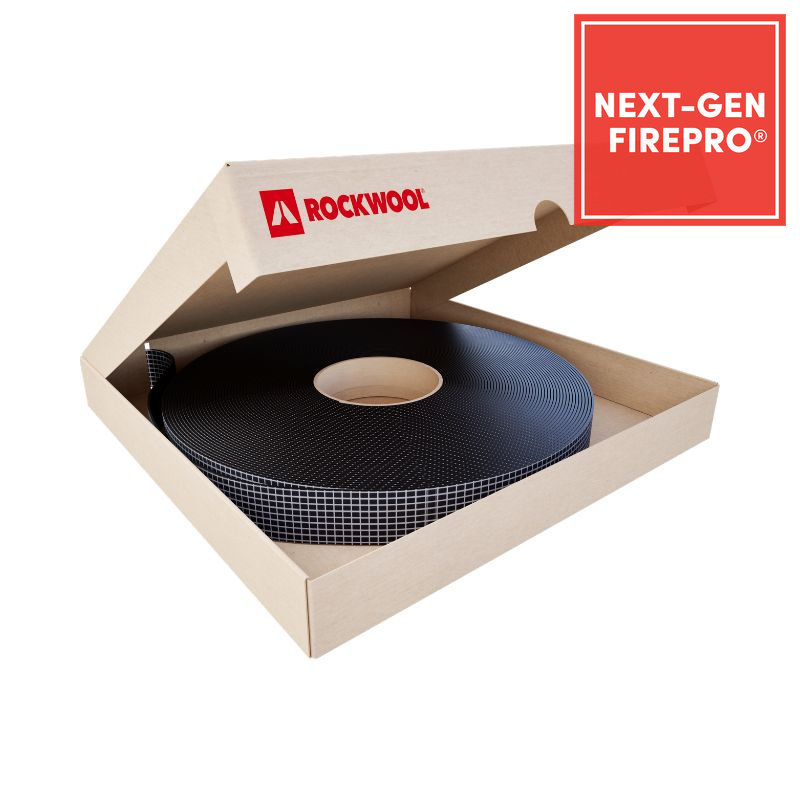
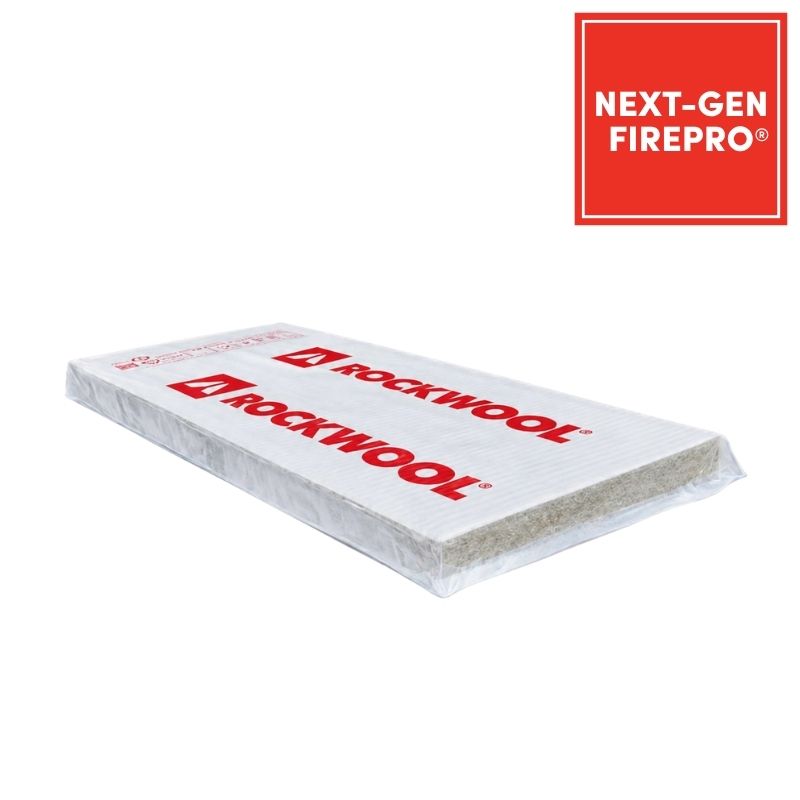
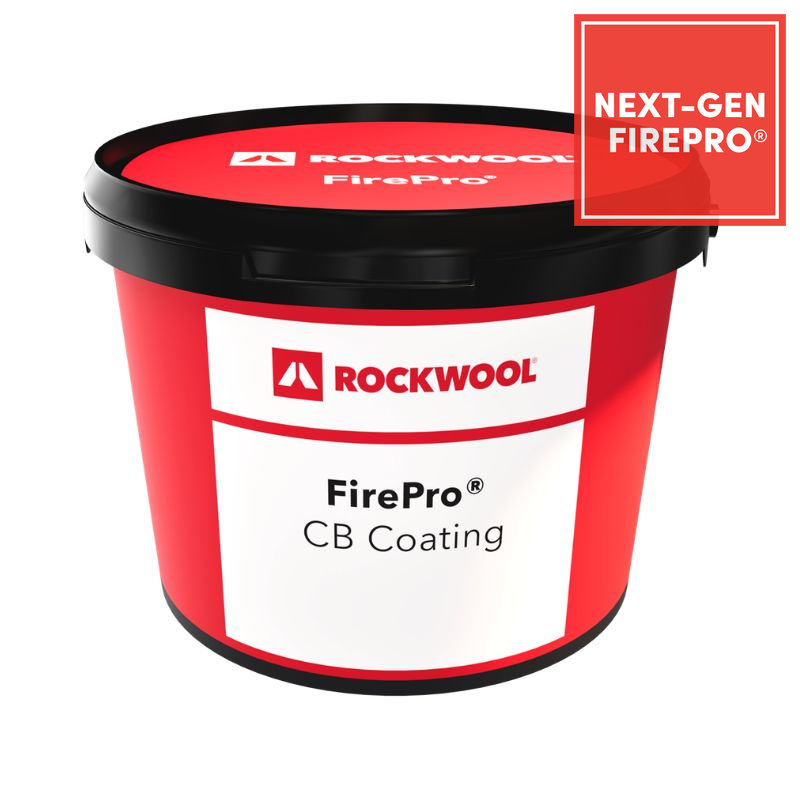
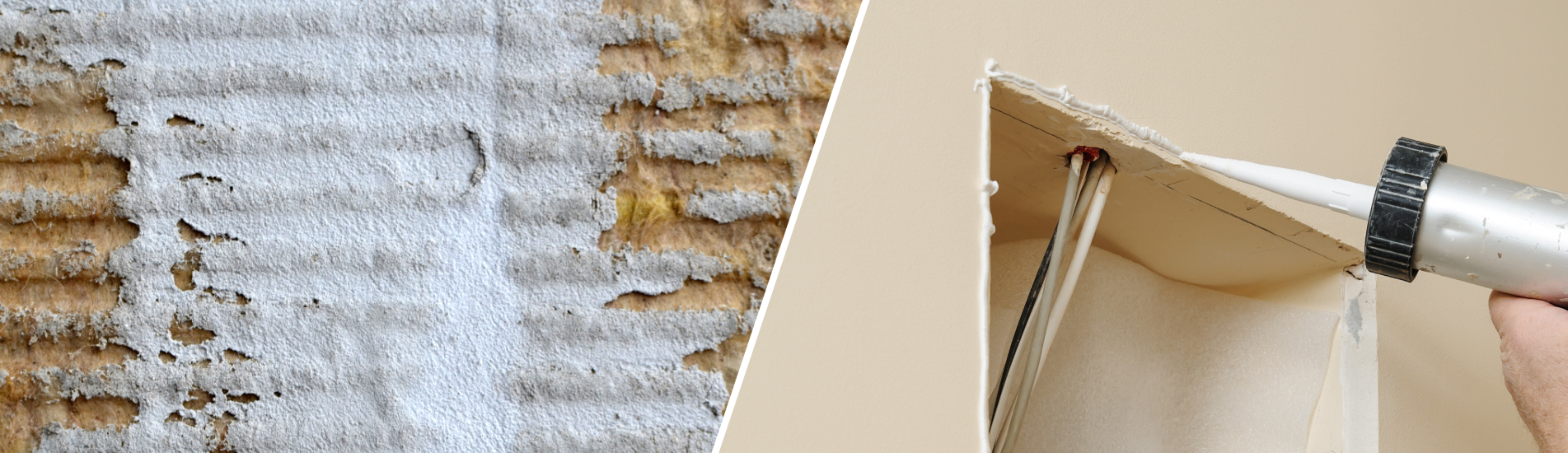
Ablative coating, a water-based acrylic paste, is mainly utilised for two purposes: to fix any damages that may occur to ablative coated fire batts during installation, thereby restoring their fire-resistance capabilities, and to cover the exposed edges of fire batts where they have been cut when pattress fitting a batt.
In some cases, services that pass through the fire batt may require a coating for enhanced protection.
Unlike intumescent sealants, ablative coatings do not expand, but instead form a char that assists in preventing the passage of fire, heat, and smoke while also reducing acoustic transfer.
Application
The coating is a ready-to-use white paste supplied in 5L tubs that can be applied by brush or spray, depending on the manufacturer's specification.
During the installation of fire batts, ablative coating and intumescent sealant is applied in different ways, yet they both contribute to achieving a compliant fire stopping system.
Ablative coating is methodically applied in areas where damage or cracks may have occurred during installation whereas intumescent sealant is applied using a caulking gun to all areas of contact between the batt and the surface area of the opening, with a small amount of sealant applied around the extremities.
A selection of manufacturers have test evidence that supports the application of ablative coating on raw stone wool boards to achieve the same fire resistance performance as pre-finished ablative coated fire batts. For specific product applications, refer to the manufacturer's datasheet.
Find out more information on how to install a fire batt.
How we can help
At FireSealsDirect, we offer intumescent sealant and ablative coating from leading manufacturers, including Rockwool, Quelfire & FSi. We also offer ablative coated fire batts for fire protection purposes.
Need some help or advice? Contact our technical team at [email protected] or call us on 02920 857 959 for more information.
Alternatively you can visit our Advice Centre which contains helpful guides and information.