





The Four Types of Fire Risk Assessment Explained
Learn about the four types of fire risk assessments in residential buildings in the UK, and discover which one your building needs for legal compliance.

Written by Rebecca
16th December 2025

Fire risk assessments are a legal requirement for almost all premises in the UK, including apartment buildings, offices and factories. They ensure compliance with fire safety legislation while protecting residents, employees and visitors.
For residential apartment blocks, several types of fire risk assessments are available ranging from basic checks to invasive inspections, depending on the building’s construction, age and potential fire risks.
This guide explains what fire risk assessments involve, why they are important, and the four types conducted in residential buildings.
What is a Fire Risk Assessment?
Under the Regulatory Reform (Fire Safety) Order 2005, all non-domestic properties and multi-occupancy residential buildings must have an up-to-date fire risk assessment (FRA).
A fire risk assessment examines the likelihood of a fire occurring, the potential risks to occupants, and the effectiveness of existing safety measures. It also identifies additional measures to reduce risks and improve safety.
The process is structured around five main steps:
- Identifying fire hazards
Spotting potential sources of fire, including combustible materials, ignition points and activities that could contribute to fire spread. Proper storage of flammable substances is also checked.
- Identifying people at risk
Determining who may be at risk, including vulnerable individuals such as children, the elderly or people with disabilities. Occupancy levels and visitors are also considered.
- Evaluating and reducing risks:
Analysing hazards and implementing or inspecting measures to reduce them, such as fire alarms, escape routes and accessible firefighting equipment.
- Recording findings and preparing an emergency plan:
Documenting hazards, risks and safety measures. Developing an emergency plan, training staff and residents, and clarifying evacuation procedures.
- Reviewing and updating the assessment:
Regularly updating the FRA to reflect changes in building use, occupancy or regulations.
The building’s “Responsible Person” must ensure a suitable and sufficient FRA is carried out or appoint a competent professional if they lack the expertise.
Types of Fire Risk Assessment in Residential Buildings
In the UK, residential apartments are assessed using one of four recognised fire risk assessment types, classified from Type 1 to Type 4. The appropriate type is determined by the building’s construction and the level of inspection required.
Type 1 – Common Areas (Non-Destructive)
Type 1 assessments are the most basic and focus on communal areas such as corridors, stairwells and shared entrances and exits. They are non-invasive and cover:
- Escape routes and signage
- Emergency lighting
- Fire alarms and detection systems
- Fire doors
- Firefighting equipment
Findings are documented in a detailed report, which may recommend a more invasive inspection if further risks are suspected.
Type 2 – Common Areas (Destructive)
Type 2 assessments build on Type 1 by examining concealed areas such as walls, ceilings and floors to check hidden electrical systems, cavity barriers and fire-stopping measures.
They are typically recommended when a Type 1 assessment indicates potential hazards within the building's structure that could lead to the spread of fire.
Type 3 – Common Areas & Flats (Non-destructive)
A Type 3 assessment extends beyond communal areas to include individual residences. This non-destructive assessment examines:
- Escape routes within flats
- Fire alarms and warning systems
- Compartmentation between dwellings
- The fire resistance of internal doors
Access can be challenging, especially in leasehold properties, so inspections often rely on tenant cooperation or occur when flats are vacant.
Type 4 – Common Areas & Flats (Destructive)
Type 4 assessments are the most comprehensive and complex, combining a Type 3 inspection with destructive testing of both communal areas and flats.
They are usually recommended when significant defects are suspected, such as poor fire stopping and inadequate compartmentation, or when a new landlord acquires a building with a potentially uncertain construction history.
Because they involve destructive sampling, Type 4 inspections are usually carried out in vacant properties and require a contractor to manage any necessary repairs to restore the building's safety and integrity.
Choosing the Right Fire Risk Assessment
In the majority of cases, a Type 1 fire risk assessment is sufficient. More detailed inspections (Types 2–4) are usually only required if a Type 1 assessment identifies a need. For example, if a Type 1 assessment highlights inaccessible areas of concern, such as under floorboards, a Type 2 or Type 4 assessment with destructive sampling may be suggested.
Managing fire safety is an ongoing responsibility, and ensuring a competent person carries out regular assessments is key to compliance and resident safety.
Find out more on how often a fire risk assessment should be reviewed.
How We Can Help
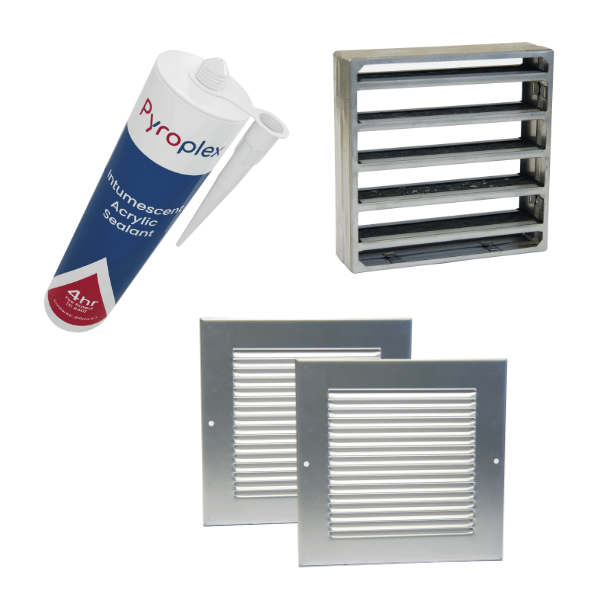
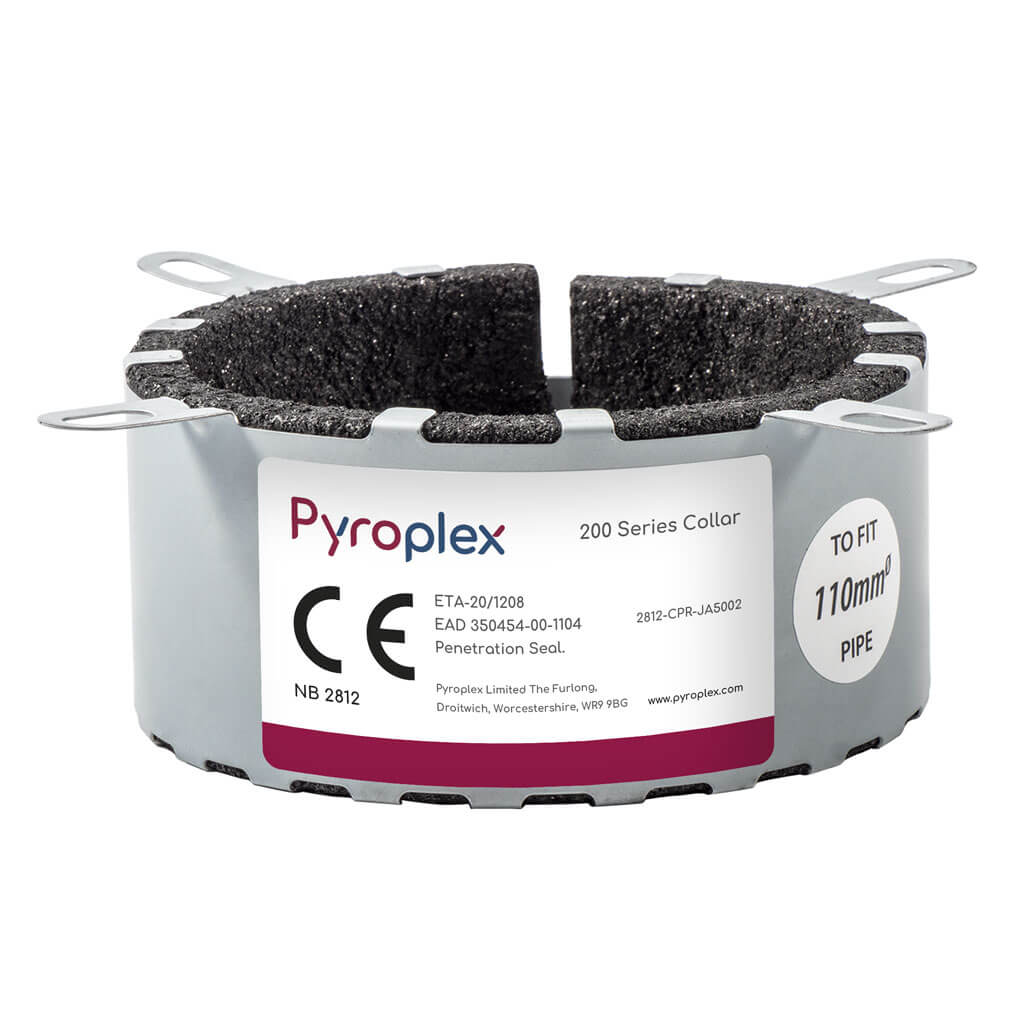
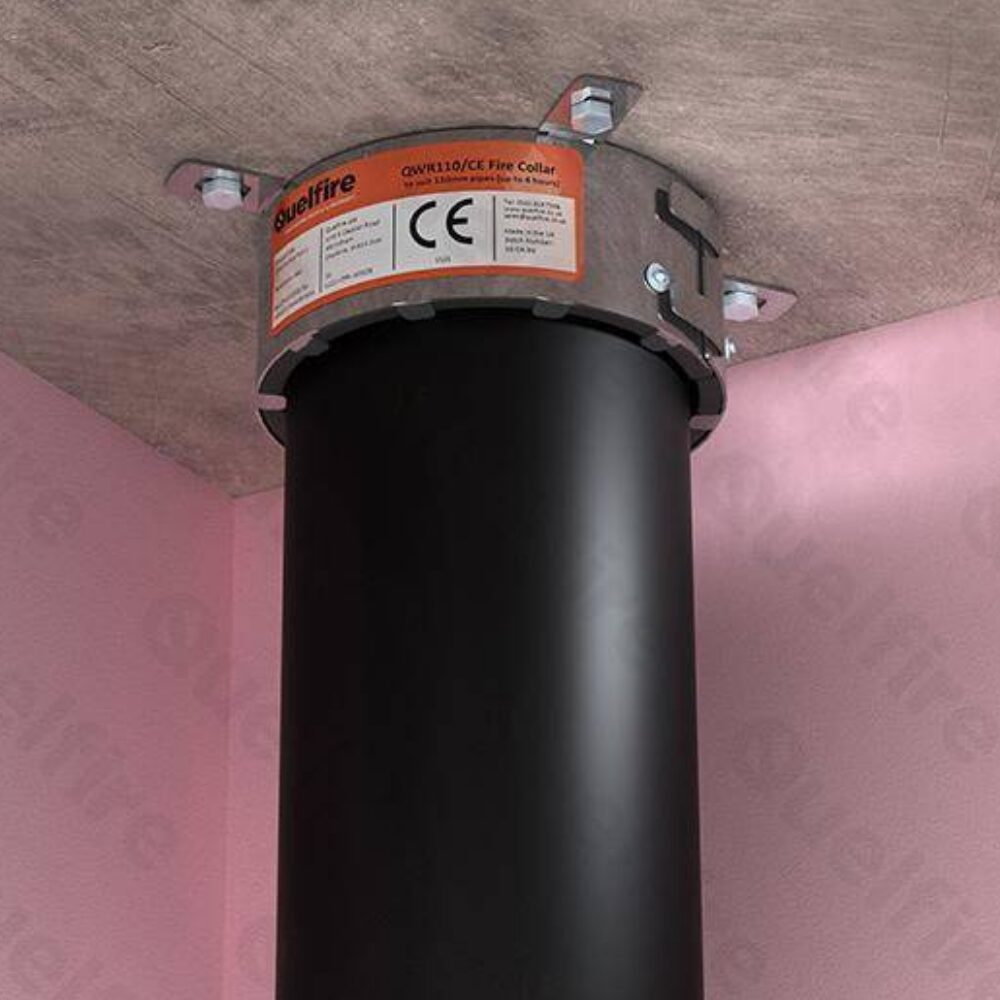
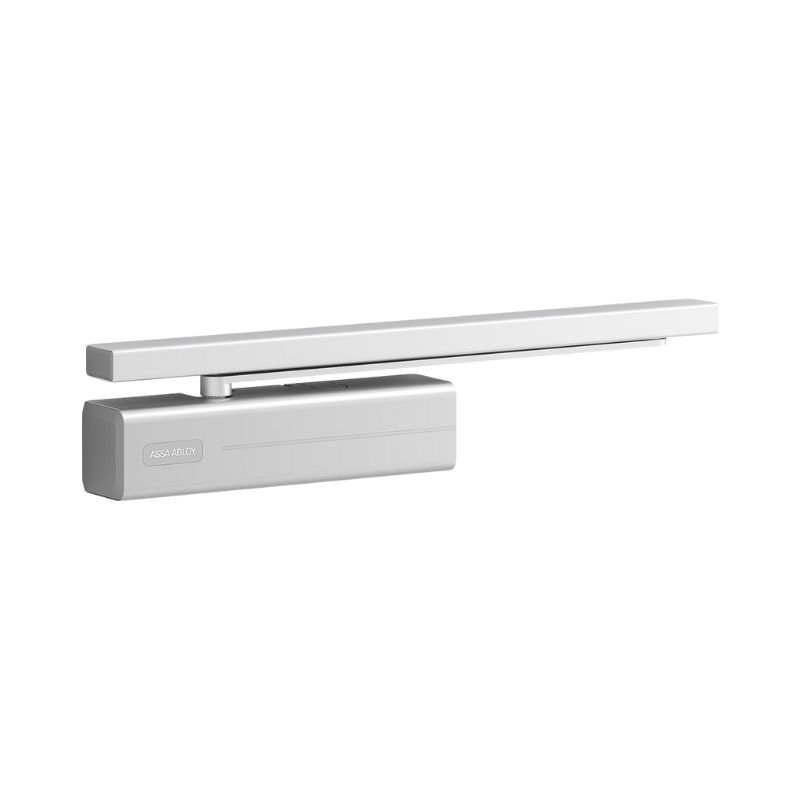
At FireSealsDirect, we provide practical advice and a wide range of fire door and fire-stopping products to help keep buildings compliant and safe. Whether you’re addressing issues raised in an assessment or undertaking general maintenance, our team is here to support you every step of the way.
Get in touch with our technical team at [email protected] or call 02920 857 959.
You can also explore our Advice Centre, which offers a wide range of guides and useful information on fire safety, fire legislation and more.
Related Articles

How to Keep Your Business Fire Safe This Festive Season
Keep your workplace safe this festive season with our practical fire safety...
Read more

The Different Types Of Fire Rated Sealant
Learn about the different types of fire rated sealants, their uses and...
Read more

Understanding Passive Fire Protection in New Builds and Existing Buildings
Explore passive fire protection strategies for new and existing buildings to ensure...
Read more