Fire stopping systems are a crucial element of passive fire protection, designed to maintain a building’s compartmentation and slow the spread of fire, smoke and toxic gases.
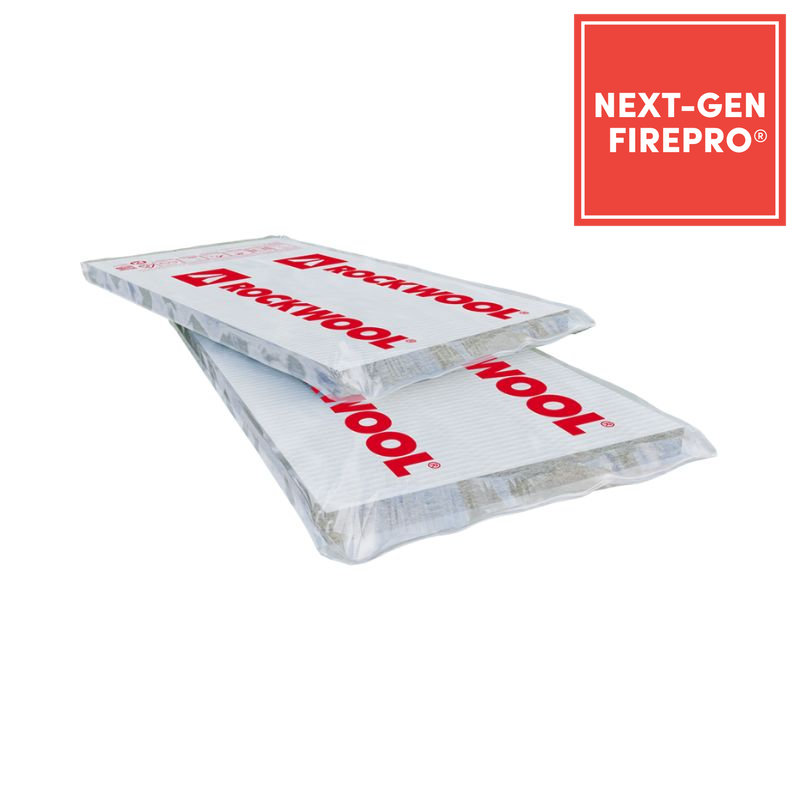
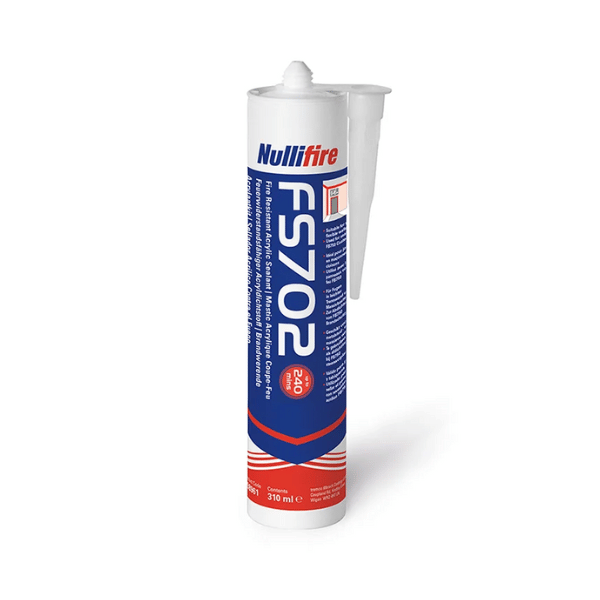
A serious yet often overlooked risk is combining products from different manufacturers, such as using Brand A’s sealant with Brand B’s fire batt.
It’s important to understand that manufacturers test their fire stopping products as complete systems, where each element is chosen, combined and evaluated to perform together under extreme fire conditions. This is where the problem with mixing brands begins.
What are fire stopping systems?
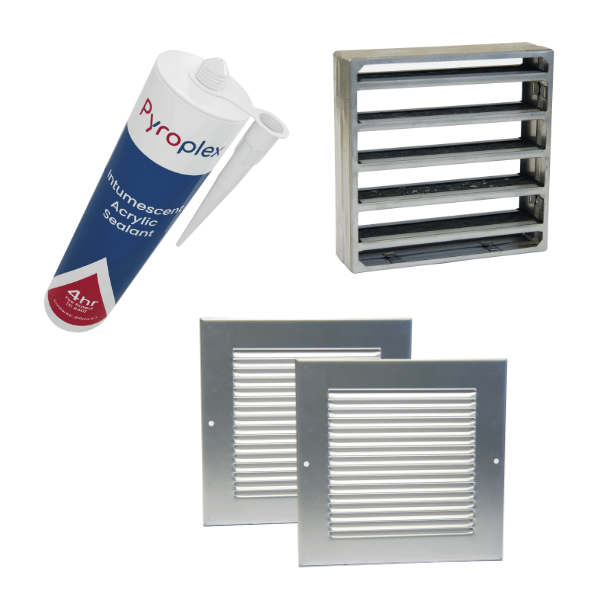
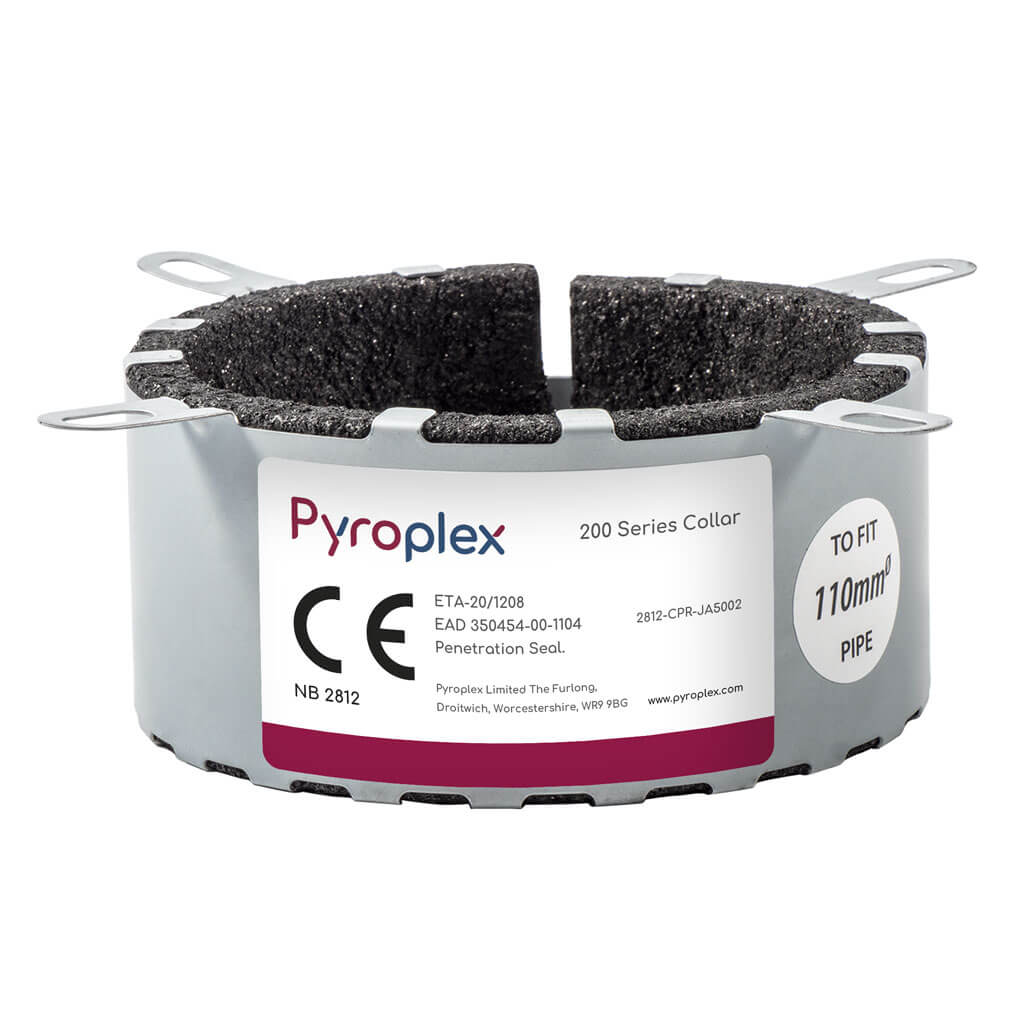
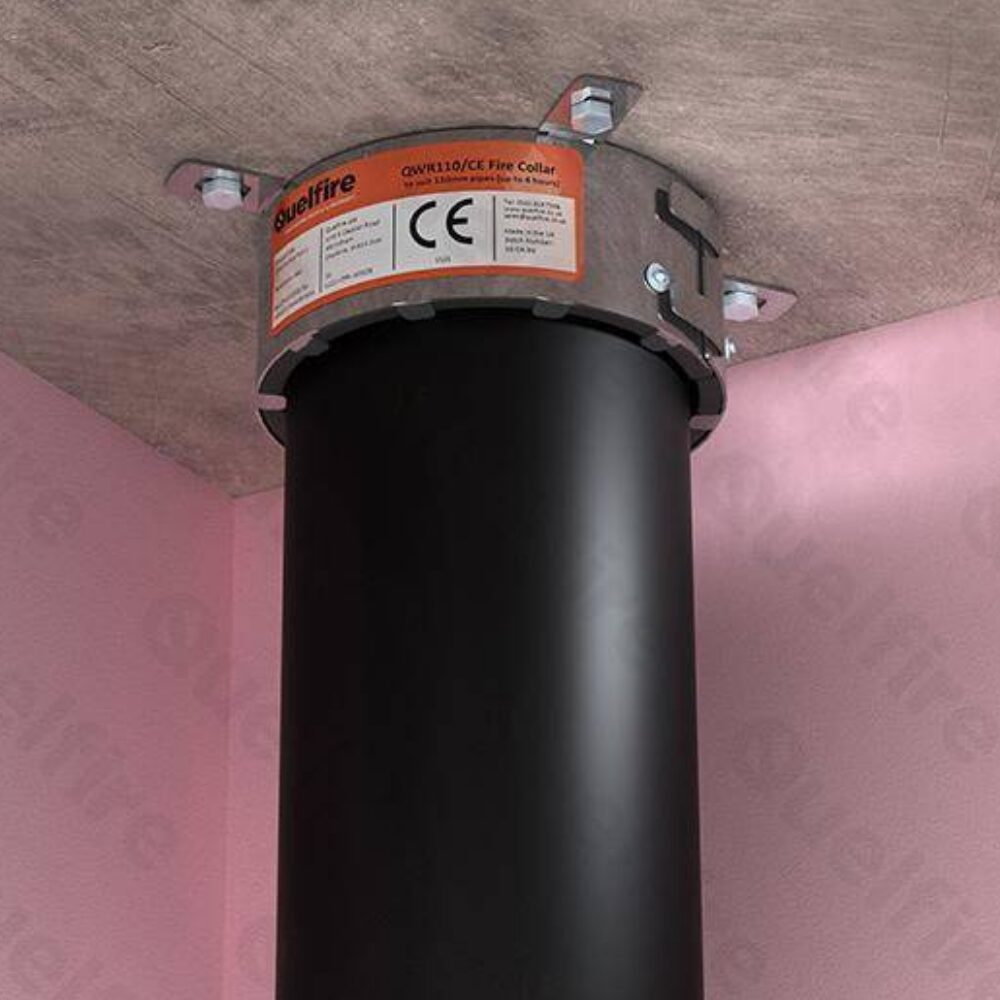
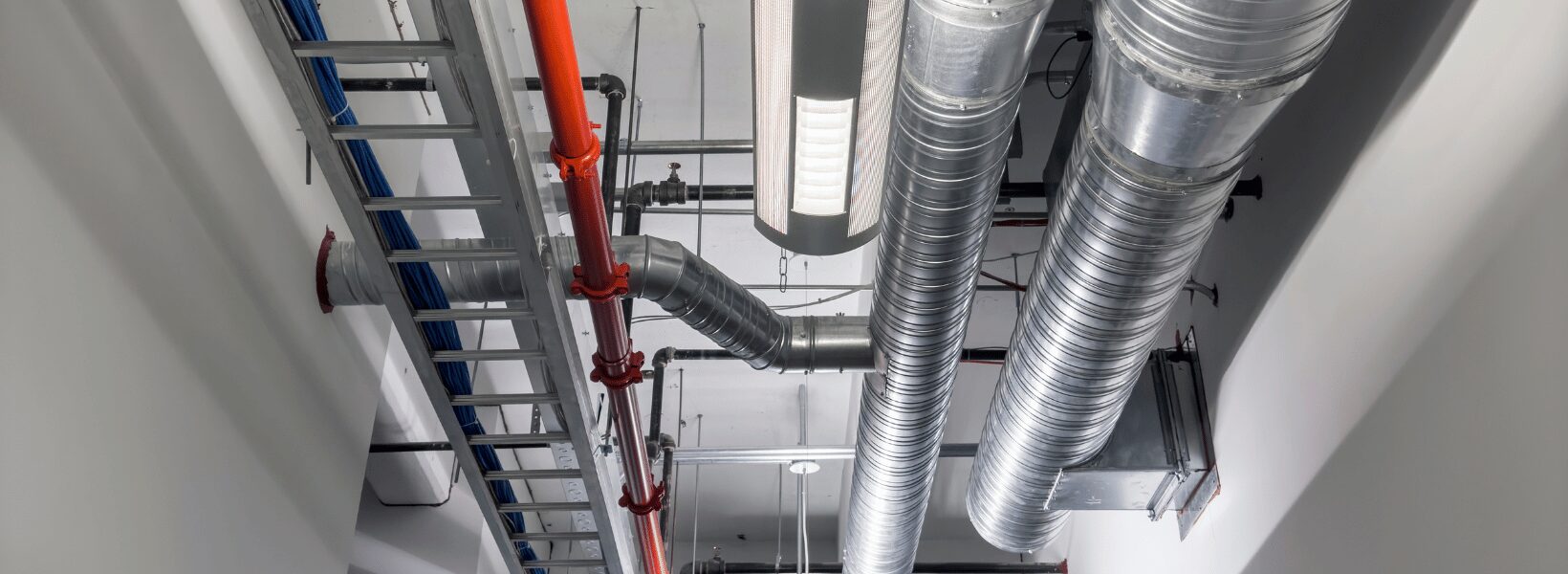
Fire stopping systems are used to seal joints and openings created by pipes, cables, ducts and other services that penetrate fire-rated walls and floors. These systems are rigorously tested for seamless compatibility whether used together or individually.
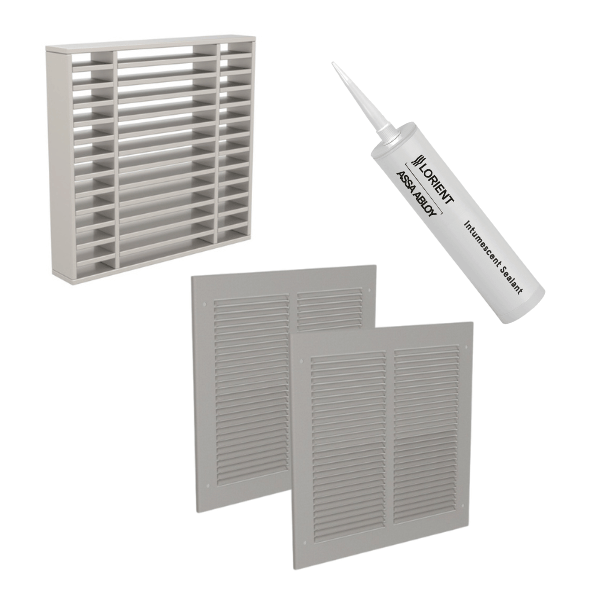
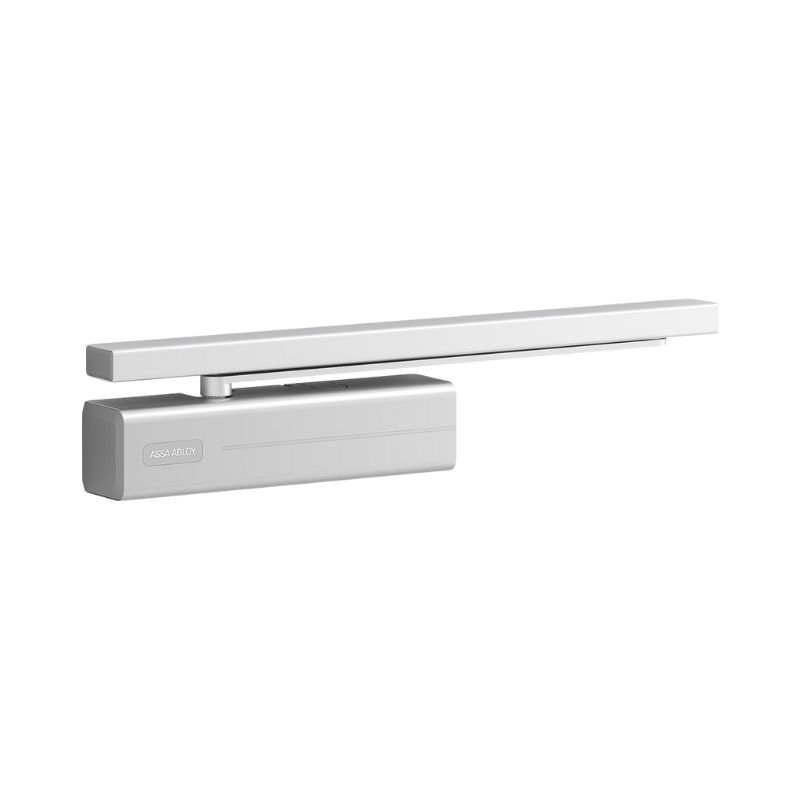
The components within a system can include:
Can you use fire stopping products from different manufacturers together?
Installers may assume that if two products individually have a fire certification, they should work together, however this is not how fire testing and certification works.
Fire stopping systems are certified in the configuration in which they were tested - including the specific combination of materials, installation method and surrounding construction details.
Here are the dangers associated with mixing brands in fire stopping systems:
Loss of certification and compliance
The moment you combine components from different manufacturers, you invalidate the test evidence and certification of the system. This can lead to non-compliance with UK building regulations, putting the people within the building at risk.
Unpredictable performance
Mixing products that haven’t been tested together introduces a level of uncertainty. Different brands may use materials that expand at varying rates or bond differently which creates a risk of failure, leaving gaps in the fire barrier. When seconds matter in a fire, these seemingly small issues can make a huge difference in containment and evacuation times.
Liability and legal consequences
If a fire were to occur and it’s discovered that mixed-brand fire stopping products were used, liability could fall on the installer, contractor or building owner. Insurance claims could be denied, fines imposed and legal action taken, particularly if it’s proven that corners were cut or installation guidelines weren’t followed.
Challenges with inspections
Fire inspectors and building control officers are trained to look for compliant systems that match approved details. When they encounter mixed-brand installations, they may demand reinstallation using a certified system which can delay projects and increase costs.
Why manufacturer guidelines must be followed
Every reputable fire stopping manufacturer provides detailed test evidence, data sheets and clear installation instructions. These guidelines are not merely recommendations, they are critical to ensuring that the system performs as intended under fire conditions.
By mixing brands, installers bypass this guidance and introduce untested variables into a safety-critical application.
How we can help
At FireSealsDirect we are a family business with 50 years of experience in fire protection solutions. We stock certified fire stopping products from trusted brands like FSi, Quelfire and Rockwool - each rigorously tested for performance and compliance.
Our experienced customer care team is on hand to help you choose the right products for your specific application. For expert advice, call us on 0292 085 7959 or email [email protected]
For more helpful guides on fire legislation, installation guides and more, visit our Advice Centre.