What is passive fire protection?
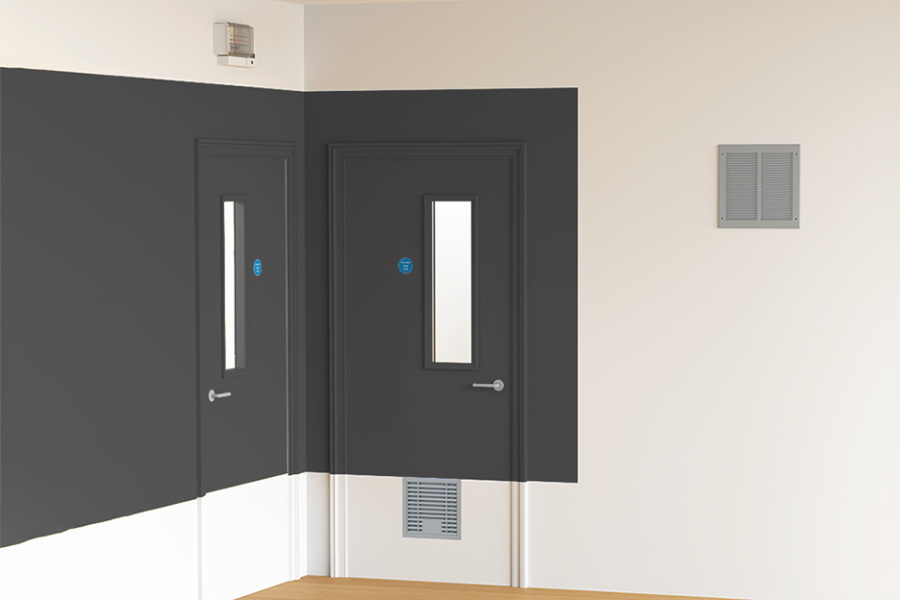
Passive fire protection is the practice of implementing fire resistance measures in order to prevent the spread of fire throughout a building. This is achieved through compartmentation, where fire compartments are created in a building, which slows down the spread of the fire. This is done using fire walls, floors and doors.
As passive fire protection systems slow the passage of fire through a building, this gives people more time to escape and also helps to limit the amount of damage done to the building.
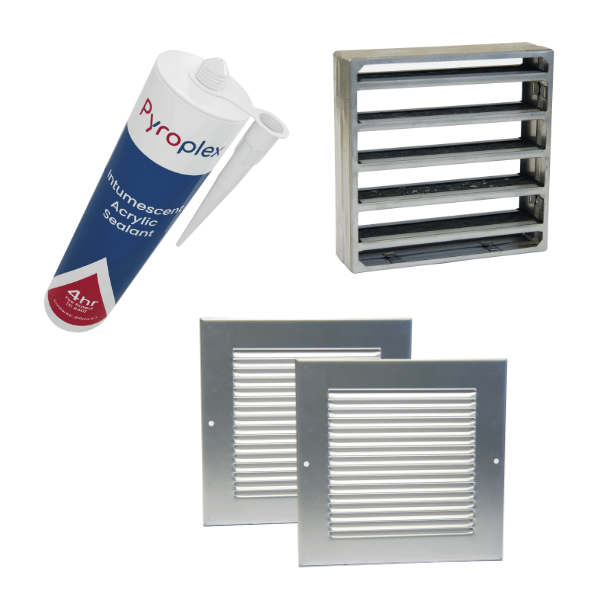
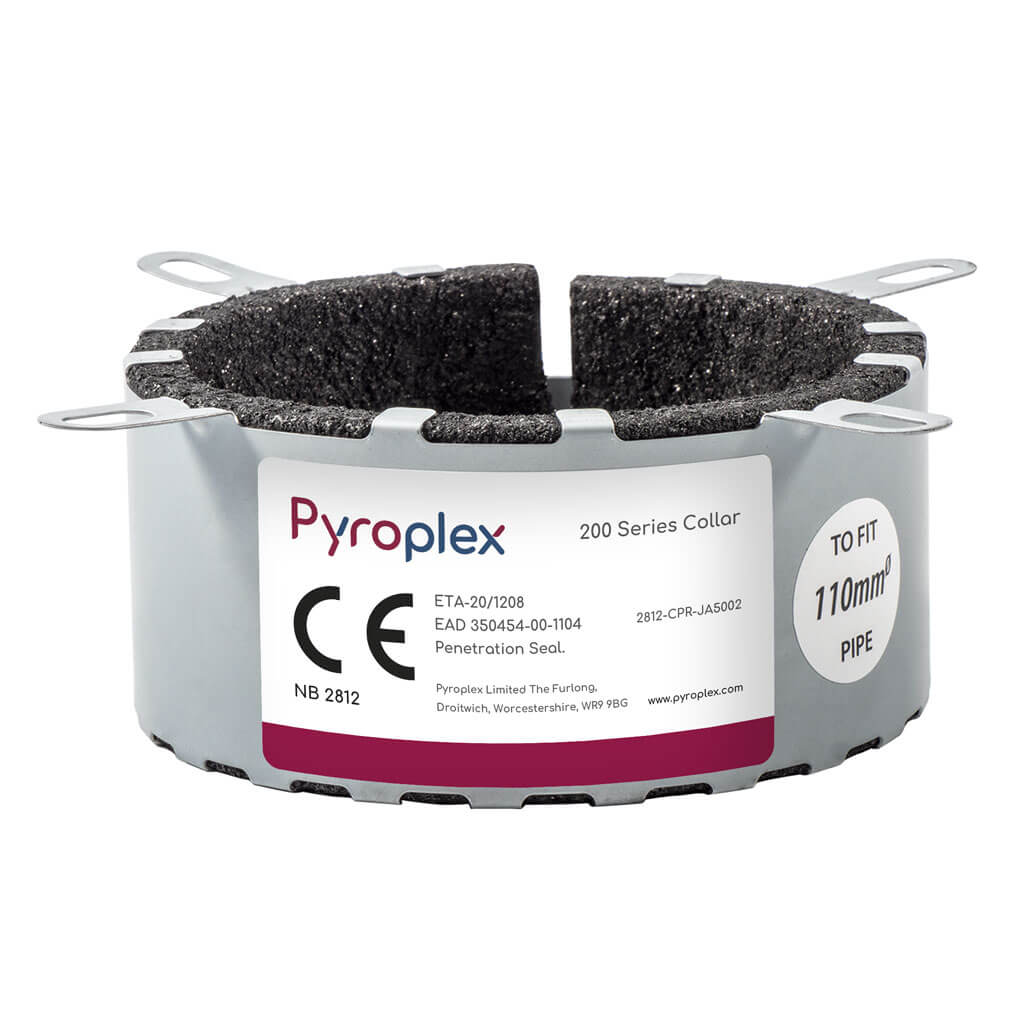
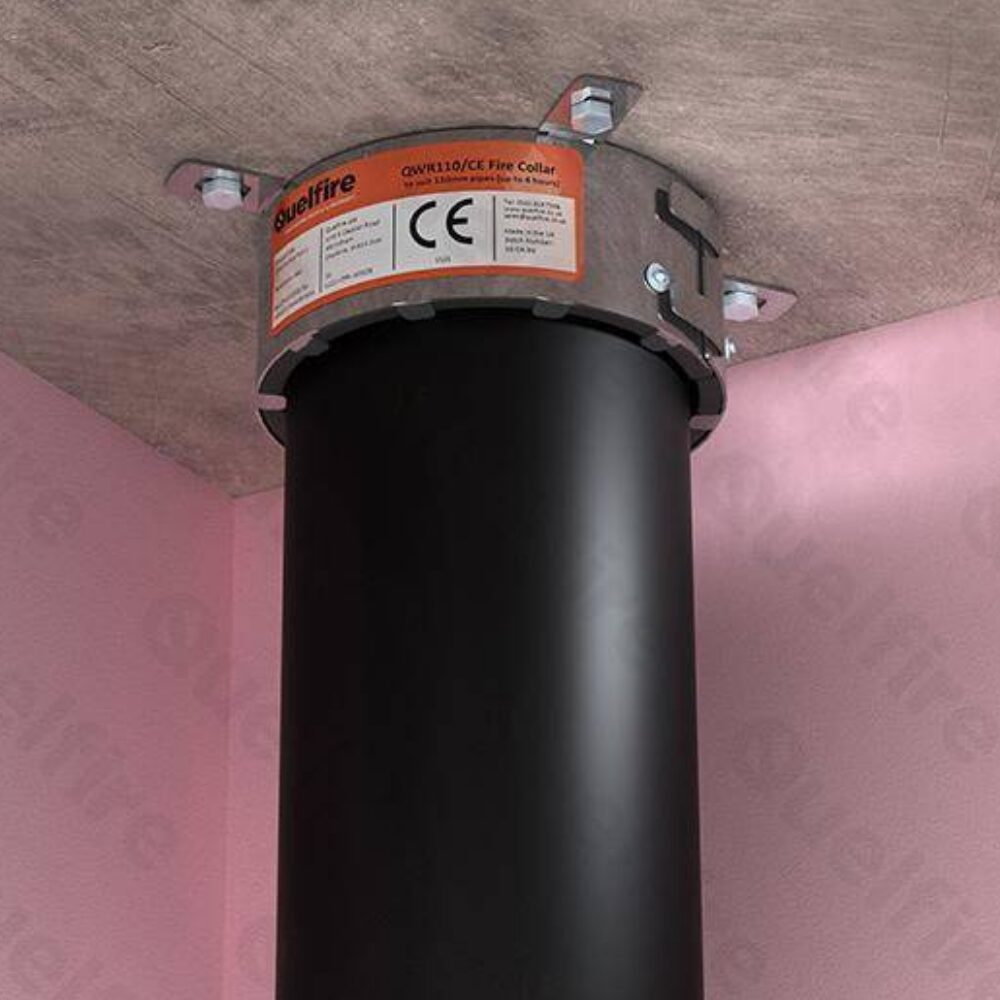
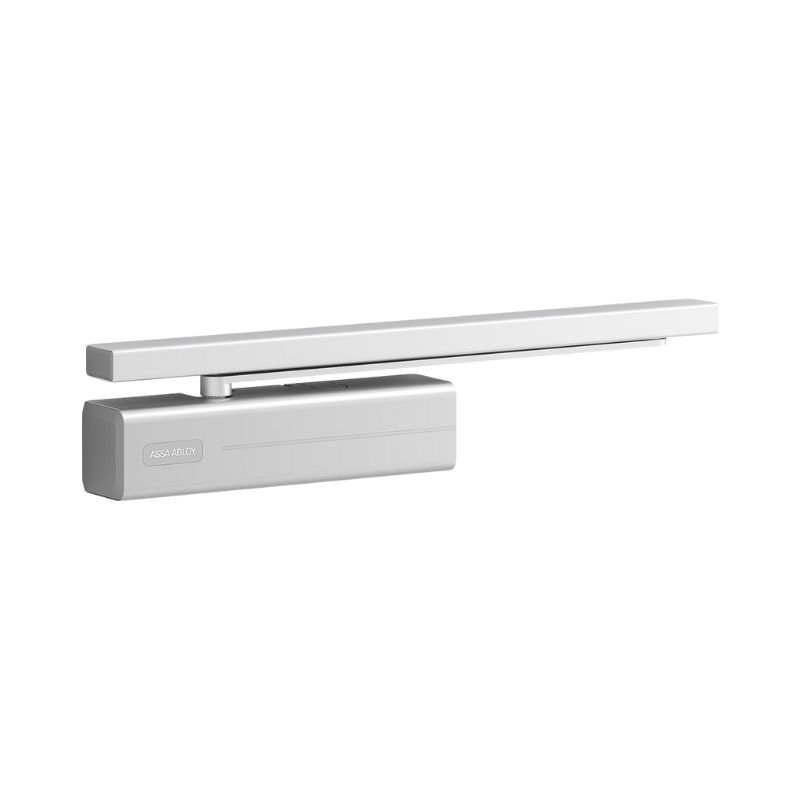
Examples of passive fire protection are:
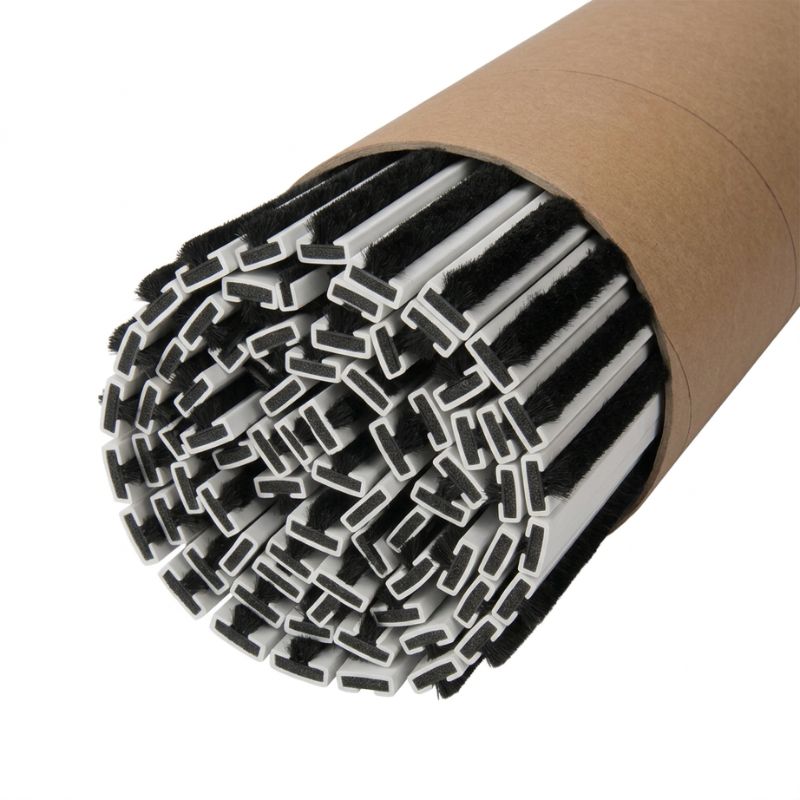
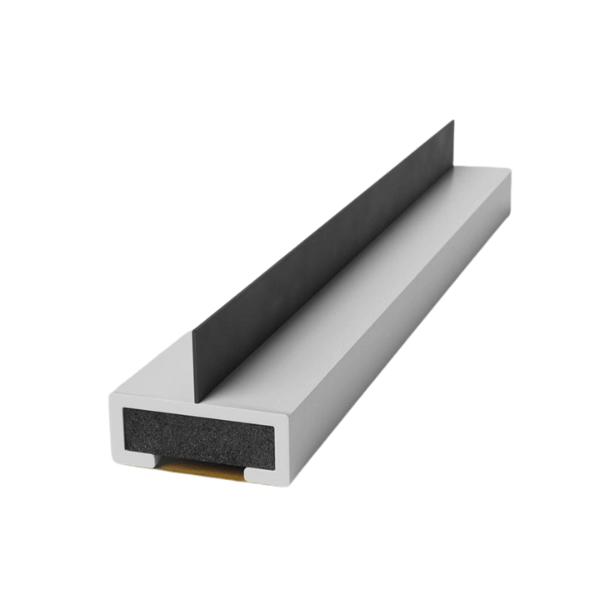
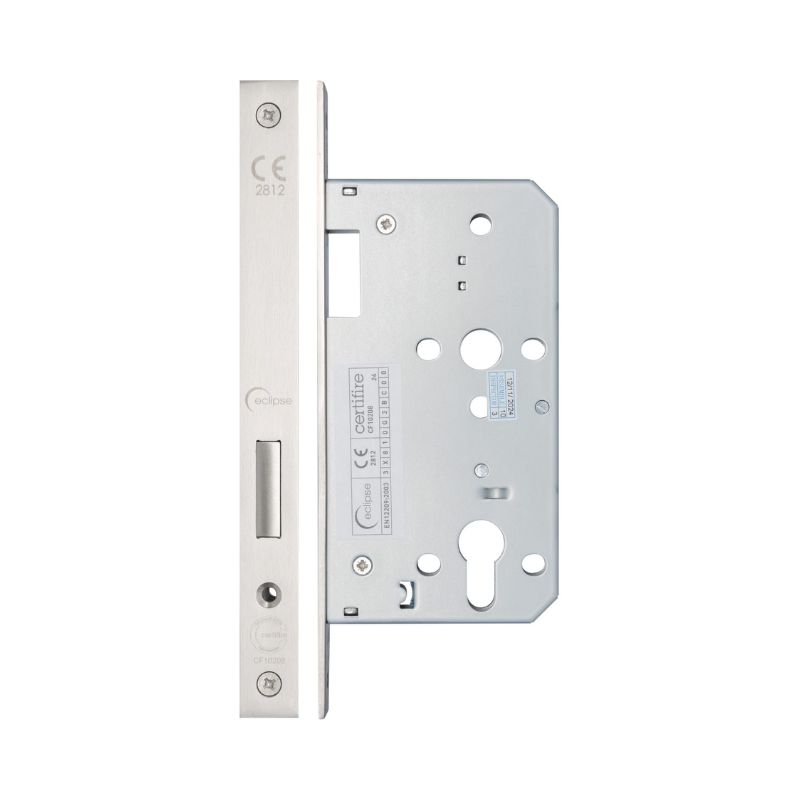
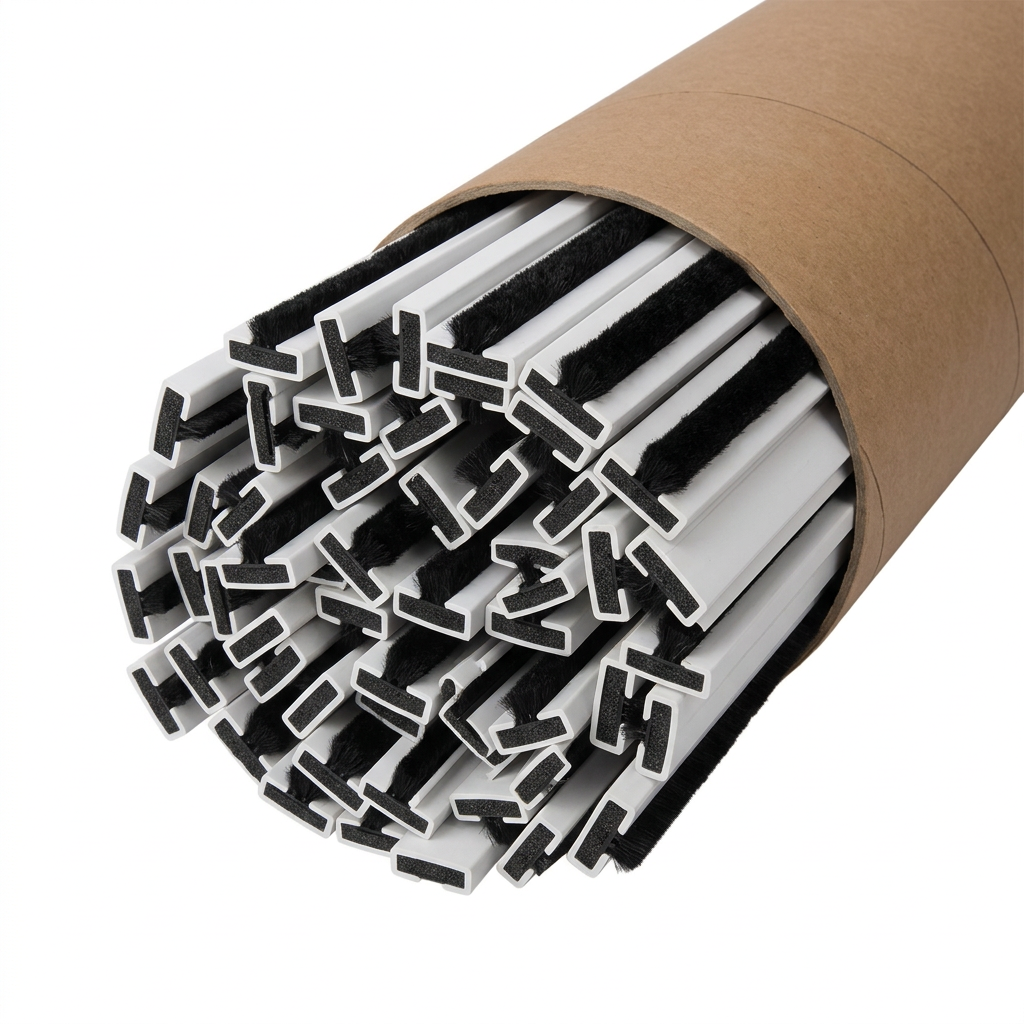
When installed correctly, and with the right components, a fire door should stop fire from passing through for a given amount of time.
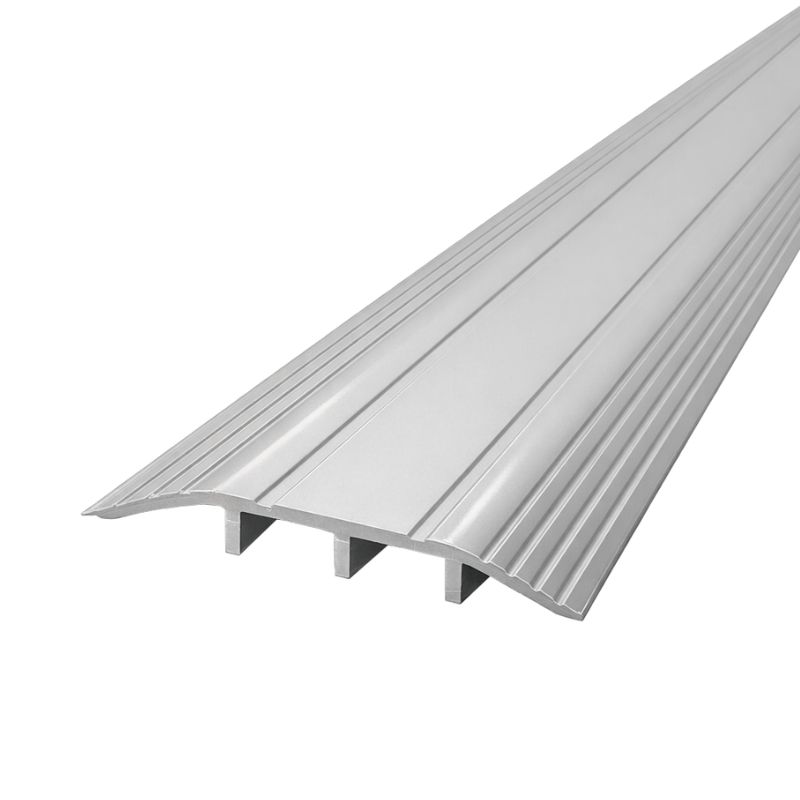
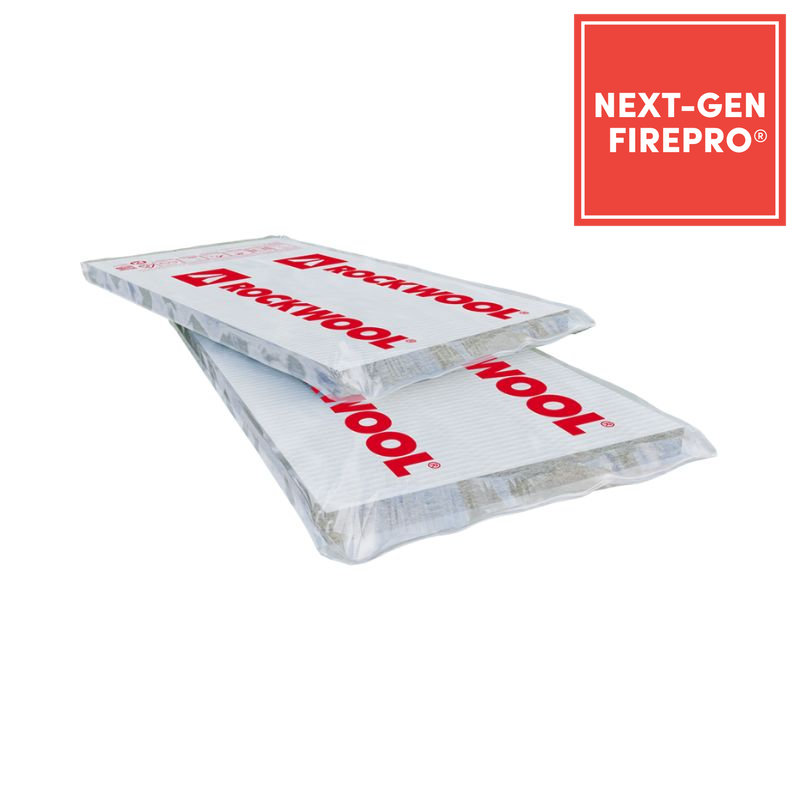
Similar to fire doors, fire walls and fire floors prevent the spread of fire through a building, so long as they’re maintained correctly.
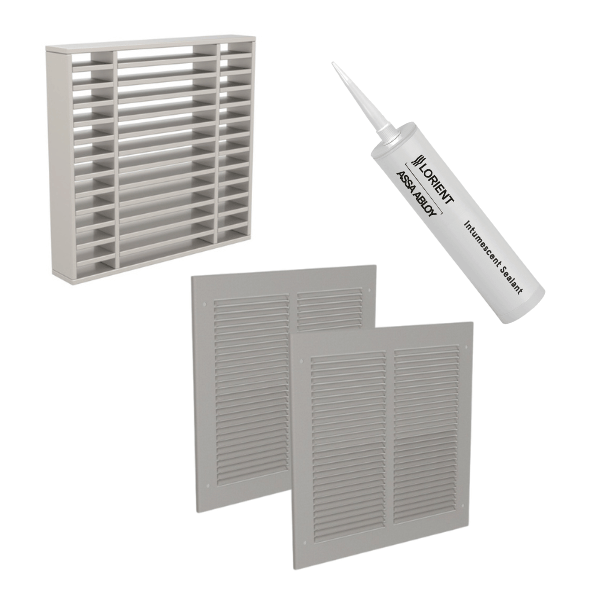
These are installed in ductwork used for heating or ventilation purposes where they will function normally, but in the event of a fire, they will help limit the spread of fire/smoke.
What is active fire protection?
Active fire protection is anything that requires some form of action or motion in order for a fire to be detected, alerted or stopped.
This can be either manual, in the form of someone using a fire extinguisher, or automatic - for example where sprinklers automatically turn on or a fire alarm goes off.
Examples of active fire protection are:
Properly functioning alarm systems detect fires early allowing people to evacuate the building.
Sprinklers are activated when they detect a fire and work to put the fire out.
A range of fire extinguishers are available depending on the type of fire in question.
Similarities and Differences
While both active and passive fire protection work to reduce the spread of fire in a building, allowing more time for individuals to reach safety, passive fire protection does not try to put the fire out at all. Instead, it works to contain the fire within the compartment and for it to not spread further throughout the building.
Passive fire protection also does not require any intervention on behalf of the individual in order to work when a fire breaks out.
Active fire protection, on the other hand, requires some sort of activation whether that’s automatic or manual to start working.
Passive and active fire protection are different fire safety strategies, and they should work together in the event of a fire, and not be used in place of one another. Both also require regular reviewing and testing to ensure they work effectively in the event of a fire.
How We Can Help
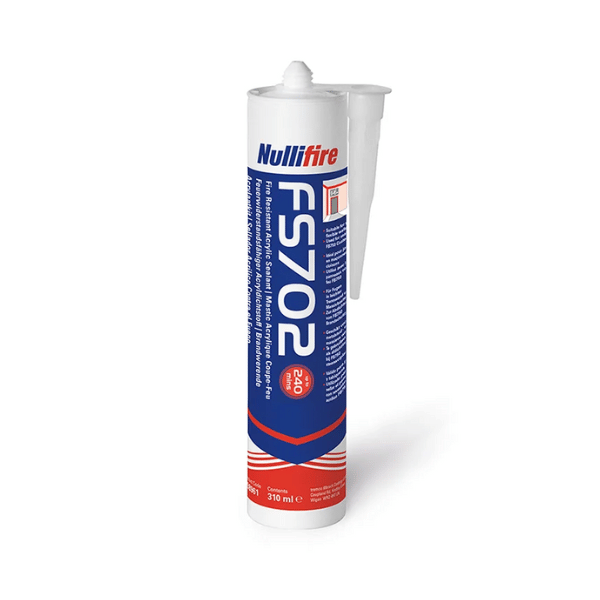
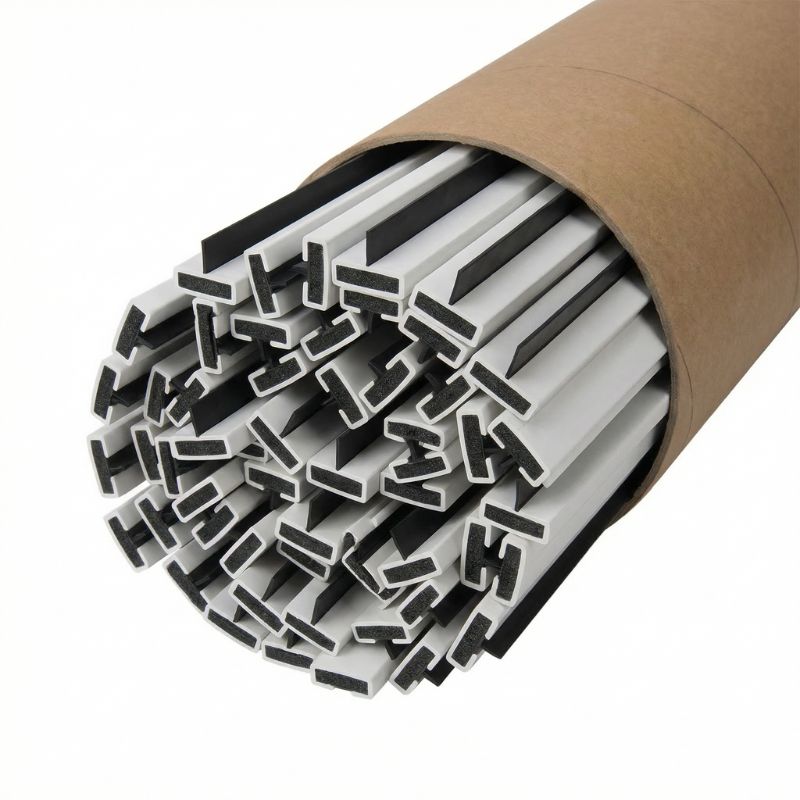
At FireSealsDirect, we’re experts in passive fire protection and stock a range of products needed for fire doors, walls and floors for a range of high-quality suppliers, including FSI, Pyroplex, Firefly, Eclipse and Lorient.
If you need any advice on the fire safety products you need for your project, get in touch with our expert team who will be happy to help you.