






Panic Hardware Guide
Learn about panic hardware, where it is installed & how it differs from emergency exit hardware. Get expert advice on the best solutions for your building.

Written by Rebecca
25th March 2025
Panic hardware is vital to ensure safe and efficient exit in public buildings. Whether you’re a building owner, facility manager or contractor, understanding the regulations is crucial for compliance and safety.
This guide covers key aspects of panic hardware, including installation locations, locking options and the differences between panic hardware and emergency exit hardware.
What is panic hardware?
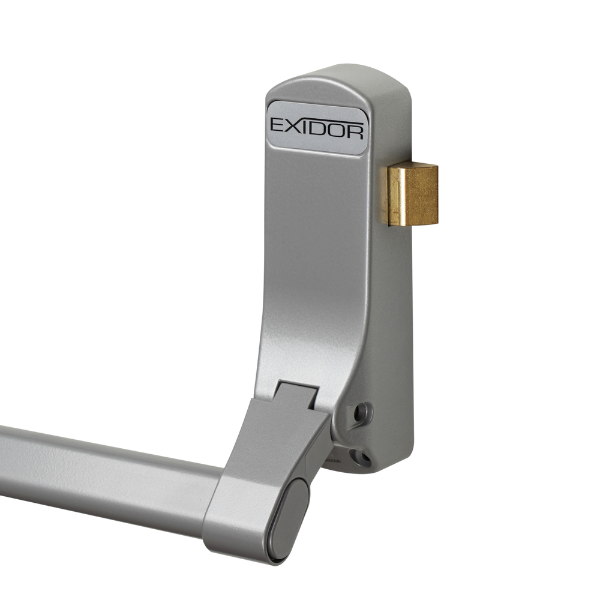
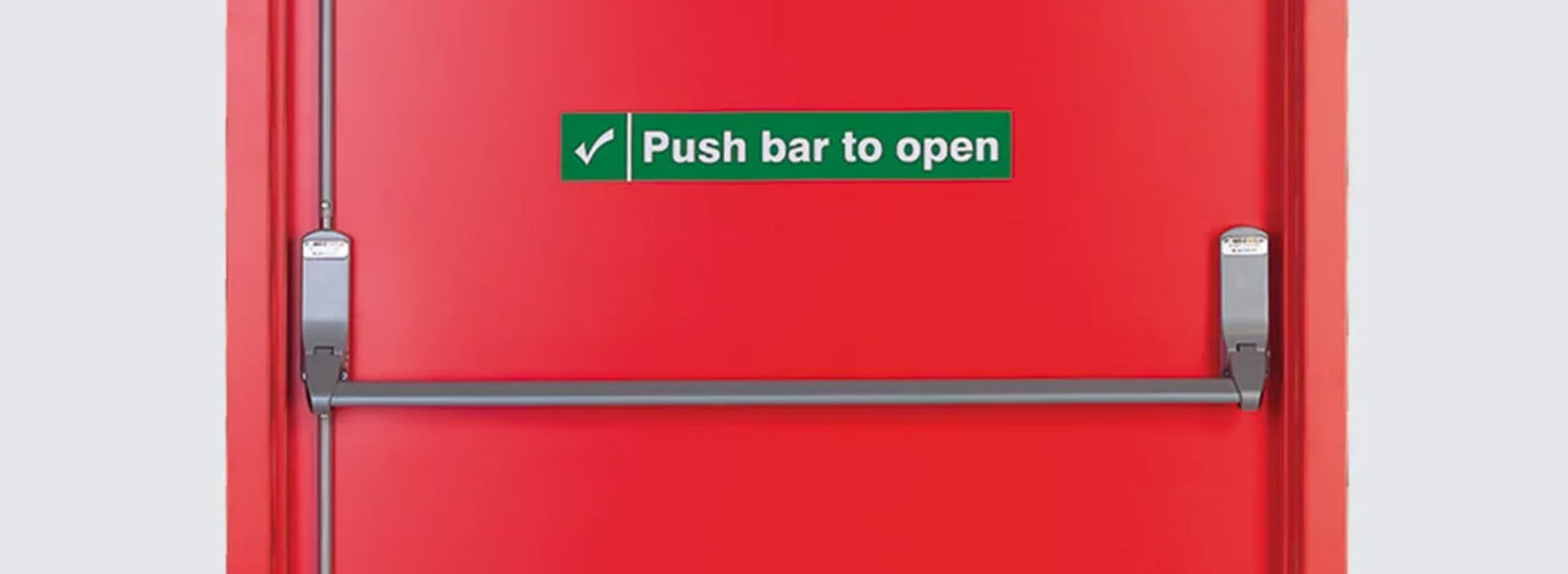
Panic hardware refers to exit devices installed on doors to allow quick and easy egress in an emergency. These devices are usually designed as push bars (also called panic bars or crash bars), which release the door latch with a single push action.
What is the British Standard for Panic Hardware?
The BS EN 1125 standard outlines the requirements and test methods for panic hardware devices operated by a horizontal bar on escape route doors.
A key principle of this standard is that panic devices must enable escape with “minimum effort and without prior knowledge of operation”. This makes them a critical component in public buildings where occupants are not familiar with the door operation.
The focus of hardware compliant with BS EN 1125 is ensuring a safe and efficient exit, rather than prioritising security.
Where can panic hardware be installed?
Panic hardware is most commonly installed on final exit doors or fire doors along escape routes in high-occupancy buildings, such as:
- Schools and universities
- Shopping centres
- Theatres and cinemas
- Sports stadiums
- Hospitals and healthcare facilities
They are life-saving devices that minimise the risk of injury or harm in high-pressure emergency situations such as a fire.
Find out more about where panic hardware is required.
Can you lock panic hardware?
Panic hardware is designed to always allow free egress, ensuring that occupants can exit a building at any time without restriction.
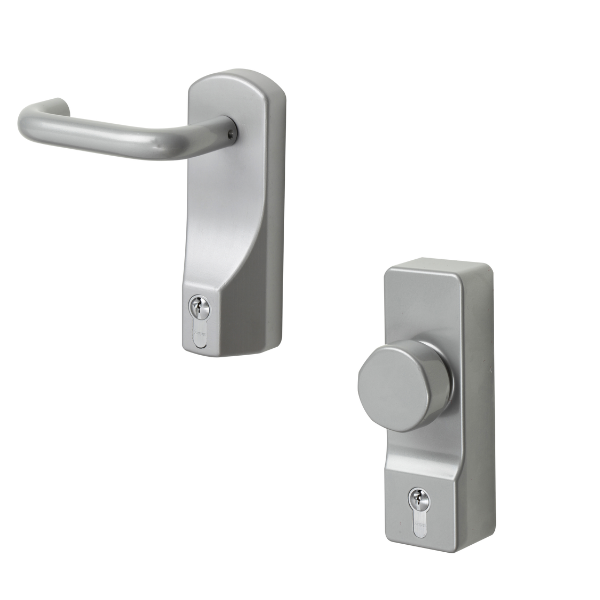
Certain locking mechanisms can be installed to control entry from the outside without compromising safety and security. For example, a mechanical outside access device such as a knob or lever with a key-operated lock, allows authorised personnel to enter the building from the outside, however they should never be locked from the inside.
It is essential that any outside access device is tested and certified for compatibility with the internal hardware, otherwise, it will not meet compliance requirements.
Do all exit doors need panic hardware?
Not all fire exit doors require panic hardware. This will depend on factors such as:
Occupancy type
Buildings where the public have access to the area must have panic hardware on designated exit routes and exits.
Fire risk assessments
Assessments determine whether panic hardware is necessary based on the expected occupancy and risk factors.
Building use
Exit doors in buildings with trained staff (e.g. small offices) may not need panic hardware but may require emergency exit hardware instead.
What is the difference between panic hardware and emergency exit hardware?
The key distinction between panic hardware and emergency exit hardware lies in the user expectations and building occupancy.
| Features | Panic Hardware (BS EN 1125) | Emergency Exit Hardware (BS EN 179) |
|---|---|---|
| User Knowledge | Designed for public use where users have no prior knowledge of the exit mechanism | Intended for staff or trained personnel familiar with the exit operation |
| Operation | Single-action push bar for immediate exit | Lever handle or push pad that requires knowledge of operation |
| Typical Applications | Schools, shopping centres, hospitals, leisure centres | Office buildings or warehouses with fewer than 60 occupants |
How we can help
At FireSealsDirect, we offer a wide selection of high-quality panic and emergency exit hardware from the trusted brand Exidor, renowned for their durability, reliability and compliance with safety standards.
Our expert team are on hand to provide guidance on choosing the right hardware for your building’s safety and security needs.
Contact us via live chat, email [email protected] or give us a call on 02920 857 959.
For helpful guides on fire legislation, installation instructions and more, visit our Advice Centre.
Related Articles

What Is A Fire-Rated Access Panel?
Discover the different types of fire-rated access panels, where to install them...
Read more

A Guide to the Regulatory Reform (Fire Safety) Order 2005
Read our guide on the Regulatory Reform (Fire Safety) Order 2005. Find...
Read more
Do I Need a Fire Safety Certificate?
Find out if your business needs a fire safety certificate & how...
Read more