



How to Fit an Internal Fire Door
Internal fire doors are designed to help slow down the spread of fires through a building. Read our guide to learn how to install them.

Written by Rebecca
21st June 2023
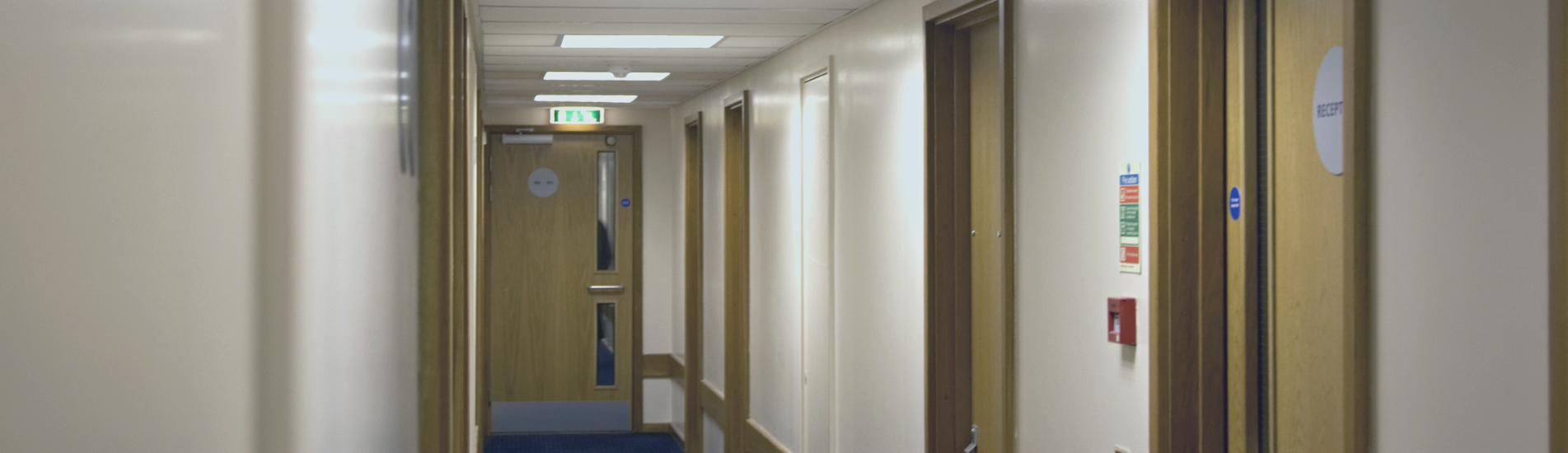
Fire doors are designed to compartmentalise a building in order to delay the spread of fire and smoke, allowing time for people to evacuate safely in a fire emergency.
Internal fire doors are an incredibly important part of a building's passive fire protection system, and should never be overlooked as just a typical door.
When installed correctly and inspected and maintained regularly, fire doors can save lives.
It is critical that there are no defects or missing components within the fire door system which can compromise the door’s performance, putting lives at risk - a factor that contributed to the vast spread of fire in the devastating Grenfell Tower disaster.
In this blog post, we’ll take a closer look at what internal fire doors are, why they are a vital part of a building, and how to install them.
What are internal fire doors?
Internal fire doors are typically made up of fire-resisting materials like particle board and timber. They have a solid core that is at least 44mm thick, specifically constructed and tested to withstand fire for a period of time - most commonly either 30 (FD30) or 60 minutes (FD60).
They must be labelled and have proof of performance by a third party certification to either BS 476 Part 22 or BS EN 1634-1 standards.
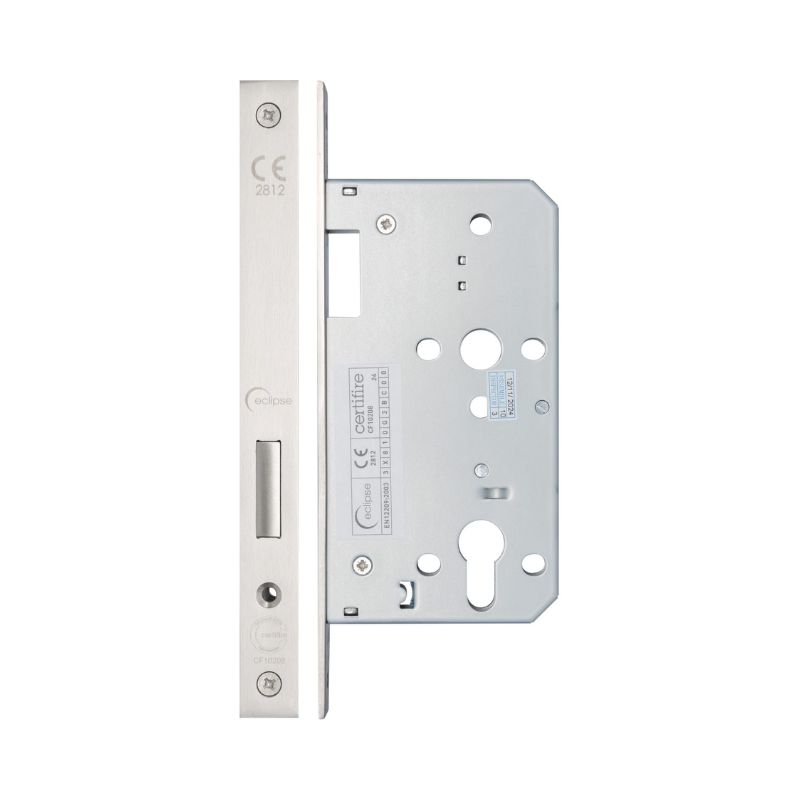
It is important to note that these tests are carried out on complete door assemblies and so it is essential that all internal fire doors also feature the relevant fire door hardware to achieve compliance and reach expected performance in the event of a fire.
Why are internal fire doors important?
A correctly fitted internal fire door will limit the spread of fire and smoke throughout a building, protecting people, its contents, and enabling emergency services to tackle a well-contained blaze.
In accordance with Regulatory Reform (Fire Safety) Order 2005, all commercial and multi-occupied buildings, including schools, hospitals, and residential apartments, are required to install internal fire doors throughout. The same applies to domestic dwellings with three or more stories i.e a loft conversion, and garages that lead to habitable spaces.
A building's internal fire doors are positioned in areas that require protection, such as stairwells and hallways, in order to ensure that evacuation routes remain clear for the building's occupants. They also safeguard vulnerable people who may need to stay put until the fire brigade arrives, which is why they are so important in high-rise buildings.
How to install internal fire doors
The installation of an internal fire door is a complex process and should only be carried out by an accredited fire door fitter or professional joiner who understands the responsibilities of fitting the door correctly.
Below we’ve outlined the steps to take to install an internal fire door leaf.
Please note it is essential that the door also features any necessary complementary components such as intumescent strips and drop down door seals. We have added links to installation instructions of these items later on.
Materials needed
The materials you need will depend on the door leaf and compatible components. However, the common tools you will need are:
- a screwdriver
- A drill
- A gap gauge checker
- A chisel
- A measuring tape
Preparing the door frame
- Ensure the frame is suitable, supporting the weight of the door, and remains undamaged.
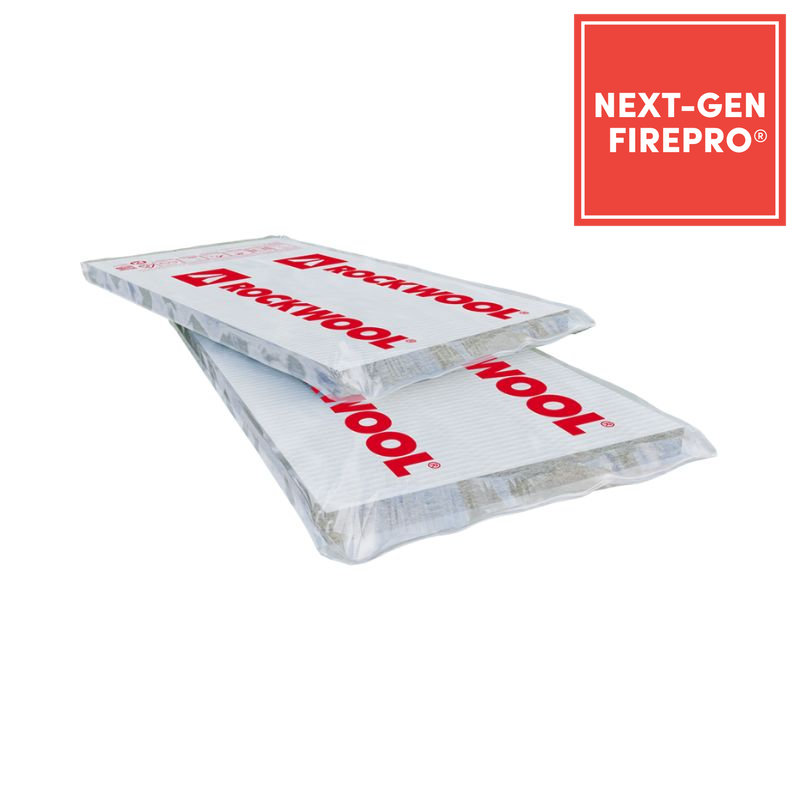
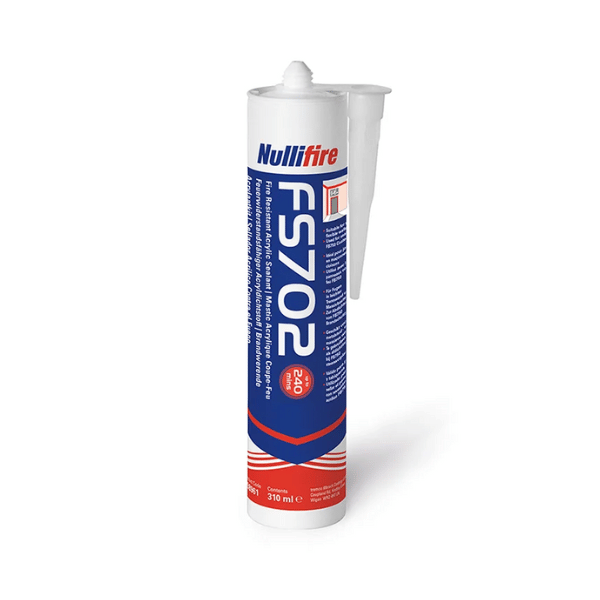
- If there are any adjustments to be made to the door frame you must do this before installing the hinges, ensuring any small voids between the door frame and wall are tightly packed with Fire Rated Packers and fire stopped correctly.
- Make sure the door sits in the frame with a 2-4mm gap around the sides and top. If the door needs trimming down it should only be done so according to the manufacturer's instruction manual.
Find out how much you can trim off your fire door.
Installing the hinges
- A minimum of three CE marked fire-rated hinges are required on each door to prevent warping.
- Intumescent hinge pads are to be used to maintain the integrity of the door.
- Measure and mark out on the new door where the existing hinges and lockside/keeper elements were assembled on the pre-existing door frame. Then, attach the hinges to the door.
Find out in more detail how to install fire door hinges.
Fitting the door
- Carefully and accurately screw the door into position - we advise two people to perform this task.
- Check that the fire door moves freely to open and close effectively, fitting snug into the frame.
Door closer
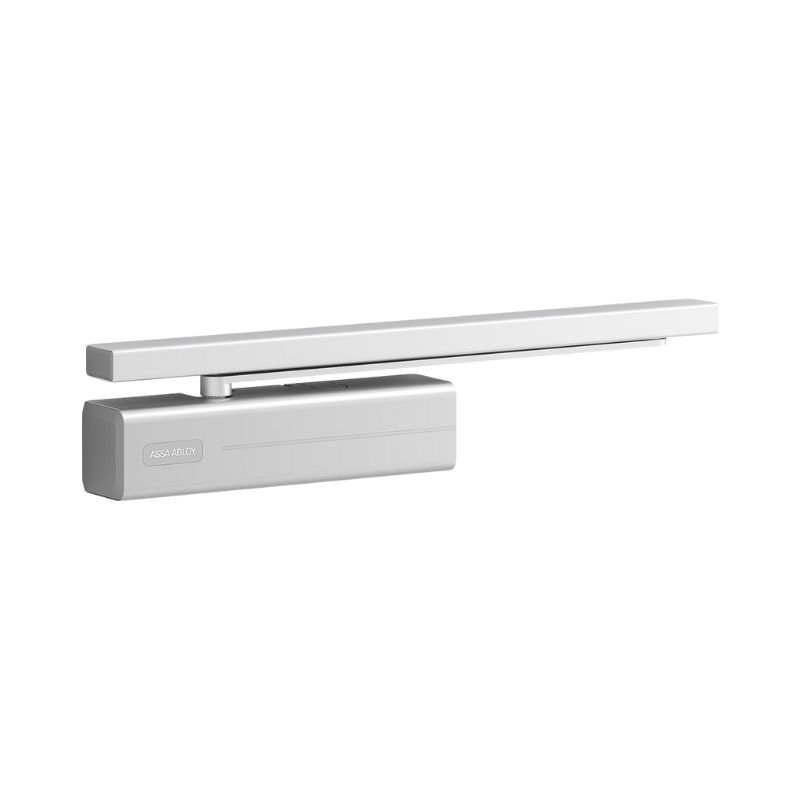
Fire doors can only work properly when they are closed and so door closers are a legal requirement in most circumstances.
When choosing between the different types, it is important to consider all of the factors involved. The environment in which the door closer will be used is the most important consideration, but other factors such as weight and usability should also be taken into account.
As previously outlined, the door closer you use must be listed in the door’s user manual.
Find out how to install a door closer.
Installing fire door hardware components
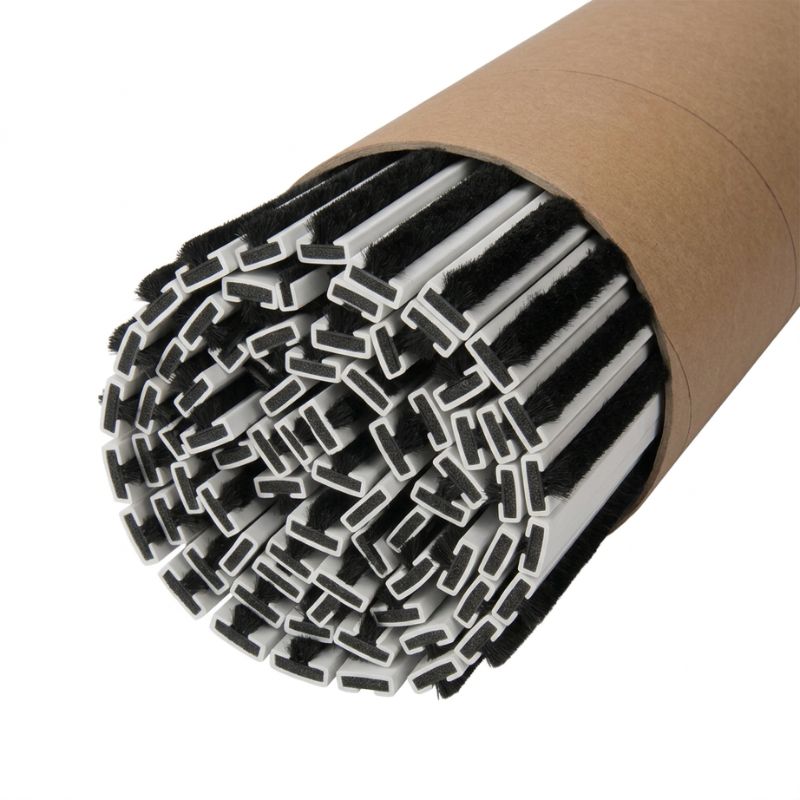
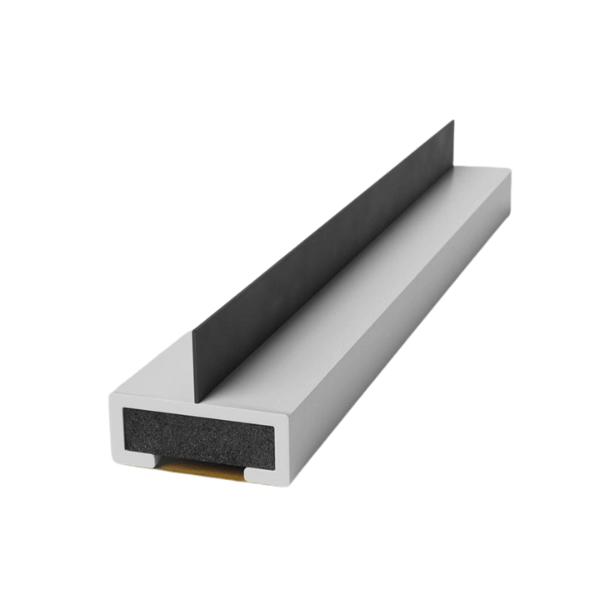
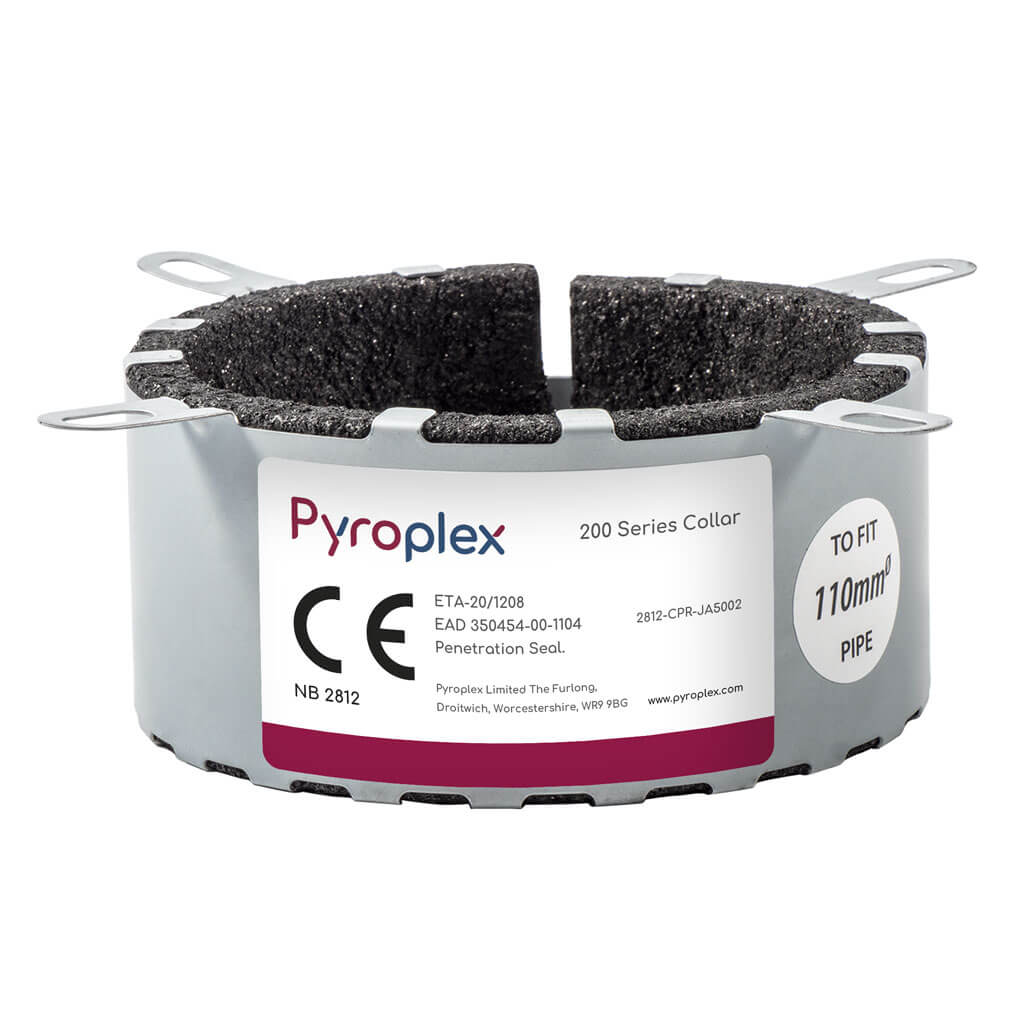
The fire door leaf is just one of many components that make up a fire door system. All internal fire doors require intumescent seals that expand when exposed to extreme heat, thus sealing the gap between the door and frame.
Find out how to fit intumescent strips and smoke seals.
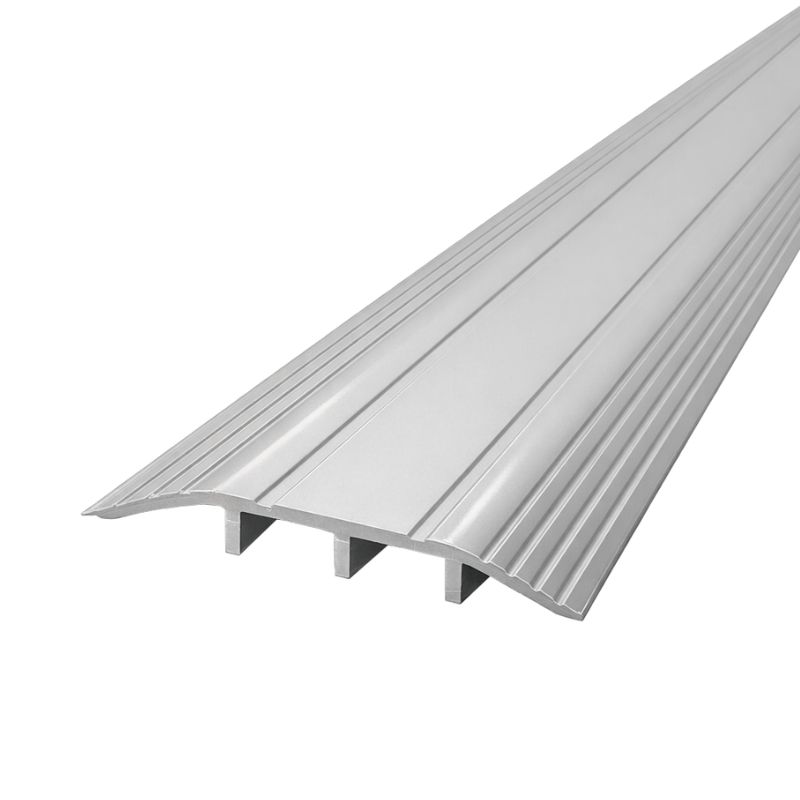
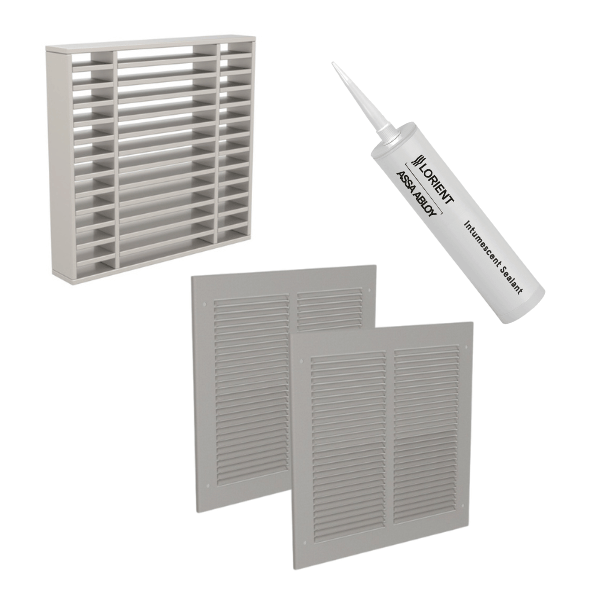
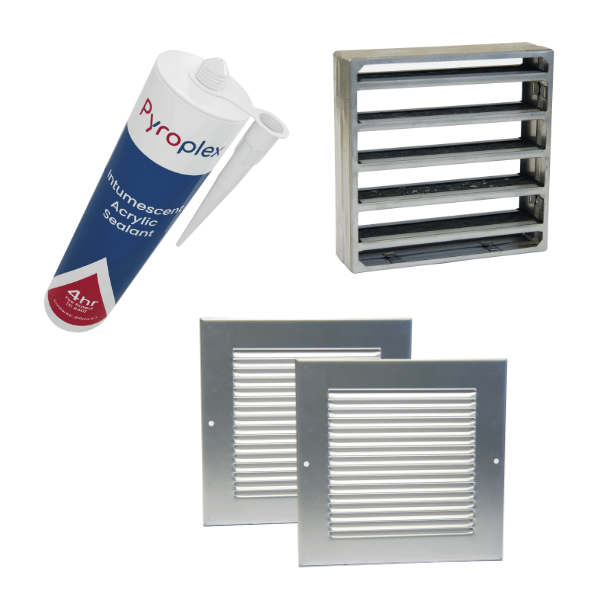
Some fire doors may also require drop down door seals or intumescent air transfer grilles.
How to fit a drop down door seal.
How to fit an intumescent grille.
Other elements such as door furniture are also important and these must be compatible with the door leaf in accordance with the manufacturer's documentation.
The consequences of not fitting the right fire door components in line with the door’s specification will invalidate the certification, and could be catastrophic.
If you need any advice on which fire door components you need for your project or renovation, or if you have any questions about our products, please don’t hesitate to get in touch with our Technical Team.
Related Articles

How Often Should a Fire Risk Assessment Be Reviewed?
We often get questions about how often you should review a fire...
Read more

Your Questions Answered About Fire Protection
We often get questions about passive fire protection, so we’ve put together...
Read more

Where To Start with Passive Fire Protection
Looking to learn more about passive fire protection? We’ve broken down everything...
Read more