



How To Firestop Service Penetrations
Learn how to effectively firestop service penetrations to maintain compartmentation, meet regulations and improve fire safety in your building.

Written by Rebecca
31st July 2025
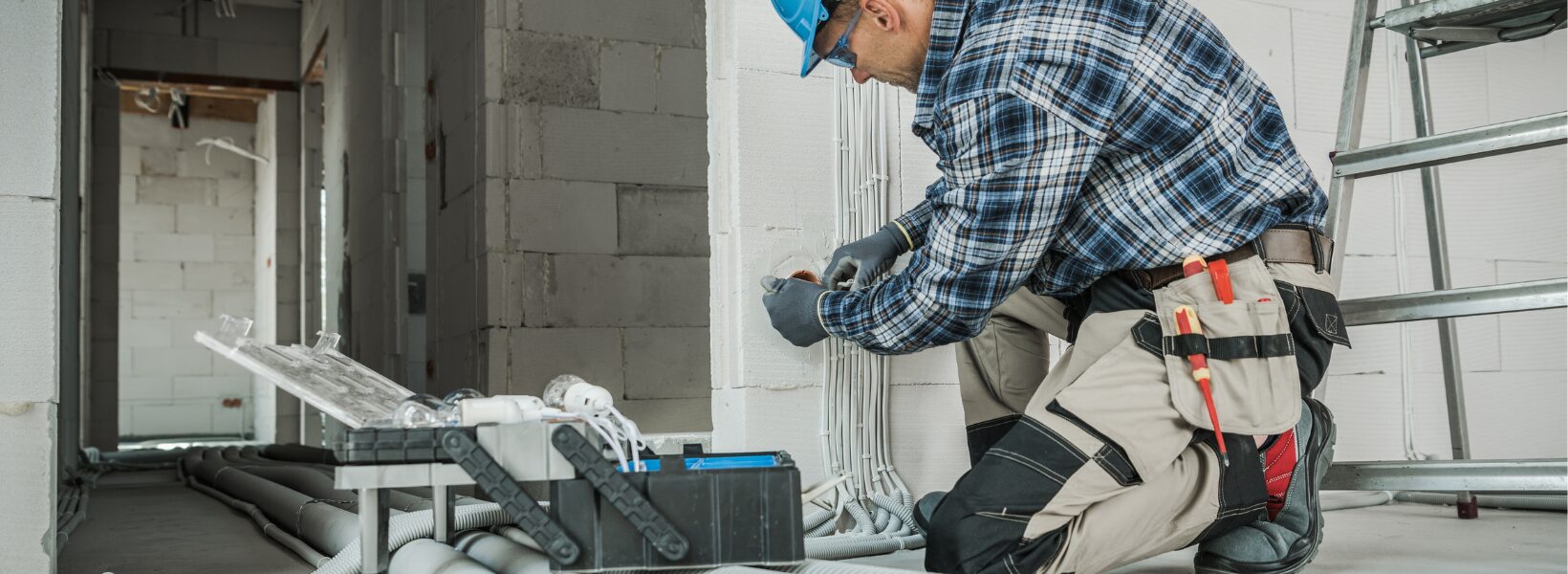
When it comes to passive fire protection, one of the most critical considerations is how to effectively fire stop service penetrations. These are the gaps and holes created in walls, floors and ceilings to allow for the passage of services like electrical cables, pipes, ductwork and data cabling. Left unsealed, these openings can compromise compartmentation and allow fire, smoke and toxic gases to spread quickly throughout a building.
This blog explores the most common and effective ways to firestop and seal service penetrations, highlighting key methods and regulatory considerations to ensure compliance and safety.
What is fire stopping?
Fire stopping refers to the use of specially designed materials and systems to reinstate the fire resistance of a wall, floor or ceiling after it has been penetrated. Without adequate fire stopping, the integrity of the fire barrier is compromised or rendered void, potentially putting lives and property at risk in the event of a fire.
Fire stopping products such as fire mastics, collars and batts are tested to strict standards to ensure they can effectively contain fire and smoke for a specified duration, helping maintain safe evacuation routes and aiding fire service access.
Regulatory guidance such as the Regulatory Reform (Fire Safety) Order 2005 and Approved Document stresses the importance of using tested, approved solutions and ensuring correct installation by competent individuals to meet legal fire safety obligations.
Common types of service penetrations
Before exploring the methods of fire stopping, it’s useful to understand the types of services that often require sealing:
- Electrical conduits
- Cable trays
- Plastic pipework
- Ductwork for HVAC systems
- Data cables
Each of these requires a tailored fire stopping solution based on the material and size of the penetration.
Methods of firestopping and sealing penetrations
Intumescent Pipe Collars and Wraps
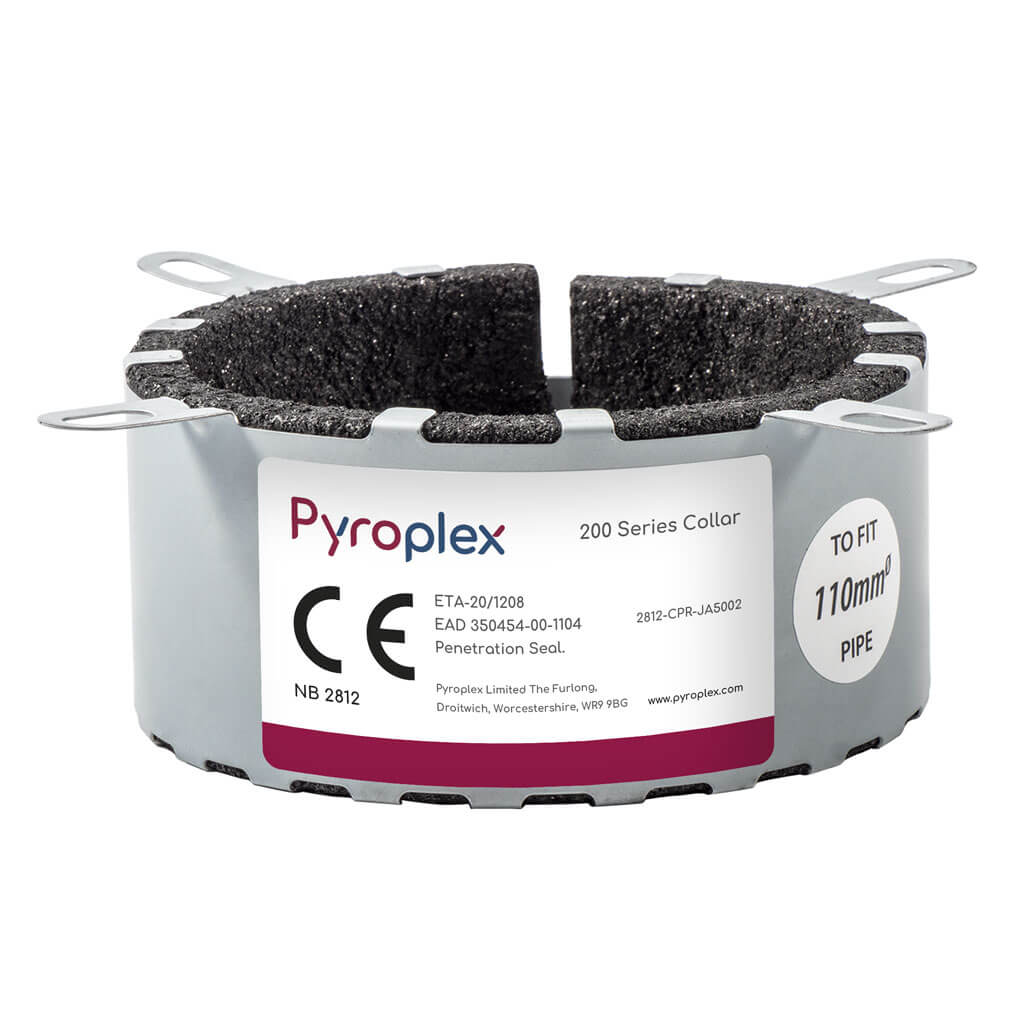
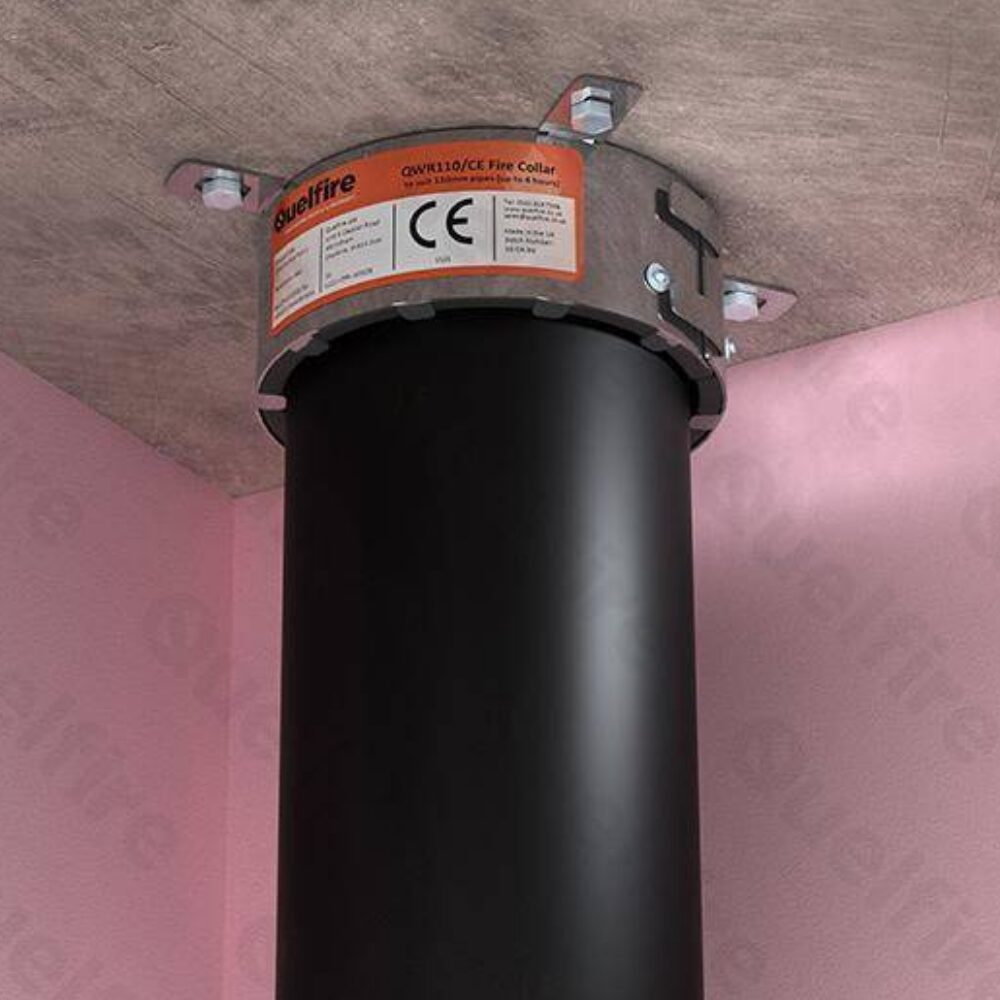
For plastic pipes, intumescent pipe collars and wraps are among the most effective solutions. In the event of a fire, the intumescent material expands to seal the softened or melted plastic pipe, preventing fire and smoke from passing through the gap.
- Pipe collars are surface-mounted around the pipe and fixed to the wall or floor.
- Pipe wraps are fitted around the pipe within the penetration and encased in mortar or compound.
These are commonly installed around combustible pipes such as PVC, PE and other thermoplastic pipes.
Find out more about the differences between pipe collars and wraps in our YouTube video.
Intumescent Sealant and Mastic
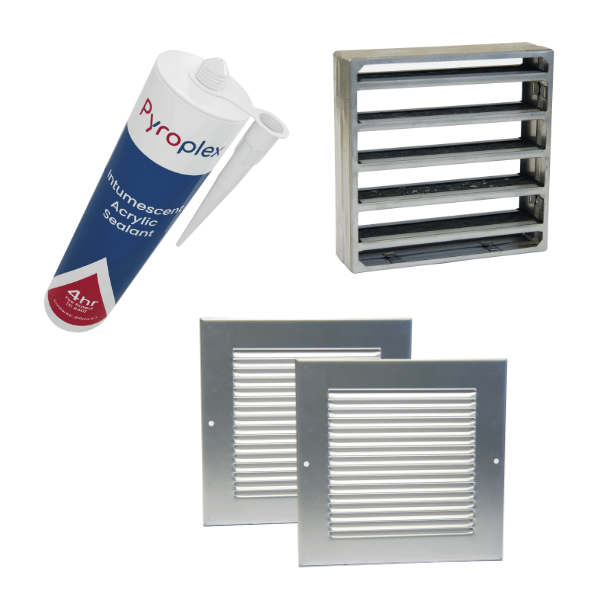
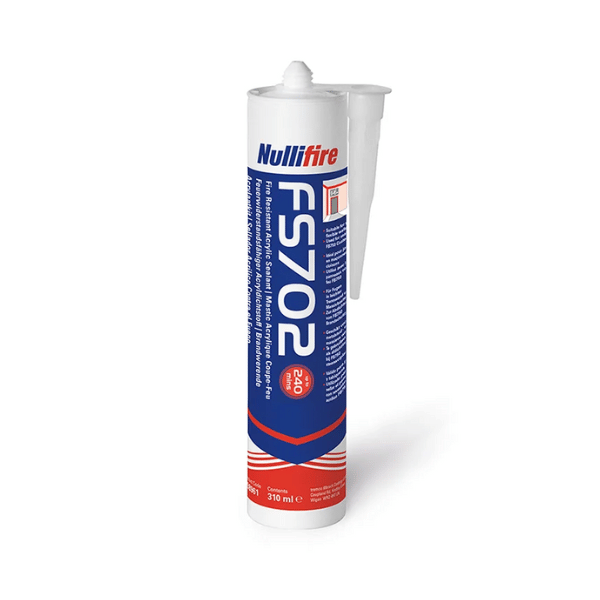
Intumescent sealants and mastics are often used to seal small gaps around cables, pipes or other minor penetrations. These products are easy to apply and can provide excellent fire, smoke and acoustic sealing when used in accordance with manufacturer guidance.
Intumescent sealants are typically used:
- Around individual cables or small bundles
- As part of a tested system with other fire stopping components
Always ensure the sealant is compatible with the substrate and has the appropriate fire performance certification, such as BS EN 1366-3:2009 - the standard for testing the fire resistance for penetration seals in service installations.
Compound
Compound is used to seal larger penetrations or where multiple services run through a single opening. Once mixed and applied, it sets to form a solid, fire-resisting barrier.
Key benefits include:
- High strength and load-bearing capabilities
- Suitable for complex or large installations
- Simple installation
Compound is frequently combined with other products, such as pipe wraps, to form a complete and effective fire stopping system.
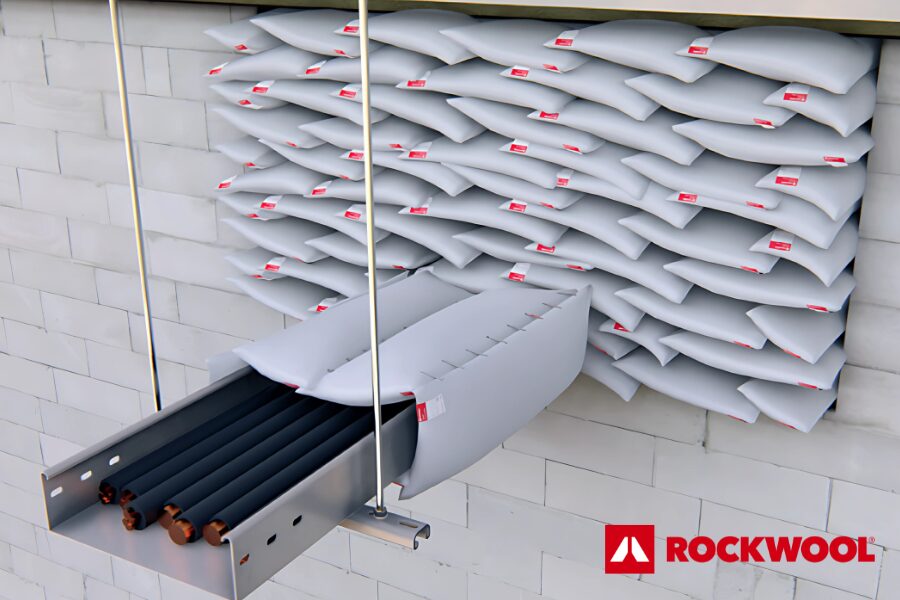
Intumescent pillows
Fire pillows offer a flexible, temporary solution for sealing larger openings, particularly where frequent changes to services might be expected (e.g. data centres or plant rooms).
These are inserted tightly into the opening and expand under fire conditions to form a seal.
Advantages:
- No drying or curing time
- Reusable and repositionable
- Quick to install and remove
They are particularly useful during maintenance or for areas requiring adaptable fire stopping.
Fire batts
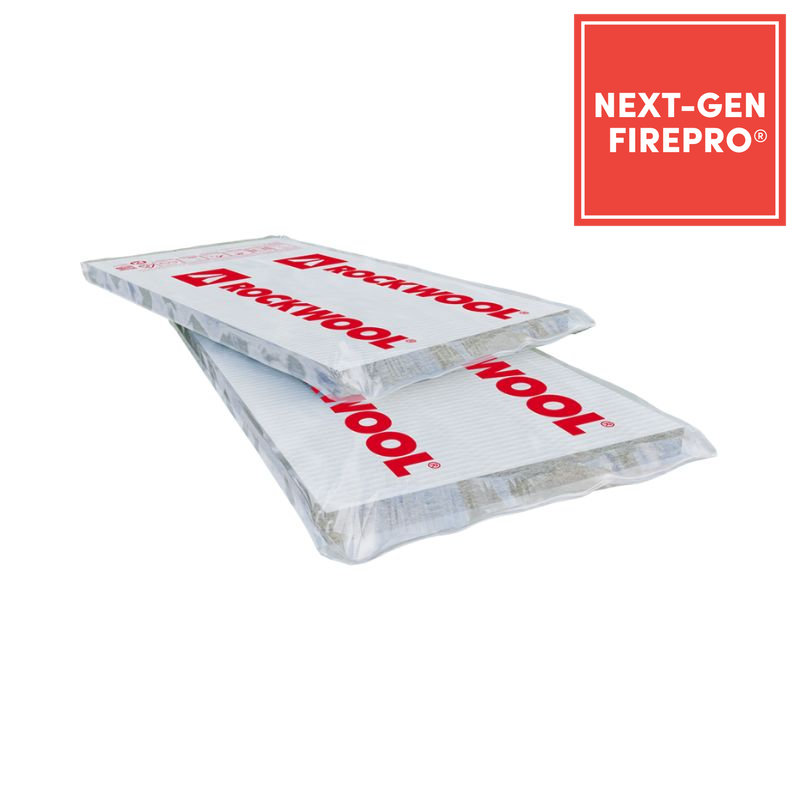
Fire batts, also known as ablative-coated batts, are a widely used and versatile solution for sealing larger service penetrations, particularly where multiple services pass through a single aperture. These mineral wool slabs are coated with a fire-resistant ablative layer that helps resist the spread of fire and smoke.
Advantages include:
- Excellent acoustic and thermal insulation in addition to fire protection
- Easy to cut and install on-site
- Can be friction or pattress fitted
Key Considerations for Compliance
Use tested systems
Always choose fire stopping solutions that are part of a tested system for the specific application.
Find out about the dangers of mixing brands in fire stopping systems.
Correct installation
Even the best product won’t perform if installed incorrectly. Follow manufacturer instructions and ensure trained personnel carry out the work.
Inspection and maintenance
Service penetrations should be regularly inspected as part of an ongoing fire risk assessment, especially in buildings where services or the layout is frequently altered.
With a wide range of solutions available, there’s a suitable method for nearly every situation, whether you're sealing around a single pipe or managing complex multi-service penetrations. Choosing the right products and installing them correctly is key to maintaining compartmentation and ensuring your building meets the highest standards of fire safety.
How we can help
We offer a wide range of high-performance fire stopping solutions from trusted brands such as FSi, Quelfire, Rockwool and Nullifire.
Need help choosing the right solution? Our expert customer care team are here to assist you with any queries about fire-rated products or fire safety requirements. Get in touch using our live chat feature, call us on 02920 857 959, or email us at [email protected].
Alternatively you can visit our Advice Centre which contains helpful guides and information.
Related Articles
Intumescent Fire Pillows Explained
Discover how intumescent fire pillows offer reliable fire-stopping in locations requiring ongoing...
Read more
What Is The Difference Between Fire Integrity and Fire Insulation?
Discover the key differences between fire insulation and fire integrity, and why...
Read more

What Are the Fire Safety Regulations for Airbnbs in the UK?
Discover key fire safety regulations for Airbnb's and other short-term lets, including...
Read more