



How To Adjust A Fire Door Closer
It is important to regularly check and adjust a fire door closer to ensure it meets health and safety requirements. Read our guide to learn more.

Written by Esme
19th July 2022

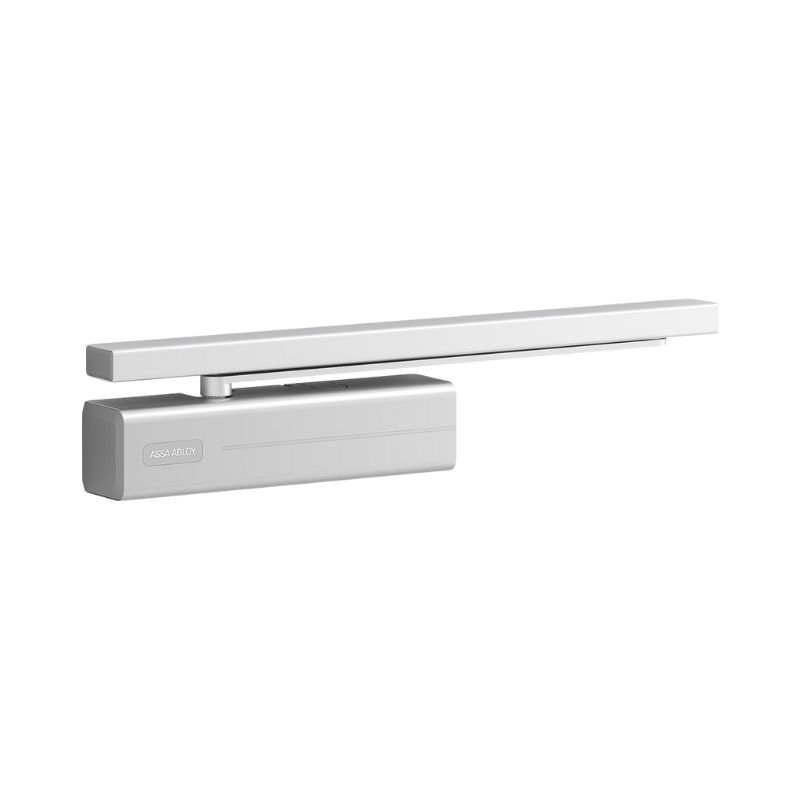
A fire door closer is an important component of any fire safety system. By helping to ensure that fire doors close quickly and securely, they can help to prevent the spread of fire and smoke.
Most door closers are adjustable, allowing them to be fine-tuned to meet the specific requirements of a building and its environment. This flexibility is especially important in high-traffic areas, on heavier doors or where environmental factors such as air pressure might affect door performance.
In this blog, we’ll explore the adjustable features commonly found on fire door closers, explain how each function works and discuss the regulations on how fast a fire door must close.
Do fire doors require self closers?
In commercial, industrial and residential properties, the majority of all fire doors must be fitted with a self-closing device to comply with current fire safety regulations. Without a door closer, there is the risk that a fire door will be left open, rendering it ineffective in the event of a fire.
The only exception applies to domestic dwellings, where fire doors in single-occupancy homes—such as those leading to loft conversions—may not always require a self-closing device, as traditional overhead closers have raised aesthetic concerns among homeowners and are therefore not mandatory. However, concealed door closers are becoming an increasingly popular and discreet alternative which we would recommend in these scenarios.
It’s essential to refer to the relevant fire safety guidance for your specific property type to ensure full compliance.
Do commercial fire doors require a closer?
In commercial properties, fire doors with automatic closers are crucial for ensuring safety. With high foot traffic, multiple entry points and complex layouts, fire safety becomes even more critical.
Without a door closer, fire doors may not fully close after use, creating gaps for smoke or flames to spread. This is particularly dangerous in larger buildings where fire can spread quickly, putting more people at risk and causing greater damage.
By automatically ensuring the door closes securely each time, commercial fire doors with closers contribute to a safer, more secure environment for businesses, employees and visitors.
Features of a door closer
One of the key benefits of modern fire door closers is their adjustability. Most models offer various settings that allow you to tailor the door’s closing speed, latching action and resistance to suit the unique requirements of a particular building or door location. Some door closers have more adjustments than others, so it’s important to check your requirements against the door closer specification details.
Backcheck
Backcheck is an important feature that provides resistance if the door is pushed open with too much force or if the door is caught in the wind. The backcheck will slow the door down before it reaches the fully open position, which helps to protect the door and its hardware.
This can be useful if the door opens into a wall or glass as it reduces the likelihood of the door striking the object, however we would also recommend installing a door stop.
Sweep
The second controlled part of the closing cycle refers to the speed at which the door closes, this is often referred to as the ‘sweep.’
The valve inside the door closer can be adjusted to increase or decrease the speed of the sweep or “closing speed”. It is important to make sure that the door closes with enough speed to latch properly but slow enough that it isn’t a hazard or risks damaging the door itself.
Latching speed
The final part of the door closer refers to the final few degrees of the door closing and is known as the ‘latching speed.’ The door closer can be set to move the door slightly quicker than the closing speed so that it doesn’t meet any problematic resistance when latching fully closed.
How do you adjust a fire door closer?
How to adjust the closing speed
- To increase the door’s closing speed, turn the speed valve anti-clockwise.
- To slow the door down, turn the speed valve clockwise until it moves at a satisfactory pace.
How to adjust the latching speed
- If the door is latching too quickly, turn the latching valve clockwise to reduce the speed.
- If the door is not latching fully, turn the valve anti-clockwise to increase the speed. Avoid turning too far to prevent the door from slamming shut.
How to adjust the power
- If more force is needed to overcome the latch or intumescent seals, increase the power by turning the power adjustment function clockwise using an Allen key.
- If the door is too easy to open or affected by wind or air pressure, turn the power adjustment clockwise to increase resistance.
- If the door is stiff to open, turn the power adjustment anti-clockwise to decrease the power.
By following these simple steps, you can ensure that your fire door closer is functioning properly and helping to keep your building safe.
How fast should a fire door close?
The closing time for a fire door should fall within a range of three to 25 seconds from a 90-degree open position to fully closed. This time frame ensures there is sufficient time for safe user passage without posing a risk.
It is down to the site’s ‘Responsible Person’ to determine the appropriate closing time, based on a thorough risk assessment and the specific needs of the building’s users.
Regular testing and maintenance are vital to ensure the door closer operates effectively, in compliance with BS EN 1154 standards.
How we can help
While it is important to have fire door closers, it is also important that they are adjusted correctly in order to ensure the safety of everyone in the building. It is also good practice for property owners and managers to have their fire door closers inspected and adjusted on a regular basis.
If you have any questions about our comprehensive range of door closers, or if you need help with the installation or adjustment of your closer, please contact our team on 02920 857 959 or email [email protected].
Related Articles
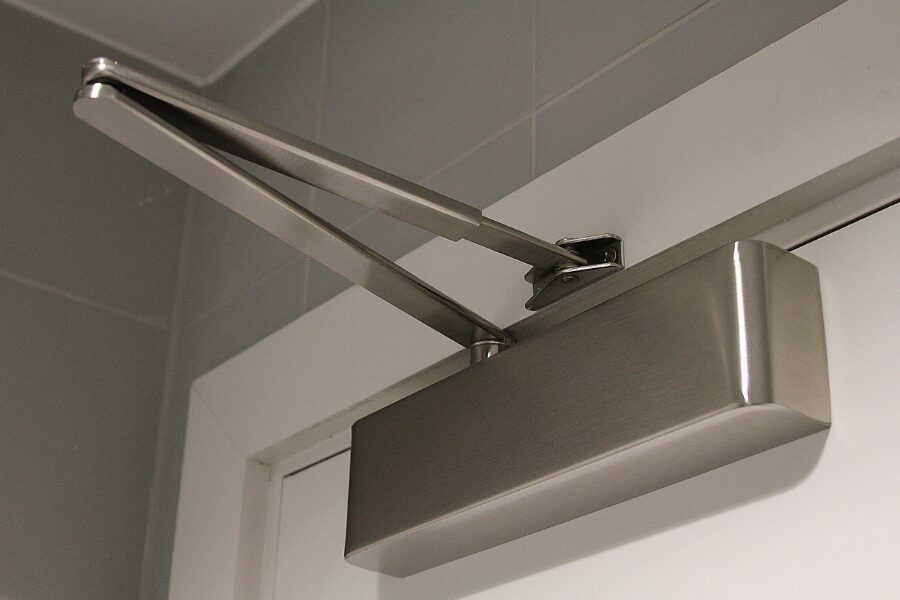
What Door Closer Do I Need?
Selecting the right fire door closer can feel overwhelming, so we've broken...
Read more
A Guide To Fire Cavity Barriers
Cavity barriers are blocks of fire-resistant material designed to reduce the spread...
Read more
How Much Can I Trim Off My Fire Doors?
Make sure you know how much can be trimmed from fire doors...
Read more