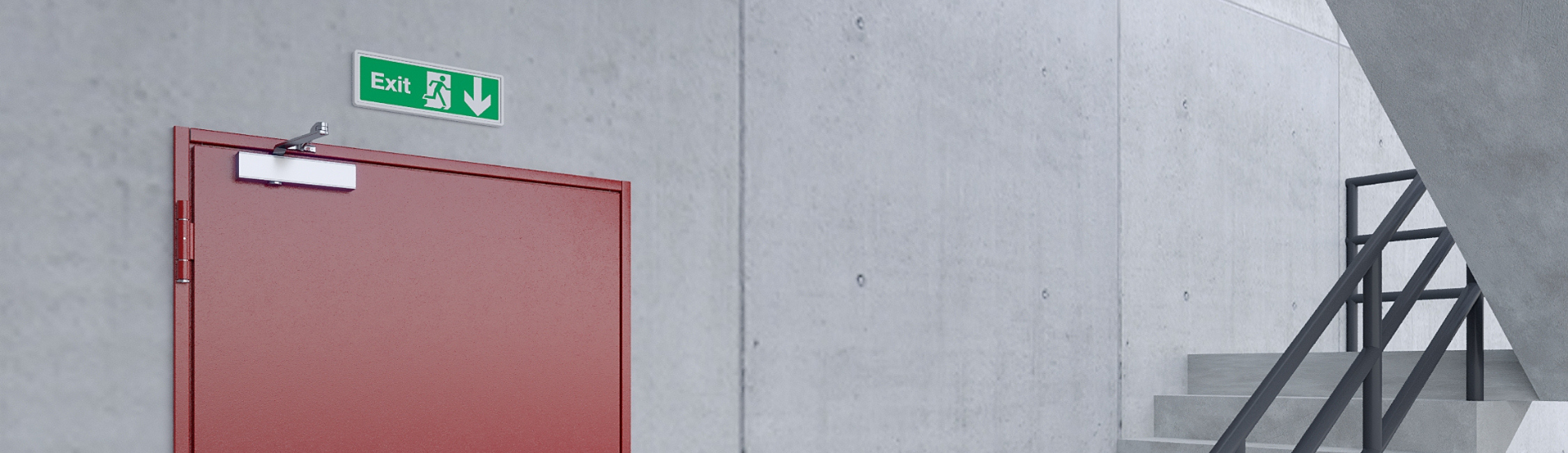
Safe routes that lead to an evacuation point can save lives when maintained efficiently, therefore regularly checking your fire escape route is an important part of the role as a ‘responsible person’.
In order for a fire escape route to be effective, it must be protected from fire and smoke, obstruction-free, sufficiently lit, and clearly signposted, as without these conditions it could become impossible to escape, putting lives at serious risk.
This blog will answer your questions about fire escape routes, outlining why they are important and how often an inspection should be carried out in relation to government guidelines.
What is a fire escape route and why is it important?
A fire escape route is a designated pathway that safely leads occupants out of a building during a fire emergency, and must be the shortest possible route to a safe place.
The escape route is just as important as the fire exit door, and is a vital part of fire safety protocols. It should be well-planned, designed and located in places where all residents can access it with ease.
The number of escape routes and exits will depend on the size of the building itself, and how many people occupy the building - these factors are governed by fire safety regulations.
In accordance with Approved Document B of the Building Regulations, if there is only one available escape route within the property, the suggested distance between the farthest point of a room to the nearest place of safety is:
- 12m in an area of high fire-risk
- 18m in an area of normal fire-risk
- 25m in an area of low fire-risk
For buildings with more than one escape route the suggested travel distance is:
- 25m in an area of high fire-risk
- 45m in an area of normal fire-risk
- 60m in an area of low fire-risk
A protected means of escape should be part of every fire strategy, whether the premises is small or large.
Your local fire and rescue authorities can provide guidance on regulations for your building, and how you can implement an efficient fire evacuation plan.
How often should you check your fire escape route?
The frequency of checking your fire escape route will depend on the building, its intended purpose, and how many people occupy the building.
Buildings that are larger and more complex, such as hospitals and schools, should undergo more frequent inspections than smaller properties since they are at greater risk of fire.
Checking your fire escape route can take less than a minute, but could save lives during a fire outbreak. We recommend that all responsible persons assess their fire escape route on a weekly basis to ensure that there is nothing obstructing the route, with a clear passage through corridors and stairways that lead to a fire exit door.
Weekly checks are not required by law, but give peace of mind that occupants can safely escape should a fire situation occur. Annual inspections are, however, mandatory by law as part of your fire risk assessment.
A fire risk assessment is required to identify and eliminate any hazards that are present, and entails a thorough inspection of your building, including making sure fire escape routes are clear and free from combustible materials, fire escape signage is visible, and fire exit doors are in full working order.
Find out how to conduct a fire risk assessment.
In some circumstances, where for example there have been significant changes to the building, or renovation work has been carried out, a reassessment should be made following the changes to determine whether the exit route(s) still remain accessible and comply with legislation.
It is essential that all building occupants are aware of fire escape routes within the building, as well as how to use them in an emergency. Any new occupants should be educated on safety procedures in case of an emergency.
How We Can Help
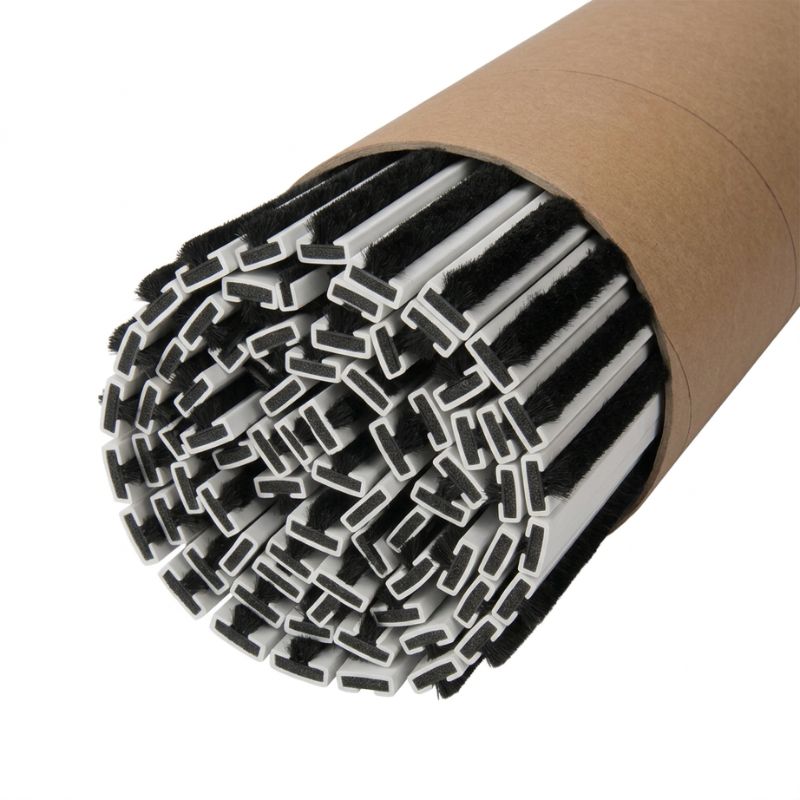
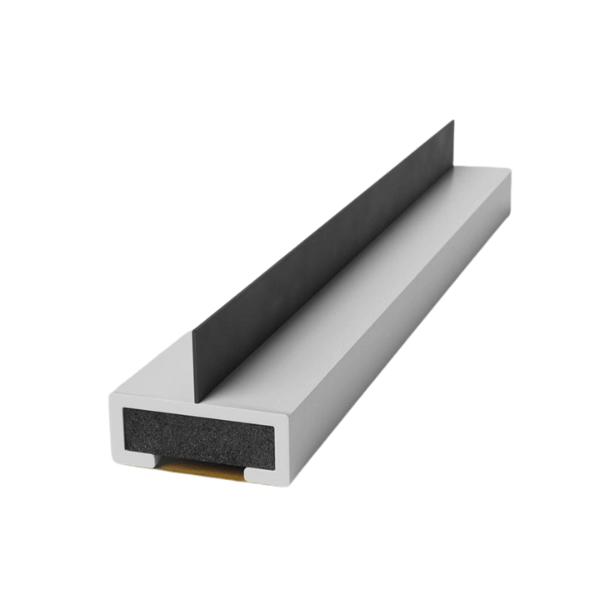
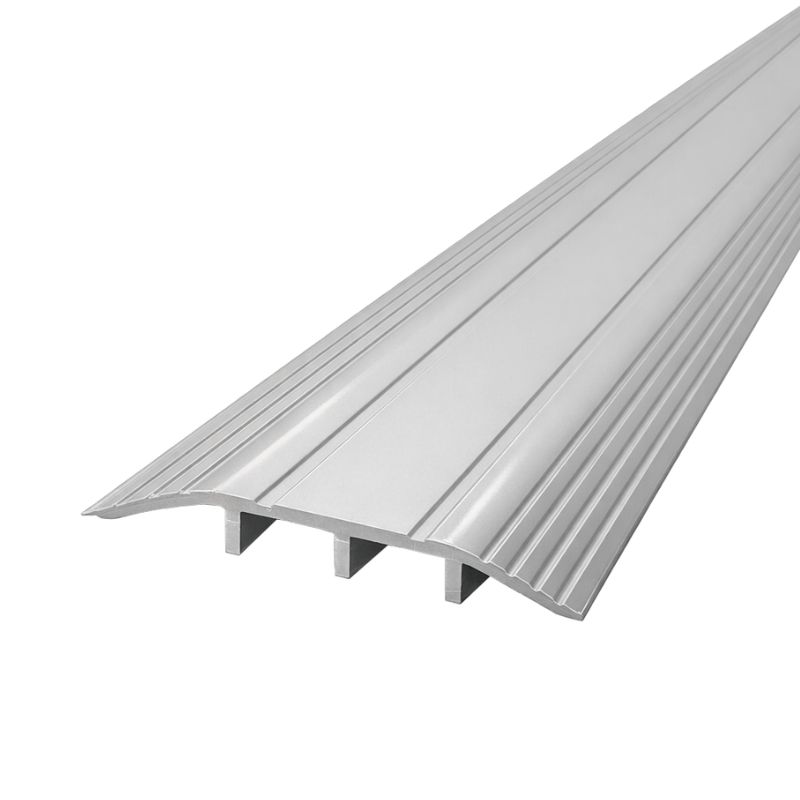
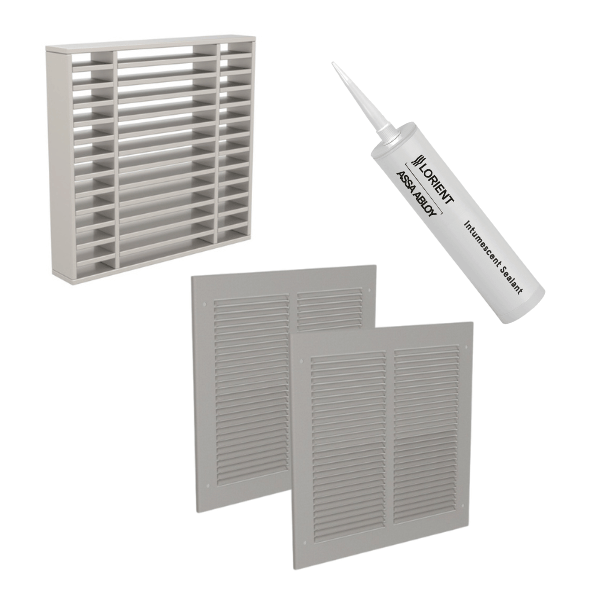
At FireSealsDirect we stock a vast range of fire door hardware to protect the fire safety exits.
Should we not have a product that you require or need some advice, contact our technical team at [email protected] or call 02920 856 959.