Fires can spread in a number of different ways. Being aware of what can contribute to the spread of a fire is important to ensure dwellings and workplaces are safe and to help prevent devastating damage and lives being lost.
Conduction fires
Conduction fires spread through direct contact between materials. A conduction fire spreads when a fire heats up a material that’s a good heat conductor, like metal, which then comes into contact with a combustible material. The fire can then travel further across a room or building in this manner.
Radiation fires
A fire can spread by radiation when the heat travels through electromagnetic waves in the air. When a fire breaks out, heat will travel in all directions until it reaches an object which will absorb it. When it reaches a combustible material, it will smoulder and eventually burn.
Convection fires
Convection is the most common cause of fire spreading in domestic and commercial buildings and is also the most dangerous.
Heat always rises, but in the setting of an office for example, the heat is trapped once it hits the ceiling and so it then begins to travel horizontally, thus spreading the fire simultaneously. Any materials in the room that are combustible will also ignite, further fuelling the fire.
Direct contact fires
A direct contact fire is one that spreads simply when the flames contact other fuel sources which then also catch fire. This process continues over time, thus spreading the fire further.
Backdraught fires
Fires are spread by backdraughts when a fire has used up most of the available oxygen in a room or building and there is a sudden introduction of air.
For example, if a fire is burning in a room for a long time and then a window is opened, a large amount of oxygen is introduced quickly which causes the fuel to burst into flames.
Summary
As you can see, there are a number of ways that fires can spread throughout buildings and it’s essential to be aware of the hazards to assess the fire risk of a dwelling or workplace.
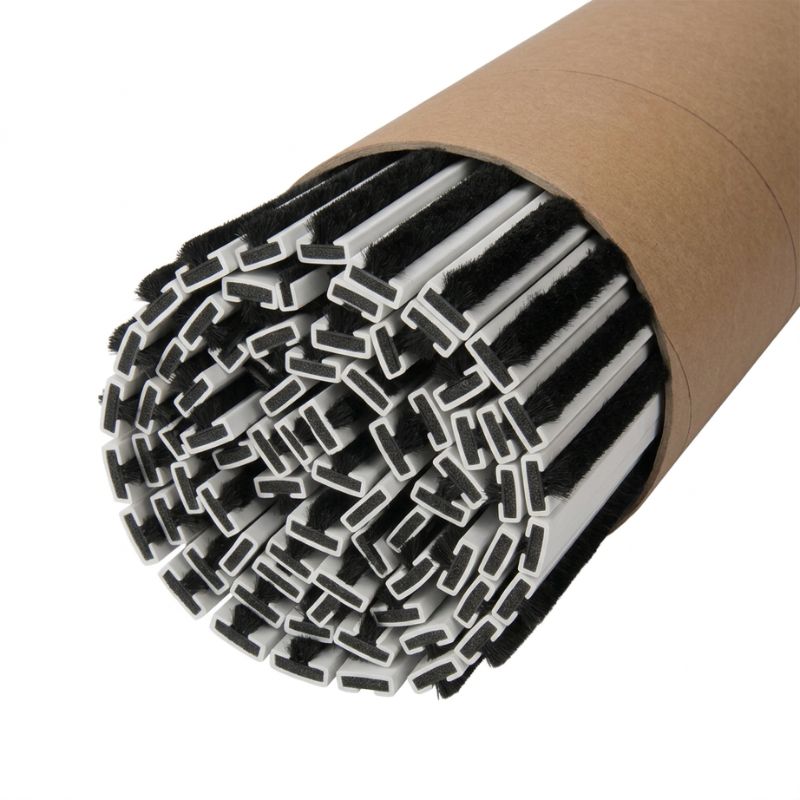
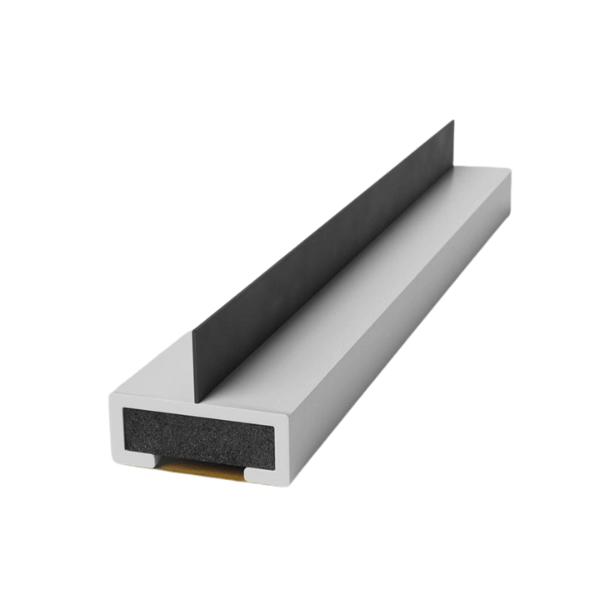
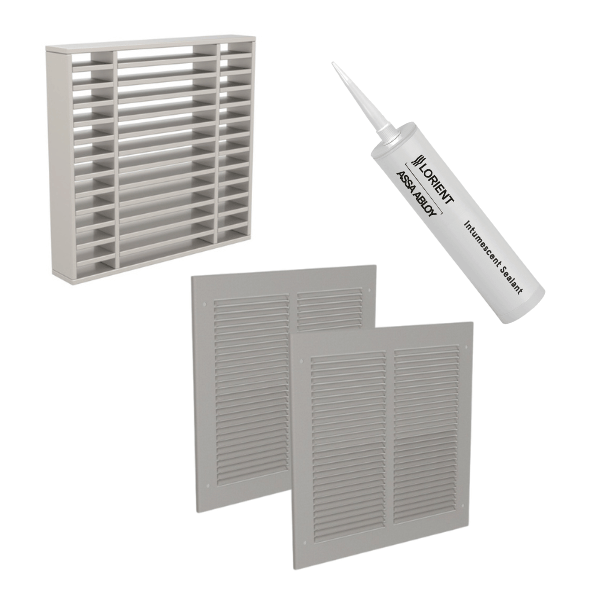
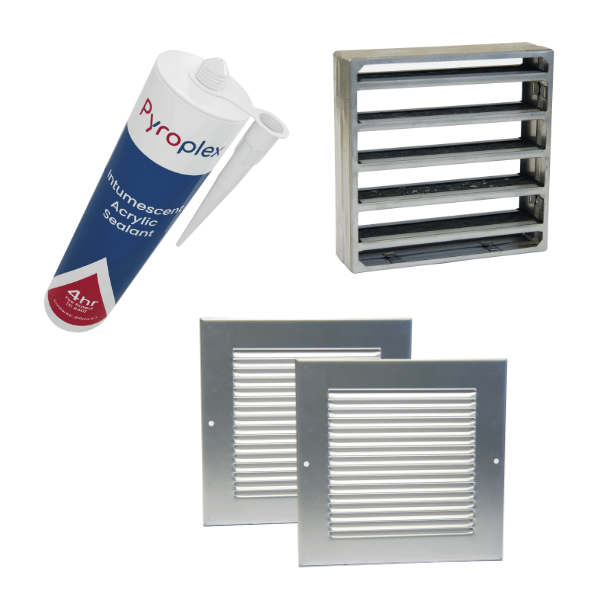
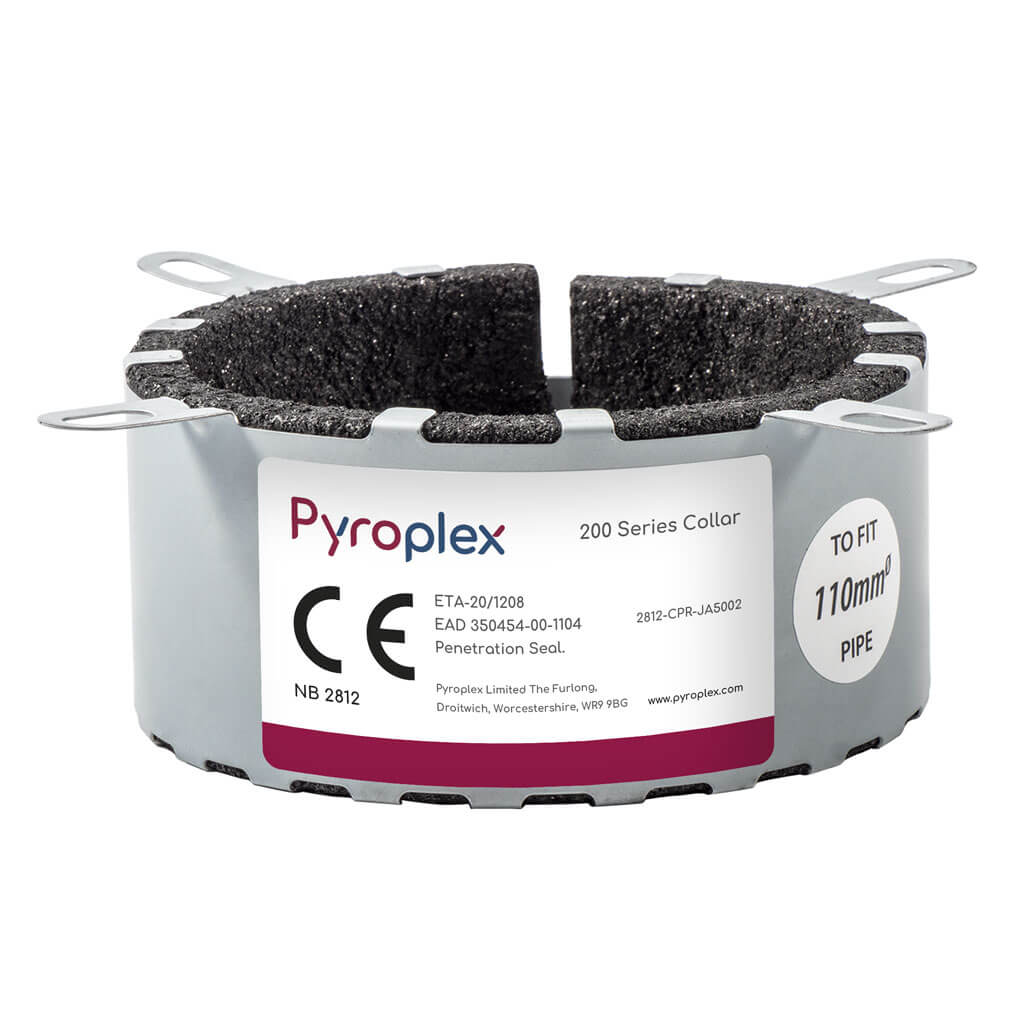
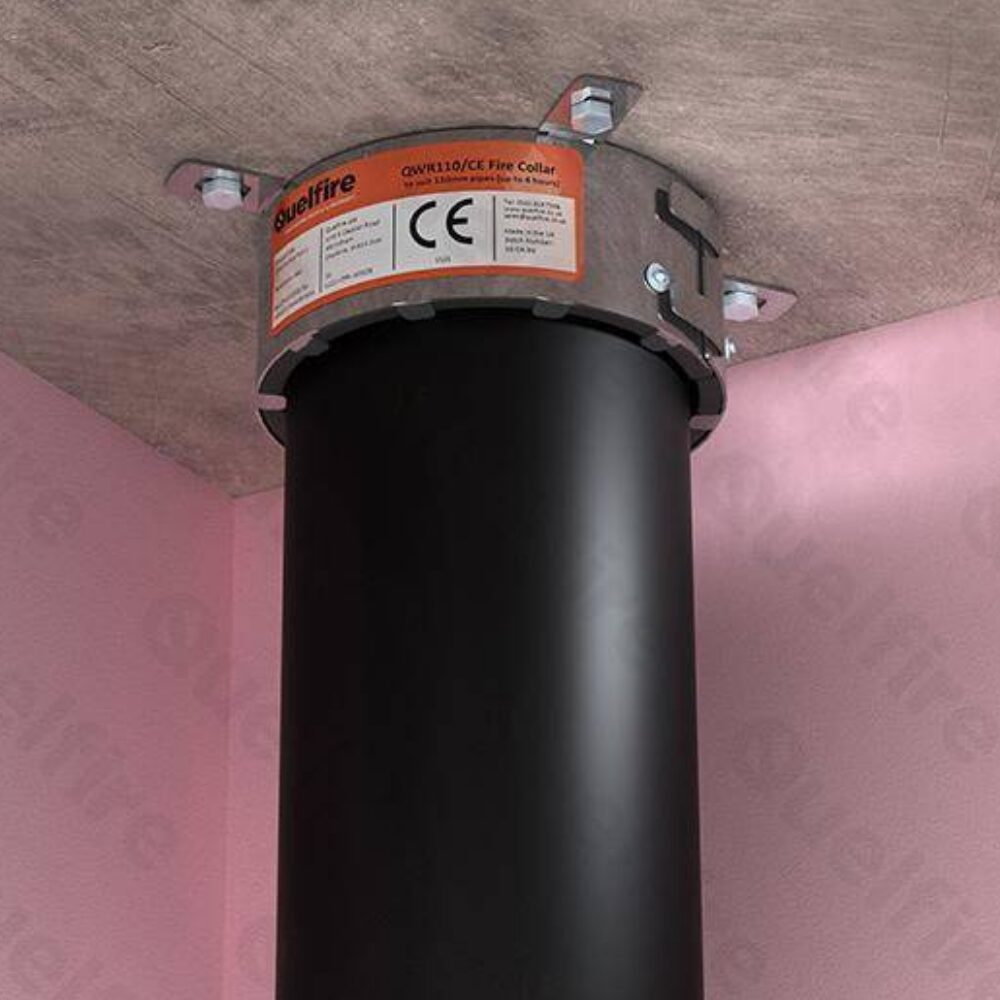
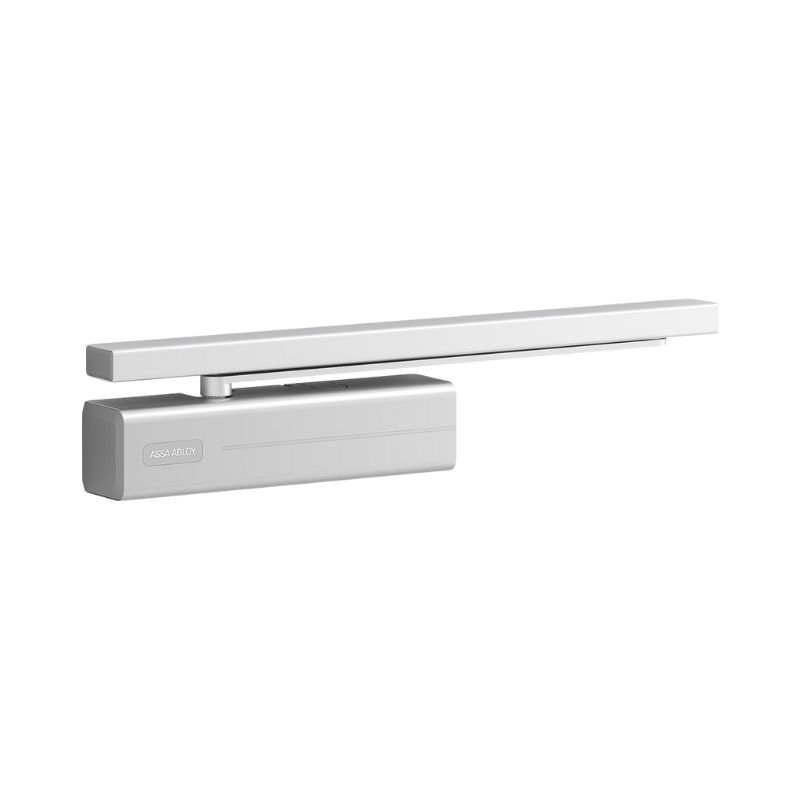
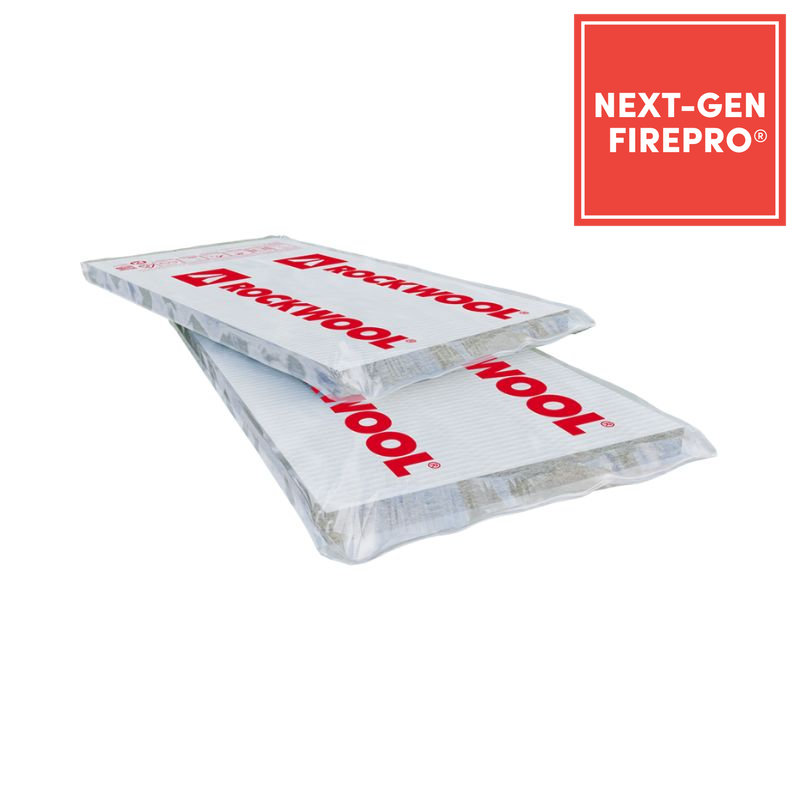
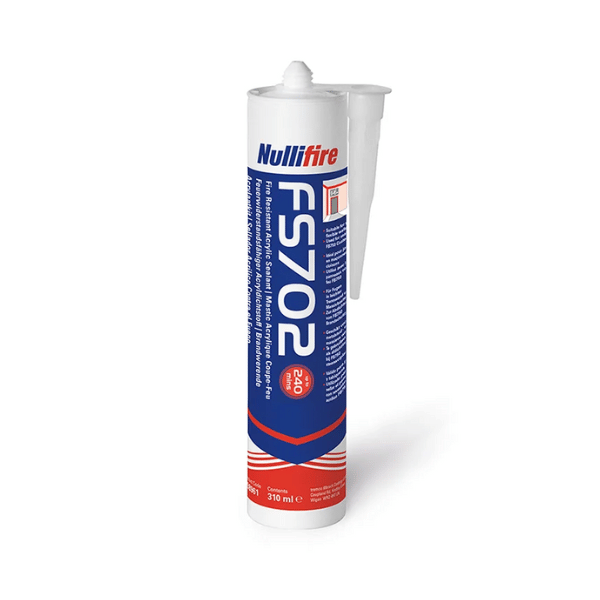
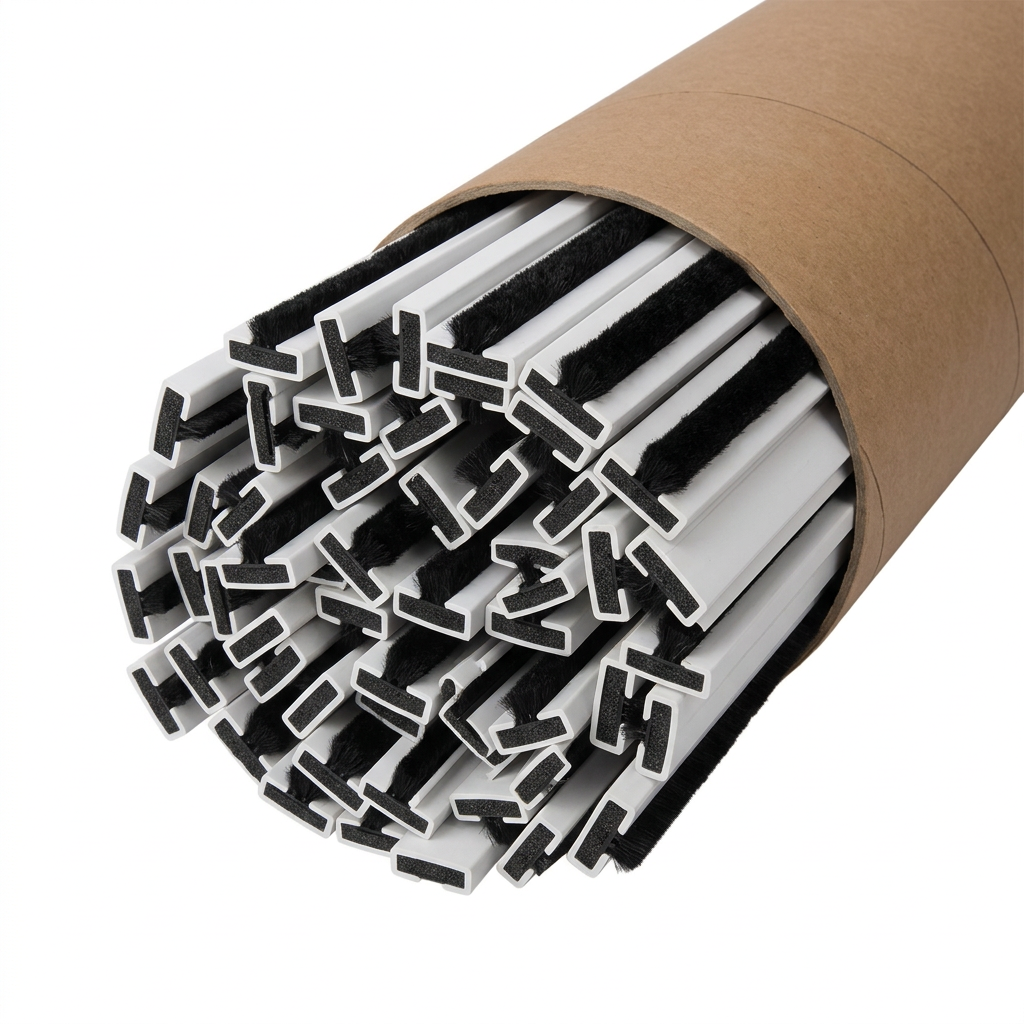
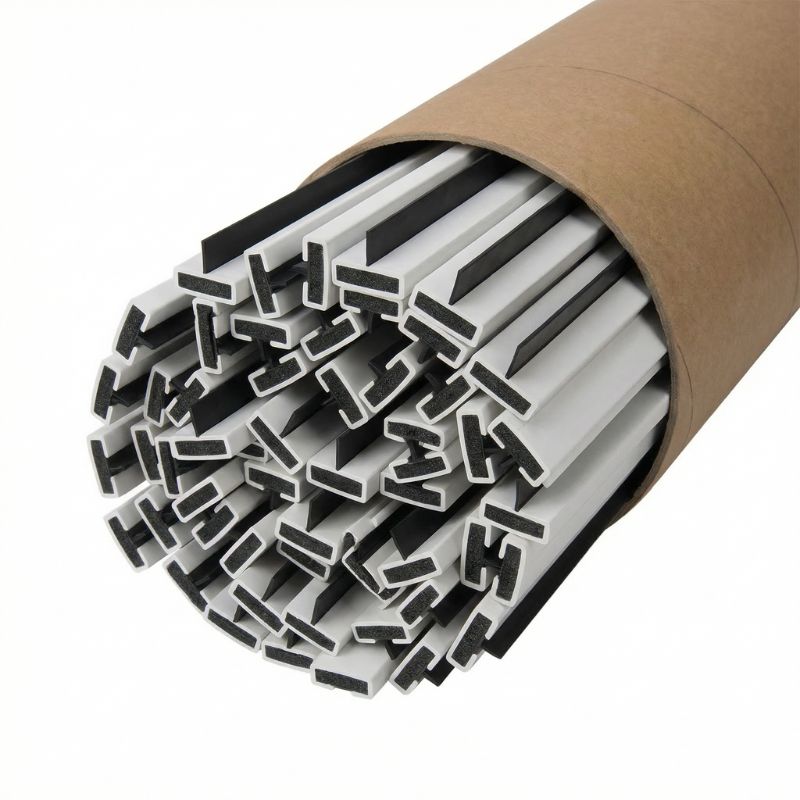
An effective way to prevent the spread of fire is to ensure that the fire compartmentations in your building are well maintained and that they will be effective in the event of a fire. The main areas to focus on are the fire doors in the building and the fire stopping of pipes and cables. Some fire stopping products, like intumescent strip or fire collars, may seem unimportant on a day to day basis but are crucial in the event of a fire.
A trained professional can assess the fire risk of your building and provide tailored advice. If you would like more guidance on preventing the spread of fire, contact us today to speak to a member of our expert team.