



Guidance on Fire Door Maintenance and Inspection
Get guidance on fire door maintenance, understand legal requirements for testing frequency and what you need to cover as part of fire door inspection checks.

Written by Esme
2nd March 2022

For fire doors to work effectively during a fire, they need to be routinely inspected and well-maintained.
Under the Regulatory Reform (Fire Safety) Order 2005, fire doors must meet British Standards, which means every component must perform to a specific standard to ensure proper fire protection.
Even minor changes or daily wear and tear can impact a fire door’s effectiveness and compliance. That’s why consistent inspections are essential as they help identify issues early and ensure the doors will operate as intended in an emergency.
Are fire door inspections a legal requirement?
Fire door inspections are legally required in the UK under the Fire Safety Order.
Regular inspections are crucial, as without them, faults or damages can easily go unnoticed, potentially compromising the door's performance and putting lives at risk during a fire.
Who is responsible for fire door maintenance?
Whoever is responsible for the day-to-day control of the premises must ensure that the fire doors are inspected regularly and maintained correctly. That may be the landlord, business owner or building manager. Under the Fire Safety Order, this person is called the “Responsible Person”.
How often should you have a fire door inspection?
Fire door inspections are a key element of a fire risk assessment, which must be conducted annually for all commercial premises, public buildings and residential properties with multiple occupants.
In January 2023, it became a legal requirement for Responsible Persons managing multi-occupied residential buildings in England with storeys over 11 metres in height to:
- Perform quarterly fire door inspections in all communal areas.
- Conduct an annual inspection of all flat entrance doors that lead into communal areas.
If the door is located in a high-traffic area and experiences frequent use, additional checks may be necessary to ensure it continues to perform effectively, this may result in weekly or monthly inspections.
Does an overhead fire door closer need to be tested annually?
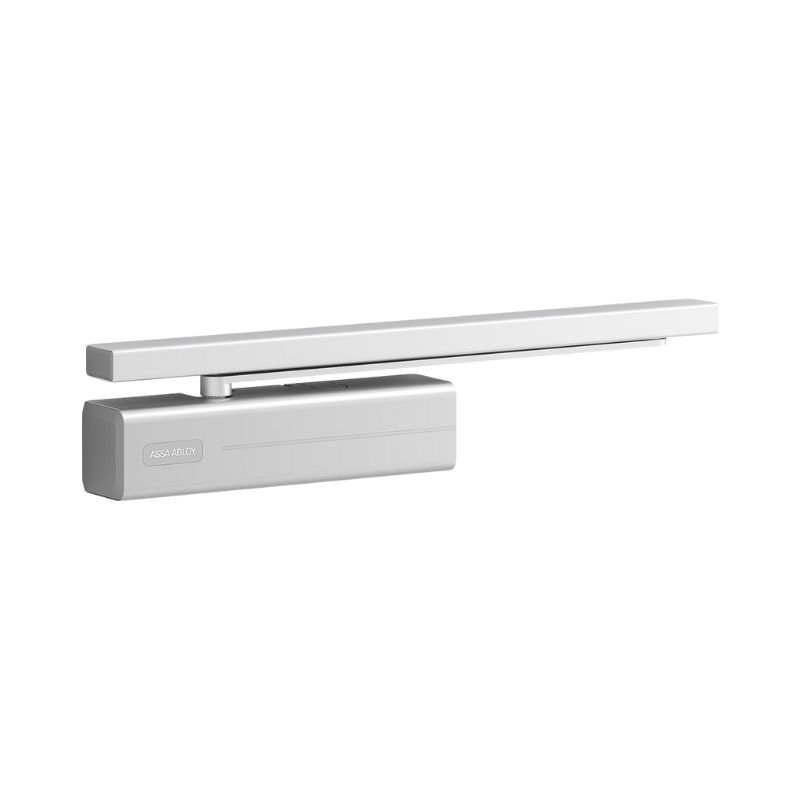
All self-closing devices should be tested as part of a routine fire door inspection, which will depend on the building type and where the door is located.
The condition of the automatic door closer is critical to ensure that the fire door automatically closes after being opened, helping to prevent the spread of smoke and flames.
Find out more information on automatic door closing devices including how to adjust and how to install.
Do you have to be certified to inspect fire doors?
As outlined in the Regulatory Reform Order, fire door inspections should be carried out by a 'competent' person.
If you are the Responsible Person for a building and lack the necessary expertise, it’s advisable to hire a qualified inspector to assess the condition and performance of your fire doors. The inspector will provide a detailed report highlighting any issues that need addressing to ensure the doors remain compliant.
How much does a fire door inspection cost?
The cost of a fire door inspection can vary depending on factors such as the location, the number of doors and the company providing the service. Typically, fire door inspections in the UK can start from £10 per door, however this does not factor in an attendance fee.
Additionally, if any repairs are needed, these costs will be added separately. It’s important to get a detailed quote from the provider to understand the full scope of the inspection, including whether additional checks or services are included.
Fire door inspection checks
1. Certification
Ensure the fire door is certified by looking for a label, plug or similar marking on the door. All ironmongery such as locks, latches and hinges must be CE/UKCA marked and compatible with the door leaf’s certification.
2. Apertures
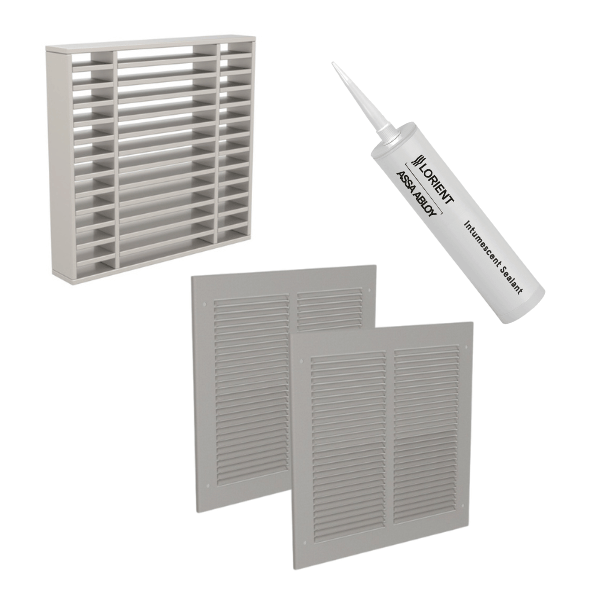
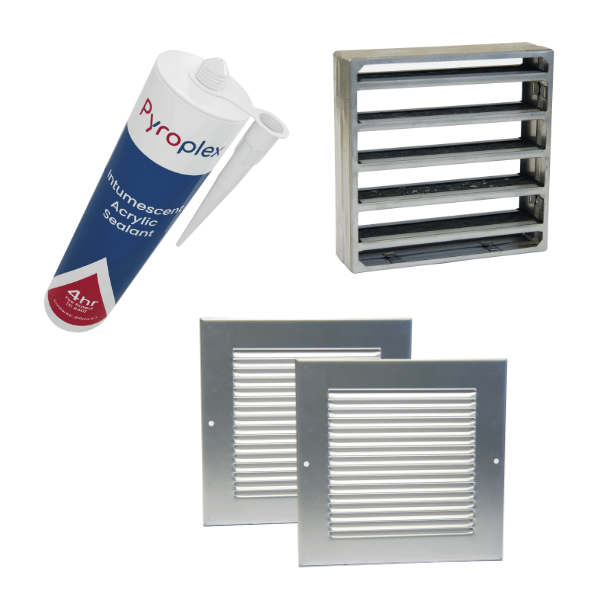
Make sure that if the door has apertures in the form of windows or air transfer grilles, these are compatible with the door leaf and have been fire-stopped after installation, through the use of intumescent glazing systems or intumescent air transfer grilles.
Some doors are only fire tested to be solid doors and not tested with any vision panels or grilles installed and this can cause a breach in the fire rating of the door.
3. Gaps & Seals
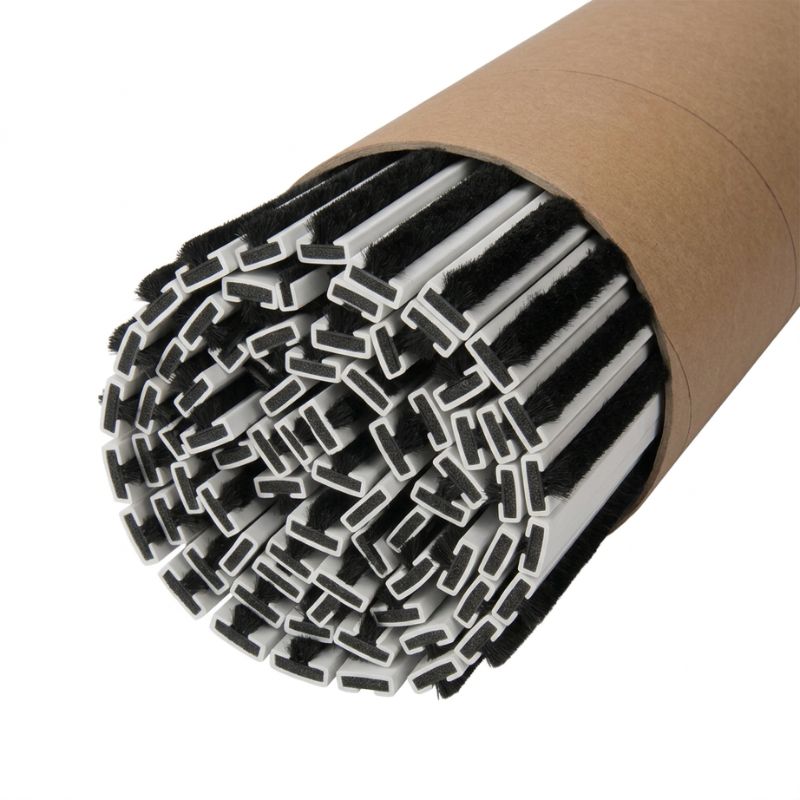
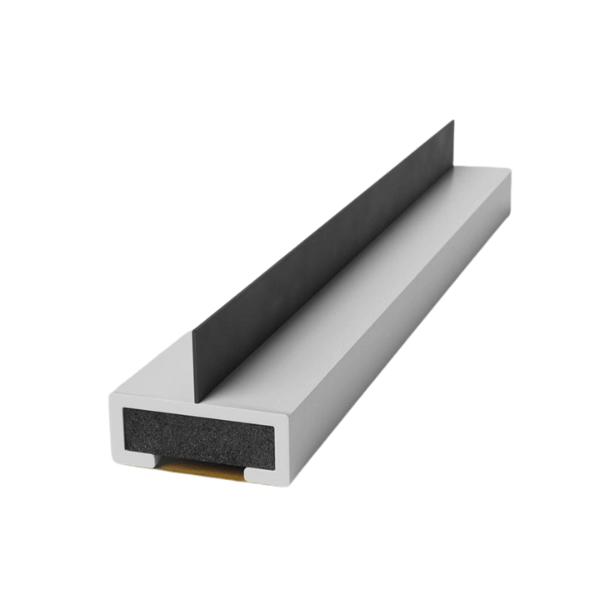
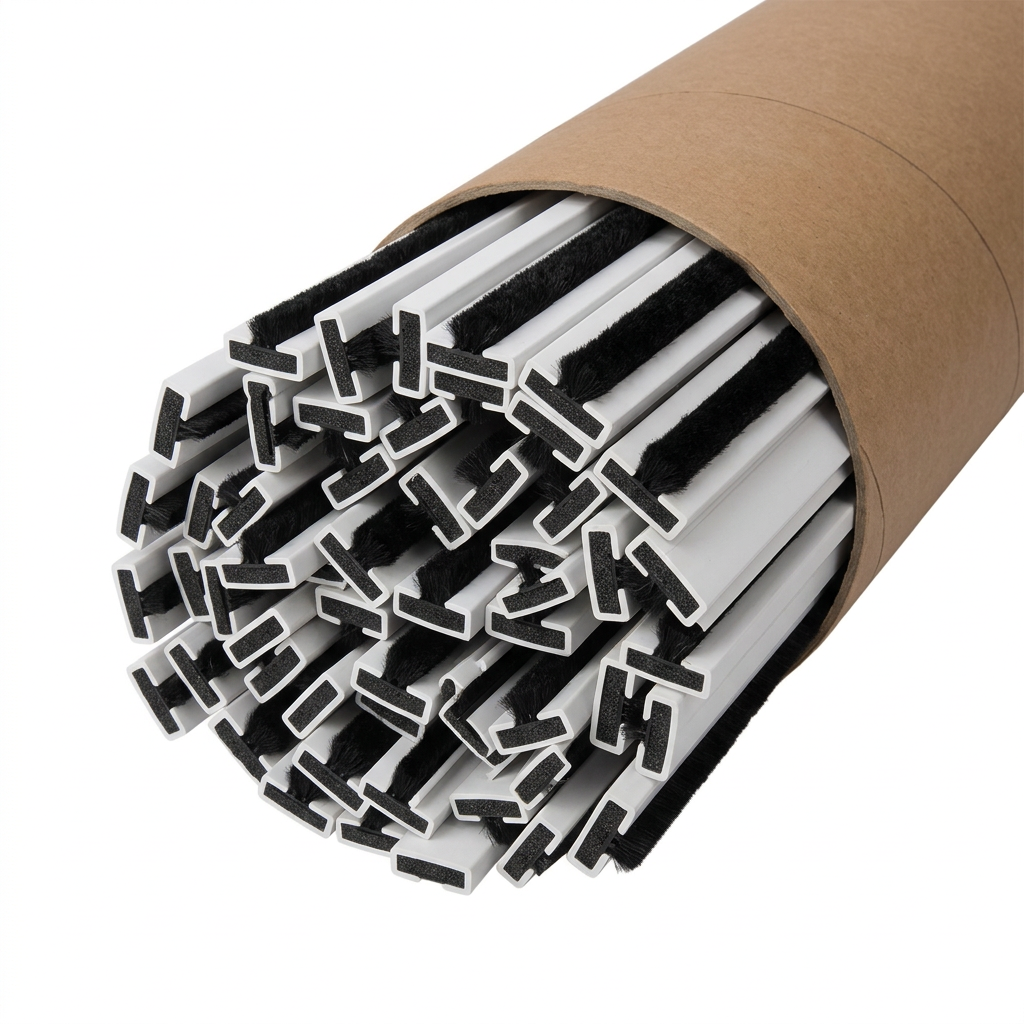
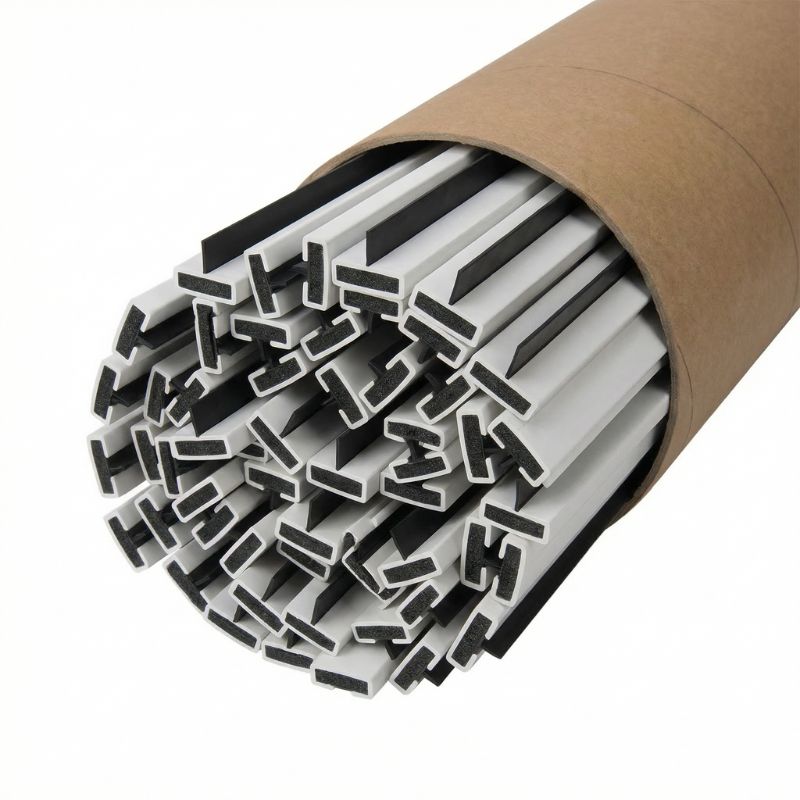
Check that the gap around the door frame is consistently 3-4mm and CE/UKCA marked hinges are firmly fixed with no screws missing. Ensure that intumescent strips are fitted at the top and sides of the door.
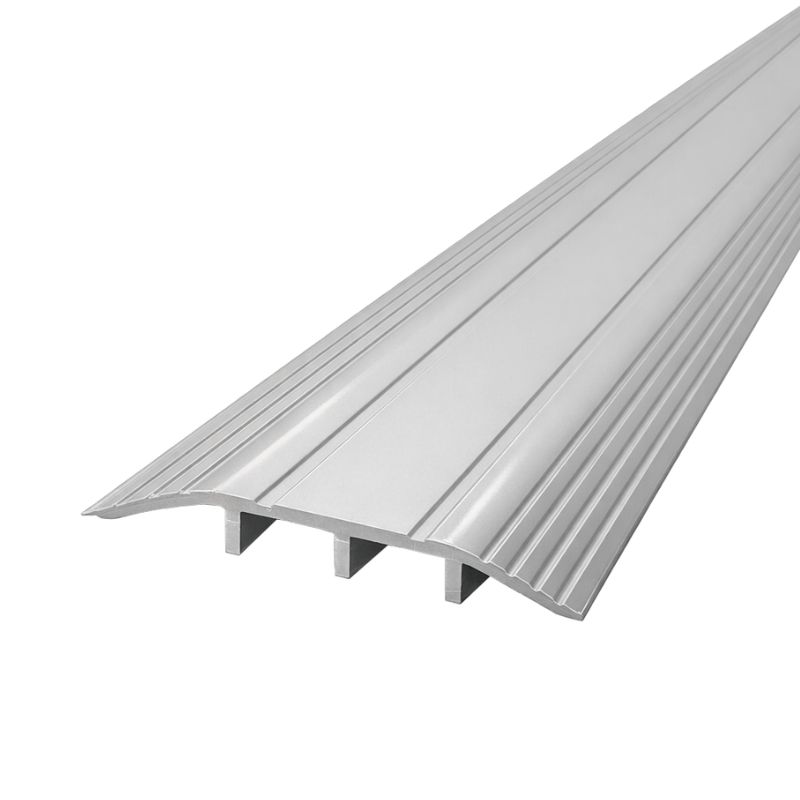
The gap at the bottom of the door should be no greater than 8-10mm. If it’s a fire and smoke door then the gap should be no more than 3mm. If it is larger than this, then a drop-down seal can be used to close the gap and provide smoke seal protection.
4. Closers
The door closer should be fully functioning and should close onto the latch from any position with ease. Sometimes, there is additional force required to fully close the door past the smoke seals but this is imperative to fire safety and the containment of smoke.
5. Operation
Fire doors must be able to close easily and securely within the frame on all sides. They should never be wedged open as this defeats their purpose of containing fire and smoke.
Always check for obstructions on either sides of the door as this will restrict safe evacuation in the event of an emergency, and may cost lives.
6. Signage
If fire exit signage and fire door signs are missing or damaged, it could put the safety of occupants at serious risk.
Clear and accurate signage not only helps people evacuate quickly in an emergency, but is also a legal requirement under fire safety regulations.
Download our free fire door inspection checklist today.
How we can help
We are a family business with 50 years of experience in the field of fire safety, offering a wide selection of fire door hardware from a variety of brands you can trust.
Our expert customer care team is available to assist with any questions you may have about our products. Contact us using our live chat feature or email us at [email protected].
You can also visit our Advice Centre for a range of helpful guides on fire legislation, installation instructions and more.
Related Articles

What is a Fire Strategy Plan?
Learn what’s included in a fire strategy plan and when they’re needed.
Read more

7 Tips for Fostering Fire Safety in the Workplace
Every employer is responsible for ensuring their workplace is a safe environment....
Read more
How to Soundproof a Door
Aside from investing in a high-quality door, there are various products to...
Read more