



Fire Stopping FAQs
Find answers to frequently asked questions about fire stopping, including its importance, functionality and common methods.

Written by Rebecca
9th October 2025
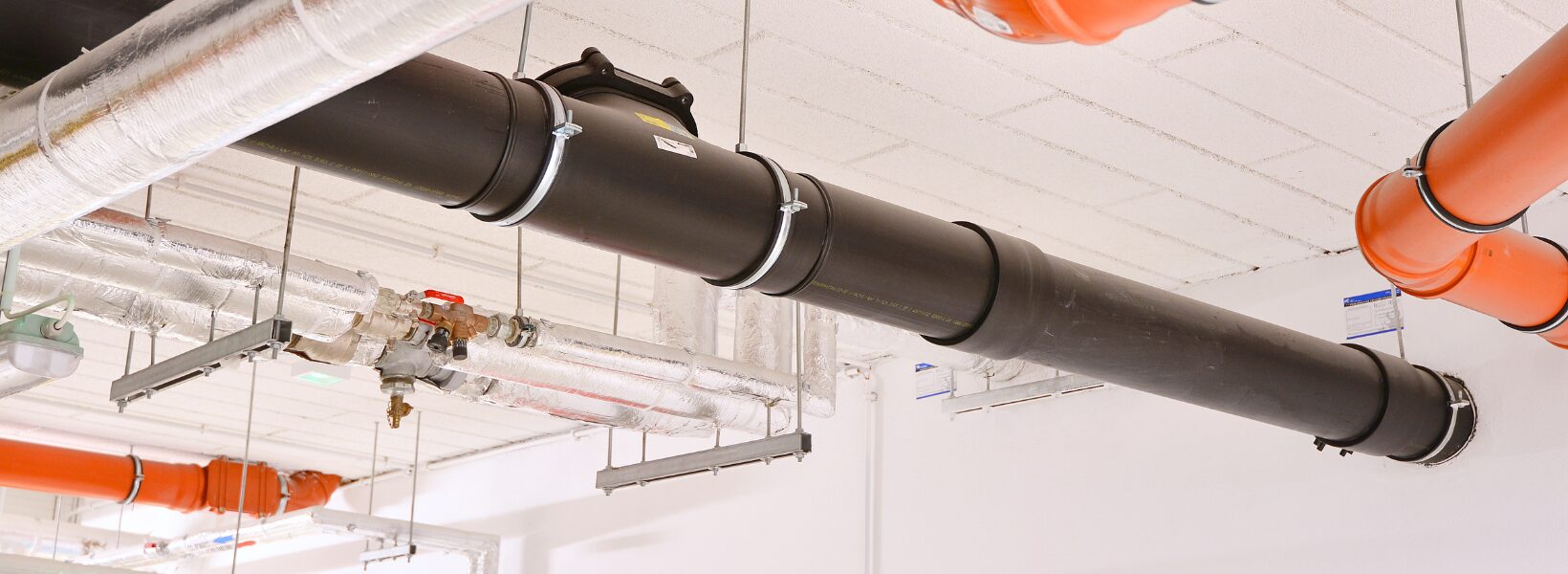
Fire stopping is a critical part of a building’s passive fire protection system. It works to contain fire rather than actively extinguishing it, helping to protect occupants, safeguard infrastructure and ensure safe evacuation routes.
In this blog, we answer the most frequently asked questions about fire stopping to help you understand its importance, functionality and common methods.
What is fire stopping?
Fire stopping is the process of sealing openings with fire-resistant materials to prevent the spread of fire and smoke between different areas of a building.
Where essential services such as pipes, cables and ductwork penetrate walls, floors, or ceilings, they create openings that compromise the fire barrier. Fire stopping systems restore the integrity of these barriers, allowing them to perform as intended in the event of a fire.
Adherence to regulatory guidance, such as the Regulatory Reform (Fire Safety) Order 2005 and Approved Document B, is paramount, stipulating the use of rigorously tested, approved products, installed by competent professionals.
What are methods of fire stopping?
Fire stopping can be achieved using a variety of tested materials and systems, carefully selected based on the specific type of penetration and the fire rating required. Common methods include:
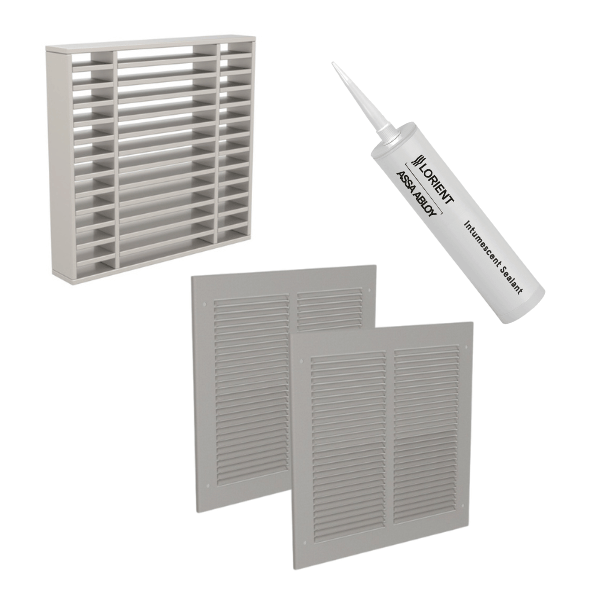
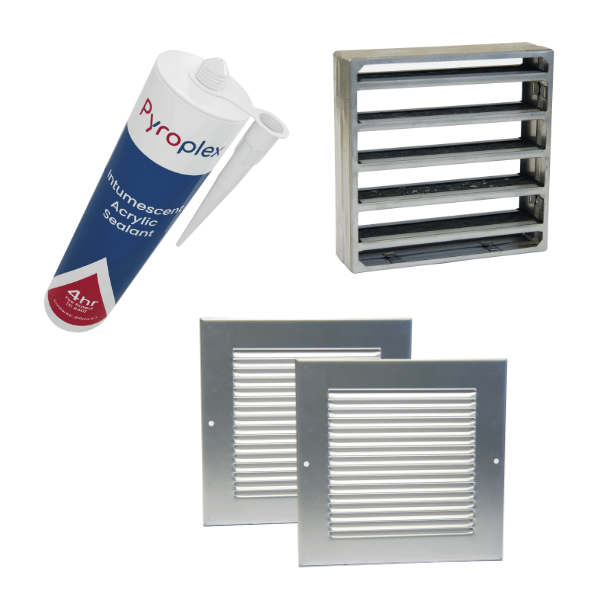
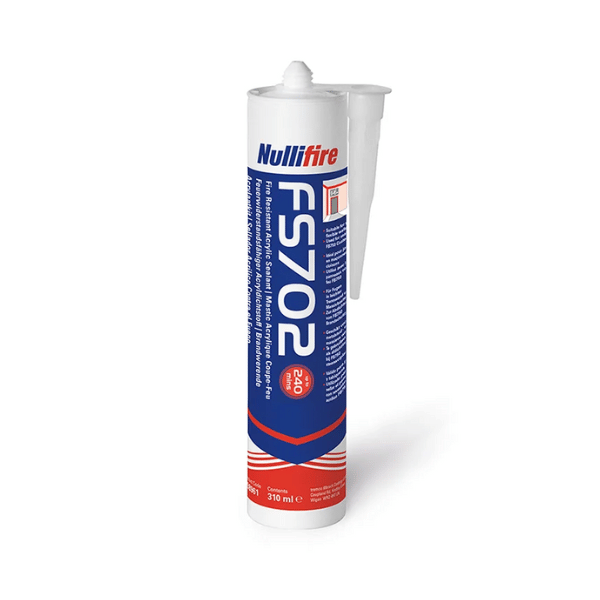
Intumescent sealants are suitable for sealing smaller gaps around cables, pipes and other minor penetrations. Beyond robust fire and smoke containment, they often offer excellent acoustic properties.
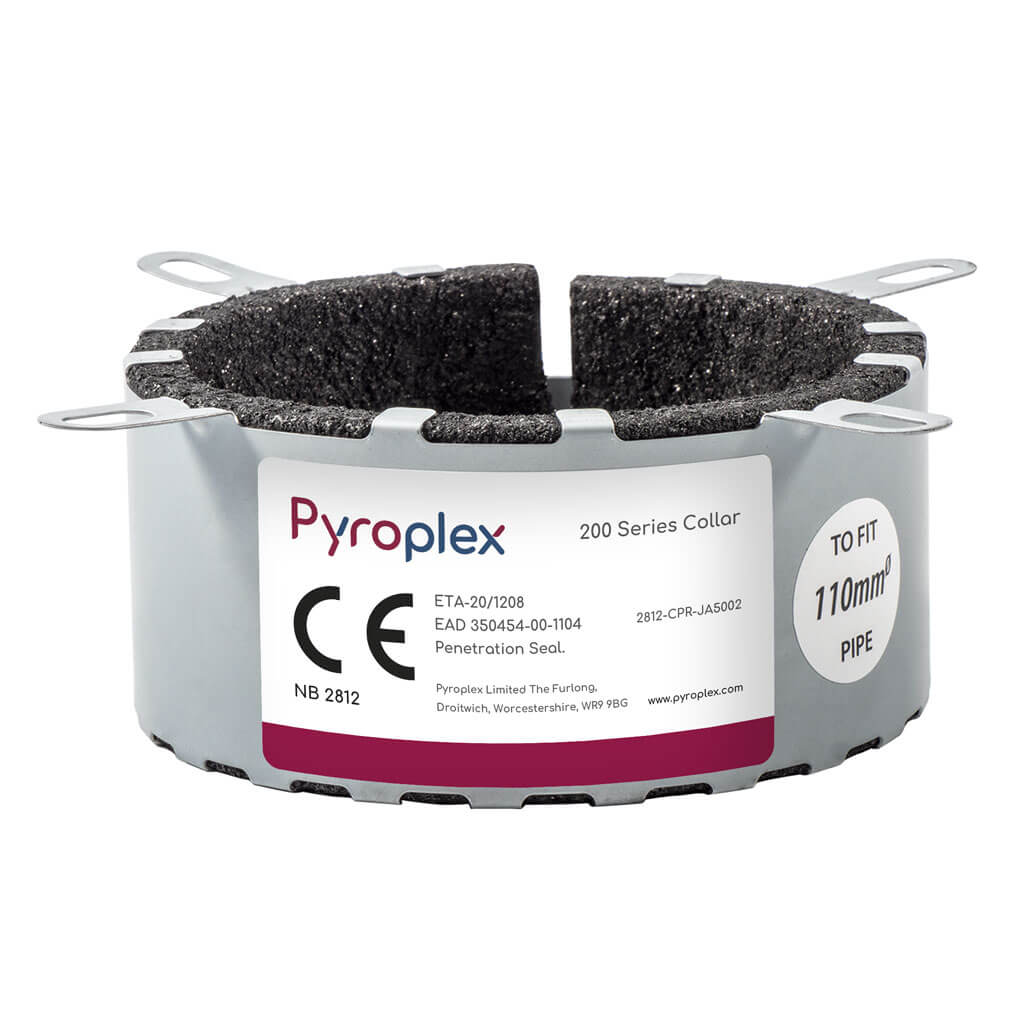
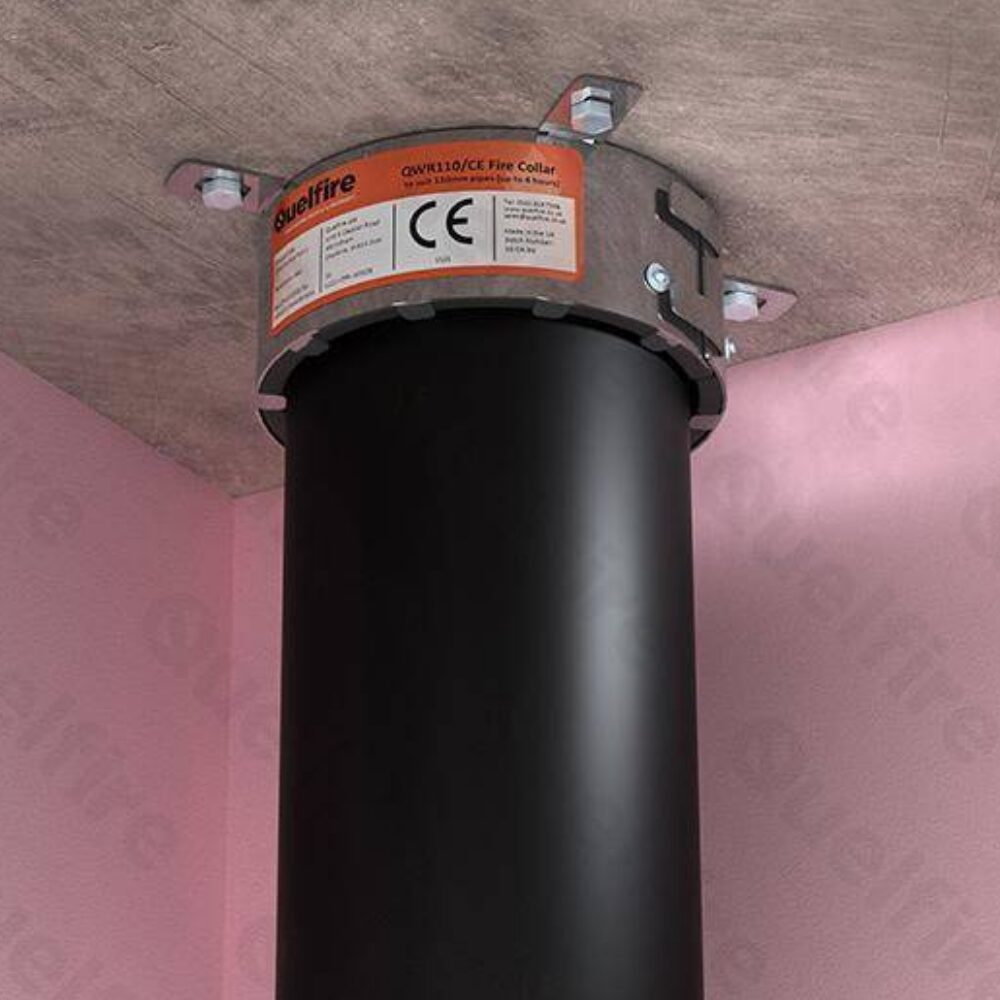
Specifically designed for plastic pipework, fire collars and wraps expand under fire conditions, sealing off any gaps created by softened or melted pipework.
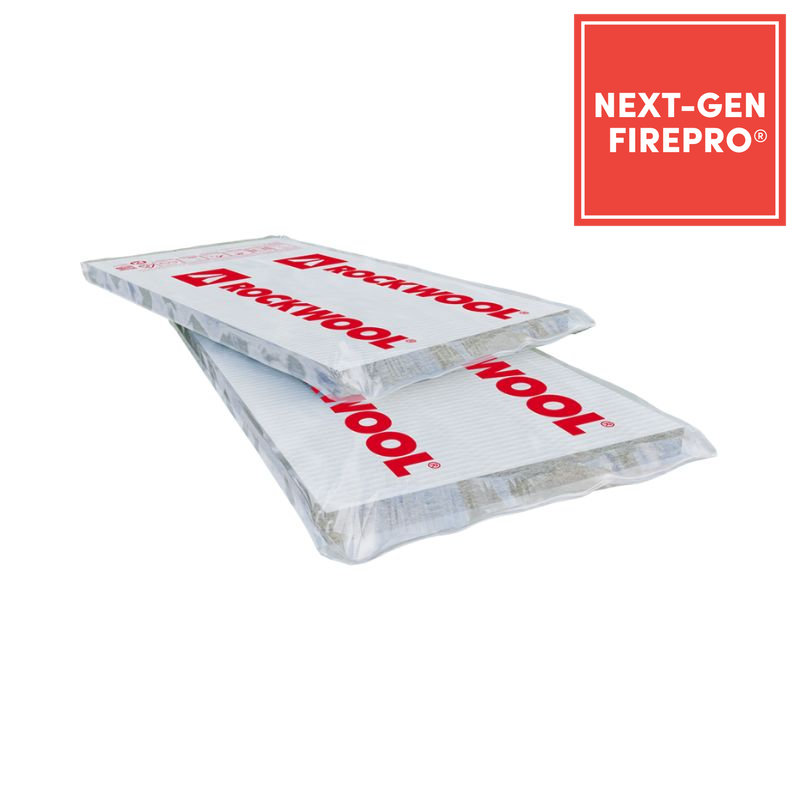
These high-density mineral wool slabs, coated with a fire-resistant ablative layer, are ideal for large apertures or areas where multiple services pass through the fire barrier.
Compound is typically used for sealing large penetrations or where numerous services pass through a single opening. It cures to form a solid, load-bearing, fire-resistant barrier, making it suitable for floor applications.
Offering flexibility and ease of removal, fire pillows are often chosen for dynamic environments like data centers or plant rooms, where services may require future modification or access.
Learn more about different fire stopping methods and how to firestop service penetrations in our blog.
Who can carry out fire stopping work?
Fire stopping is a highly specialised aspect of building work that requires proper training, experience and a thorough understanding of product capabilities and regulatory requirements.
Improper installation or the use of untested products can severely compromise a building’s passive fire protection system, which could lead to legal consequences, and most importantly, critical safety risks.
It is imperative to always select products that have been tested and certified for the exact application, rigorously follow manufacturer guidelines, and ensure all systems are installed by professionals to guarantee full compliance and effectiveness.
Can I mix brands within a fire stopping system?
Fire stopping products are tested and certified as a complete, integrated system, therefore mixing brands is not advisable.
Introducing components from different manufacturers can compromise the system's tested fire resistance capabilities and can void compliance certifications.
For more guidance on compatible systems, see our full guide on the risks of mixing brands in fire stopping systems.
What does early engagement in fire stopping mean?
Early engagement involves the consideration of fire stopping right from the initial design and planning phases of a project, rather than addressing it later in the construction process. This proactive approach offers significant advantages:
- Simplified installation
Streamlines the installation process as construction progresses, ensuring fire stopping is integrated seamlessly.
- Reduced risk
Minimises the likelihood of overlooked penetrations.
- Enhanced coordination
Fosters collaboration between architects, contractors and specialist fire protection engineers.
- Cost efficiency
Significantly reduces potential costs by pre-empting retrofitting, remedial work or project delays.
Discover best practice guidance for designing and planning fire stopping for service penetrations to ensure potential issues are addressed early for safer, more secure projects.
How often should fire stopping be inspected or maintained?
For optimal safety and compliance, fire stopping systems should undergo professional inspection at least once a year. Furthermore, inspections are crucial following any renovations, modifications, or incidents that could potentially affect the system's integrity.
Repairs must be carried out promptly whenever damage, gaps, or material deterioration is identified, using approved and tested products to maintain the effectiveness of the fire-stopping system.
Failing to maintain systems properly allows materials to degrade over time, which can create pathways for fire, smoke, and toxic gases to spread quickly, endangering both occupants and property.
How we can help
We pride ourselves on offering an extensive range of quality fire stopping products from industry-leading brands including FSi, Quelfire and Rockwool.
Need expert assistance in selecting the right solution for your project? Our dedicated and knowledgeable customer care team is readily available to answer all of your queries.
Get in touch using our live chat feature, call us directly on 02920 857 959, or email us at [email protected].
Alternatively, you can visit our Advice Centre, which contains helpful guides and information.
Related Articles
What Is The Lorient LVN20S Air Transfer Grille?
Discover how the Lorient LVN20S air transfer grille combines fire and smoke...
Read more
Fire Door Maintenance and Inspection: Supporting Fire Door Safety Week 2025
Take action this Fire Door Safety Week. Use our free fire door...
Read more
E-Bike and E-Scooter Battery Fires: A Growing Risk in Residential Buildings
Lithium-ion battery fires from e-bikes and e-scooters are rising. Discover the risks,...
Read more