When a fire breaks out, flames and smoke can spread through a building quickly unless certain fire protection methods are in place.
One such fire protection method is compartmentation which separates buildings into designated areas or compartments in which a fire will be contained for a certain amount of time. This then allows individuals more time to escape and for the damage inflicted by the fire to be kept to a minimum as much as possible.
The method of compartmentation involves fire stopping walls, floors and ceilings to stop fire spreading through the compartments. However, how we fire stop a floor is slightly different to fire stopping a wall or cavity barrier as we outline below.
The difference between fire stopping a floor and a wall
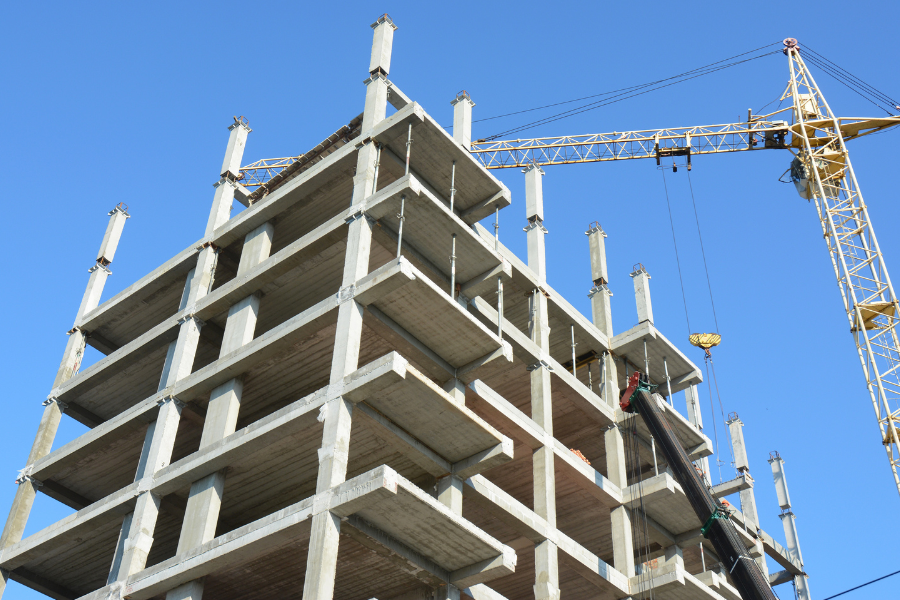
The biggest difference between fire stopping a floor compared to a wall or cavity barrier is that a floor is load bearing. In other words, floors have to be able to withstand people walking and standing for long periods of time and so this renders some fire stopping products ineffective in this context. As a result, a firestopping strategy must take this into account.
Floors can also be made of different materials compared to walls and so knowing the material used on a floor is essential for identifying the correct fire stopping solution. For example, concrete is extremely fire resistant and strong, while plasterboard isn’t to the same extent. Some types of flooring will also require intumescent coating to make sure they meet fire safety regulations.
Fire stopping between floors with fire doors
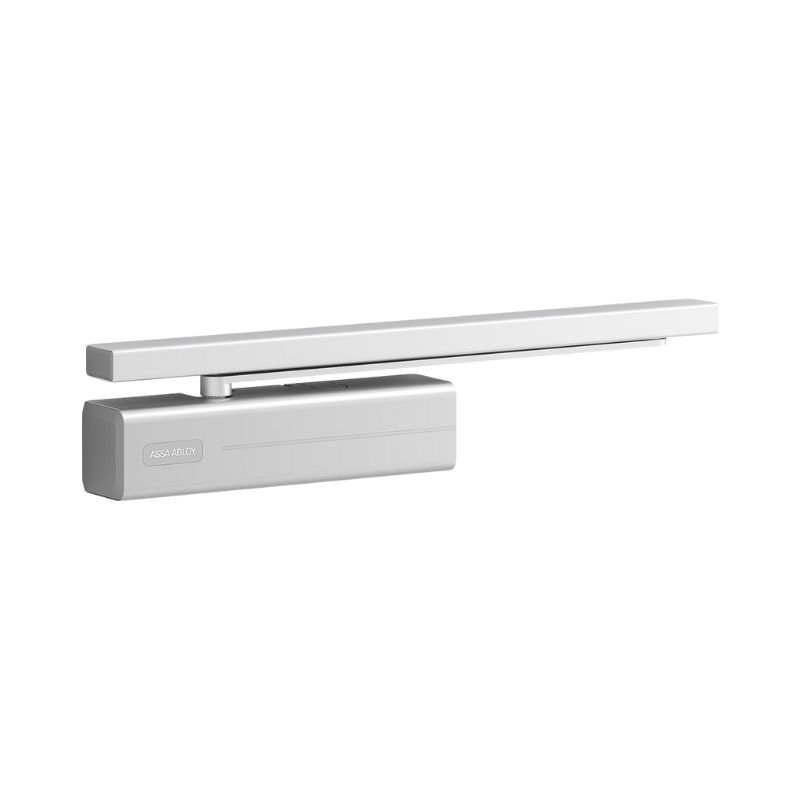
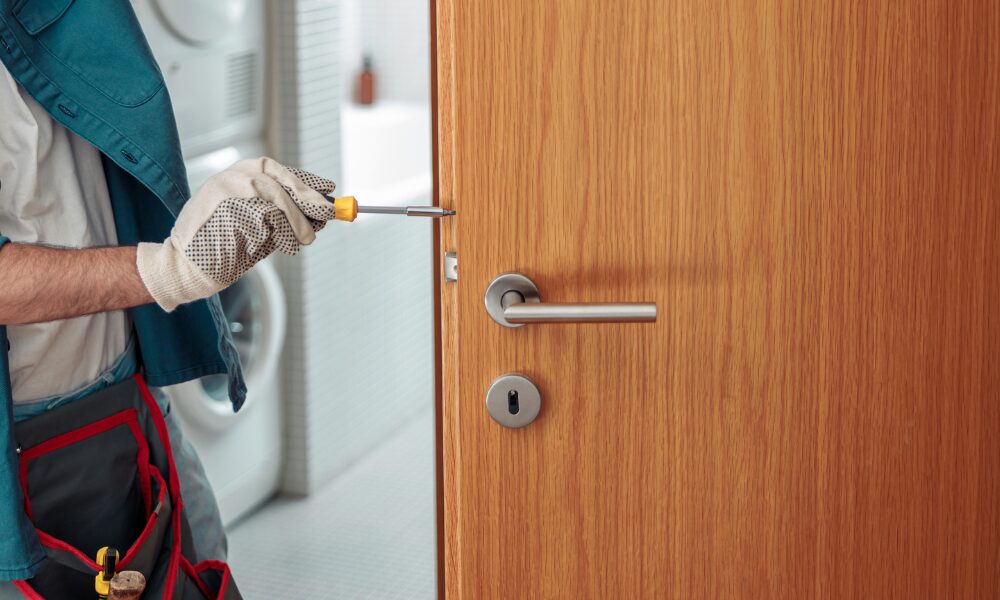
Another way to limit the passage of fire and smoke from one floor to the other is to ensure compartments are maintained with the correct placement and upkeep of fire doors.
Fire doors should be used on entrance/exit of a stairwell assigned as a fire escape to ensure that routes of escape are kept clear and safe for inhabitants who need to flee in the event of a fire.
Regular maintenance of fire doors is paramount to ensure they will function correctly if a fire breaks out. Learn more about correct fire door maintenance.
What products are used for fire stopping between floors?
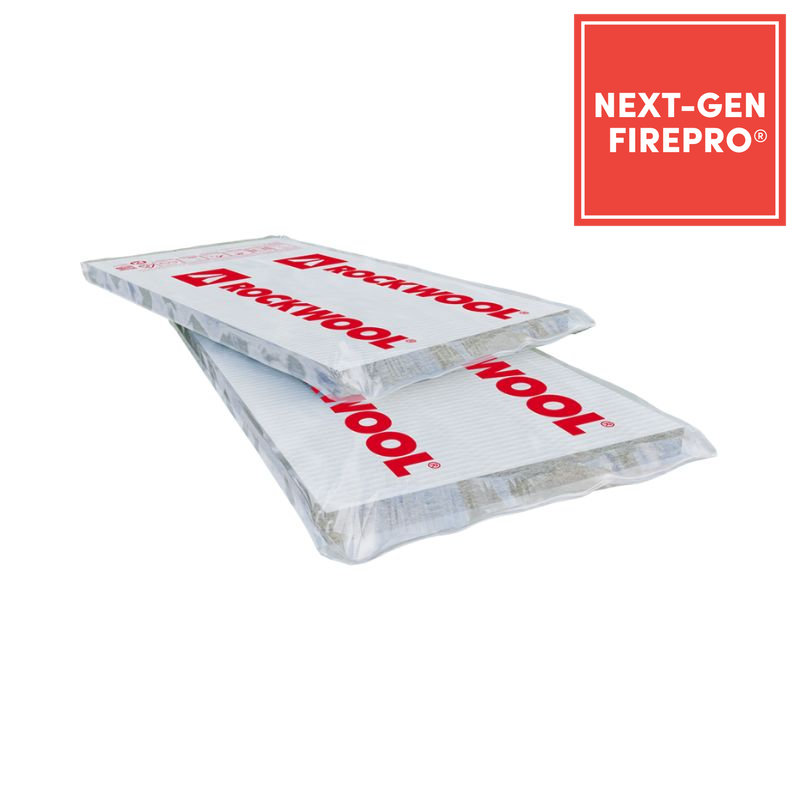
A fire batt can be used between floors built from masonry, composite partition or plasterboard where services need to pass through.
The floor must be a minimum of 150mm thick and a fire batt is only suitable for large openings in floors with the use of additional supports to ensure load bearing capabilities.
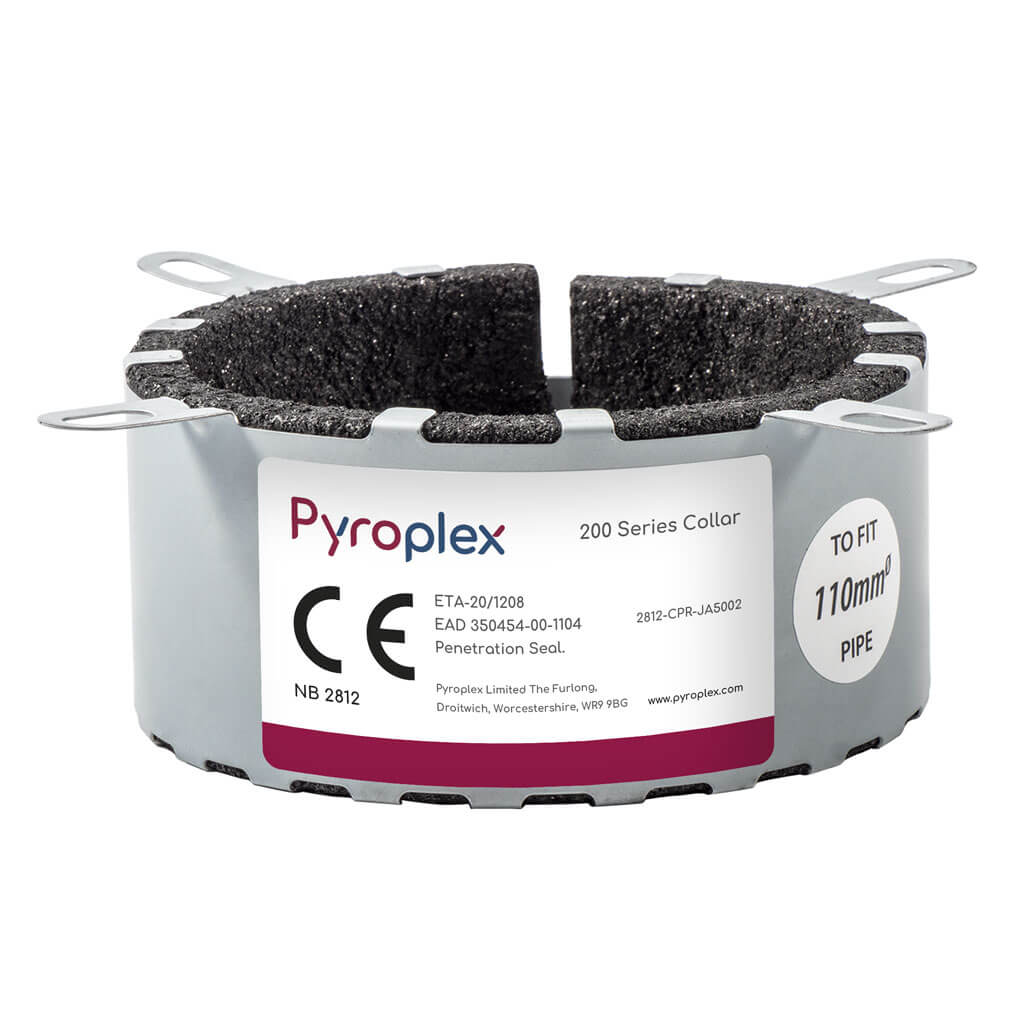
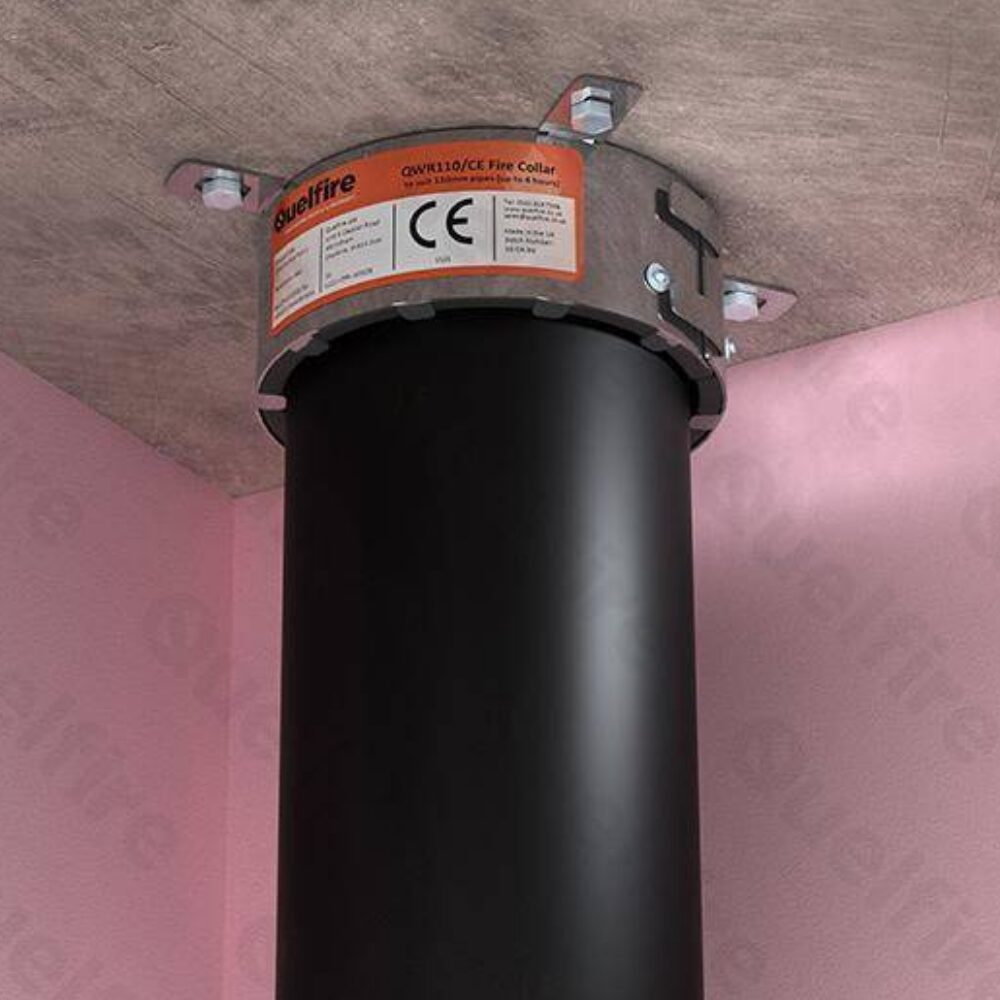
Where pipes pass through floors of a building, these must be fire stopped to limit the spread of fire through these openings. A pipe collar can be placed around a pipe and under extreme heat they react and exert pressure on the pipe, ultimately crushing it to form a plug to stop the passage of smoke and fire through a compartment.
Quelfire Pipe Collars are suitable for both concrete and plasterboard floors and as a result are a popular choice for fire stopping between floors.
Pipe wraps can be used for the same purpose as pipe collars but can be a more simple and economical option.
Similar to a pipe collar, under extreme heat the wrap expands thanks to its intumescent material and fills the void left by the burnt out pipe, meaning fire and smoke can’t breach the compartment for a given amount of time.
Fire resistant mortar can be used to form a fire rated seal around service penetration in floors and walls.
Unlike concrete, it doesn’t expand and contract with heat and so is a good choice when fire stopping fire rated floors.
Conclusion
Fire stopping between floors is crucial to ensure that a compartmentation strategy is being implemented correctly. Although services and pipes may need to cross levels or floors, it’s possible to maintain the fire rating of compartments by using the right fire stopping products.
At FireSealsDirect we are experts in passive fire protection, stocking a vast range of passive fire protection products from intumescent strips to drop down seals and fire collars all from brands you can depend on.
For any advice on the passive fire protection products needed for your project get in touch with us today at [email protected] or 02920 857 959.