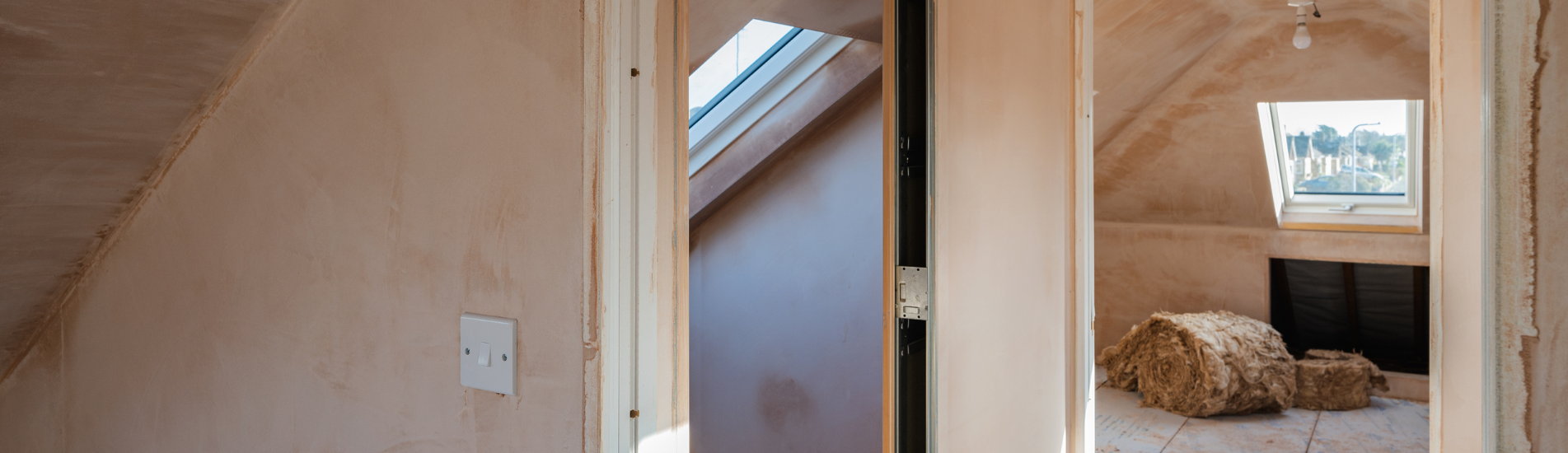
A loft conversion in a two-storey house is a major construction project that requires the owner and building contractor to adhere to strict fire safety regulations (approved document part B), in order to ensure the building is safe to live in.
Any work carried out without receiving approval may not meet these regulations, resulting in your house becoming uninsurable or even unsellable as it will be deemed as unsafe.
In this guide we will explain why fire safety is so important when converting a loft, what building regulations apply to your home, and what is required to keep your home protected.
Why is fire safety important in loft conversions?
Adding another level to your home via a loft conversion poses an increased risk should a fire scenario occur.
During a fire, occupants of the loft will not be able to escape safely if the main staircase becomes inaccessible which is why it is so important to install fire doors and early warning systems within your home, as escaping from a loft window is not safe due to its height.
By having compliant fire safety procedures in place it could save the lives of those within the building.
What are the fire regulations for loft conversions?
There are countless factors to consider and regulations to follow when converting a loft, but fire safety is the most important. Approved Document Part B of building regulations require:
Fire doors
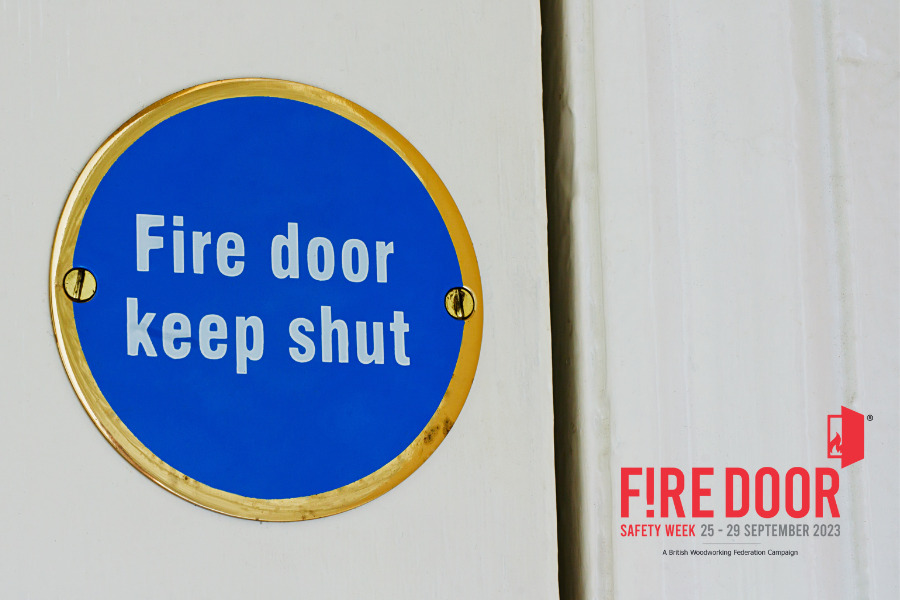
Fire-resistant doors are an essential feature when converting a loft into a habitable space in order to protect stairways and stop the spread of fire and smoke through escape routes.
They need to provide fire protection for at least 20 minutes, therefore a 30 minute fire door (FD30) would be adequate.
Existing loft doors must be updated to certified fire doors, as well as any new doors. Habitable rooms that are on the escape route to the ground floor exit must also be updated with fire-rated doors.
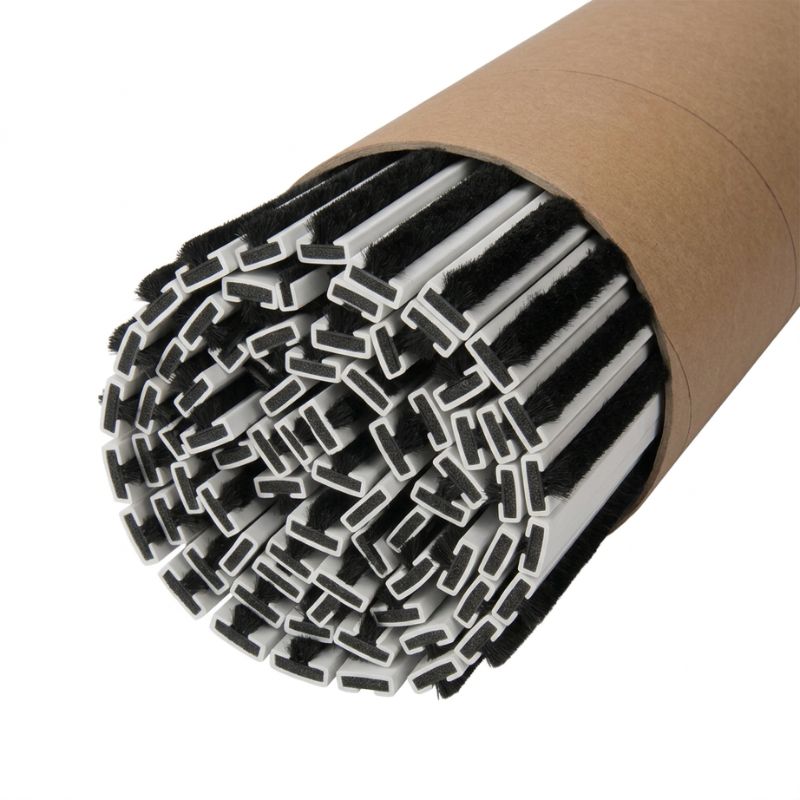
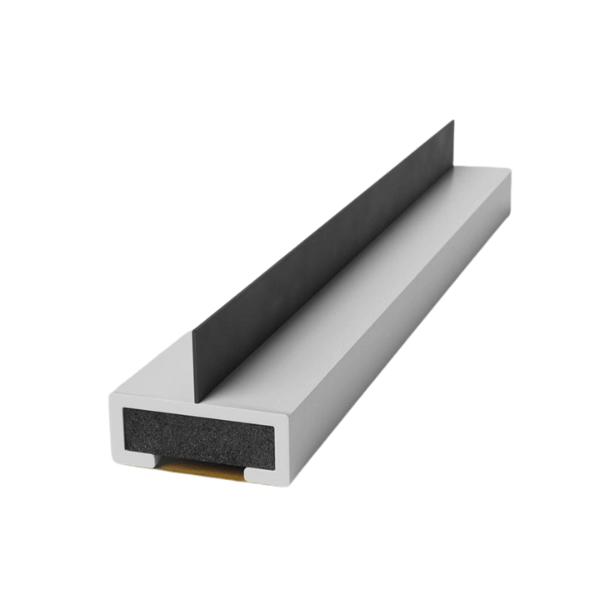
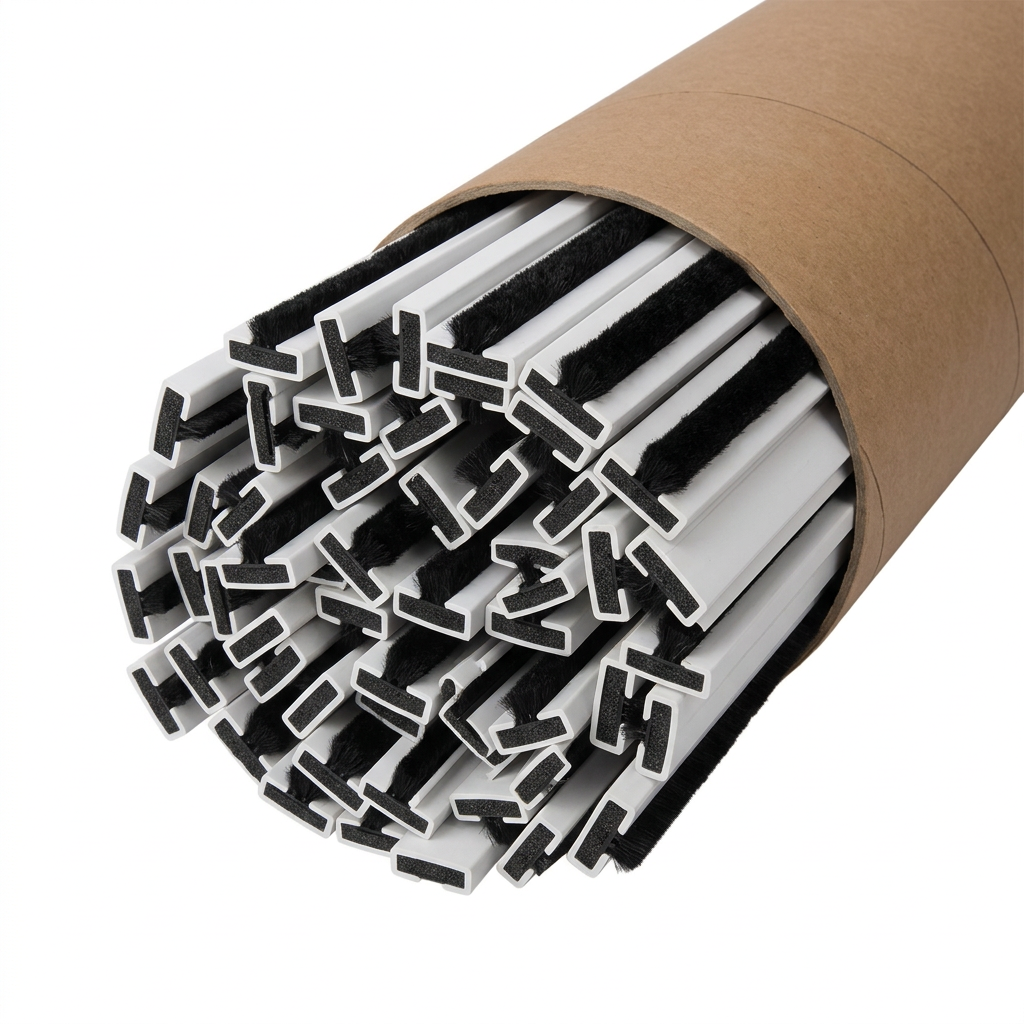
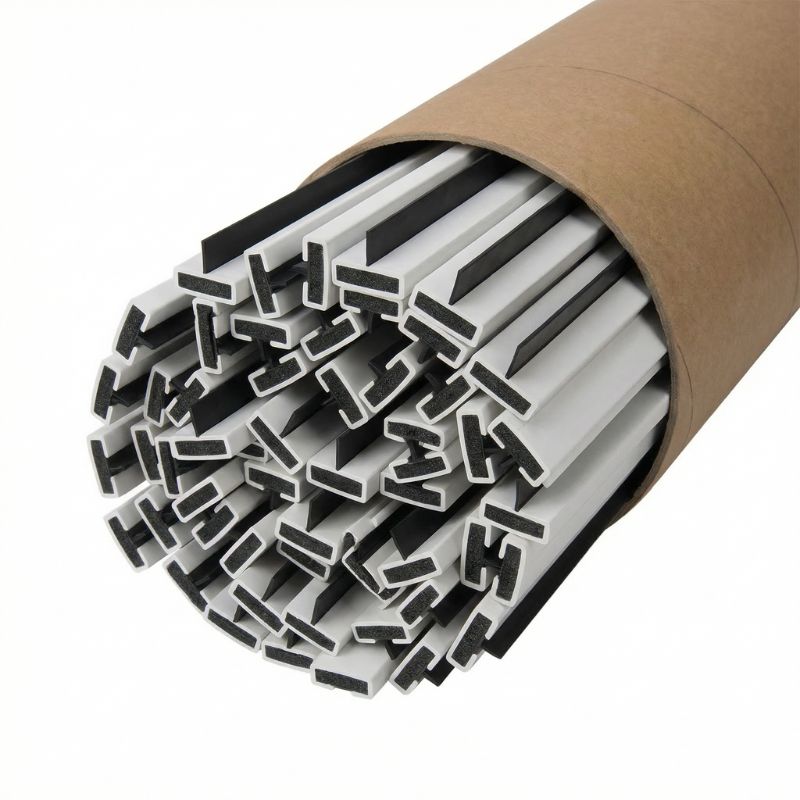
Fire doors are only effective if they’re fitted with the correct intumescent seals and it’s important that these are well maintained to remain effective.
Find out more information on how fire doors work.
Escape routes
All loft conversions must have a protected escape route that leads from the loft to the ground floor exit.
The loft staircase must be built with 30 minutes fire protection, including all walls leading through the escape routes.
Escape routes must be checked against building regulations to ensure there is adequate protection.
Ceilings & walls
Any new storeys need to be compartmentalised using fire resistant materials, this includes fire stopping through ceilings, floors and walls to offer at least 30 minutes fire protection.
This may involve using fire-rated plasterboard to achieve the 30 minute rating required by building regulations.
Any exposed steel or timber beams must be finished with intumescent paint and a flame-resistant coating.
Walls that connect to neighbours or other buildings should be fire-resistant to limit the spread of fire, which could cause damage to other properties.
Escape windows
Loft conversions are no longer required to fit an escape window, however if a window is a potential means of escape it must be large enough, and low enough to escape from.
They should be at least 450 x 450mm, and open 0.33m2.
If there is more than one room within your loft conversion, additional windows may be required should both rooms not have adequate access to the stairs.
Smoke alarms
Smoke detectors are mandatory in a loft where a conversion has taken place in order to detect the early warning signs of fire.
UK building regulations state that mains-powered smoke alarms are to be fitted on each floor of your home, therefore three would be required for a two-storey home with a loft conversion.
The idea is that they all connect with each other so that if one alarm sounds, it will trigger all of the alarms connected.
Sprinklers
Sprinkler systems are not a requirement, however each storey or level situated 7.5m or more above ground level may be required to install an appropriate sprinkler system for extra protection, however these are costly.
Regulations may differ depending on which country your property is located, therefore it is important to check local guidelines before completing any work.
Do fire doors in a loft need to be self-closing?
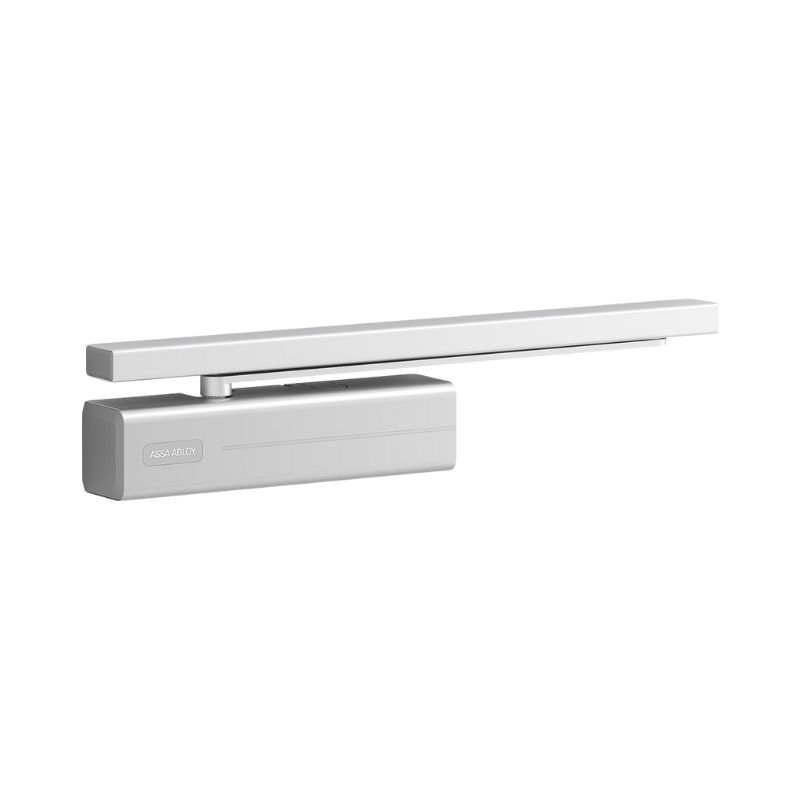
Typically, all fire doors should be self-closing and have a door closing device installed to ensure they are properly closed after use, minimising the spread of fire and smoke in a fire situation. However, they are no longer a legal requirement within dwelling houses after complaints were made by homeowners about their aesthetic.
How we can help
At FireSealsDirect we pride ourselves in being passive fire protection experts, and supply a wide range of products to help increase fire protection in buildings across the UK.
Need some help or advice? Contact our technical team at [email protected] or call us on 02920 857 959 for more information.
Alternatively you can visit our Advice Centre which contains helpful guides and information.