Historically, UK fire safety legislation was confusing and unclear, due to there being around 70 different regulations in existence at one time. Due to the number of laws and their conflicting recommendations, legislation was reviewed and simplified, which resulted in the Regulatory Reform (Fire Safety) Order 2005, generally known as the RRO (or FSO).
The RRO ensures premises are regulated with regard to their fire safety and outlines the responsibilities of individuals in charge.
It applies to:
- All non-domestic buildings
- Buildings containing multiple domestic dwellings
- The building’s structure, external walls and common parts
When are fire doors needed?
According to the RRO, fire doors are needed in the following settings:
Domestic buildings
- In domestic dwellings above two levels, every door leading to a stairwell must be a fire door where the door leads to a habitable room
- In loft conversions
- Between a house and an integral garage
- Between business and residential spaces in a mixed-use building
Non-domestic buildings
- Fire door guidance for non-domestic buildings is determined based on each building and its escape routes
What are the UK fire door regulations?
The RRO states that fire doors must be in accordance with British Standards. As a result, fire doors can either be tested to BS476 or BS EN 1634 which refer to the standard for fire tests on building materials and structures.
UK regulations on fire door ratings
The fire rating of doors - for example, whether it’s 30 minutes (FD30), 60 minutes (FD60) and so on - is determined based on individual assessment which considers the type of building, the location of the door and what’s surrounding it.
UK regulations on fire door components
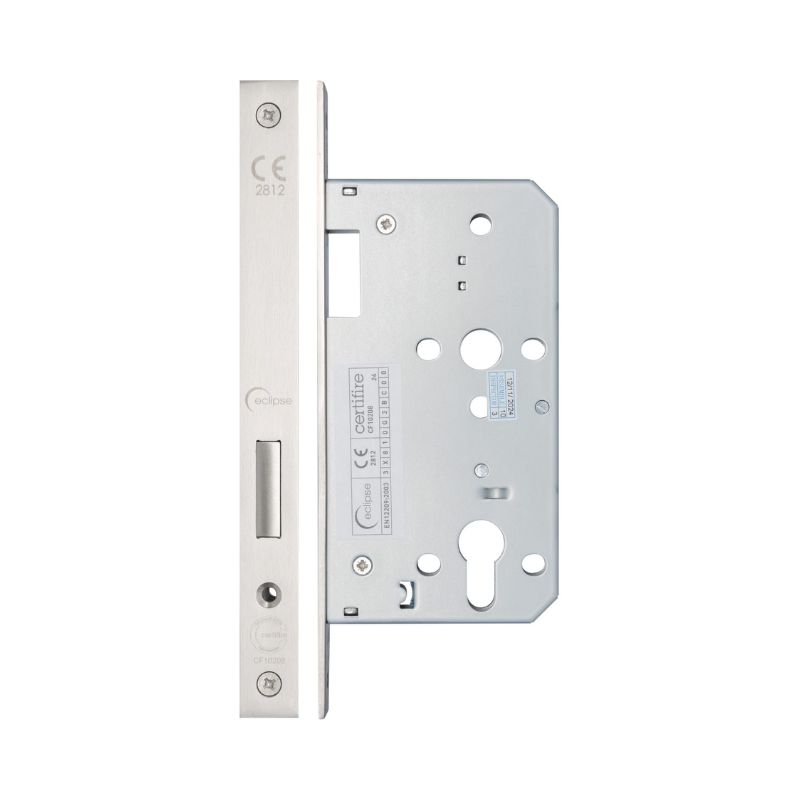
Fire door components are essential to ensure the fire door is effective. This includes the following:
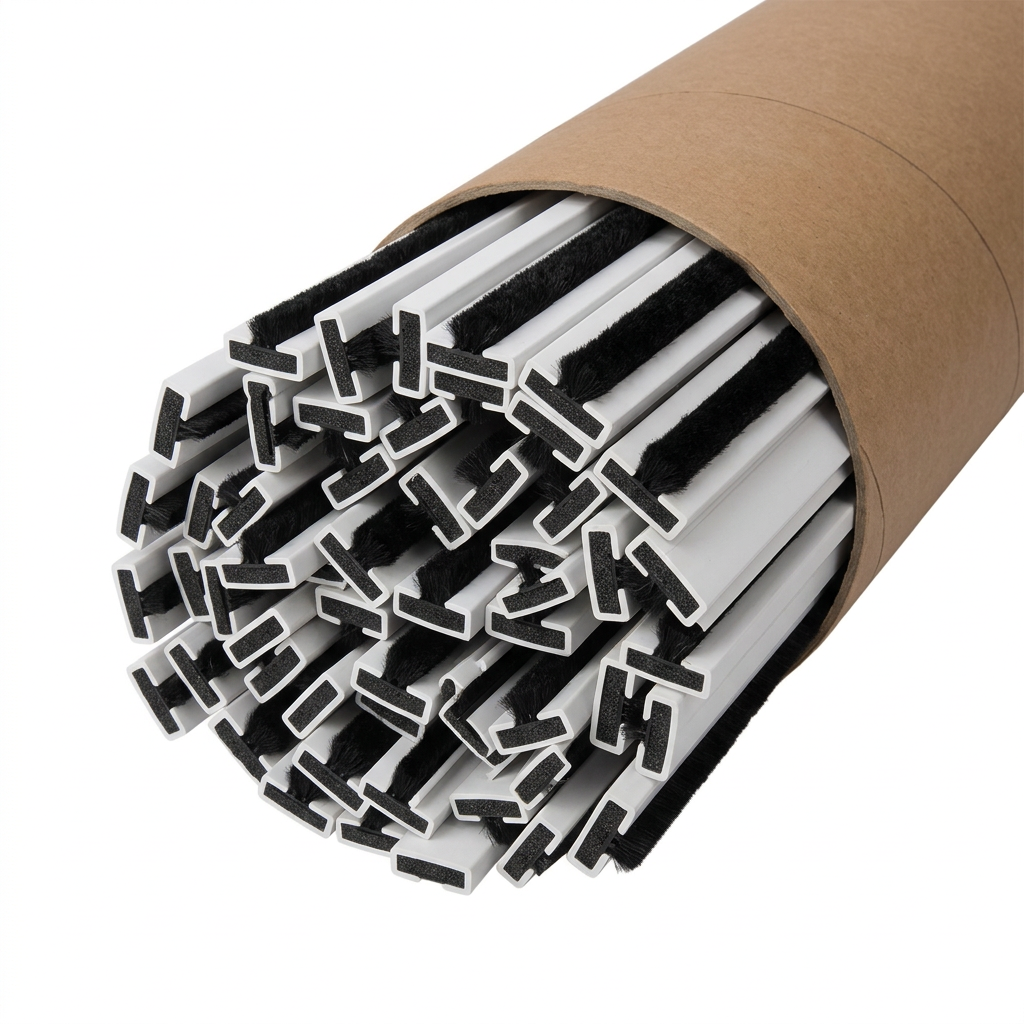
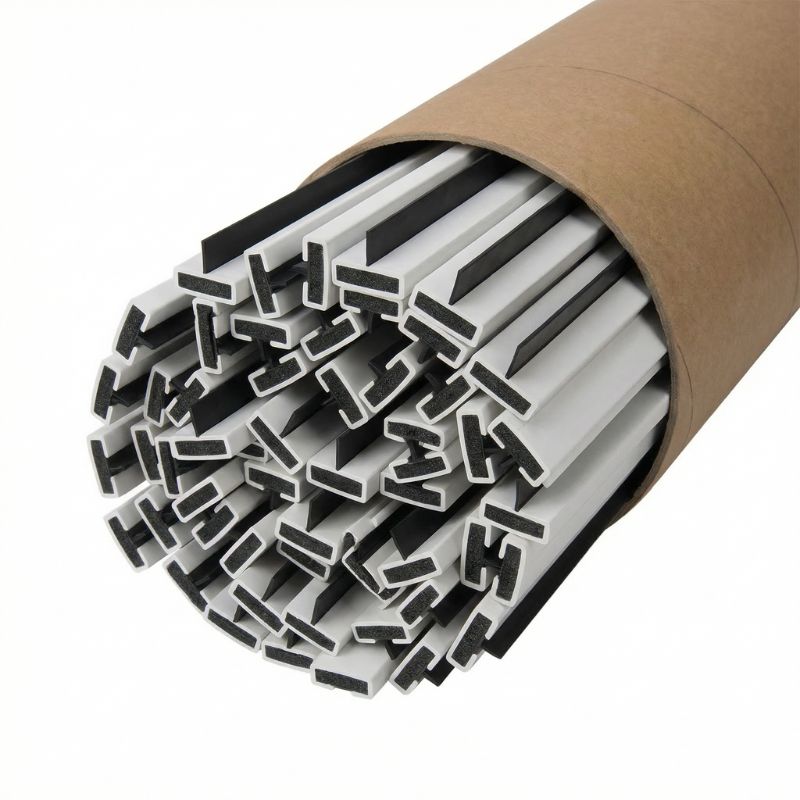
Intumescent Glazing Tape
Used on glass in internal doors, intumescent glazing tape is designed to expand, stopping the spread of fire and smoke. The glazing tape is typically made of silicone and other materials designed to withstand high temperatures.
- Fire Only Door - Gaps around the tops and sides of the door should be between 2-4mm
- Fire & Smoke Door - Gaps around the tops and sides of the door should be 3mm
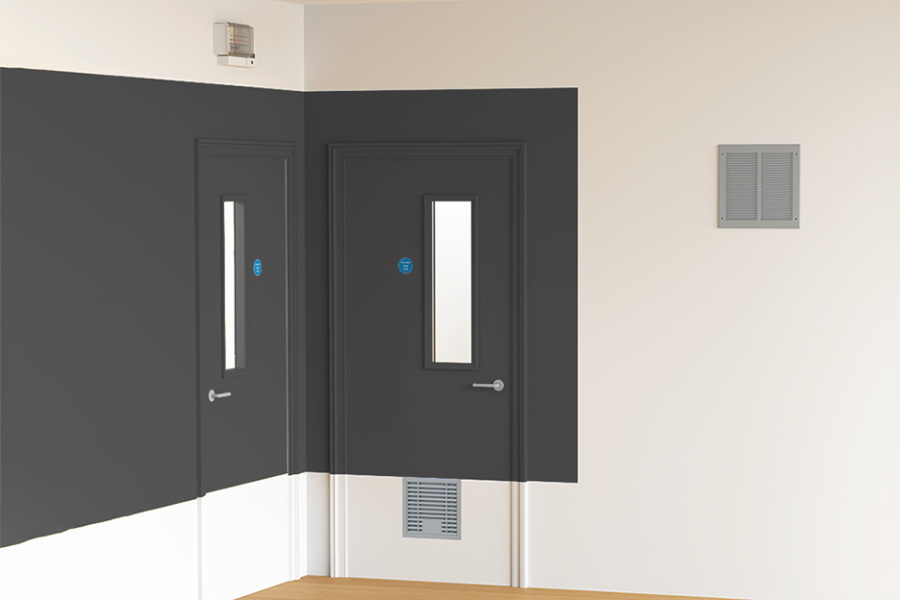
Drop Down Seal
Drop-down fire door seals are typically installed on the bottom edge of a fire door. When the door is closed, they automatically drop down forming a seal to prevent the spread of smoke and fire.
- Fire Only Door - Gap at the bottom of the door should be between 8-10mm depending on the manufacturer’s specifications
- Fire & Smoke Door - The gap at the bottom of the door should be 3mm. If the gap is larger than this, use a drop seal
Hinges
Fire door hinges are designed to withstand extreme heat in the event of a fire. They should be fitted on both Fire Only and Fire & Smoke doors to ensure the doors comply with fire safety regulations. The hinges should be a minimum of 3mm and stamped with a fire symbol that demonstrates they have been tested to meet fire safety regulations.
Door Closer
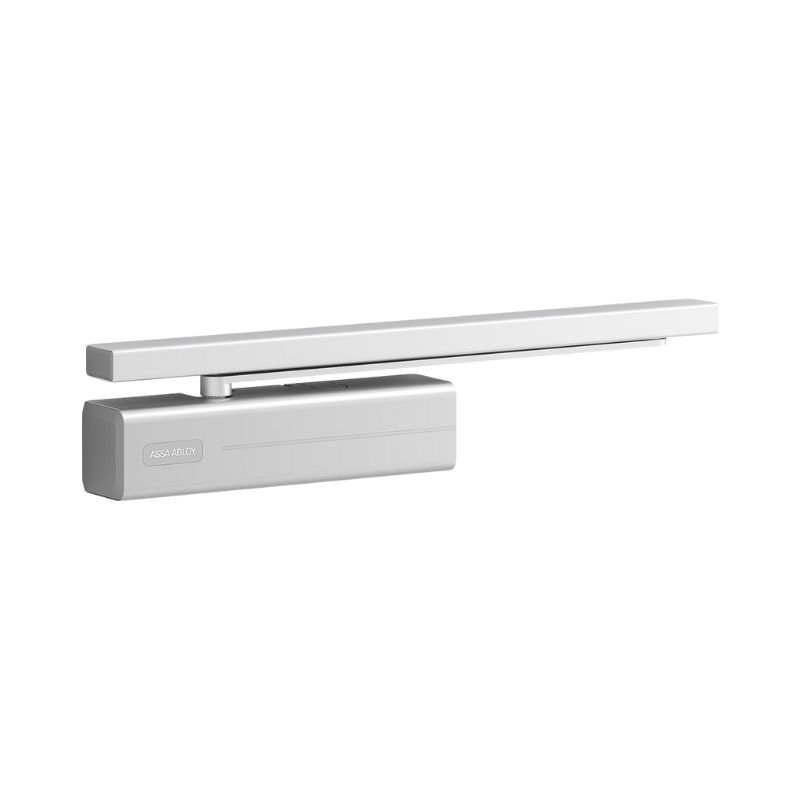
For both Fire Only and Fire & Smoke doors, the door should close firmly from a halfway open position and not stick. Fire door closers are designed to automatically close a fire door to stop the spread of smoke and flames.
Signage
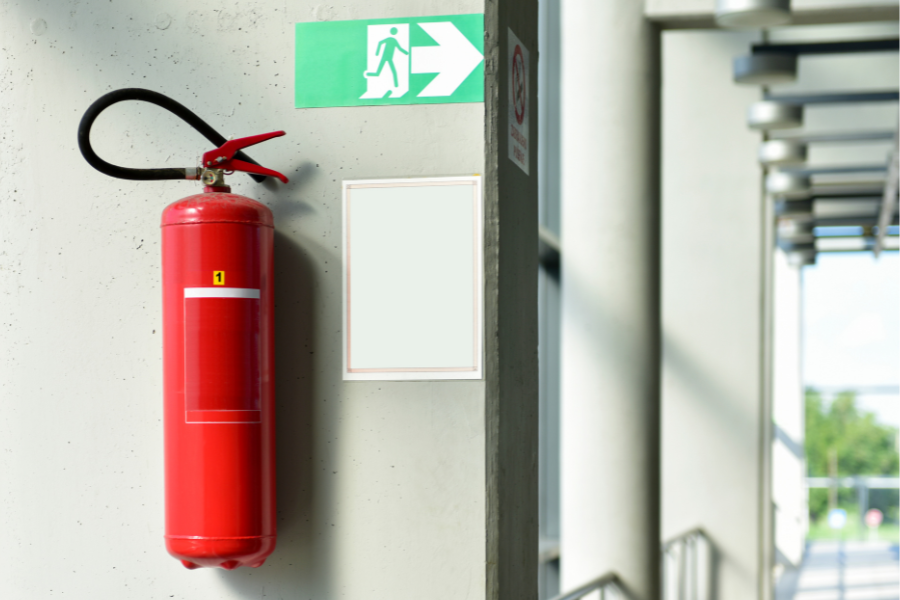
In commercial properties, there must be correct signage on all fire doors and fire exit signs placed around the property to indicate the nearest fire exit in the event of an emergency.
Landlord Fire Regulations
Fitting and maintenance of fire doors in a commercial building is the responsibility of the ‘responsible person’, generally the landlord, employer, contractor or person providing accommodation for paying guests.
Checks should be carried out at least once every 6 months or more regularly for doors that experience high volumes of traffic.
Fire Risk Assessments
Landlords have a duty to ensure their properties and premises are safe for tenants. Fire safety regulations for landlords state that they are legally required to conduct a fire risk assessment on their premises.
How We Can Help
If you need any advice on what fire door components you need for your project, or if you have any questions about our products, please don’t hesitate to get in touch with our Technical Team.