



Choosing The Right Lock For Your Fire Door
Discover different types of fire-rated locks & factors to consider when selecting a lock for your fire door to ensure compliance.

Written by Rebecca
23rd April 2024
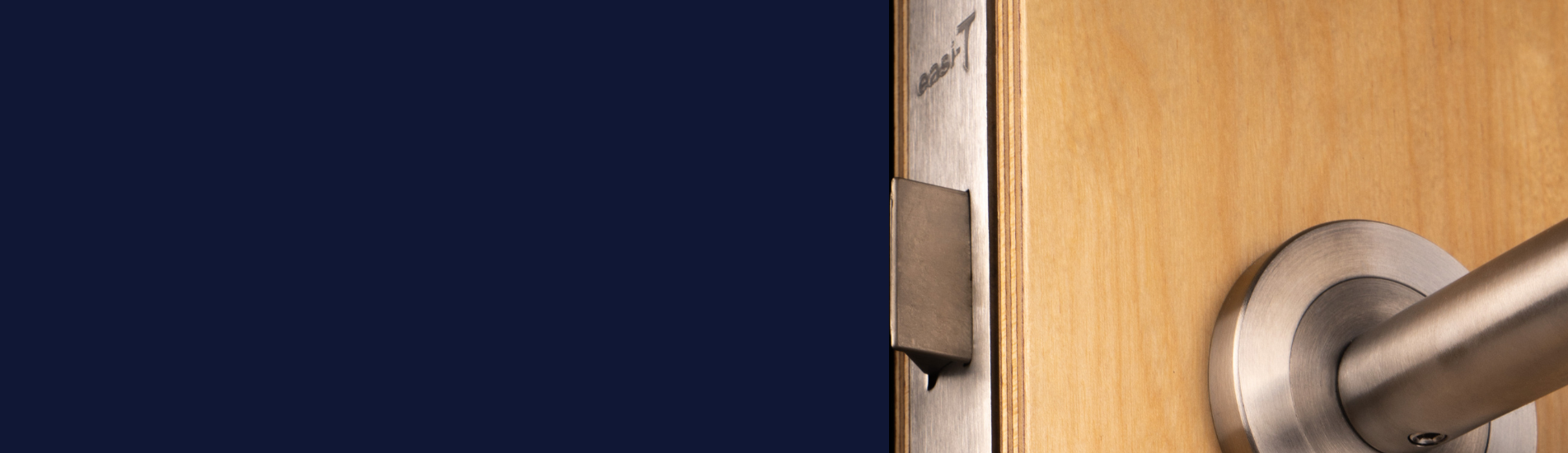
Fire doors are mandatory in a variety of buildings, ranging from offices and commercial establishments to multi-occupied residencies. However, not all fire doors will feature the same lock or latching system.
Choosing the right lock for your fire door will depend on factors such as the location of the door, frequency of use, and the required level of security.
For instance, fire doors situated along escape routes should never be locked, whereas residential flat front entrance doors necessitate a locking mechanism for security purposes.
In this blog, we'll explore different types of fire-rated locks and latches, and the factors to consider when choosing one for your fire door to ensure maximum safety and compliance with regulations.
Choosing the right lock for your fire door
When selecting a lock for a fire door, several factors should be taken into consideration to guarantee the door's effectiveness in preventing the spread of fire and ensuring the safety of occupants.
Fire Rating
Ensure the lock has been tested and is compatible with the fire rating of the door – typically 30 or 60 minutes for timber fire doors.
Additionally, intumescent lock protection is essential to maintain the integrity of the door core.
Testing
Mechanically operated fire-rated locks must be CE/UKCA marked, supported with a Declaration of Performance (DoP) - without a DoP the conformity mark is invalid.
If the door core is Certifire approved, locks must possess Certifire certification to prevent invalidation of the fire door.
Security
Select locks that provide strong protection against unauthorised access while permitting quick and easy exit during emergencies.
Security levels vary based on the number of levers within the mechanism; three-lever locks provide good security, while five-lever locks offer higher protection and are approved by home insurers.
Durability
Fire-rated locks are made of robust materials like steel in order to withstand daily use and possess higher heat tolerance than traditional locks.
Accessibility
Consider the needs of all building occupants, including those with disabilities. Choose locks that are easy to operate and comply with accessibility standards to ensure everyone can safely navigate the building in emergency situations.
Refer to the door manufacturer's data sheet for permitted latch or locking systems.
Types of locks for fire doors
A variety of fire-rated locks are available on the market, each serving specific purposes tailored to different needs and situations.

Deadlocks
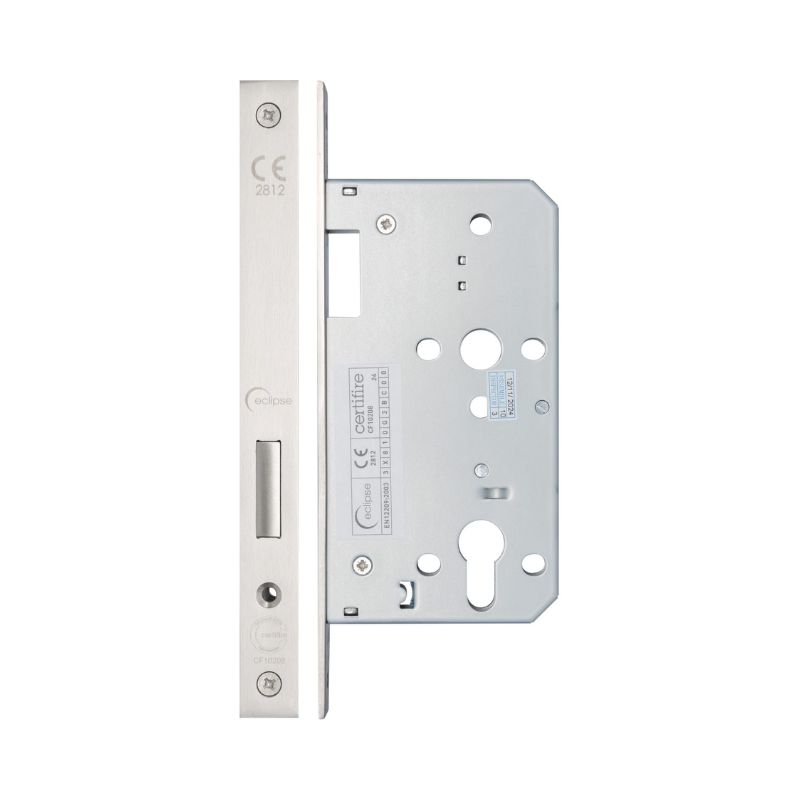
A deadlock is a type of lock that keeps the door securely shut once locked. Operating solely via a key mechanism, it enables locking and unlocking from both sides of the door without a latch or catch section for handle operation.
Commonly found on doors providing entry to cleaner cupboards, maintenance hatches, or plant rooms, deadlocks are favoured for their ability to maintain restricted access.
Sashlocks
A sashlock essentially combines the features of a deadlock with an additional handle-operated latching system, enabling the door to open and close without the need for a key. However, it still allows the door to be securely locked upon exiting a building.
They are suitable for offices and classrooms, where doors may require occasional locking to maintain privacy or security.
Moreover, sashlocks are often installed on flat entrance doors to meet the demands for privacy and security in residential settings. However, they must have a thumb turn cylinder mechanism on the internal side of the door to facilitate swift and easy escape for residents during emergencies, as mandated by Article 14 of the Fire Safety Order.
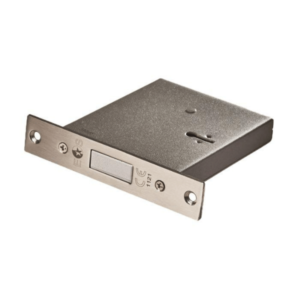
Fire Brigade Lock
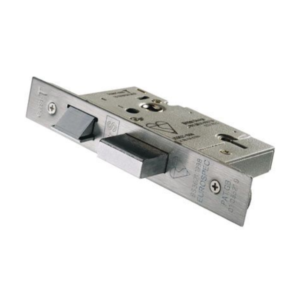
Fire brigade locks are used where emergency responders may need to reach critical infrastructure or resources without resorting to destructive methods like breaking down doors, which could also cause delays.
They are commonly installed on doors located in communal areas such as dry risers and utility cupboards. These locks are specifically designed to ensure controlled access, allowing entry solely with a designated universal key.
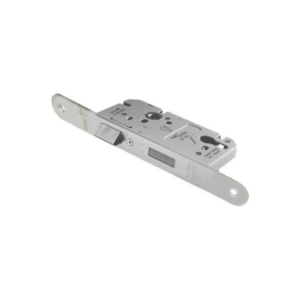
Din locks
Din locks adhere to standard specifications established by the German Institute for Standardisation and are commonly used in Europe. They are recognised for their durability and compatibility with a wide range of doors and hardware components which allows for easier installation and maintenance.
These locks follow precise dimensions and mounting standards, ensuring seamless integration into various door systems.
They are available as a deadlock, sashlock and nightlatch.
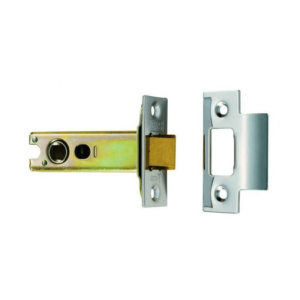
Fire rated latches
Latches are typically installed where there is no requirement to lock the interior fire door, such as sub-office doors and storage rooms.
They allow the door to be opened and closed by means of a door handle or knob, where the latch secures in place with a strike plate that is attached to the frame.
To maintain the integrity of the fire door, latches require intumescent protection.
Ancillaries
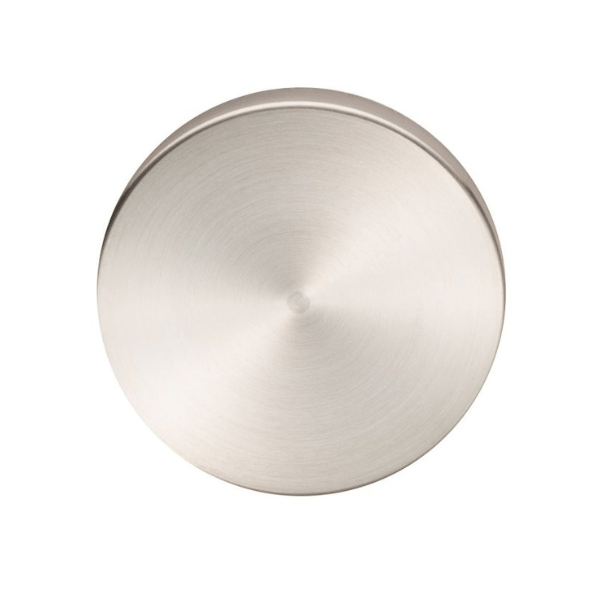
Fire-rated cylinder lock barrels, escutcheons and handles all contribute to a reliable system and may be required as part of your lock or latching system.
How we can help
At FireSealsDirect, we provide an extensive range of fire-rated locks and latches sourced from trusted manufacturers including Carlisle Brass, Zoo and Arrone. Our selection ensures that we offer solutions suitable for all types of fire doors.
As experts in passive fire protection, we are available if you need any help or guidance when choosing the right product for your fire door or fire stopping project.
Contact our expert customer care team at [email protected] or call 02920 857 959 for more information.
Related Articles
Everything You Need To Know About The Applique Drop Down Seal
Find out everything you need to know about our best-selling surface mounted...
Read more

Fire Escape Regulations in the UK
Learn more about Fire Escape Regulations in the UK and what is...
Read more

A Guide to Essential Fire Door Ironmongery
Discover the significance of fire door ironmongery and the importance of ensuring...
Read more