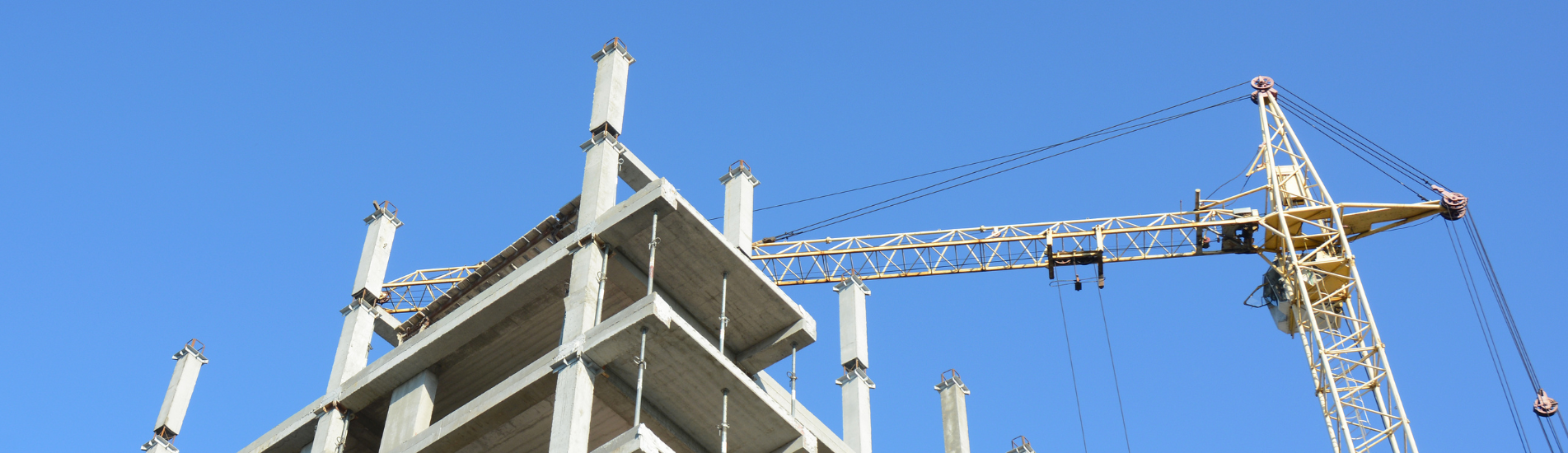
Ensuring buildings are fire safe starts right at the beginning of planning new builds or renovations where it’s essential that the right materials are used not only according to their load-bearing capabilities but also with their susceptibility to decay and ability for fire resistance in mind. This ensures that the right level of protection is in place for a building in line with building regulations and that the building inhabitants are kept safe.
While no building material is 100% fireproof, appropriately constructed buildings can help protect inhabitants in the event of a fire as far as possible by utilising materials that are fire-resistant. Fire resistant materials simply take longer to be affected and compromised by fire.
Below, we review some of the most commonly used fire resistant materials in construction and their characteristics:
Bricks
As bricks are made in a fire kiln they are a brilliant fire resistant material and can withstand temperatures of up to 1200℃.
However, in order to build a wall mortar is often used between the gaps of each brick and this substance isn’t as fire resistant. While mortar is made of a mix of clay, cement, lime and sand which are all fire resistant, when exposed to a sudden large increase in temperature, mortar can crack and expand, affecting the integrity of the structure.
Steel
Steel is a favoured material in construction thanks to its high structural integrity. It’s resistant to degradation and can withstand the onslaught of termites, rust and rot, however it’s not as resistant to fire.
When exposed for a long period of time, steel beams sag and columns will give way causing the building structure to collapse. Anything above 600℃ can cause stress and at 1400℃ it will melt.
As steel is such a commonly used material in construction, considering fire protection is essential. Steel can be coated in products such as intumescent paint in order to provide more fire resistance and comply with fire safety regulations. Intumescent paint forms a charred layer over the structure when exposed to extreme heat which adds further protection and integrity.
Timber
It’s well known that wood is a conductor of heat, however timber has self-insulating properties meaning it’s a viable choice for construction.
When timber catches fire it chars to a certain depth and that charred layer then acts as a barrier and subdues the fire. Timber can also be treated with fire retardant chemicals or intumescent paint to add further fire resistance and to delay the effects of fire for a given amount of time.
Stone
The fire resistance of stone can vary hugely depending on the type used. For example, granite explodes when exposed to heat and is therefore a tricky material to manage when used in construction.
Limestone also crumbles into quicklime and slate expands creating cracks when exposed to extreme heat.
However sandstone can withstand moderate fire conditions and is therefore less likely to crack and break apart like other stone material thanks to its composition of small mineral particles and rock fragments.
Concrete
One of the most common building materials, concrete can be an excellent fire resistant material depending on the quality and the aggregates used.
Reinforced concrete has low thermal conductivity, meaning it takes a long time for fire to affect its load bearing ability and can withstand temperatures of up to 1000℃ for approx. 60 minutes before it starts to lose strength.
Glass
If glass is exposed to extreme heat it is prone to cracking and shattering. As a result, reinforced glass is often used in construction.
Georgian wired glass is used in fire doors and walls which is a type of tempered glass featuring a grid or mesh of thin metal wire which prevents the glass from shattering in the event it breaks under pressure and heat from fire.
Conclusion
It’s important to note that no material is ever 100% fire-resistant, although using materials and components that can resist the passage of fire for a certain amount of time works to set a building in accordance with safety regulations.
It is for this same reason that passive fire protection is so important as all that can be done is reduce the passage of fire through a building for a given amount of time and work to ensure the building structure can remain intact for as long as possible.
How We Can Help
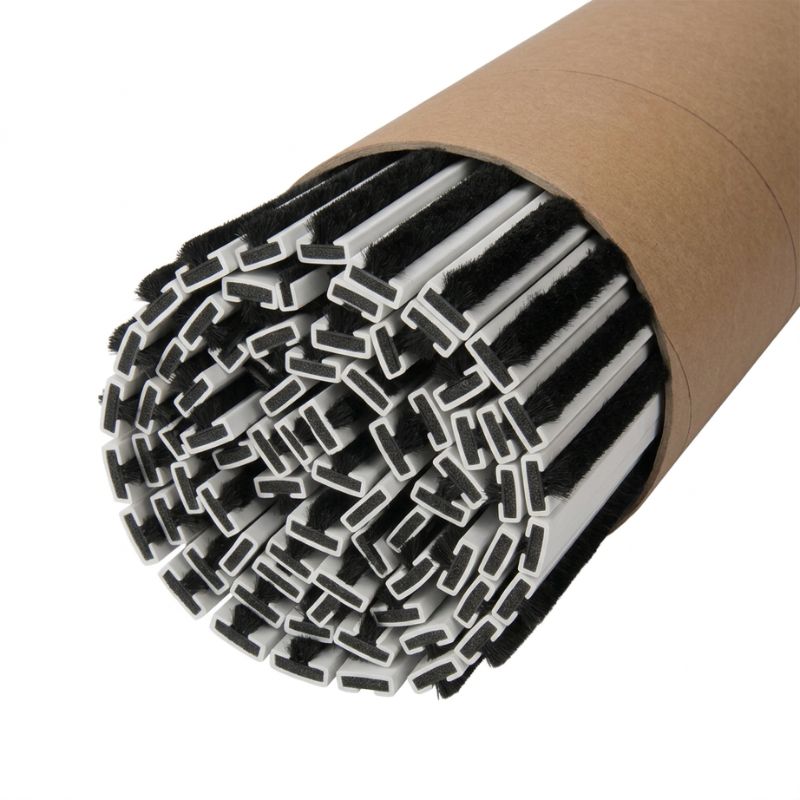
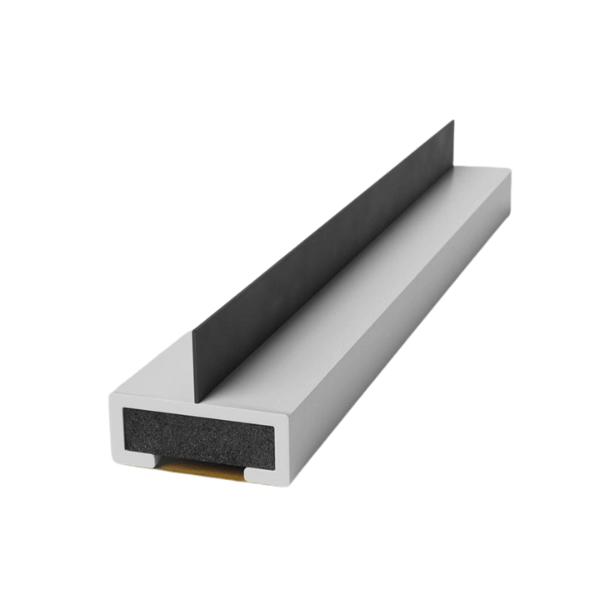
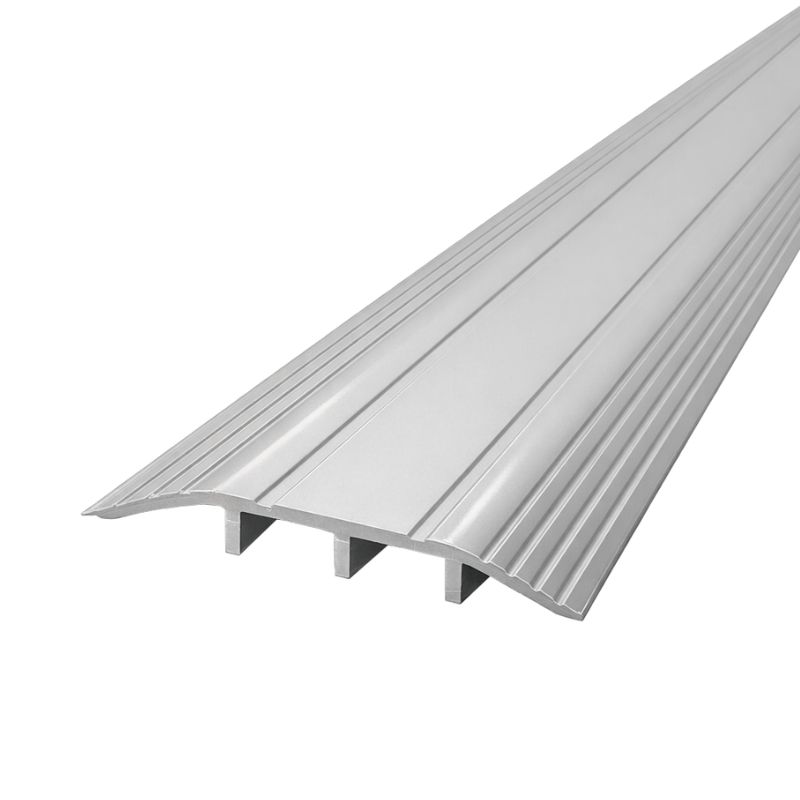
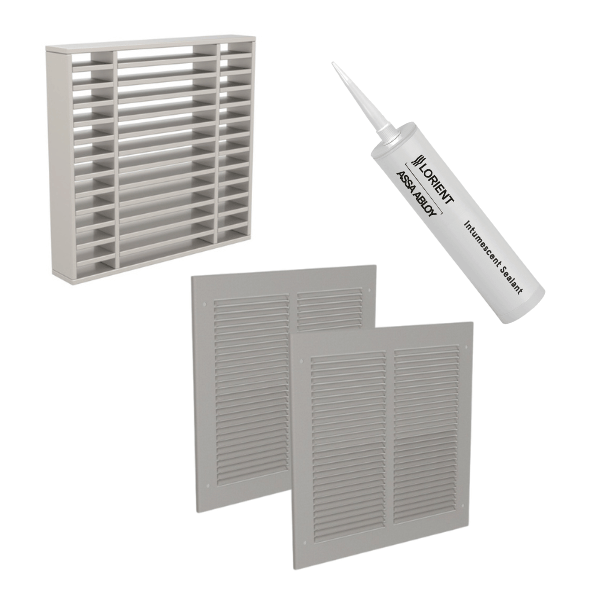
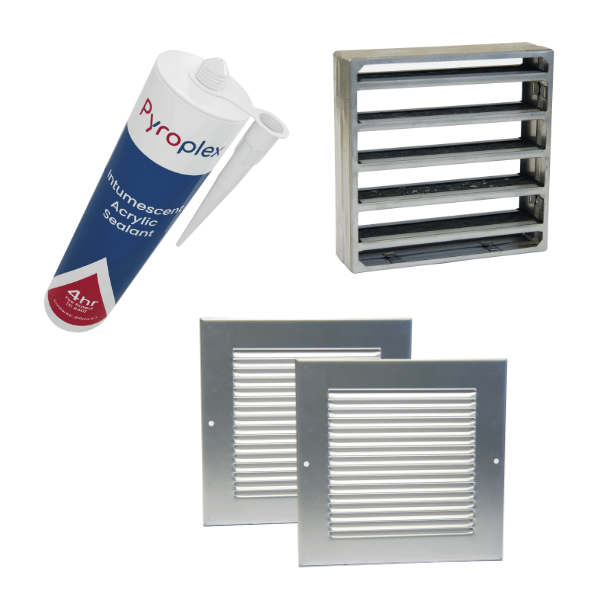
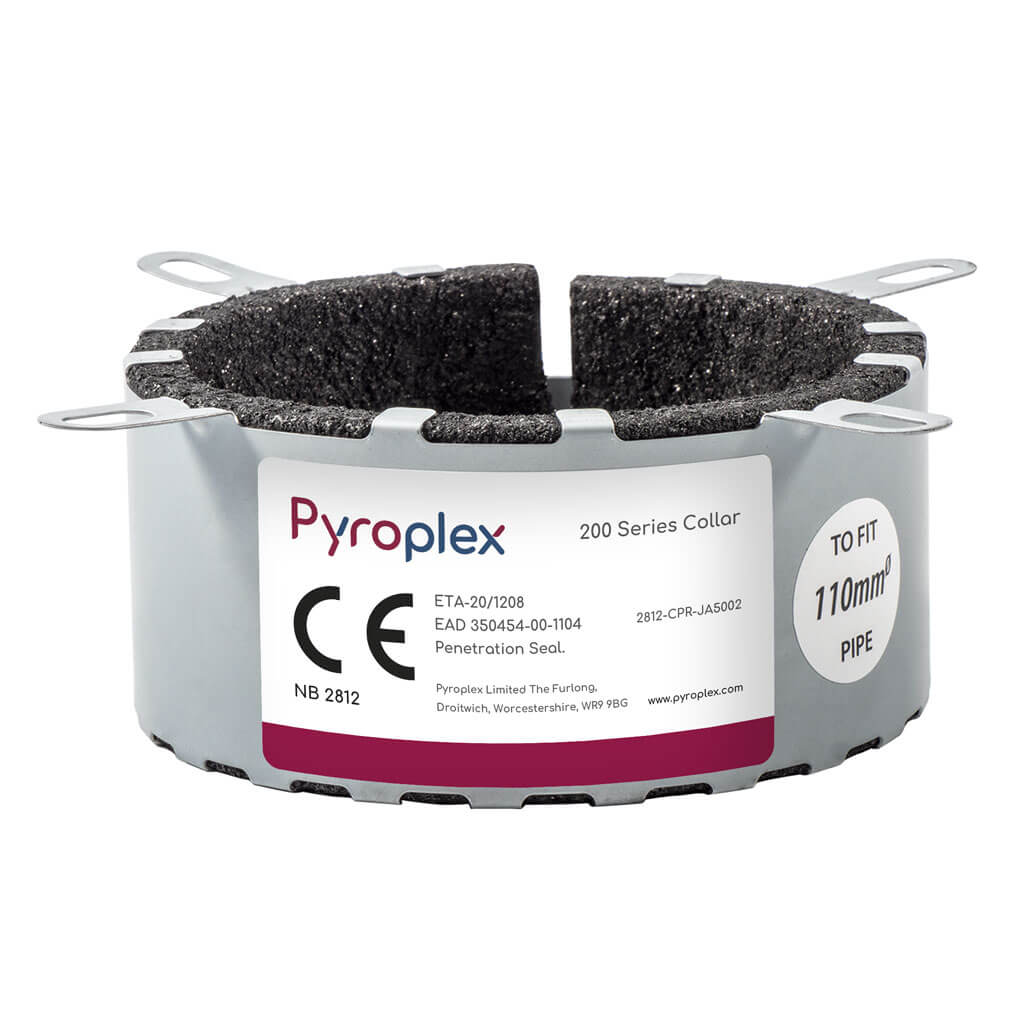
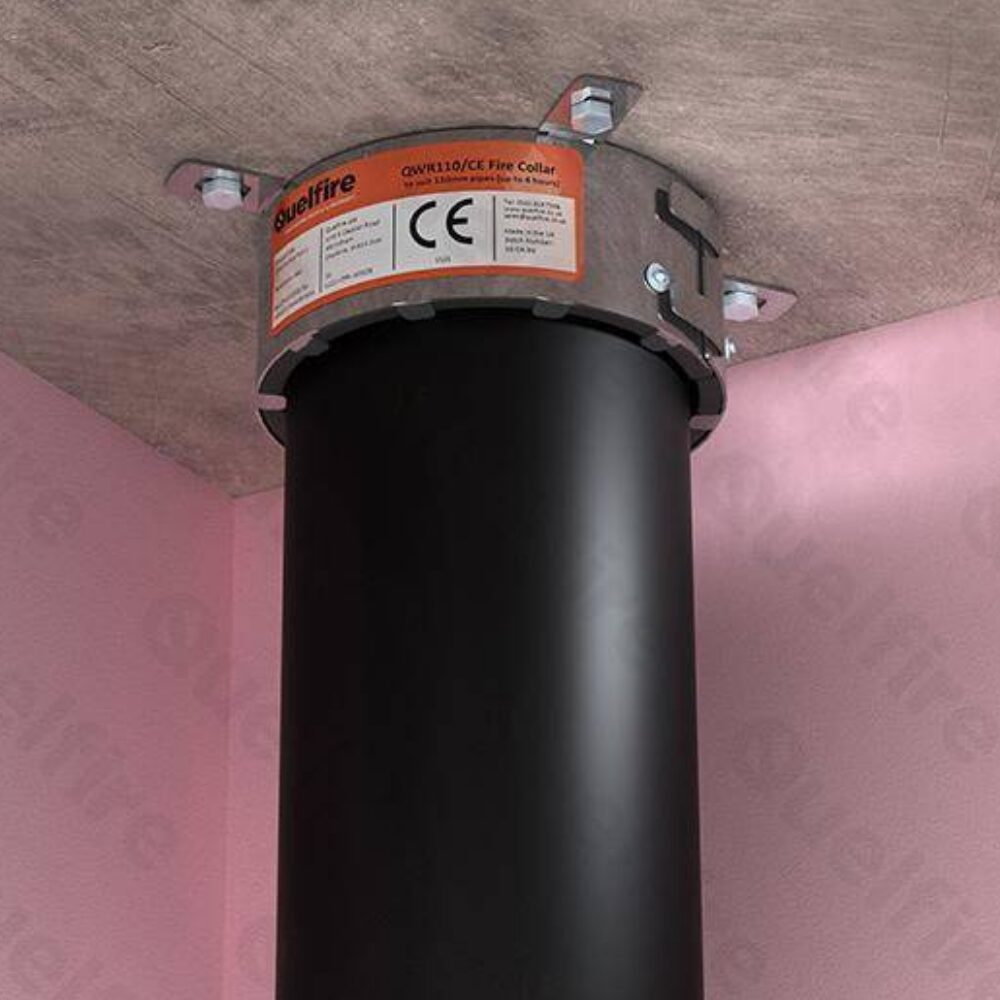
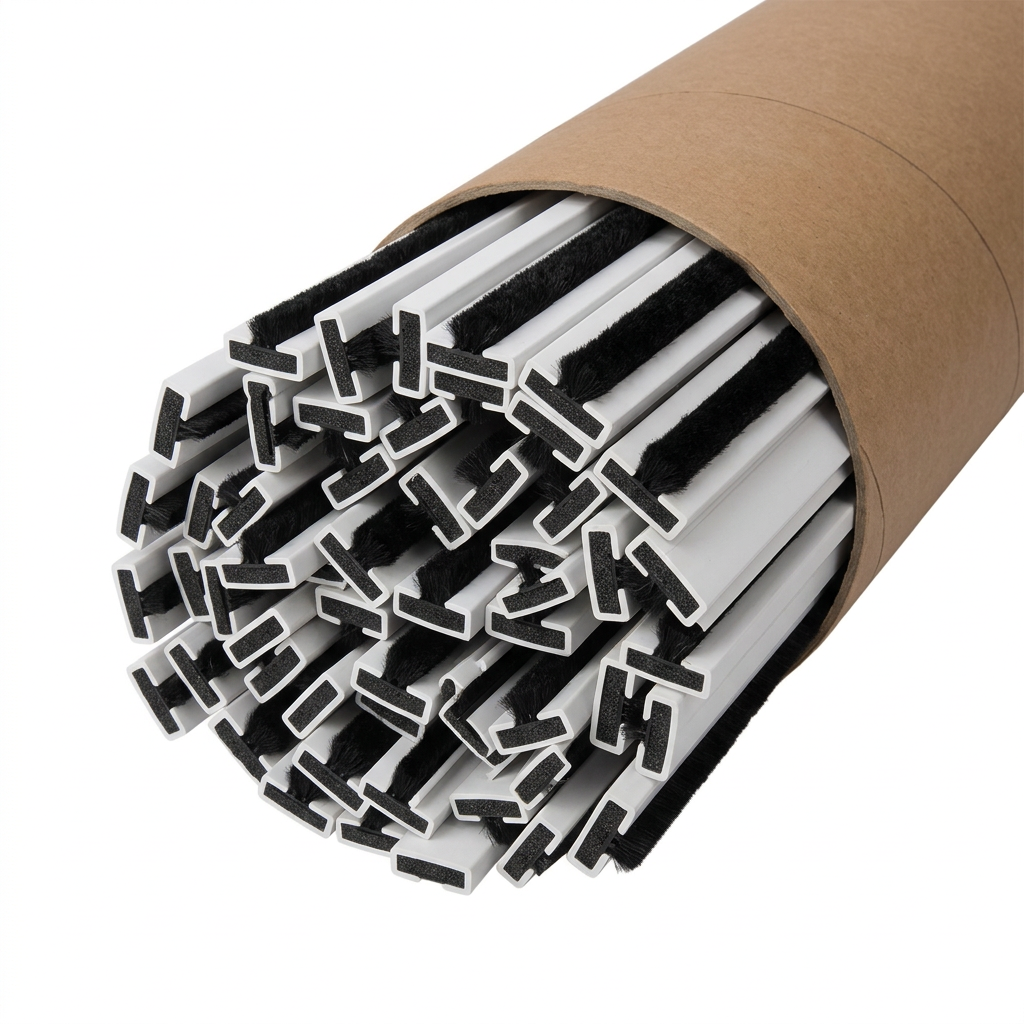
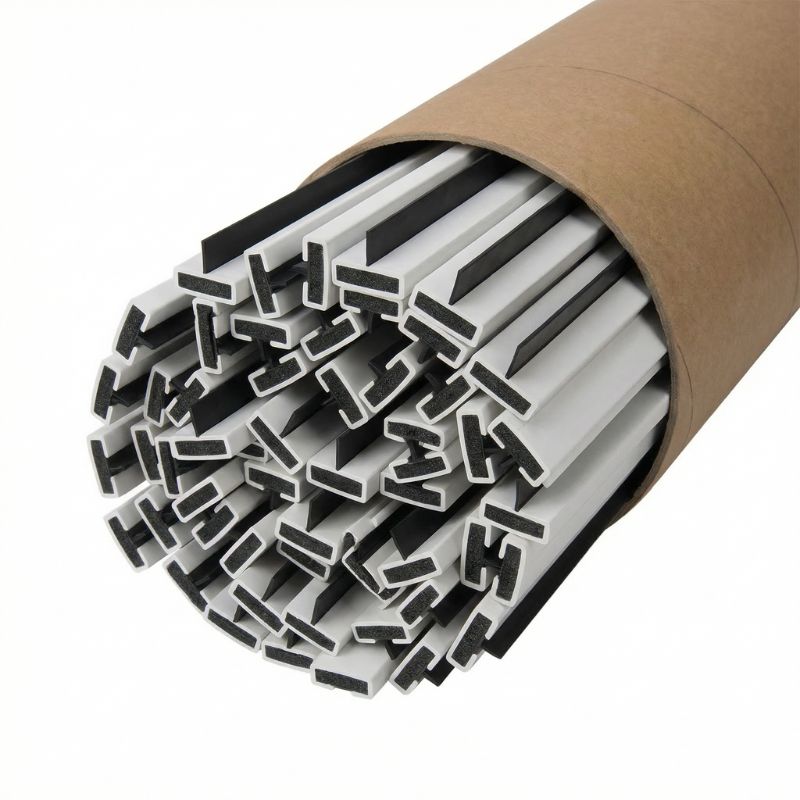
At FireSealsDirect we are experts in passive fire protection, stocking a vast range of passive fire protection products from intumescent strips to drop down seals and fire collars all from brands you can depend on.
For any advice on the passive fire protection products needed for your project get in touch with us today at [email protected] or 02920 857 959.