
70 items
Filter
Filter
Certifire Approved
FD30
FD60
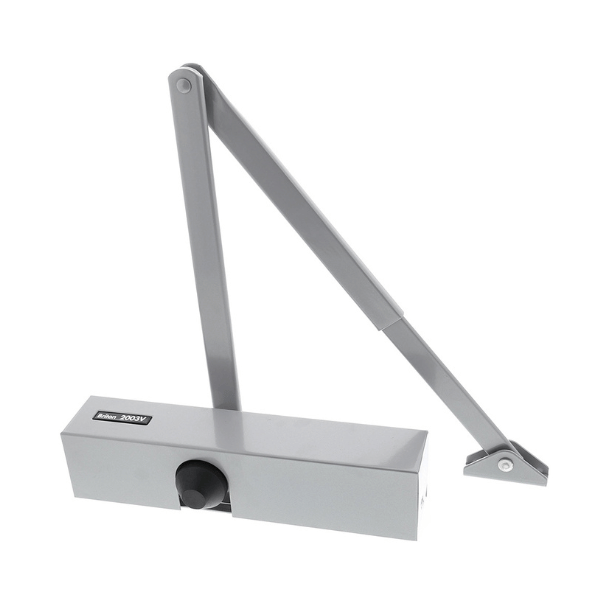
EEB2003V
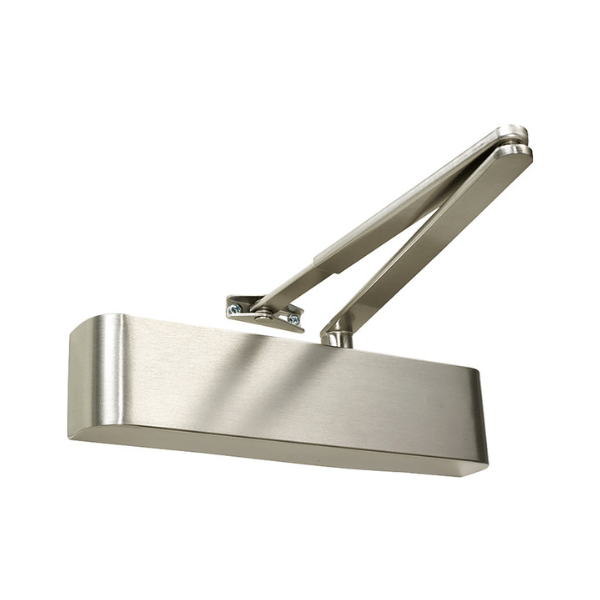
Briton 2003V EN 2-4 Door Closer
£73.73 Inc. VAT£61.44 Exc. VAT
 293 in stock
 Certifire Approved
FD30
FD60
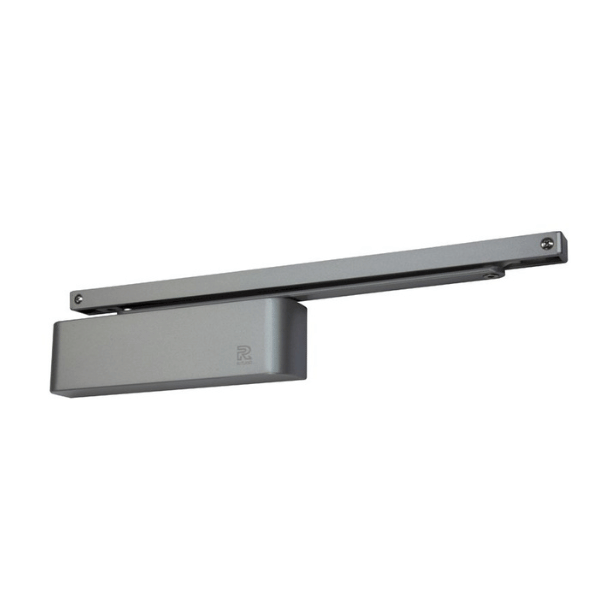
EE55
Rutland TS11205 Cam Action Door Closer With Cover - Silver
£193.40 Inc. VAT£161.17 Exc. VAT
2 in stock Certifire Approved
FD120
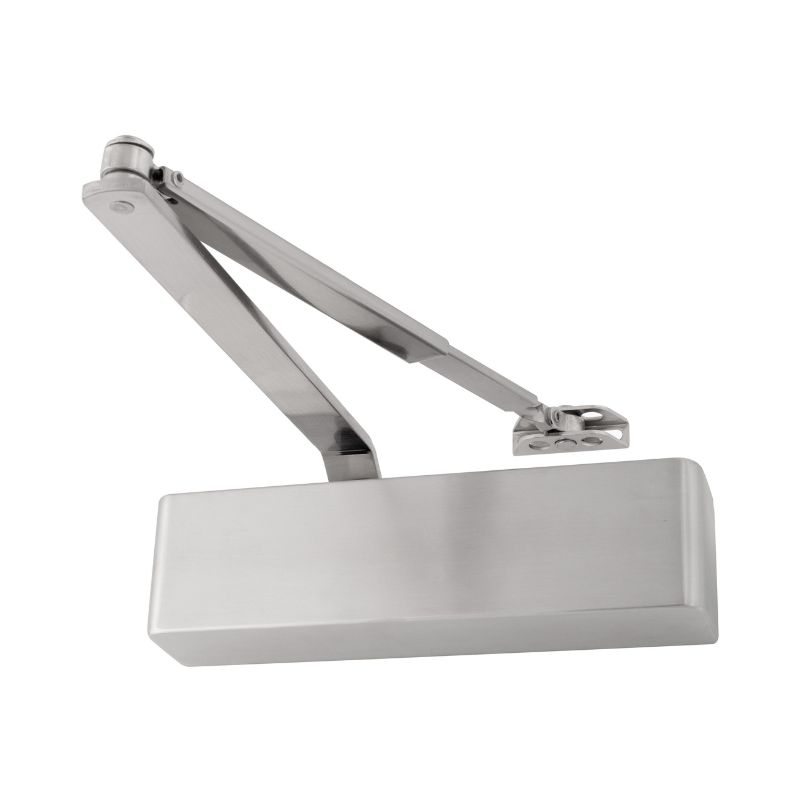
ECDC002
Eclipse 93 Series Overhead Door Closer - Size 2-4 - Delayed Action & Backcheck - Satin Nickel
£40.57 Inc. VAT£33.81 Exc. VAT
60 in stock 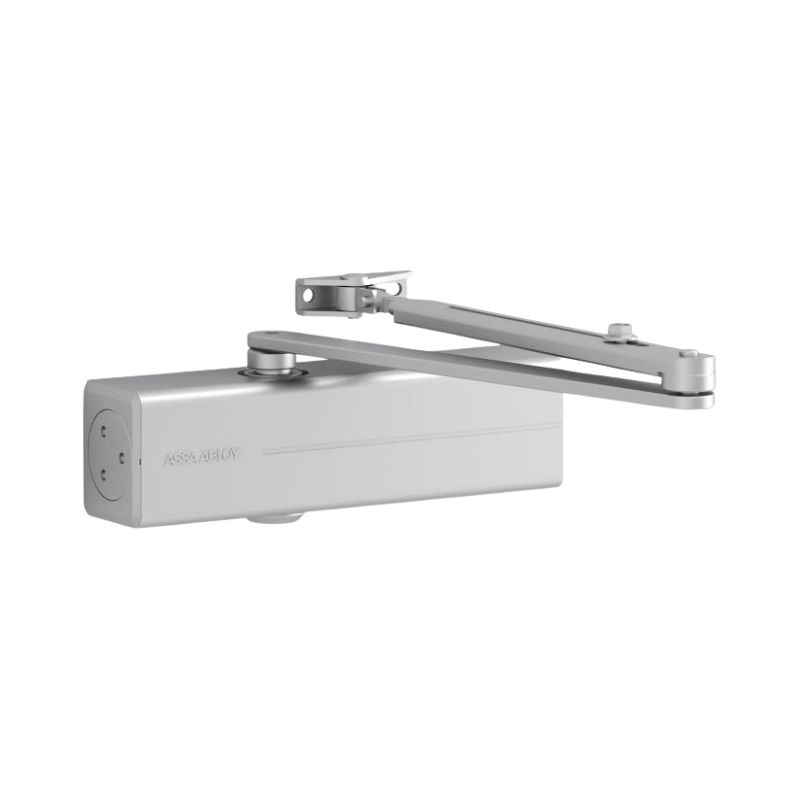
FDHDC200A
Assa Abloy DC200 EN 2-4 Rack & Pinion Fire Door Closer - Silver
£76.39 Inc. VAT£63.66 Exc. VAT
50 in stock Certifire Approved
FD30
FD60
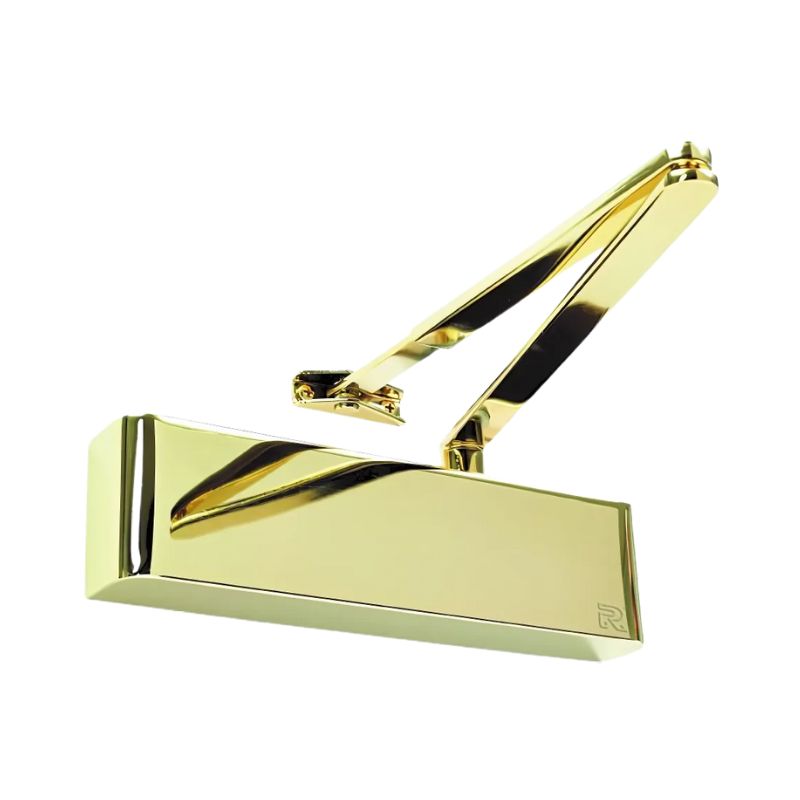
EE21PVDB
Rutland TS5204 Door Closer With Cover - Polished Brass
£67.66 Inc. VAT£56.38 Exc. VAT
53 in stock Certifire Approved
FD30
FD60
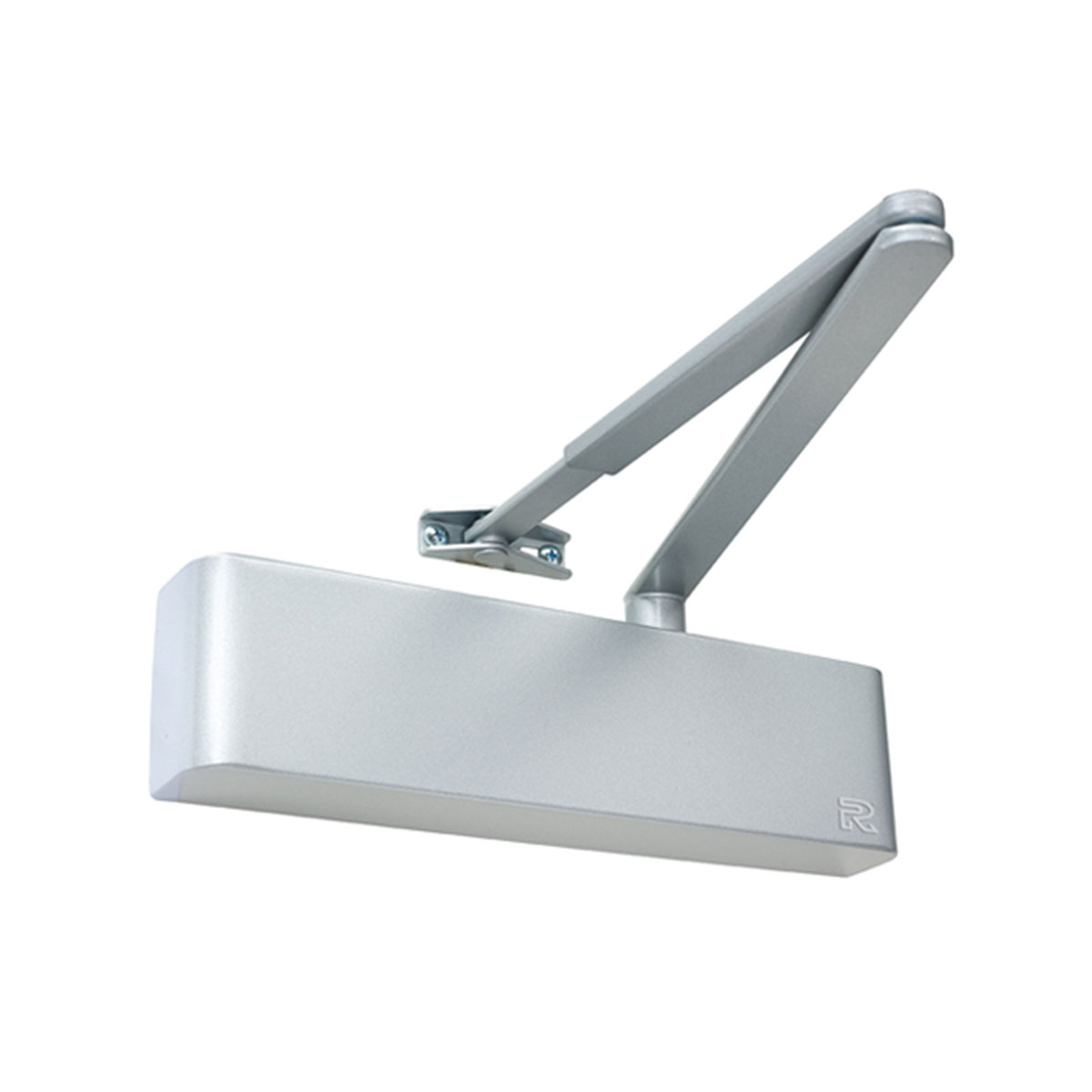
EE21A
Rutland TS9205 EN 2-5 Door Closer - Silver
£83.28 Inc. VAT£69.40 Exc. VAT
151 in stock Certifire Approved
FD120
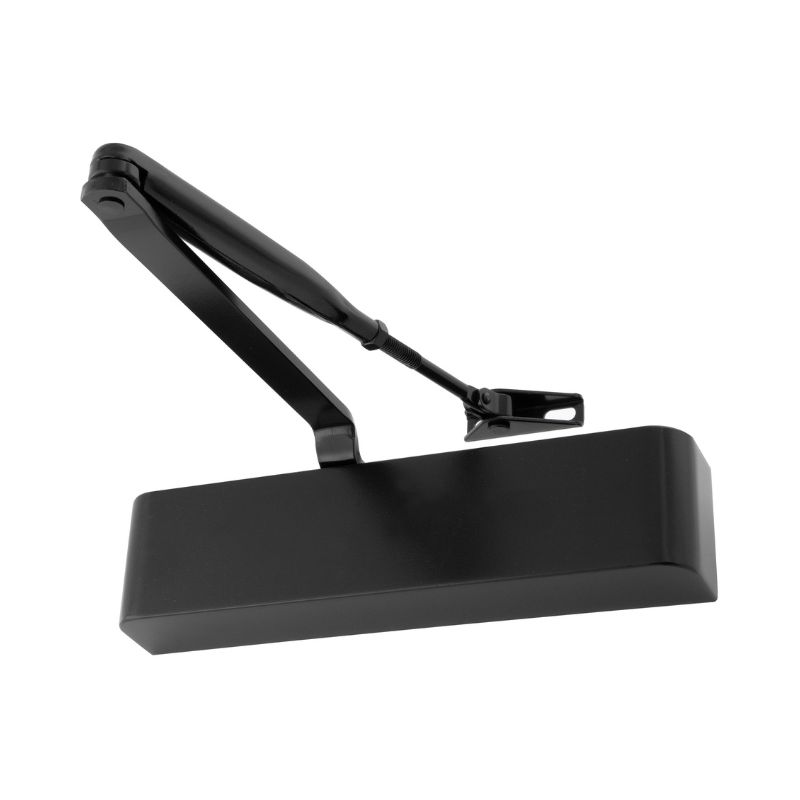
FDH28837
Eclipse 83 Series Overhead Door Closer - EN 2-4 - Rack & Pinion - Matt Black
£31.02 Inc. VAT£25.85 Exc. VAT
15 in stock Certifire Approved
FD30
FD60
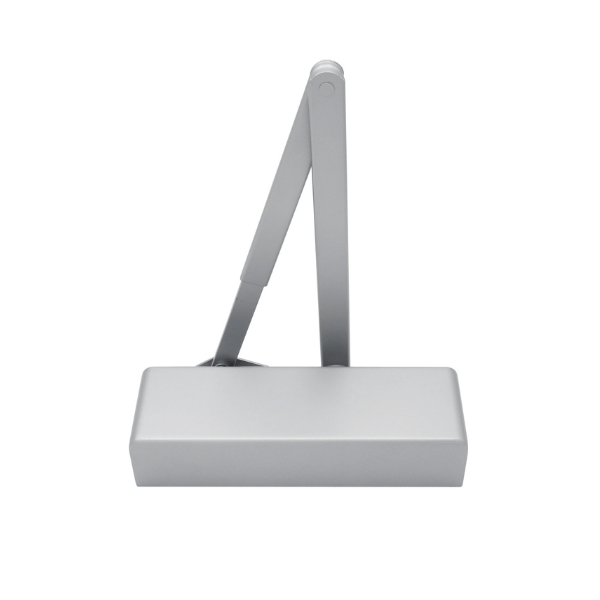
FDHZDC0024A/SE
Zoo Overhead Door Closer with Backcheck, EN2-4 - Silver
£44.20 Inc. VAT£36.83 Exc. VAT
104 in stock Certifire Approved
FD120
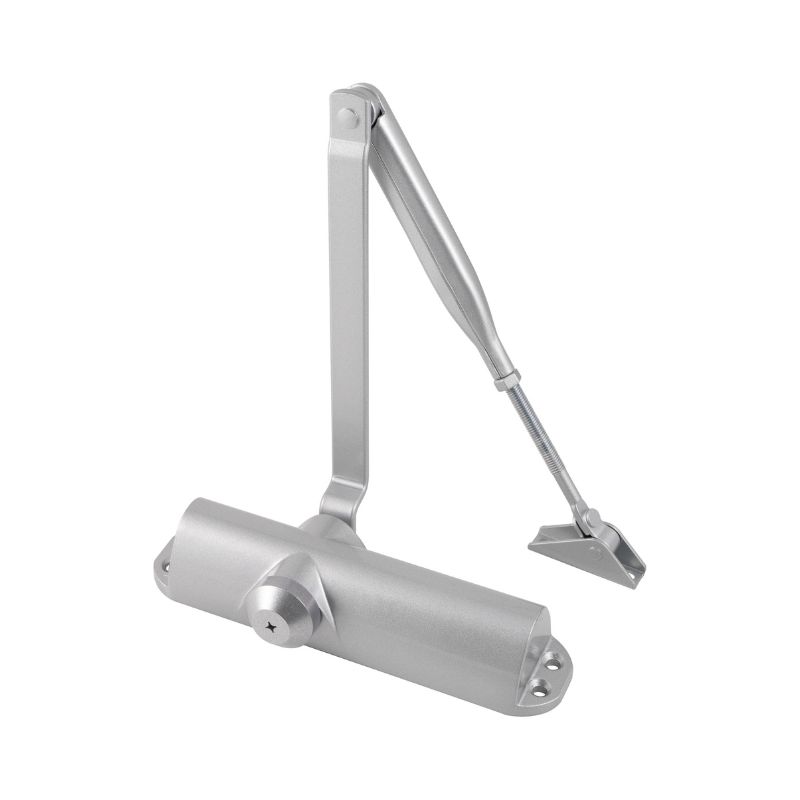
FDH28831
Eclipse 83 Series Overhead Door Closer - No Cover - EN 2-4 - Rack & Pinion - Silver
£24.13 Inc. VAT£20.11 Exc. VAT
82 in stock Certifire Approved
FD30
FD60
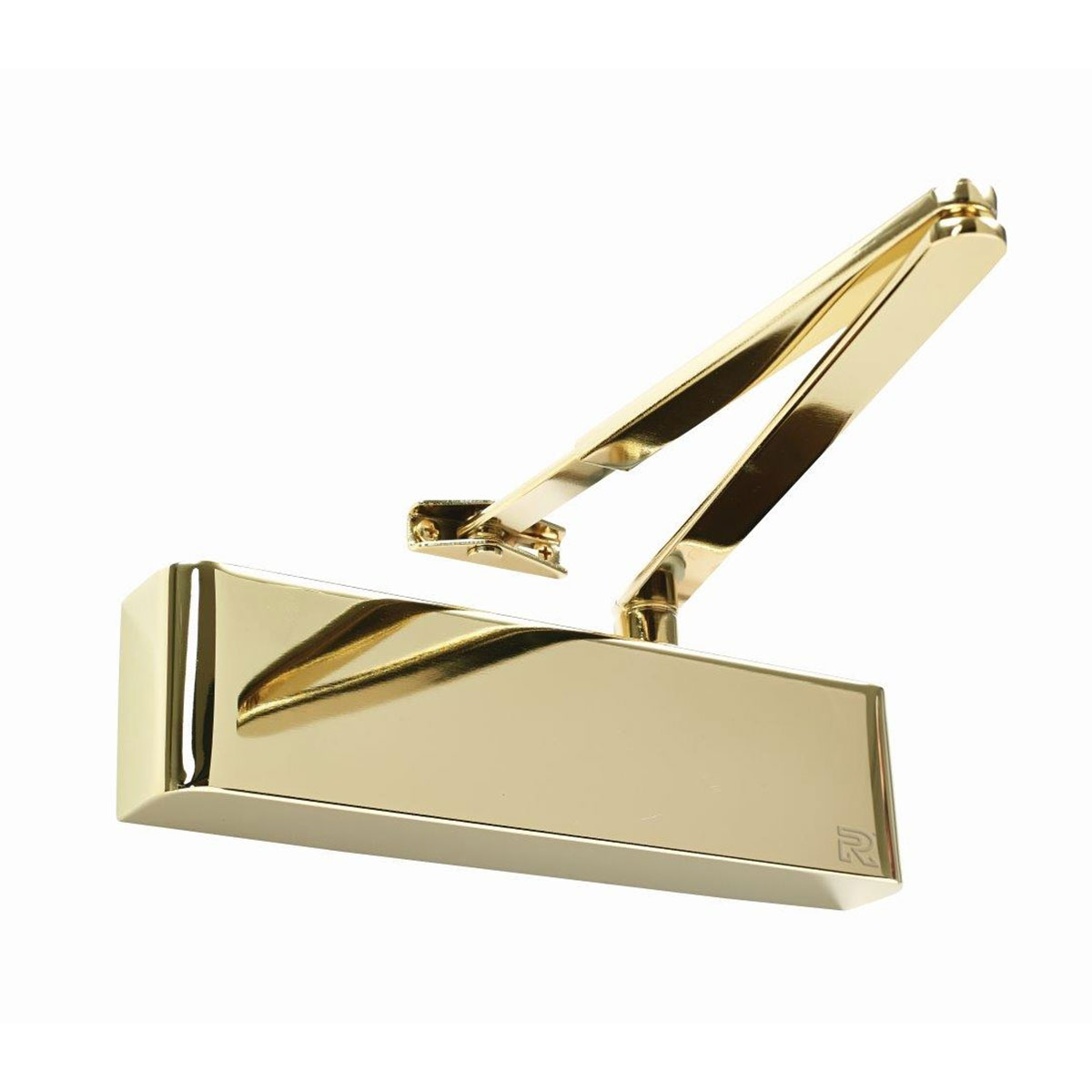
EE41
Rutland TS9205 EN 2-5 Door Closer - Polished Brass
£94.09 Inc. VAT£78.41 Exc. VAT
11 in stock FD30
FD60
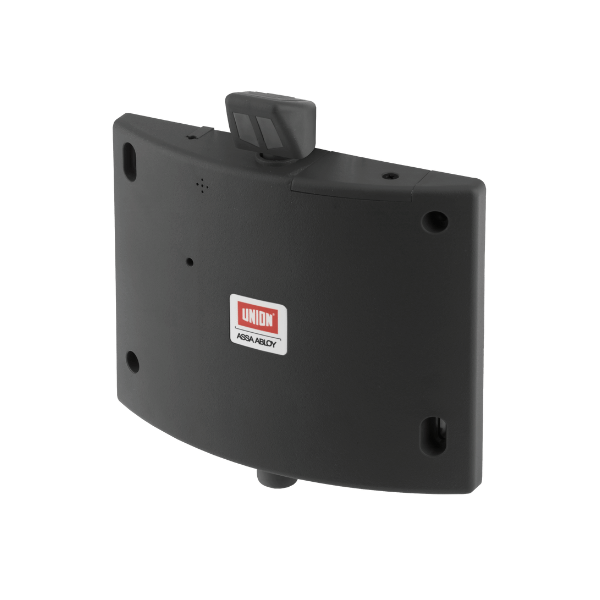
EEUJ-8755A
Union DoorSense Acoustic Release Fire Door Hold Open Unit
£142.52 Inc. VAT£118.77 Exc. VAT
21 in stock Certifire Approved
FD30
FD60
EE43SNP
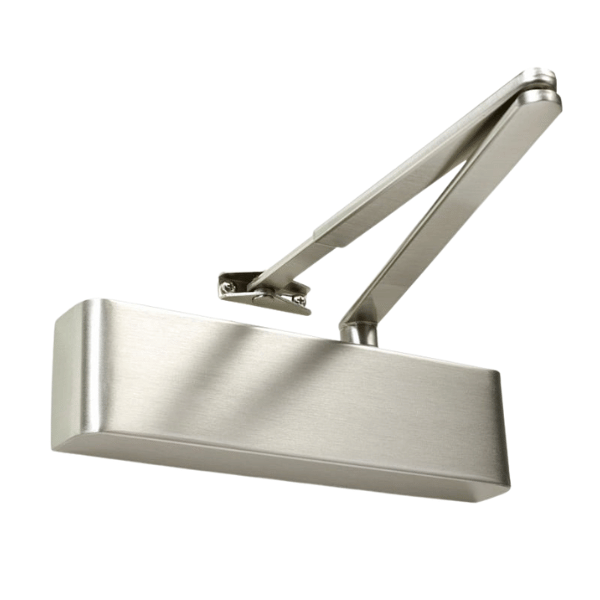
Rutland TS9205 EN 2-5 Door Closer with Backcheck & Delayed Action - Satin Nickel Plate
£90.32 Inc. VAT£75.27 Exc. VAT
77 in stock Certifire Approved
FD30
FD60
EE43SE
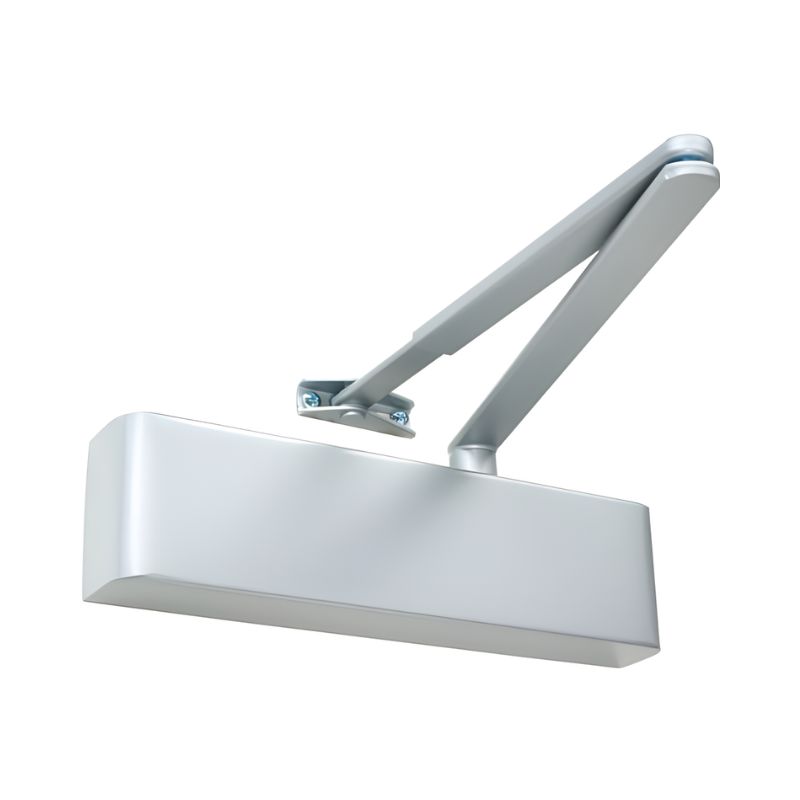
Rutland TS9205 EN 2-5 Door Closer with Backcheck & Delayed Action - Silver
£86.57 Inc. VAT£72.14 Exc. VAT
115 in stock 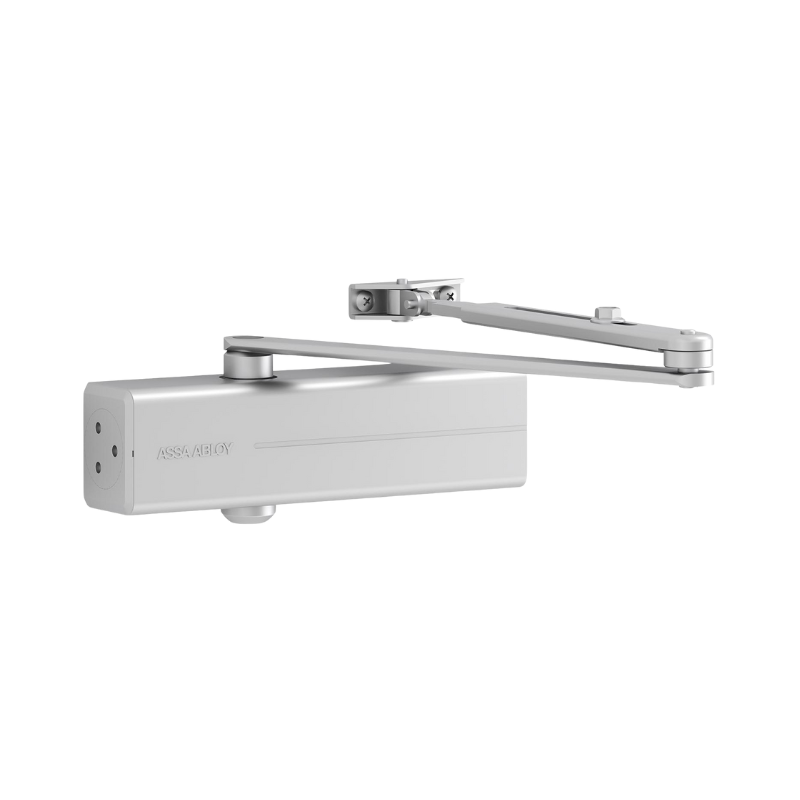
FDHDC140A-1
Assa Abloy DC140A EN 2-5 Rack & Pinion Fire Door Closer - Silver
£70.28 Inc. VAT£58.57 Exc. VAT
76 in stock FD30
FD60
EE50
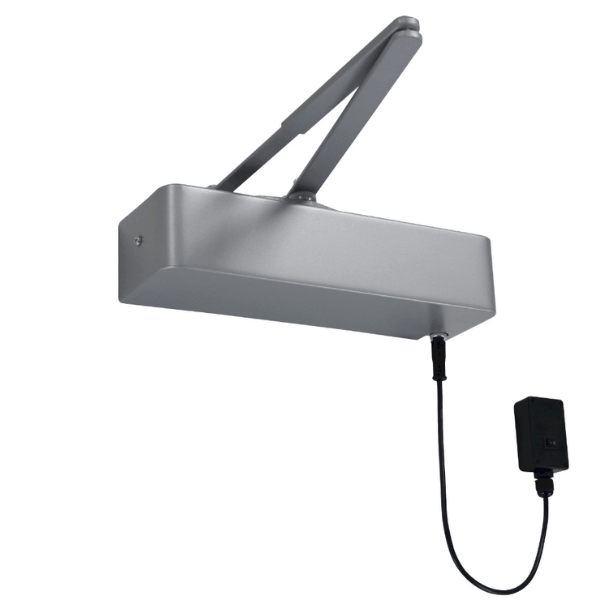
Rutland Responder 24 Electromagnetic Door Closer - Silver
£200.14 Inc. VAT£166.78 Exc. VAT
27 in stock Our Brands


























Types of fire door closers
Our range covers the main categories of fire-rated closer used in UK buildings:
- Overhead door closers — the most widely specified option, available in rack & pinion (reliable and economical) or cam action (smoother operation and lower opening force, ideal for schools, care homes and accessible openings).
- Concealed door closers — fitted within the door leaf or frame for a clean aesthetic finish, commonly chosen for hotels and heritage projects, and useful in anti-vandal applications.
- Electromagnetic and free-swing closers — hold fire doors open during normal use and release them on a signal from the building's fire alarm system or a linked smoke detector, so the door closes automatically the moment fire or smoke is detected. Popular in care homes, hospitals and busy corridors.
- Floor springs — heavy-duty concealed closers set into the floor, suitable for tall or heavy doors, double-action doors and glazed entrance frontages.
For a deeper breakdown, see our guide to the different types of door closers.
How do fire door closers help?
By returning a fire door firmly to its closed position, a door closer maintains the building's fire compartmentation, which is central to fire prevention and the safe evacuation of occupants. Together with intumescent and smoke seals, drop-down seals, hinges and latches, the closer helps the complete fire door assembly act as a firestop — containing flames, smoke and heat within a compartment for the period indicated by the door's fire-resistance rating (typically FD30 or FD60). On a smoke protection door, the closer also supports effective smoke control by ensuring the smoke seals are fully engaged against the frame.
Key features to look for include adjustable latching and closing speed, which let you tune the closer to specific building requirements so the door closes firmly without slamming.
How to choose the correct power size
Fire door closers are rated to BS EN 1154 on a power-size scale from EN 1 to EN 7, based on door width and mass. For most internal fire doors, EN 3 is the minimum, with many specifications calling for EN 4 adjustable closers to balance reliable closing force with ease of opening. Heavier or wider
Read MoreRead Less
Subscribe to our newsletter
Subscribe now to receive the latest fire safety news, promotions & product releases straight to your inbox.