

Intumescent Strip FAQs
Learn what intumescent strips do, how they work and which size you need for FD30 and FD60 fire doors. Explore our FAQs and expert advice.

Written by Rebecca
12th August 2025

Intumescent strips are an essential component of a fire door assembly, helping to restrict the spread of fire and maintain effective compartmentation. But what do intumescent strips do, how do they work and how do you choose the correct size for your fire door?
Whether you're installing new fire doors or maintaining existing ones, understanding the different types of intumescent strips and their purpose is important for achieving the required fire performance.
In this guide, we answer some of the most frequently asked questions about intumescent strips, covering everything from fire door regulations and sizing to installation, materials and smoke protection.
What are intumescent strips used for on fire doors?
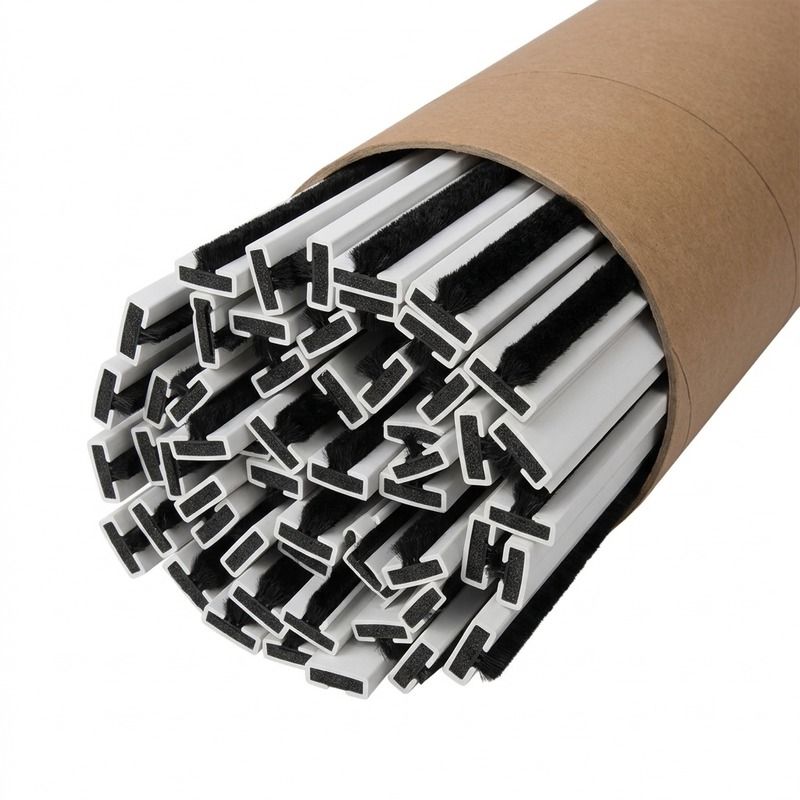
Intumescent strips are specially designed seals fitted around the perimeter of a fire door, usually within a groove in the door leaf or frame. Their primary purpose is to help maintain the fire resistance of the doorset by closing the gaps between the door and frame when exposed to high temperatures.
During a fire, the intumescent material expands to many times its original volume, forming a protective char that helps seal these gaps and restrict the passage of flames and hot gases.
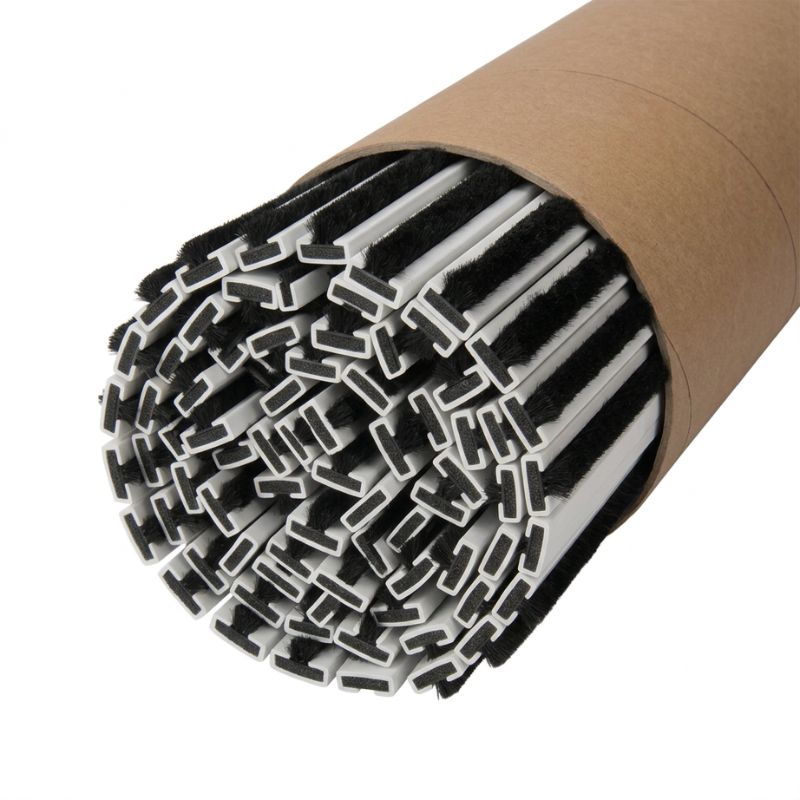
Some intumescent strips also incorporate a brush or fin smoke seal, helping to restrict the movement of cold smoke around a closed fire door before temperatures become high enough to activate the intumescent material.
How do intumescent strips work in a fire?
Intumescent strips remain inactive under normal conditions and activate when exposed to high temperatures. As the material heats up, it expands and forms a protective char, helping to close the gaps between the door and frame.
This expansion helps maintain the fire resistance of the doorset, restricting the spread of flames and hot gases and supporting the building's compartmentation.
The level of fire resistance achieved depends on the tested and certified fire door assembly, rather than the intumescent strip alone.
Find out more about intumescent strips and how they work.
What materials are intumescent strips made from?
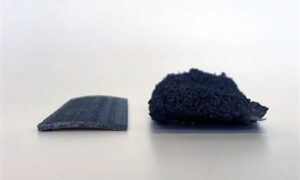
Intumescent strips contain materials that expand when exposed to high temperatures. Common intumescent materials include graphite and sodium silicate, which have different expansion characteristics and performance properties.
They feature a protective outer casing, such as PVC-u, and a self-adhesive backing for installation.
The material, activation temperature and expansion characteristics will vary between products. Always check the manufacturer's datasheet for full specifications and suitability.
Discover more about the different types of intumescent materials and how they behave in fire conditions.
Are intumescent strips a legal requirement on fire doors?
Intumescent strips are required for all timber fire door assemblies to help maintain their fire resistance. However, the seals that are required depends on the door's certification and supporting test evidence.
The fire door manufacturer's documentation should specify the type, size, positioning and configuration of seals suitable for that particular doorset.
When replacing or upgrading seals, it's important not to assume that any intumescent strip will be suitable. Always check the manufacturer's recommendations and ensure replacement products are compatible with the tested fire door assembly.
For further information, refer to the relevant government fire safety guidance.
What size intumescent strip do I need for an FD30 or FD60 fire door?
The correct intumescent strip size depends on the fire rating, design and certification of the fire door. Common strip widths include 10mm, 15mm, 20mm and 25mm.
As a general guide:
| Fire door rating | Common intumescent strip sizes |
| FD30 | 10mm or 15mm |
| FD60 | 20mm or 25mm, or two narrower strips fitted side-by-side |
These are examples rather than universal requirements. The correct width, thickness and configuration must always be confirmed against the fire door manufacturer's specification and supporting test evidence.
Browse our range of 10mm, 15mm, 20mm and 25mm intumescent strips.
How many intumescent strips does a fire door need?
The number of strips required depends on the size and fire rating of the door, as well as its tested configuration.
Intumescent strips are commonly fitted along the two vertical edges and the top of a fire door. As strips are often supplied in 2.1m lengths, a typical door may require three lengths to cover these areas.
Some FD60 doorsets require additional strips, such as two seals fitted side-by-side along each edge.
These are typical examples only. Always follow the manufacturer's installation instructions to determine the correct quantity and positioning for your particular fire door.
Should intumescent strips be fitted to the door or frame?
Some fire doors have seals fitted into the door itself, while others have them fitted into the surrounding frame. The correct arrangement will be specified by the manufacturer and supported by the relevant test evidence.
When replacing existing strips, check where the original seals are fitted and refer to the doorset documentation before making changes.
Do fire doors need intumescent strips along the bottom?
Intumescent strips are not typically fitted along the threshold of a fire door. However, the gap beneath the door still needs to meet the requirements of the tested doorset.
Where a suitable bottom seal is required, particularly for smoke control or to address a larger threshold gap, a drop down seal may be appropriate.
How do intumescent strips work around hinges and locks?
Intumescent strips must be cut clean around all ironmongery points such as hinges, locks and latches.
Where specified, additional intumescent protection may be required around hardware to help maintain the door's fire resistance. Examples include intumescent hinge pads and intumescent lock protection.
The correct protection will depend on the door certification, ironmongery and tested configuration. Always follow the relevant installation instructions.
Can you paint over intumescent strips?
Painting over intumescent strips is generally not recommended unless the manufacturer specifically confirms that it is suitable.
Paint build-up, particularly from multiple coats, can affect the performance of some intumescent products and may restrict their ability to expand when exposed to high temperatures.
Strips incorporating brush or fin smoke seals should not be painted over, as paint can affect their ability to contain smoke.
What is the difference between a brush and fin intumescent strip?
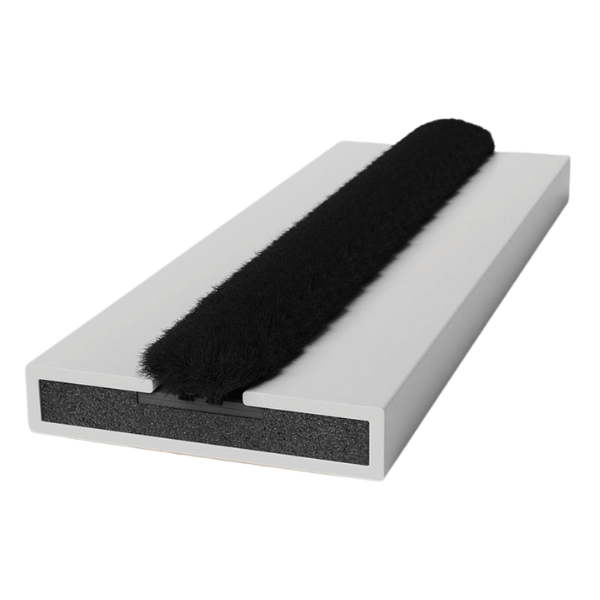
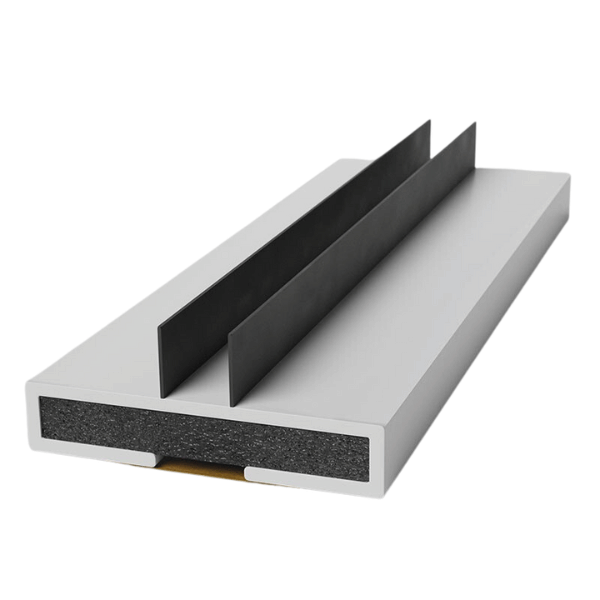
Brush and fin seals are two common types of intumescent strips used in fire door assemblies.
Brush or pile seals feature flexible bristles that make contact with the opposing surface when the door is closed. They help restrict the movement of smoke through the gaps around the door.
Fin or flipper seals use a flexible blade-like material to create a seal against the opposing surface. Depending on the product, they can also offer acoustic benefits and are generally easier to wipe clean than brush seals.
The most suitable option will depend on the door design, required performance and manufacturer's specification.
How FireSealsDirect can help
Choosing the correct intumescent strips is an important part of maintaining a fire door's performance. At FireSealsDirect, we stock an extensive range of intumescent strips from leading manufacturers, including Lorient and Pyroplex.
Our knowledgeable team can help with product selection and provide guidance on choosing suitable products for your project.
If you need help finding the right intumescent strips, get in touch:
📞 Call us on 02920 857 959
💬 Speak to our team via Live Chat
📧 Email us at [email protected]
For more practical guidance, explore our Advice Centre for information on fire door products, installation and passive fire protection.
Related Articles
How To Firestop Service Penetrations
Learn how to effectively firestop service penetrations to maintain compartmentation, meet regulations...
Read more
Intumescent Fire Pillows Explained
Discover how intumescent fire pillows offer reliable fire-stopping in locations requiring ongoing...
Read more
What Is The Difference Between Fire Integrity and Fire Insulation?
Discover the key differences between fire insulation and fire integrity, and why...
Read more